How to Break in Leather Boots: Step-by-Step Tips for Maximum Comfort
To break in leather boots effectively, start by choosing the right size—snug but with enough toe wiggle room. Applying leather conditioner helps soften stiff areas and prepares the material for wear.
Wear your boots indoors with thick socks for short periods at first. Gradually increase the wearing time to mold the leather to your foot and prevent blisters.
Use accessories like heel grips or stretchers to improve the fit as needed. Always let your boots rest between wears to maintain their shape and comfort.
Follow these steps well, and you’ll enjoy both comfort and durability as your boots develop character over time.
Understanding the Break-In Process

Although leather boots may feel stiff at first, breaking them in gradually softens and shapes the material to fit your feet comfortably. The break-in process for leather footwear is essential because the leather needs time to conform to your unique foot shape.
You’ll want to wear your boots consistently, starting with short periods around the house, ideally with thick socks to reduce friction and protect your feet. Avoid shortcuts like applying heat or soaking them in water, as these can damage the leather and ruin the natural molding.
With patience and consistent wear, the leather will soften, creating a personalized fit that not only boosts comfort but also enhances the boots’ durability and character over time.
Selecting the Right Leather for Your Boots

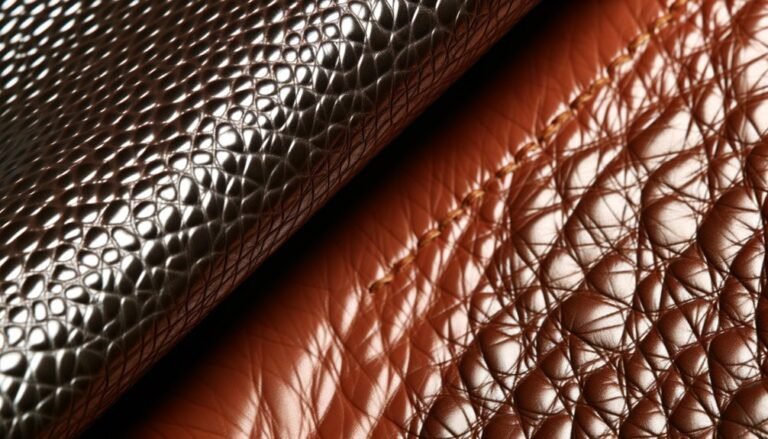
Choosing the right leather is key to how your boots will wear and age over time. You’ll want to take into account different types like veg-tan, cordovan, or roughout based on durability and the look you want.
Matching the leather to your lifestyle and care routine ensures your boots feel and look great for years.
Leather Types Overview
When you pick the right leather for your boots, you set the foundation for comfort, durability, and style. Different types of leather break in differently, so knowing your options helps you choose wisely.
- Veg-tan leather softens naturally and develops a rich patina, making it ideal if you want boots that age beautifully with wear.
- Full-grain leather offers maximum strength and gains character through creasing and scuffing, perfect for those who want longevity and rugged style.
- Roughout leather features a suede-like texture that’s breathable and gives a rugged look, great if you prefer a unique, casual appearance.
Understanding these types ensures your boots feel great and look better as you break in your leather.
Durability and Aging
Understanding the type of leather you’ve selected helps you anticipate how your boots will wear and age over time. If you choose veg-tan leather, your boots will develop a rich patina, adding unique character with proper care.
Cordovan leather stands out for its durability and graceful aging, keeping its sheen and resisting creases well. Roughout leather darkens and softens, enhancing its rugged texture as you wear it.
When selecting leather shoes, opting for high-quality, full-grain leather ensures longevity and allows the boots to mold naturally to your feet. Thicker leather typically ages better, becoming more comfortable and developing a personalized look over decades.
Paying attention to these factors helps you pick boots that not only last but improve with aging.
Matching Leather Styles
Although selecting the right leather for your boots might seem straightforward, it plays a crucial role in how your boots feel, perform, and age. When matching leather styles, consider these key types for your leather boots:
- Veg-tan leather is soft and molds to your feet, perfect if you want a personalized, comfortable fit.
- Cordovan leather offers dense durability and develops a rich patina but demands a longer break-in.
- Roughout leather boasts a textured, scuff-resistant surface, ideal for rugged use and long-lasting character.

Choosing the Correct Size and Fit
Since leather boots mold to your feet over time, choosing the correct size and fit from the start is essential to avoid discomfort. Begin by measuring both feet accurately with a tape measure or ruler, then select the larger size for a proper fit.
Always check the manufacturer’s sizing chart, as shoe sizes vary between brands and models. When trying on a pair of boots, consider the thickness of your socks. Thicker socks might mean you need a slightly bigger size.
If possible, try the boots on in person and walk around to test the fit. Your toes should have enough wiggle room, and your heel should feel snug without slipping. This guarantees your boots will break in comfortably and last longer.
Preparing Your Boots Before Wearing
Once you’ve chosen the right size and fit, the next step is to prepare your leather boots before wearing them. Proper preparation softens the leather and improves comfort. Here’s how to get started:
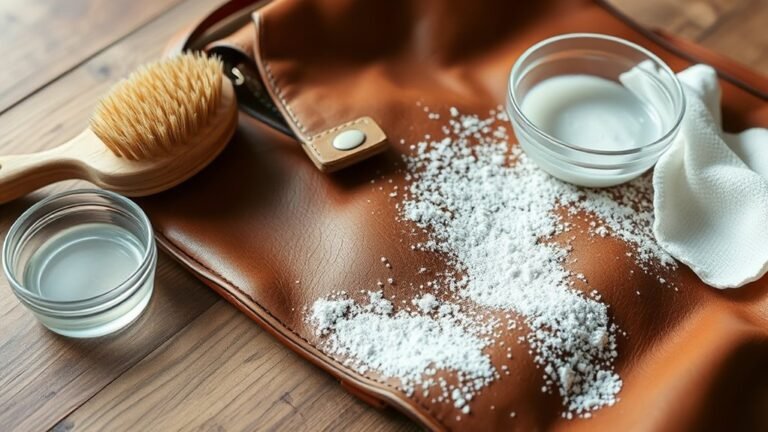
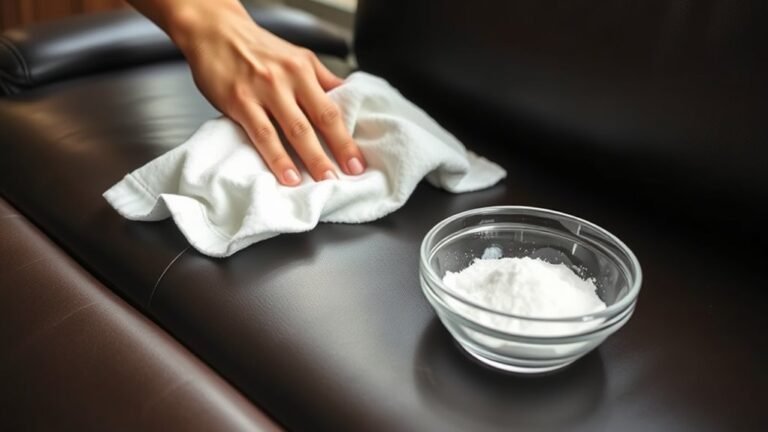
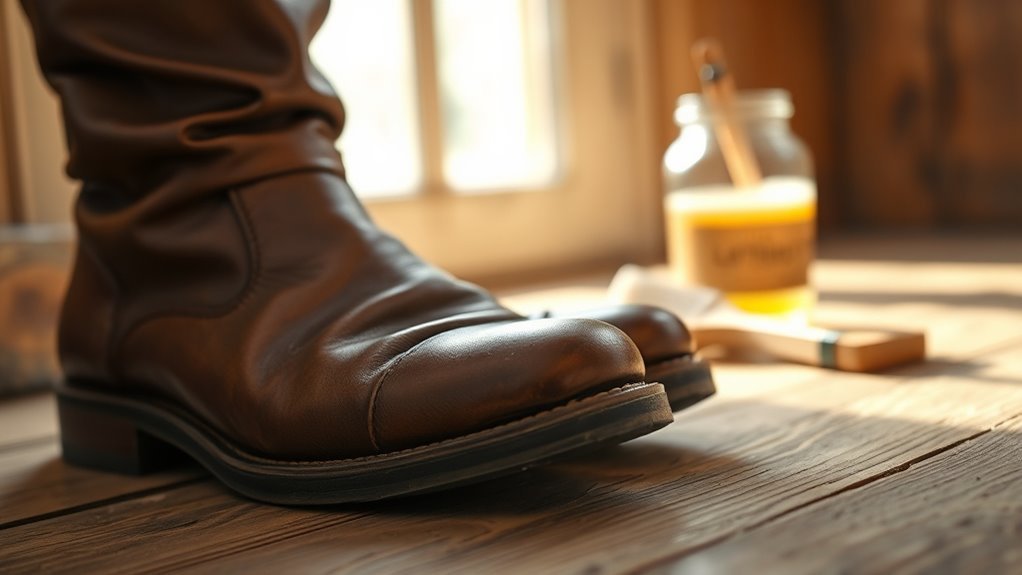
- Apply a generous amount of leather conditioner to the boots, focusing on stiff areas. Use a soft cloth or your fingers to rub it in thoroughly, enhancing flexibility.
- After conditioning, let your boots rest for several hours or overnight. This allows the leather to absorb moisture and become more pliable.
- To shape and stretch the boots gently, use leather stretchers or stuff them with newspaper. This helps expand the leather gradually and prevents tight spots.
These steps ensure your boots are comfortable and ready for breaking in without causing unnecessary pain.
Gradual Wearing Techniques for Comfort
When you start wearing your leather boots, begin with short sessions around the house to let the leather soften gradually. This gradual approach helps you break-in your boots without discomfort.
Wear them around for just a few minutes at first, then slowly increase the time over several days or weeks. Don’t rush to wear them all day immediately; instead, build up wear time to prevent blisters and soreness.
Using thick socks during this break-in period adds cushioning and gently stretches the leather for a better fit. Patience is key. By gradually wearing your boots around, you allow the leather to conform naturally to your feet, ensuring comfort and durability as you continue to enjoy your new boots.
Essential Sock Choices for Break-In
Although breaking in leather boots depends on gradual wear, choosing the right socks plays a crucial role in your comfort. The right sock pair cushions your feet and controls moisture, helping soften the leather around your boots. Here’s what to focus on:
- Layer thick socks like wool or cotton to add padding and reduce friction.
- Try purpose-made double sock systems, such as Double Doc Socks, for extra protection on friction points.
- Switch to fresh, dry socks regularly to keep moisture down and prevent blisters.
Thicker socks work best if your boots feel slightly loose, giving you a snug fit without cutting off circulation. By picking the right socks, you ease pressure evenly around your feet, making the break-in period smoother and less painful.
Leather Conditioning and Maintenance Tips
Since leather naturally stiffens as it dries, you should regularly apply conditioners like Lexol or Mink Oil to keep your boots soft and prevent cracking. After cleaning your boots with a gentle Leather Cleaner, use a leather conditioner to nourish and soften the material.
Gently massage the conditioner in with your fingers or a soft cloth to distribute oils evenly, which helps the leather become more flexible over time. Products like Wonder Balsam are excellent for stiff leather, making it easier to mold to your foot.
Remember to condition your boots after each wear to maintain durability and prevent drying out. Avoid over-conditioning; apply a thin layer and let it absorb fully before wearing your boots again to prevent greasy buildup and ensure long-lasting comfort.
Common Mistakes to Avoid During Break-In
If you want to break in your leather boots successfully, you need to avoid common mistakes that can damage the leather or cause discomfort. First, never soak your boots in water or use heat sources like ovens or blow dryers; this destroys the leather’s integrity.
Second, don’t rush by wearing them excessively every day, as this leads to blisters and leather fatigue. Third, avoid aggressive stretching methods that distort the shape or weaken the leather.
Always confirm you have the proper fit before starting break-in, since boots that are too tight or loose will cause issues. Also, using a leather conditioner and letting your boots rest are key steps to keep the leather healthy and flexible during the break-in process.
Using Accessories to Enhance Fit
You can use heel grips to stop your boots from slipping and reduce discomfort while breaking them in. Leather stretchers help gently widen tight areas, making the fit more comfortable over time.
Wearing thick socks adds extra cushioning and helps stretch the leather naturally as you move.
Heel Grips Benefits
While breaking in leather boots, heel grips can make a significant difference by filling gaps at the back of your heel to prevent slipping and provide extra cushioning. These small accessories help you break in leather boots more comfortably and effectively.
Here’s how heel grips benefit you:
- They reduce heel blisters caused by friction during the break-in process.
- They improve the overall fit, making your boots feel snugger and more supportive.
- They prolong your boots’ life by minimizing wear and tear at the heel area.
Plus, heel grips are easy to insert and remove, letting you enhance comfort without altering your boots. Using heel grips is a smart way to speed up the break-in process and keep your leather boots feeling great.
Leather Stretchers Usage
Though leather boots naturally conform to your feet over time, using leather stretchers can speed up this process by gently expanding tight areas. To get started, insert leather stretchers into your boots when they’re slightly damp or after applying a conditioner, which helps increase flexibility.
Adjust the stretchers gradually by turning the knob to avoid overstretching or damaging the leather. You can use different-sized or shaped stretchers to target specific spots like the toe box or instep for a tailored fit.
Leave the stretchers in overnight or for several hours during breaks to achieve noticeable expansion. For the best results, regularly remove and reinsert the stretchers throughout the break-in process to maintain consistent stretching and maximize comfort.

Thick Socks Advantage
Because thick socks add extra padding, they help fill out your leather boots for a snugger fit during the break-in period. Using thick socks enhances comfort and speeds up the molding process by increasing friction between your foot and the leather.
Here’s why you should rely on thick socks during break-in:
- They provide cushioning that reduces pressure points and prevents blisters.
- Double-layer socks, like Double Doc Socks, evenly distribute pressure and reduce hotspots.
- Extra layers absorb moisture, keeping your feet dry and comfortable.
Wearing thick socks or multiple pairs during your initial break-in sessions improves the fit and helps your boots conform to your foot shape quicker. This simple accessory is an easy way to boost comfort while protecting your feet.
Long-Term Care for Leather Boots
To keep your leather boots in great shape, you need to give them proper care after each wear. Let your boots rest for at least 48 hours to prevent moisture buildup and keep the leather healthy.
While breaking them in, wear your boots around the house to help soften the leather gently. Regularly clean and condition your boots with products like Wonder Balsam to nourish and soften the material, extending their lifespan.
Rotate between multiple pairs to avoid excessive wear on one pair. Store your boots in a cool, dry place away from direct sunlight and heat to prevent drying or cracking.
Don’t forget to inspect your boots periodically and repair any damage, such as loose stitching or worn soles, to ensure they last for years.
Frequently Asked Questions
How Do You Break in Leather Boots Fast?
You can break in leather boots fast by wearing them with thick socks around the house, applying leather conditioner, using a stretcher or stuffing newspaper, slightly dampening them, and adding heel grips to reduce friction and discomfort.
How Long to Break Leather Boots In?
You’ll typically break leather boots in within 1 to 4 weeks, depending on wear frequency and leather type. Wearing them daily for 1-2 hours helps speed things up, but don’t rush or you’ll risk damage.
What Does Spraying WD-40 on Boots Do?
Spraying WD-40 on boots might seem like a quick fix to soften them, but you’ll actually risk drying out the leather. It strips natural oils, making your boots prone to cracks and less durable over time.
How Do You Soften Leather Boots Fast?
You can soften leather boots fast by applying a leather conditioner or Wonder Balsam, then massaging the leather.
Using a leather stretch spray and gently heating with a hairdryer also helps make the leather more pliable quickly.
Conclusion
Breaking in your leather boots takes patience, but it’s worth it for comfort and durability. For example, imagine Sarah, who wore her boots just an hour daily while applying leather conditioner regularly.
Within two weeks, they molded perfectly to her feet without blisters. By selecting the right fit, conditioning the leather, and gradually increasing wear time, you’ll avoid common mistakes and enjoy boots that feel custom-made.
Stick with these steps, and your boots will last for years. Properly breaking in leather boots ensures they become more comfortable, flexible, and long-lasting.