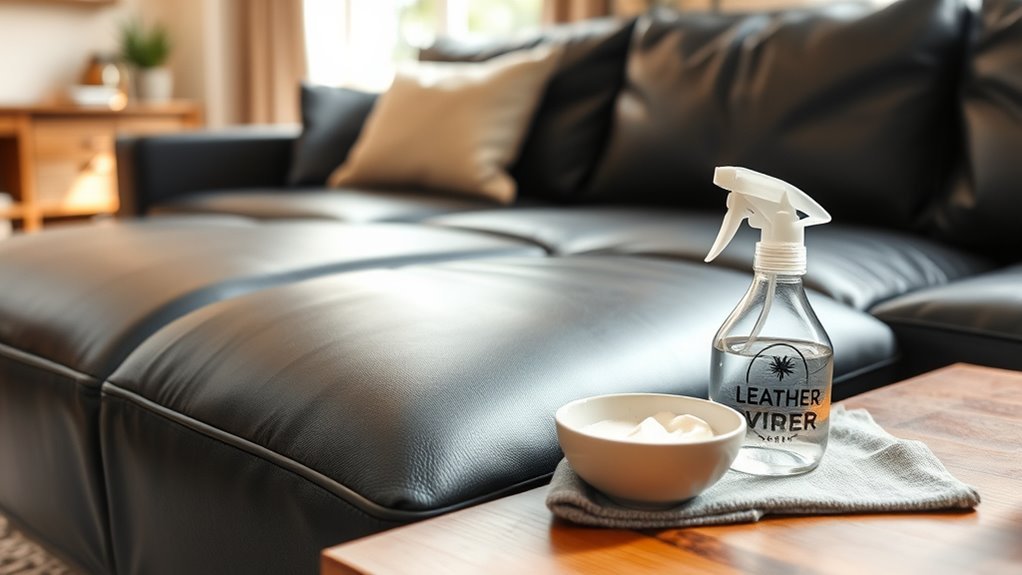
7 Tips to Prevent Fake Leather Peeling
To prevent fake leather from peeling, it’s essential to keep it clean and dry. Gently wipe the surface with a damp cloth and make sure to dry it thoroughly. Using a conditioner specifically designed for faux leather helps nourish and maintain its texture.
Avoid exposing fake leather to direct heat or sunlight, as these can accelerate peeling and damage. Store your items on padded hangers in cool, well-ventilated spaces to preserve their quality. Handle your faux leather pieces carefully to prevent scratches and other surface damage.
If you notice any peeling spots, address them promptly to stop the issue from worsening. Opting for high-quality faux leather materials also significantly reduces the chances of peeling. Following these tips will help keep your fake leather items looking fresh and new for a longer time.
Keep Faux Leather Clean and Dry

To keep faux leather looking its best, you need to clean and dry it regularly. Dirt and moisture can cause the material to weaken and peel over time.
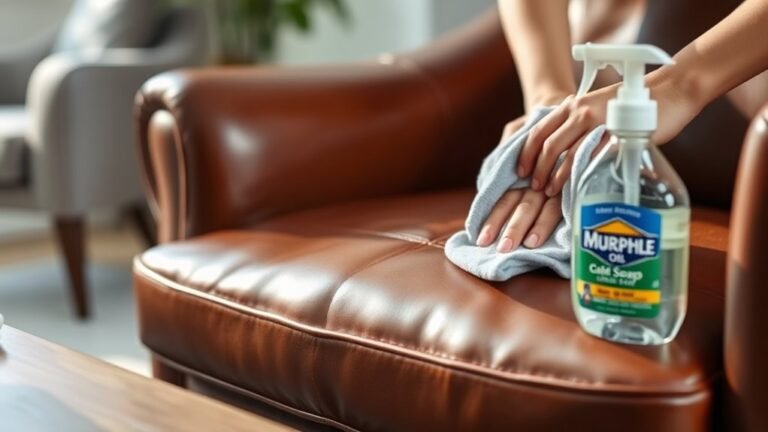
Start by wiping the surface with a soft, damp cloth to remove dust and grime. Avoid using harsh chemicals or abrasive tools that might damage the finish.
Use a soft, damp cloth to gently clean; steer clear of harsh chemicals and abrasive tools.
After cleaning, make sure to dry the faux leather thoroughly with a dry cloth or let it air dry in a well-ventilated area. Never leave it damp, as trapped moisture promotes deterioration.
Regular maintenance like this helps preserve the texture and prevents cracks.
Use a Suitable Leather Conditioner

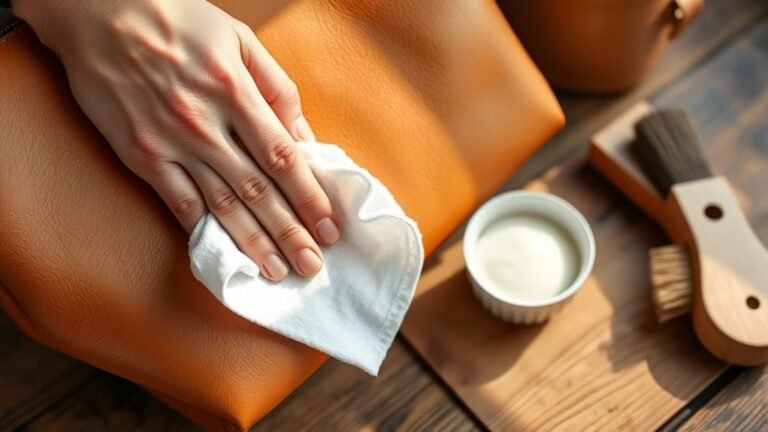
After keeping your faux leather clean and dry, applying a suitable leather conditioner will help maintain its flexibility and prevent peeling. Choose a conditioner specifically designed for synthetic or faux leather, as traditional leather products mightn’t be compatible.
Apply a small amount evenly using a soft cloth, gently massaging it into the surface. This nourishes the material, reducing dryness and stiffness that lead to cracking and peeling.
Condition your faux leather every few months or as recommended by the product instructions. By regularly conditioning, you’ll keep the texture supple and extend the lifespan of your items.
Avoid over-applying; a thin, even layer is enough to protect without leaving residue. This simple step plays a vital role in preserving your faux leather’s appearance over time.
Avoid Excessive Heat and Sunlight

While faux leather offers durability, exposing it to excessive heat and direct sunlight can quickly cause it to dry out and peel. You should keep your fake leather items away from heaters, radiators, and prolonged sun exposure.
Heat accelerates the breakdown of the synthetic materials, making them brittle and prone to cracking. If you’re outdoors, try to keep your faux leather accessories in shaded areas or covered with a cloth to protect them from UV rays.
When drying after cleaning, avoid placing them in direct sunlight. By controlling the temperature and light exposure, you’ll maintain the material’s flexibility and appearance.
Store Faux Leather Properly
One key step in preserving your faux leather is storing it correctly. Always hang your items on wide, padded hangers to maintain their shape and prevent creases. Avoid folding faux leather pieces, as creases can cause cracking and peeling over time.
Store your items in a cool, dry place away from direct sunlight and humidity, which can weaken the material. If you need to store faux leather in a closet, ensure it’s well-ventilated to prevent moisture buildup.
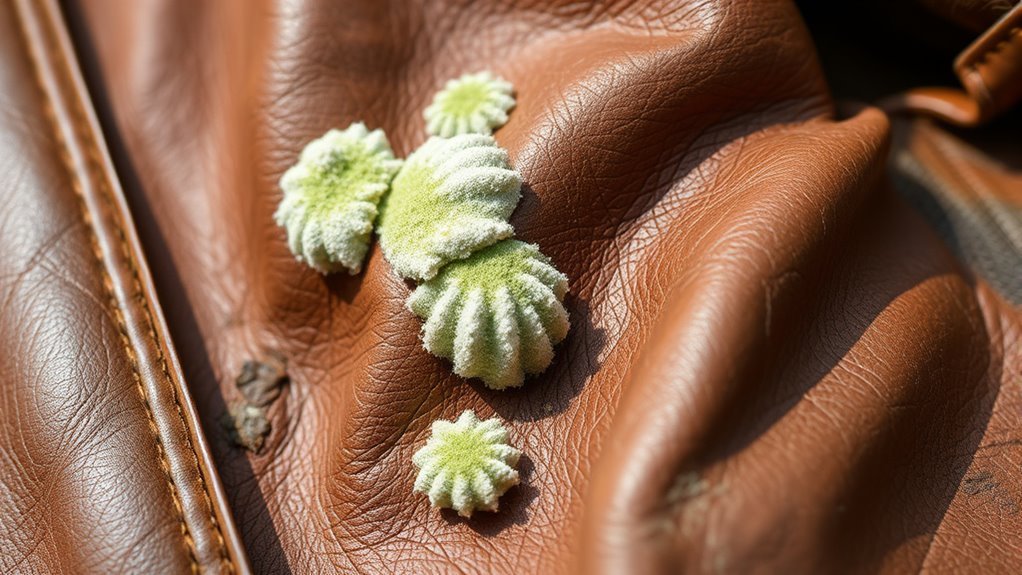
Use breathable garment bags instead of plastic covers to allow airflow and reduce the risk of mold.
Handle With Care to Prevent Scratches
Because faux leather is more vulnerable to scratches than genuine leather, you need to handle it gently to keep it looking new. Avoid placing sharp objects near your fake leather items, and be mindful when wearing jewelry or accessories that could snag the surface.
When cleaning, use soft cloths instead of abrasive scrubbers to prevent micro-scratches. Also, steer clear of rough surfaces that might rub against the material and cause damage.
If you’re moving or storing faux leather, carry it carefully to avoid unnecessary friction or bending that could weaken the surface.
Repair Minor Peeling Promptly
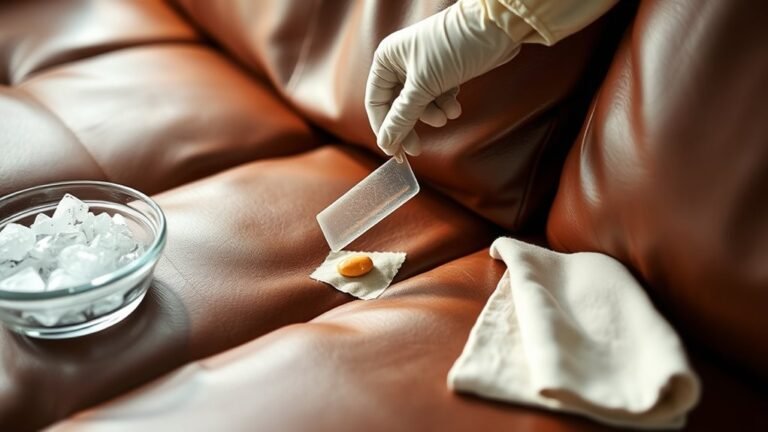
Even with careful handling, minor peeling can still happen on your faux leather items. When you spot small areas peeling, don’t wait. Address them quickly to prevent further damage.
Here’s what you can do:
- Clean the area gently with a soft cloth and mild soap, then let it dry completely.
- Apply a faux leather repair kit or flexible adhesive designed for synthetic materials to the peeling spots.
- Smooth the edges carefully and allow the repair to cure as instructed to guarantee a seamless finish.
Choose High-Quality Faux Leather Products
Selecting high-quality faux leather products can substantially reduce the chances of peeling over time. When you invest in well-made faux leather, you get materials that resist wear and maintain their appearance longer.
Look for dense, tightly woven fabrics and premium coatings. You should also check product reviews and brand reputation to ensure durability. Here’s a quick guide to help you choose:
| Feature | What to Look For | Why It Matters |
|---|---|---|
| Material Type | PU or Microfiber | More flexible, durable |
| Thickness | Medium to thick | Resists cracking |
| Coating Quality | Even, smooth finish | Prevents peeling |
| Stitching | Tight, consistent | Enhances longevity |
| Brand | Positive reviews, warranty | Confidence in quality |
Frequently Asked Questions
Can Faux Leather Be Recycled or Is It Biodegradable?
Faux leather isn’t biodegradable and can’t be recycled easily. You’ll find it’s made from plastic materials that don’t break down naturally, so you should consider upcycling or donating to reduce waste instead of tossing it.
What Are the Environmental Impacts of Faux Leather Production?
You should know faux leather production emits around 70% less CO2 than real leather, but it still relies on plastics, contributing to pollution and microplastic waste.
Choosing eco-friendly alternatives can reduce your environmental impact considerably.
Is Faux Leather Hypoallergenic Compared to Real Leather?
You’ll find faux leather generally more hypoallergenic than real leather since it lacks animal proteins that often cause allergies.
However, some synthetic materials or chemicals used in faux leather could still trigger reactions in sensitive individuals.
How Does Faux Leather Compare to Vegan Leather?
Faux leather is a synthetic material, while vegan leather often uses plant-based or innovative materials. You’ll find vegan leather more eco-friendly and sometimes higher quality, but both offer cruelty-free alternatives to real leather.
Can Faux Leather Cause Skin Irritation or Allergies?
Yes, faux leather can cause skin irritation or allergies if you’re sensitive to its chemicals, dyes, or adhesives.
You might experience redness, itching, or rash, so it’s wise to test a small patch before prolonged contact.
Conclusion
By following these tips, you’ll keep your faux leather looking fresh and peel-free longer. It’s true that treating faux leather like real leather—with gentle care, proper storage, and timely repairs—makes a big difference. Avoiding heat and moisturizing regularly isn’t just advice; it actually prevents cracking and peeling.
So, don’t underestimate these simple habits. They help you enjoy your stylish, cruelty-free leather goods without the frustration of damage. Keep up the care, and your faux leather will thank you!
By incorporating these 7 tips to prevent fake leather peeling into your routine, you ensure durability and maintain the attractive appearance of your faux leather items. Regular maintenance, proper handling, and protective measures are key to extending the life of your favorite cruelty-free leather alternatives.