How Long Does Leather Take to Dry?
Leather drying time typically ranges from 6 to 24 hours, influenced by factors such as the leather’s thickness, type, and environmental conditions. Understanding how long leather takes to dry is essential for proper care and maintenance.
Thicker or full-grain leather tends to dry more slowly, whereas thinner leather items dry faster. To ensure the best results, avoid exposing leather to direct heat or sunlight. Instead, let it air dry in a well-ventilated area.
You can speed up the drying process by gently blotting away excess water and stuffing the item with paper towels to help maintain its shape. Keep reading for more tips on proper care and effective drying techniques to protect your leather.
Factors Influencing Leather Drying Time

Although drying leather might seem straightforward, several factors influence how long it actually takes. You need to take into account the leather’s thickness; thicker leather holds moisture longer, so it takes more time to dry.
The environment plays a big role too. Warm, dry conditions speed up drying, while cold or humid air slows it down.
You’ll also want to think about how the leather was treated or conditioned. Some finishes repel water and dry faster, whereas untreated leather absorbs more moisture.
In the end, the drying method you choose matters. Air drying is gentle but slower, while using heat sources can speed things up but risk damage.
Typical Drying Time for Different Types of Leather

When drying leather, the type you’re working with greatly affects how long the process takes. For example, full-grain leather, being dense and thick, usually takes 12 to 24 hours to dry completely.
Nubuck and suede, which are more delicate and porous, often dry faster, typically within 6 to 12 hours, but they require careful handling to avoid damage.
Genuine or corrected grain leather falls somewhere in between, often drying in 8 to 16 hours.
Keep in mind that thinner leather items, like gloves or wallets, generally dry quicker than bulky jackets or boots.
Understanding these typical drying times helps you plan accordingly and avoid rushing the process, which can compromise the leather’s condition and longevity.
How to Safely Dry Wet Leather Items

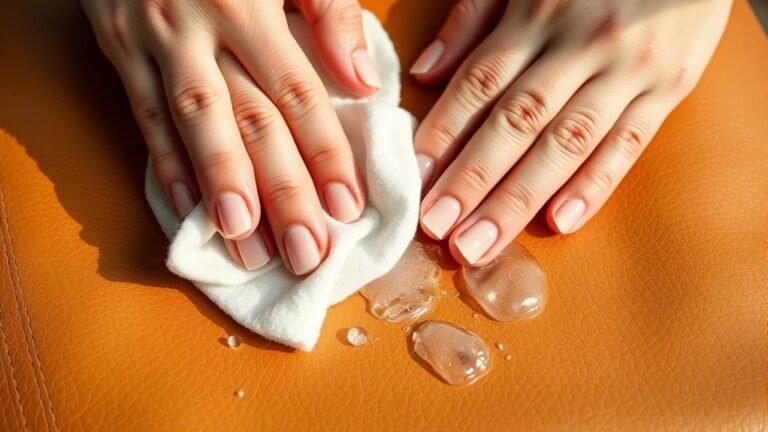
Since leather is sensitive to heat and moisture, you should dry wet leather items slowly and carefully to prevent cracking or warping. Start by gently blotting excess water with a soft, absorbent cloth. Never rub, as this can damage the surface.
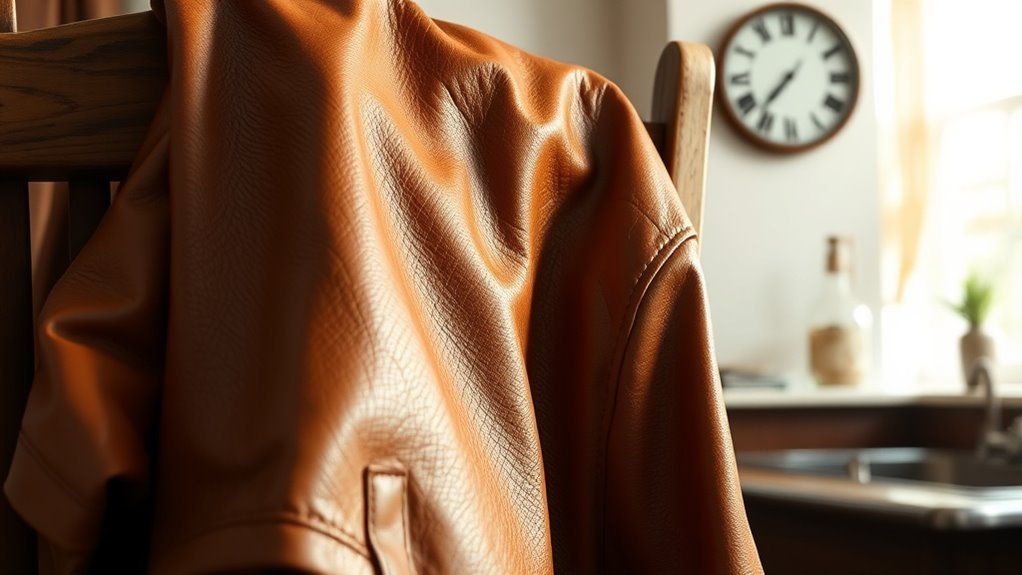
Next, let the leather air dry naturally in a well-ventilated area away from direct sunlight and heat sources like radiators or hair dryers.
You can stuff the item with paper towels to help maintain its shape and absorb moisture from the inside.
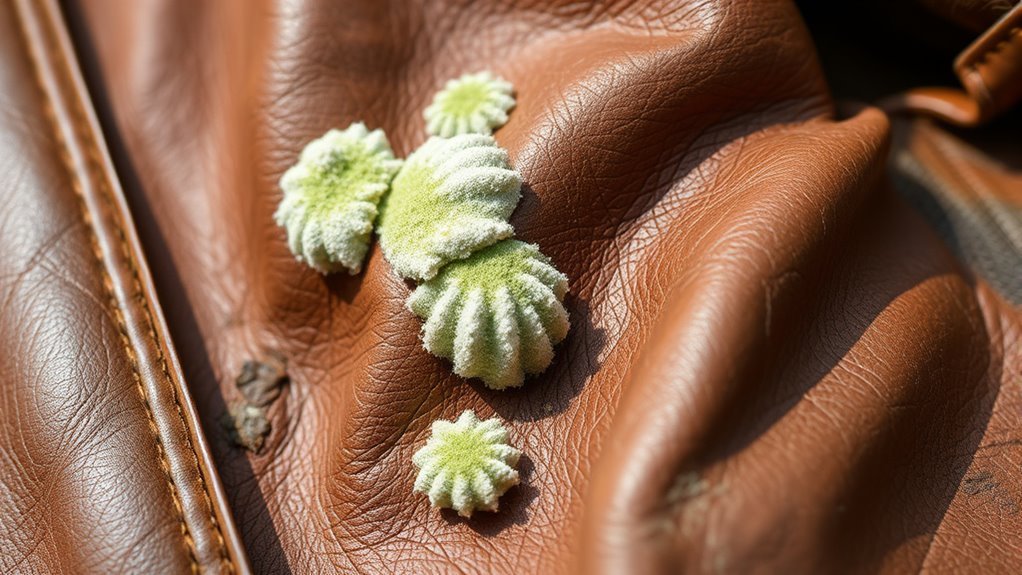
Avoid using plastic bags or airtight containers, which trap moisture and encourage mold growth.
Once the leather feels dry, apply a leather conditioner to restore oils and flexibility.
Following these steps ensures your leather stays durable and retains its appearance after getting wet.
Effects of Environmental Conditions on Leather Drying
Properly drying your leather is just one part of the process; the environment around you plays a big role in how quickly and effectively it dries.
If you’re in a warm, dry room with good air circulation, your leather will dry faster and more evenly.
On the other hand, high humidity can slow down drying, increasing the risk of mold or mildew.
Direct sunlight might seem helpful, but it can cause the leather to crack or fade.
So, you want to avoid extreme heat or cold, as both can negatively affect the leather’s texture and flexibility.
Instead, choose a well-ventilated, shaded spot with moderate temperature and humidity to help your leather dry safely and maintain its quality.
Common Mistakes to Avoid When Drying Leather
Although drying leather might seem straightforward, many people make avoidable mistakes that damage their items. First, don’t use direct heat sources like hair dryers or radiators; they can cause leather to crack or shrink. Avoid exposing leather to direct sunlight, which may fade and dry it out unevenly.
Never wring out wet leather—it can distort its shape. Instead, gently blot excess moisture with a clean cloth. Also, skip putting leather in a tumble dryer or sealed plastic bags, as lack of airflow promotes mildew.
In the end, don’t rush the drying process; leather needs time to dry naturally at room temperature. By steering clear of these errors, you’ll help preserve your leather’s texture and longevity.
Signs Your Leather Is Drying Properly
Avoiding common drying mistakes sets the stage for your leather to dry as it should. When your leather is drying properly, you’ll notice subtle but clear signs indicating it’s on the right track.
First, the leather feels cool to the touch, a sign that moisture is evaporating naturally.
Second, it maintains its natural flexibility without becoming stiff or brittle.
Lastly, the surface won’t develop dark spots or patches, showing even drying throughout.
Look for these signs:
- Consistent texture without hard or overly soft areas
- Absence of strong or sour odors indicating trapped moisture
- Leather retains its shape without warping or shrinking
Paying attention to these clues helps you ensure your leather dries safely and lasts longer.
How to Restore Leather After It Gets Wet
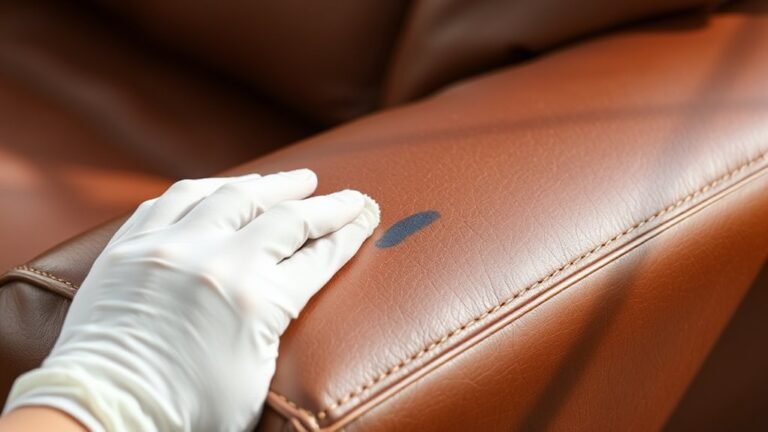
If your leather gets wet, you’ll want to act quickly to prevent damage and restore its condition. First, gently blot excess moisture with a clean, dry cloth. Don’t rub, as this can push water deeper.
Next, let the leather air dry naturally, away from direct heat or sunlight to avoid cracking. Once dry, apply a leather conditioner to replenish oils and maintain flexibility.
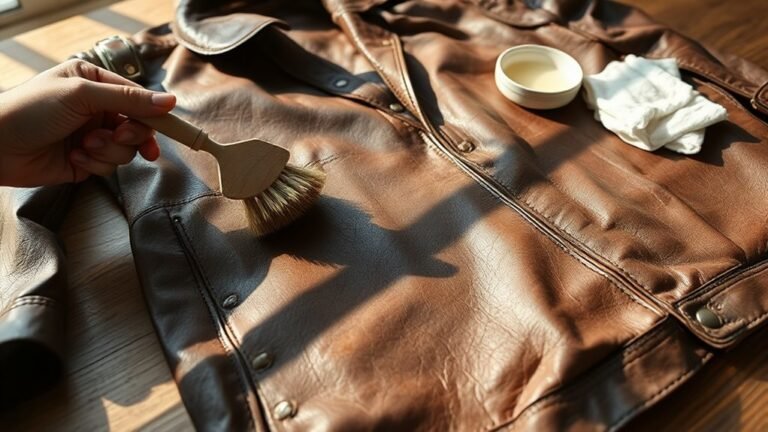
Use a soft cloth to evenly spread the conditioner and let it absorb fully. If the leather shows stiffness or discoloration, repeat conditioning as needed.
For persistent stains or damage, consider consulting a professional.
Preventative Tips to Protect Leather From Water Damage
Since leather is naturally porous, it can easily absorb water and suffer damage if left unprotected. To keep your leather items safe from water damage, you need to take preventative measures.
Here are some essential tips:
Apply a water-repellent leather conditioner regularly to create a protective barrier.
Store leather goods in a cool, dry place away from direct sunlight and humidity.
Use waterproof covers or bags when carrying leather items in wet weather.
Frequently Asked Questions
Can Leather Be Machine Dried Without Damage?
You shouldn’t machine dry leather because the heat and tumbling can cause damage like shrinking, cracking, or warping.
Instead, let it air dry naturally in a well-ventilated area to keep it in good condition.
Does Waterproof Leather Dry Faster Than Untreated Leather?
Yes, waterproof leather dries faster than untreated leather because its protective coating repels water, preventing deep absorption.
You’ll notice it dries on the surface quicker, while untreated leather soaks up moisture and takes longer to dry fully.
How Does Leather Drying Time Compare to Synthetic Materials?
Imagine waiting for your leather boots to dry like watching a slow sunrise, while synthetic shoes dry quickly, like a flash of lightning.
Leather takes hours, sometimes a day, whereas synthetics often dry within minutes, thanks to their water-resistant fibers.
Can Leather Mold if It Dries Too Slowly?
Yes, leather can mold if it dries too slowly because moisture gets trapped inside. You should dry it in a well-ventilated area, away from direct heat, to prevent mold growth and keep your leather in good shape.
Is It Safe to Use Hair Dryers on Leather?
You shouldn’t put all your eggs in one basket by using hair dryers on leather; it can dry it too fast, causing cracks.
Instead, air dry leather slowly to keep it supple and safe from damage.
Conclusion
Drying leather can take anywhere from a few hours to a couple of days, depending on the type and conditions. Remember, slow and steady wins the race—rushing the process can damage your leather. Always dry it naturally, avoid heat sources, and watch for signs it’s drying properly.
With the right care, you’ll keep your leather looking great and lasting longer. Proper leather drying techniques are essential to maintain its quality and durability. Treat it well, and it’ll repay you handsomely by staying supple and strong over time!