How to Remove Sticky Residue From Leather Step by Step
First, identify what type of sticky residue you’re dealing with on your leather. Gather a soft cloth, mild leather cleaner, and cotton swabs to prepare for the cleaning process. Make sure to test your cleaner on a hidden spot to ensure it won’t damage the leather.
Gently lift off any excess residue without pressing too hard. Apply the cleaner in small circular motions to break down the sticky substance effectively. Then, wipe the area with a damp cloth to remove any leftover cleaner and residue.
After cleaning, condition the leather to keep it soft and protected. Conditioning helps maintain the leather’s natural oils and prevents drying or cracking. Keep these basics in mind as you explore more ways to care for your leather.
Identify the Type of Sticky Residue

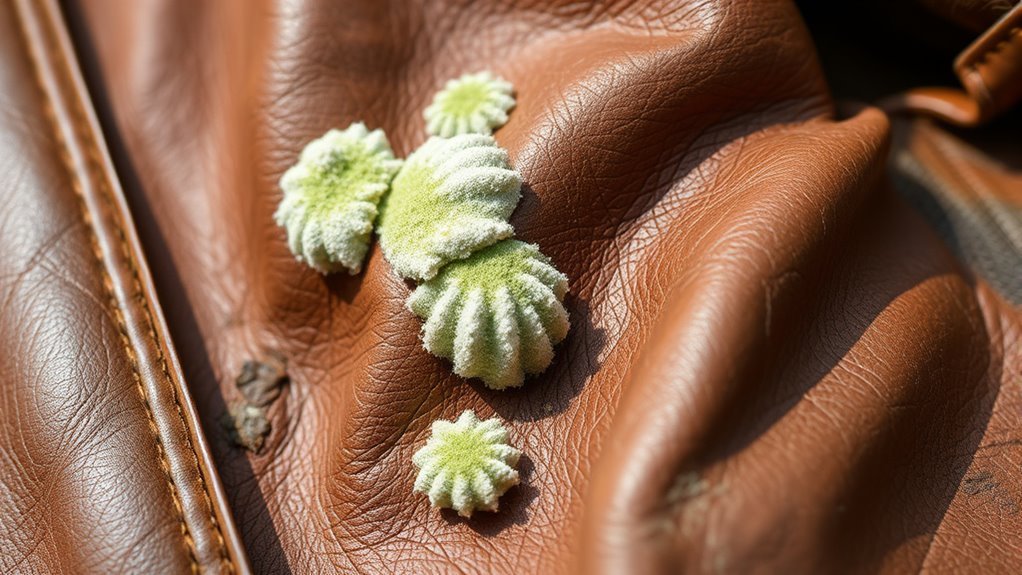
Before you begin cleaning, you need to identify the type of sticky residue on your leather. Is it from food, adhesive tape, or maybe sap? Different residues require different approaches.
Take a close look and feel the residue—sticky, greasy, or hardened? If it’s sticky and soft, it could be sugary or oily. If it’s hard, it might be dried glue or sap.
Knowing this helps you choose the right cleaning method. Also, consider how long the residue has been there; older stains might need more gentle treatment to avoid damage.
Take your time inspecting the area carefully. This step prevents you from using harsh chemicals that could harm your leather, ensuring you handle the residue safely and effectively.
Gather Necessary Cleaning Supplies

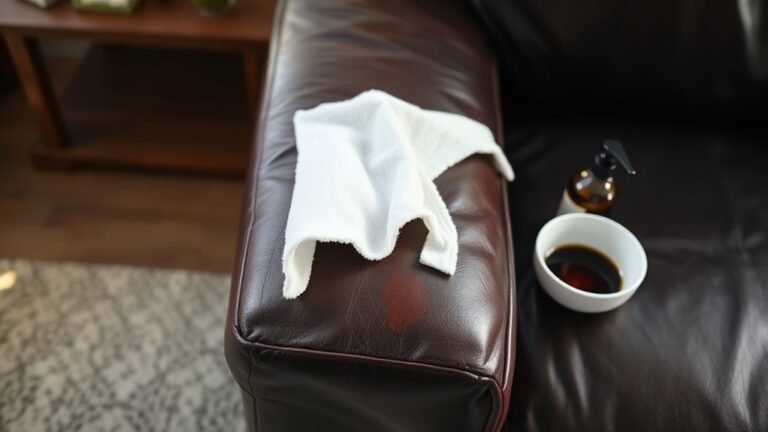
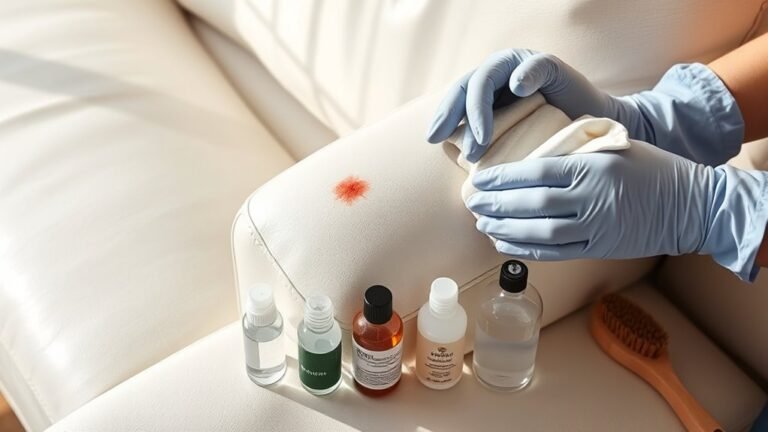
A few essential cleaning supplies can make removing sticky residue from leather much easier and safer. Begin by gathering a soft microfiber cloth to avoid scratching the leather surface.
You’ll also need a mild leather cleaner or a gentle dish soap diluted in water to break down the sticky residue without damaging the material. Have a small bowl for mixing the solution and a separate clean cloth dampened with plain water for rinsing.
Additionally, keep cotton swabs handy to reach tight spots. Avoid harsh chemicals or abrasive tools, as they can harm the leather’s finish.
Finally, keep a dry towel nearby to gently blot excess moisture after cleaning. With these supplies ready, you’ll be well-prepared to tackle the residue carefully and effectively.
Test Cleaning Solution on a Hidden Area

Once you have your cleaning supplies ready, you’ll want to test the solution on a hidden spot of the leather. This step is essential to ensure the cleaner won’t damage or discolor your leather.
Choose an inconspicuous area, like the inside seam or underside of the item. Apply a small amount of the cleaning solution using a cotton swab or soft cloth. Let it sit for a few minutes, then gently wipe it off.
Check for any color changes, texture alterations, or damage. If the leather looks unaffected, you’re good to proceed with cleaning the sticky residue.
If you notice any adverse effects, try a milder cleaner or consider consulting a professional.
Testing first protects your leather investment and guarantees safe cleaning.
Gently Remove Excess Residue
While you’re preparing to clean the sticky residue, start by gently removing any excess with your fingers or a soft, dry cloth. Avoid pressing too hard to prevent embedding the residue deeper into the leather.
Use light, lifting motions to pick up as much as possible without spreading it further. If the residue feels tacky, resist the urge to scrape it off with sharp objects, which can damage the leather’s surface.
Instead, focus on carefully loosening and lifting the residue. Taking this cautious approach will make the next cleaning steps more effective and protect your leather from scratches or stains.
Once you’ve removed the bulk of the residue, you’ll be ready to move on to cleaning the remaining sticky spots safely.
Apply a Leather-Safe Cleaning Agent
After carefully lifting away the bulk of the residue, you’re ready to tackle the remaining sticky spots using a leather-safe cleaning agent. Choose a product specifically designed for leather to prevent damage or discoloration.
Before applying, test the cleaner on an inconspicuous area to verify it won’t harm the finish.
Dampen a clean cotton swab or soft brush with the cleaner, then gently apply it to the sticky residue.
Work in small circular motions, allowing the agent to break down the adhesive without saturating the leather.
Avoid harsh chemicals like acetone or alcohol, which can dry out or crack the surface.
Once the residue loosens, you’ll be set to proceed with removing the softened residue without harming your leather item.
Use a Soft Cloth to Wipe the Area
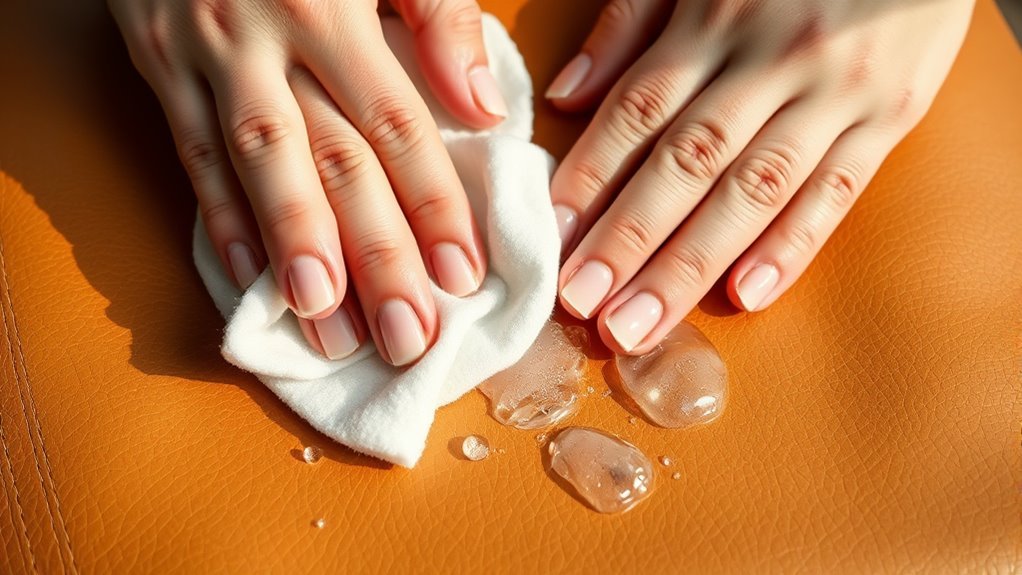
As the cleaning agent starts to loosen the sticky residue, grab a soft cloth to gently wipe the area. Use light, circular motions to avoid damaging the leather’s surface. Don’t press too hard. Patience is key here. If the residue persists, reapply the cleaning agent and wipe again. Always keep the cloth clean to prevent spreading dirt.
| Step | Action |
|---|---|
| 1 | Dampen soft cloth slightly |
| 2 | Wipe area using circular motions |
| 3 | Repeat if residue remains |
This method ensures the sticky residue lifts without harming the leather. Remember, gentle wiping prevents abrasion and keeps your leather looking its best.
Condition the Leather After Cleaning
Once you’ve removed all sticky residue, you should condition the leather to restore its natural oils and prevent drying or cracking. Choose a leather conditioner suitable for your specific type of leather.
Apply a small amount to a clean, soft cloth and gently rub it into the leather using circular motions. Focus on areas where you cleaned, but don’t over-saturate the leather.
Gently rub conditioner into leather with a soft cloth using circular motions, focusing on cleaned areas without over-saturating.
Let the conditioner absorb for about 10 to 15 minutes, then buff the surface with a dry cloth to remove any excess.
Conditioning keeps the leather supple and helps maintain its appearance over time. Remember, skipping this step can lead to stiffness or damage, so make conditioning a regular part of your cleaning routine after removing sticky residue.
Tips to Prevent Future Sticky Residue
To keep your leather free from sticky residue, you’ll want to adopt a few simple habits that minimize exposure to substances that cause stickiness. Here are four effective tips:
- Avoid placing leather near food or sugary drinks that can spill and leave residue.
- Use protective covers or cloths when working with adhesives, lotions, or oils around leather items.
- Clean spills immediately with a damp cloth to prevent sticky buildup.
- Regularly condition your leather to maintain its natural barrier, making it less prone to attracting sticky substances.
Frequently Asked Questions
Can Sticky Residue Damage Leather Permanently?
Yes, sticky residue can damage leather permanently if left too long. You should clean it promptly to avoid stains or deterioration.
Using gentle methods protects your leather’s finish and keeps it looking great over time.
Is It Safe to Use Household Cleaners on Leather?
If you use harsh cleaners like bleach on leather, you risk ruining it—like Sarah, who faded her sofa with an all-purpose cleaner.
How Often Should Leather Be Conditioned After Cleaning?
You should condition leather every 3 to 6 months after cleaning to keep it soft and prevent cracking.
If your leather is in a dry environment or used frequently, condition it more often to maintain its quality.
Can Sticky Residue Cause Leather Discoloration?
Don’t let the grass grow under your feet—yes, sticky residue can cause leather discoloration by trapping dirt and oils.
You’ll want to clean it promptly to keep your leather looking fresh and vibrant over time.
What Should I Do if the Leather Gets Wet During Cleaning?
If your leather gets wet during cleaning, gently blot the excess moisture with a soft cloth. Don’t rub or use heat.
Let it air dry naturally, away from direct sunlight or heaters to avoid damage.
Conclusion
Removing sticky residue from leather is easier than you think—like peeling off a stubborn sticker without damaging the surface. By identifying the residue, using the right supplies, and treating the leather gently, you’ll restore its smooth finish in no time.
Remember to condition your leather afterward to keep it soft and supple. With these simple steps, you can confidently tackle sticky messes and keep your leather looking its best for years to come.
By following this step-by-step guide on how to remove sticky residue from leather, you ensure your leather remains clean, smooth, and well-maintained.