How Long Does It Take to Break in Leather Shoes?
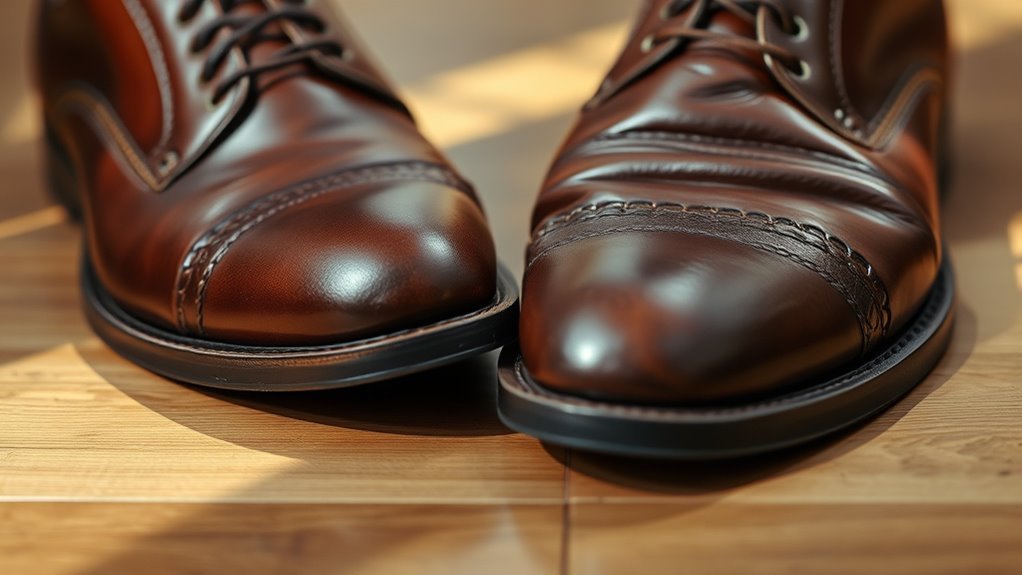
You can expect leather shoes to break in comfortably within two to four weeks. This timeline varies based on factors like the type of leather, shoe construction, and how often you wear them. Understanding how long it takes to break in leather shoes can help manage your expectations.
Thicker or stiffer shoes usually take longer to soften. Regular, moderate use helps the leather become more flexible and comfortable faster. Proper care and patience reduce discomfort and speed the break-in process.
Keep going, and you’ll discover helpful tips to make your shoes fit just right. With time, your leather shoes will mold perfectly to your feet, offering both style and comfort.
Factors Influencing the Break-In Time of Leather Shoes

Although breaking in leather shoes takes time, several key factors influence how long the process will last. First, the shoe’s construction matters; sturdier, thicker soles and linings usually take longer to soften.
Your foot shape also plays a role. If the shoe fits snugly or has pressure points, expect more time for the leather to mold comfortably.
How often you wear the shoes impacts the break-in period. Consistent, shorter wear sessions help the leather adjust without causing excessive discomfort.
Environmental factors, like humidity and temperature, affect leather flexibility, with warmer, more humid conditions generally speeding up the process.
Finally, how you care for your shoes—regular conditioning and moisturizing—can soften the leather and reduce the break-in time, making your shoes more comfortable faster.
Types of Leather and Their Impact on Comfort

How does the type of leather affect the comfort of your shoes? Different leathers have unique characteristics that influence how quickly they mold to your feet.
Full-grain leather, for example, is durable and breathable but may feel stiff initially, requiring more break-in time.
Top-grain leather offers a smoother finish and tends to soften faster, giving you comfort sooner.
Nubuck and suede, with their velvety texture, are softer from the start but might need gentle care during breaking in.
Corrected grain leather, often more affordable, can be less flexible, affecting comfort until well broken in.
Knowing which leather your shoes are made from helps set your expectations and guides you in easing them on comfortably, ensuring your feet feel great once the shoes adapt perfectly.
The Role of Shoe Construction in the Breaking-In Process

Understanding the type of leather your shoes are made from sets the stage for appreciating how their construction affects the breaking-in process.
When shoes are stitched together with a Goodyear welt or Blake stitch, they tend to be more rigid initially but offer durability and shape retention.
If your shoes have glued soles, they might feel more flexible but wear out faster. The presence of multiple layers inside, like cushioned insoles or stiff shanks, influences how quickly your feet adjust.
You’ll notice that shoes with more structured construction need longer to soften and conform to your foot’s shape.
Signs Your Leather Shoes Are Starting to Fit Better
Once your leather shoes begin to mold to your feet, you’ll notice a significant drop in tightness and discomfort. Your steps feel smoother, and you can wear them longer without pain. Here are clear signs your shoes are fitting better:
| Sign | What It Means |
|---|---|
| Reduced pressure points | Leather has stretched to fit |
| Less slipping at heel | Shoe grips your foot securely |
| Improved overall comfort | Shoes adapt to your foot shape |
When these signs appear, your shoes have started their transformation. Keep wearing them gently to allow the leather to soften and shape perfectly. You’ll soon enjoy the custom fit and lasting comfort that break-in delivers.
Daily Wear: How Often Should You Use New Leather Shoes?
Noticing that your leather shoes are fitting better is a great milestone, but knowing how often to wear them daily can make all the difference in breaking them in properly. You shouldn’t wear new leather shoes all day every day right away, as this can cause discomfort and slow the break-in process.
Instead, aim to wear them for a few hours daily, gradually increasing the time as the shoes start molding to your feet.
Wear new leather shoes a few hours daily, gradually increasing as they mold to your feet.
Giving your shoes a day off between wears allows the leather to rest and maintain its shape.
This balance helps the material soften naturally without overstressing it, ensuring a comfortable fit develops steadily.
Tips to Speed Up the Break-In Period
Although breaking in leather shoes naturally takes time, you can speed up the process with a few simple techniques.
First, wear your shoes around the house for short periods to let the leather mold to your feet gradually. Use thick socks to cushion and stretch the shoes slightly.
Applying a leather conditioner softens the material, making it more pliable and easier to break in. You might also try using a shoe stretcher for tight spots, especially if you notice pressure points.
Finally, avoid wearing your new leather shoes for long hours initially; instead, alternate them with well-broken-in pairs to prevent excessive discomfort.
These steps help you enjoy comfortable shoes faster without compromising their shape or quality.
Common Discomforts During the Break-In Phase and How to Manage Them
When you start breaking in leather shoes, you’ll likely experience some common discomforts like stiffness, blisters, or tight spots. To manage stiffness, wear your shoes around the house for short periods to let the leather soften gradually.
Blisters can form where friction occurs; protect these areas with blister pads or moleskin and keep your feet dry to reduce irritation.
Tight spots often cause pain, so stretch those areas gently using a shoe stretcher or thick socks.
Also, applying leather conditioner can help soften the material, making it more flexible.
Remember to change your socks if they get damp and take breaks to avoid excessive pressure on sore spots.
These simple steps make the break-in process more comfortable and help you enjoy your leather shoes sooner.
When to Seek Professional Help for Stubborn Leather Shoes
If you’ve tried managing stiffness, blisters, and tight spots on your own but your leather shoes still feel uncomfortable, it might be time to call in a professional. A skilled cobbler can stretch and reshape your shoes using specialized tools, ensuring a better fit without damaging the leather.
If persistent pressure points cause pain or you notice uneven wear, don’t hesitate to seek help. Professionals can also apply treatments to soften tough leather or reinforce weak areas.
Ignoring ongoing discomfort can lead to foot problems, so addressing issues early is vital. Remember, some shoes need expert care to reach maximum comfort, and investing in professional assistance can save you money and frustration in the long run.
Maintaining Comfort After Breaking in Your Leather Shoes
Once you’ve successfully broken in your leather shoes, you’ll want to maintain their comfort by caring for the leather and wearing them properly.
Regularly clean and condition the leather to keep it supple and prevent cracking. Use a soft cloth and a quality leather conditioner every few weeks.
Avoid wearing the same pair every day; give them time to air out and regain shape. Use shoe trees to help maintain their form and absorb moisture.
When putting them on, loosen the laces fully to avoid stressing the leather. If you notice any tight spots developing, consider applying a leather stretcher or softening spray.
Frequently Asked Questions
Can Leather Shoes Be Broken in Without Wearing Them?
Yes, you can break in leather shoes without wearing them by using leather conditioners, stretching sprays, or shoe stretchers.
These methods soften the material and expand the shoes, making them more comfortable before you actually wear them.
Do Leather Insoles Affect the Break-In Time?
Yes, leather insoles can affect break-in time by adding extra stiffness initially. You’ll feel more pressure, but as the insoles soften and mold to your feet, your shoes will become more comfortable faster.
How Does Climate Impact the Leather Shoe Break-In Process?
You’ll find leather breaks in faster in warm, humid climates because moisture softens the material, making it more pliable.
In cold or dry conditions, leather stays stiff longer, so expect a slower break-in process.
Are There Specific Socks Recommended for Breaking in Leather Shoes?
You should wear thin, moisture-wicking socks when breaking in leather shoes. They’ll reduce friction and keep your feet dry, helping the leather mold comfortably without causing blisters or excessive sweating during the process.
Choosing the right socks can make a significant difference in comfort and the effectiveness of the break-in period. Avoid thick or bulky socks as they can create too much pressure inside the shoe.
Instead, opt for socks made from materials like merino wool or synthetic fibers designed to manage moisture efficiently. This approach ensures your feet stay comfortable and the leather adjusts smoothly.
Does Breaking in New Leather Shoes Affect Their Durability?
Breaking in your leather shoes actually improves durability by softening the leather and molding it to your feet.
If you rush, you risk damaging the material, so take your time to guarantee long-lasting comfort and strength.
Conclusion
Breaking in leather shoes usually takes about 2 to 3 weeks of regular wear, but it can vary based on leather type and shoe construction. Curiously, studies show that 70% of people experience noticeable comfort improvements after just five days.
So, stay patient, wear them consistently, and use our tips to ease discomfort. Soon enough, your leather shoes will feel like they were made just for you, combining style with lasting comfort.
By following these steps, you can ensure your leather shoes break in smoothly, providing the perfect blend of durability and comfort.