What Is Imitation Leather? Definition, Materials & Uses Explained
You use imitation leather daily without noticing it’s synthetic, made from materials like polyurethane or PVC coated on fabric. Imitation leather mimics genuine leather’s look with printed textures but costs less and cleans easily.
Though durable and low-maintenance, it lacks real leather’s breathability and natural aging.
Found in furniture, car seats, and fashion, imitation leather offers versatility but comes with environmental concerns.
If you want to understand more about its development, uses, and impact, keep exploring.
Definition and Characteristics of Imitation Leather

What makes imitation leather so popular? You’ll find that synthetic leather, made from materials like polyurethane (PU) or polyvinyl chloride (PVC), offers a cost-effective alternative to genuine leather.
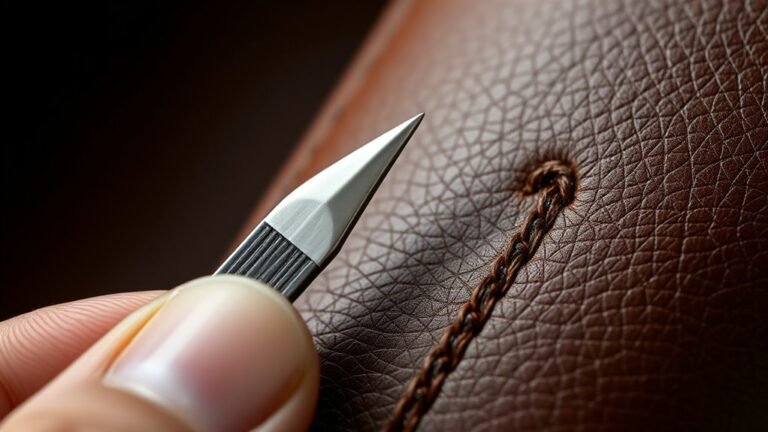
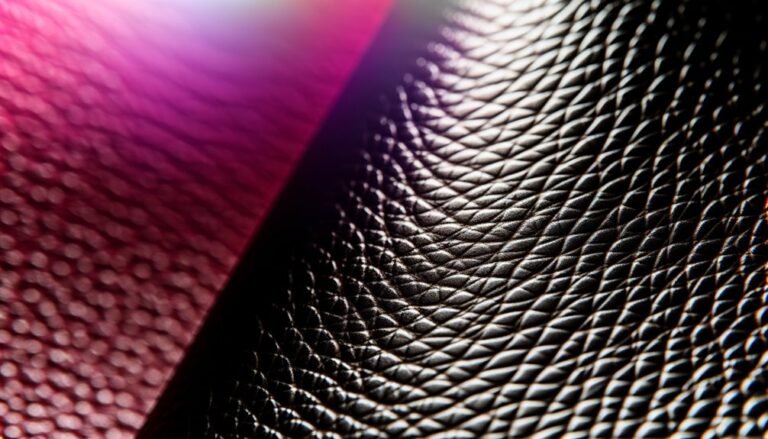
Imitation leather typically involves applying these plastic-based layers over a fabric backing, creating a durable material with a uniform surface. Unlike genuine leather, it often features a printed grain pattern rather than natural imperfections.
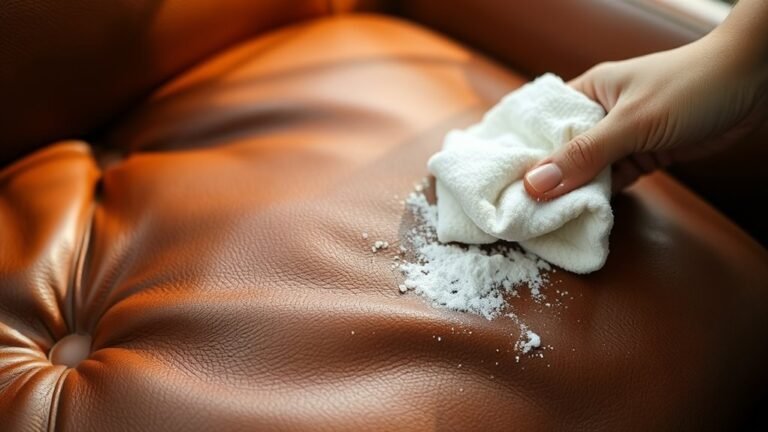
You’ll appreciate how easy it is to clean and its resistance to stains. The textured finish mimics the look and feel of real leather, but it usually lacks the breathability and aging qualities you get with genuine leather.
In short, imitation leather provides an affordable, low-maintenance option without sacrificing style.
Historical Development and Types
Although imitation leather has evolved markedly over the past two centuries, its origins trace back to early innovations like Presstoff, a layered paper pulp material developed in 19th-century Germany. You can see how the 1920s introduced Rexine in the UK, a cloth coated with nitrocellulose, widely used for upholstery.
Later, synthetic leather gained traction with poromerics, fibrous bases coated with plastics like polyurethane, created by DuPont in 1963, including Corfam shoes. Leatherette also became popular; it’s fabric covered with plastic, often used for bookbinding and accessories since the early 20th century.
Today, various types of imitation leather, from Presstoff’s early paper base to modern polyurethane coatings, demonstrate a rich history of innovation designed to mimic genuine leather affordably and sustainably.
Manufacturing Processes and Materials
You’ll find that imitation leather starts with a base fabric like polyester or cotton, which gets coated with materials such as polyurethane or PVC. The manufacturing process involves layering these coatings and adding textures to replicate natural leather’s look and feel.
Understanding these techniques helps you appreciate how synthetic leather achieves its durability and style.
Base Fabrics Used
Since the base fabric forms the foundation of imitation leather, choosing the right material is essential for its performance. Base fabrics provide textile support, impacting breathability, flexibility, and texture.
Typically, you’ll find cotton, polyester, or blends serving as the porous textile base. These fabrics are coated with polyurethane or polyvinyl chloride to create a durable synthetic leather surface.
Historically, materials like layered paper pulp and nitrocellulose-laminated cloth were used, but modern options include advanced microfibers for enhanced softness and durability.
When selecting base fabrics, consider these factors:
- Porosity and breathability
- Flexibility and strength
- Compatibility with polyurethane or polyvinyl chloride coatings
- Environmental impact and durability
This choice directly shapes the quality and feel of the finished imitation leather product.

Coating Materials Applied
After selecting a suitable base fabric, the next step involves applying coating materials like polyurethane (PU) or polyvinyl chloride (PVC) to transform the textile into imitation leather. You’ll spread these coatings onto porous fabrics such as cotton or polyester, creating a thin, flexible layer.
PVC coatings include plasticizers to boost flexibility, while polyurethane reacts with isocyanates for durability. Embossing adds texture, mimicking natural leather grain. Finally, finishing touches like coloring and polishing enhance the look and feel.
| Coating Material | Flexibility Additives | Surface Treatment |
|---|---|---|
| Polyurethane (PU) | Isocyanates | Embossing |
| Polyvinyl Chloride | Plasticizers | Embossing |
| Both | Base Fabric | Finishing |
Production Techniques Explained
How does imitation leather achieve its realistic look and feel? The production process carefully combines materials and techniques to mimic genuine leather’s texture and durability. Here’s how it works:
- A fabric base, like polyester or cotton, is coated with synthetic plastics such as polyurethane (PU) or polyvinyl chloride (PVC).
- The coated fabric undergoes embossing, where textured finishes are stamped or cast onto the surface to replicate natural leather grain.
- Layering and curing steps ensure durability and flexibility while retaining the embossed patterns.
- Innovative methods now produce vegan leather through biotechnological fermentation, reducing reliance on traditional plastic coatings.
Common Applications and Uses
When you look around, you’ll find imitation leather in many everyday items because it offers a cost-effective and durable alternative to genuine leather. Its applications span furniture upholstery, where it provides a cheaper, easy-to-clean option.
In automotive interiors, imitation leather covers seats and dashboards, valued for durability and water resistance. You’ll also spot it in fashion accessories like handbags, wallets, and shoes, thanks to its versatile colors and textures.
Clothing items, including jackets and skirts, often use imitation leather to keep costs down and simplify maintenance. Additionally, it’s popular in crafts for its lightweight feel and stain resistance.
Whether for upholstery, automotive interiors, fashion accessories, clothing, or crafts, imitation leather gives you style and practicality without the high price tag.
Environmental and Ethical Considerations
Why should you think twice before choosing imitation leather? The environmental and ethical considerations are significant. Here’s what you need to know:
- Imitation leather often contains hazardous chemicals like phthalates and formaldehyde, posing health hazards to you and ecosystems.
- Its production relies heavily on fossil fuels, contributing to environmental pollution and accelerating climate change.
- Made from non-biodegradable materials, faux leather persists in landfills for centuries, worsening long-term pollution.
- Ethical concerns arise from exploitative labor and environmental degradation in countries with weak regulations.
Additionally, burning PVC-based imitation leather releases toxic chemicals such as dioxins, adding to environmental pollution and health risks. Understanding these factors helps you make a more informed, responsible choice.
Comparison With Genuine Leather
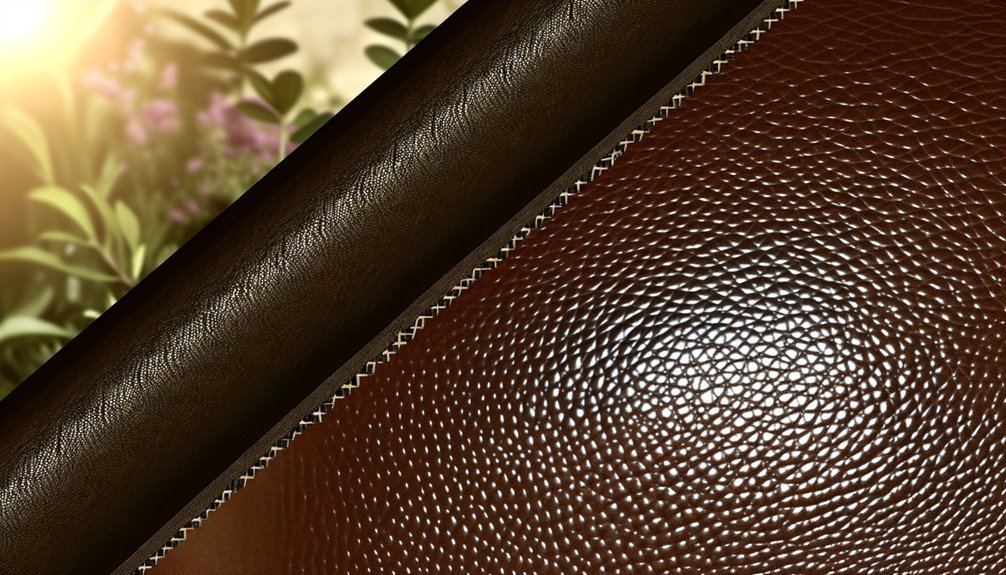
Although imitation leather aims to replicate the look and feel of genuine leather, you’ll quickly notice key differences in texture, durability, and aging. Genuine leather has a natural grain and fiber structure, while synthetic leather like PU or PVC-based artificial leather usually features a smooth, uniform surface that feels more like plastic or fabric.
Over time, genuine leather develops a rich patina, adding character, but imitation leather tends to crack and peel, showing wear more quickly without aging gracefully. When making your choice, consider that synthetic leather is less breathable and generally less durable than real leather.
Despite high-quality artificial leather’s convincing appearance, it won’t match genuine leather’s longevity or natural feel.

Frequently Asked Questions
What Is Imitation Leather Made Of?
Imitation leather is made of synthetic materials like polyurethane or PVC, often backed with fabric.
You’ll find it coated with plastic layers and embossed textures, sometimes incorporating recycled fibers, to mimic genuine leather’s look and feel.
What Is the Difference Between Leather and Imitation Leather?
Leather’s like a seasoned storyteller, showing character and aging gracefully, while imitation leather tells a uniform tale that fades quickly.
You’ll find leather breathes and lasts longer; imitation leather often cracks and feels plasticky.
How Long Does Imitation Leather Last?
Imitation leather usually lasts 3 to 5 years with regular use, but quality matters. You’ll see faster wear in cheaper types or PVC versions.
Keep it clean and avoid sun exposure to extend its life.
What Is the Meaning of Imitation Leather?
Imitation leather means a man-made material that looks and feels like real leather but isn’t. You’ll find it made from plastics like PVC or polyurethane, offering a cheaper and more eco-friendly alternative to genuine leather.
Conclusion
Imitation leather, like a chameleon, adapts to your needs without the ethical concerns of genuine leather. You’ll find it versatile, affordable, and stylish, fitting seamlessly into your life. Whether you’re choosing materials for fashion or furniture, knowing its characteristics and impact helps you make smarter choices.
So, next time you pick imitation leather, remember you’re opting for a practical, eco-friendlier alternative that doesn’t compromise on appearance or function. Imitation leather offers a cruelty-free, sustainable option that combines durability with style, making it a popular choice in today’s market. Embracing imitation leather means supporting ethical fashion and environmentally conscious living.