
How to Make Leather Shoes Not Squeak Quickly
To stop your leather shoes from squeaking quickly, start by identifying where the noise comes from. Flex and press different parts of the shoe to locate the source of the squeak. This initial step is crucial for effective troubleshooting.
Next, remove the insoles and dry out any moisture overnight using newspaper. Moisture often causes leather shoes to squeak, so ensuring they are dry is important.
Sprinkle baby powder or baking soda inside the shoes to reduce friction. Then, apply leather conditioner to soften stiff areas and tighten any loose parts like insoles or laces.
Gently lubricate seams with a silicone-based product to allow smoother movement. If the squeaking persists, there are more effective solutions you can try next.
Identify the Source of the Squeak

Where exactly is that annoying squeak coming from? To fix it, you first need to pinpoint the source. Slip your shoes off and listen carefully as you move them around.
Is the noise coming from the sole rubbing against the floor, the insole shifting inside, or the leather itself? Sometimes, squeaks happen because the shoe’s tongue or laces rub against the sides.
Press and flex different parts of the shoe to spot where friction occurs. Don’t forget to check if any loose parts or seams are causing the sound.
Once you identify the exact spot, you’ll know which method to use to stop the squeak. Getting this right saves you time and hassle in the next steps.
Dry Out Moisture Inside the Shoes

After pinpointing the source of the squeak, consider moisture trapped inside your shoes as a common culprit. Moisture can cause the leather and inner materials to rub and squeak.
Moisture trapped inside shoes often causes leather and inner materials to rub, leading to squeaking sounds.
To dry out your shoes effectively, try these methods:
Remove the insoles and let them air dry separately.
Stuff your shoes with newspaper to absorb moisture overnight.
Place your shoes in a well-ventilated area away from direct heat or sunlight.
Use a shoe dryer or fan to speed up the drying process.
Avoid wearing damp shoes, as this prolongs the moisture and squeaking. Keeping your shoes dry not only stops the noise but also preserves the leather’s quality and comfort.
Apply Powder to Reduce Friction

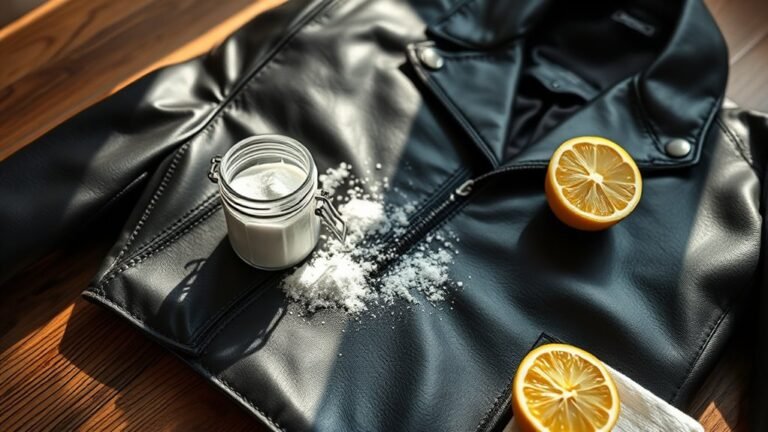
A simple way to reduce squeaking caused by friction inside your leather shoes is to apply powder. Sprinkle a small amount of baby powder, talcum powder, or even baking soda inside the shoe, focusing on areas where your foot rubs against the leather or insole.
This powder acts as a dry lubricant, cutting down on moisture and minimizing friction that leads to squeaks.
After applying, shake out any excess powder to avoid discomfort.
You can also lightly dust the seams and tongue where rubbing often occurs. Be sure to reapply the powder regularly, especially after wearing your shoes in wet conditions.
This quick fix is effective and easy, helping you enjoy quiet steps without major repairs or treatments.
Use Leather Conditioner for Softening
If your leather shoes feel stiff and creaky, applying a leather conditioner can help soften the material and reduce squeaking. Conditioner restores moisture, making the leather more flexible and less prone to noise caused by friction.
Leather conditioner softens stiff shoes, restoring moisture and reducing squeaks caused by friction for quieter steps.
Here’s how to use it effectively:
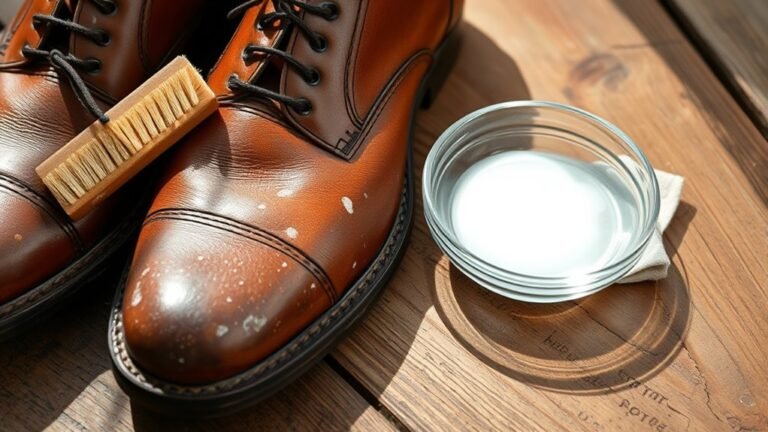
Clean your shoes with a soft brush or cloth before applying conditioner.
Choose a conditioner suitable for your leather type to avoid damage.
Apply a thin, even layer using a clean cloth, focusing on areas that flex while walking.
Let the conditioner absorb fully, then buff gently for a smooth finish.
Regular conditioning keeps your shoes supple, preventing stiffness that leads to squeaks. Make this a part of your shoe care routine to enjoy quiet, comfortable steps.
Tighten Loose Shoe Components
When your leather shoes squeak, loose components like insoles, heels, or eyelets often cause the noise. Check for any parts that shift or wiggle when you move.
Start by removing the insoles and pressing them back firmly into place; if they’re worn out, replace them for a snug fit.
Inspect the heels and tighten any screws or nails securing them. Loose heels can create annoying sounds.
For eyelets, ensure the laces fit tightly and aren’t causing friction by moving too freely.
If you notice any gaps or parts that feel unstable, use a small amount of adhesive designed for shoes to secure them.
Lubricate Problem Areas Gently
Although tightening loose components often stops squeaks, stubborn noises may persist in hidden spots. To tackle these, gently lubricate the problem areas to reduce friction and silence those squeaks. Use a small amount of lubricant to avoid damaging the leather or stitching.
Here’s how you can do it effectively:
Apply a drop of silicone-based lubricant or leather conditioner on the seams and joints.
Use a cotton swab to spread the lubricant evenly in tight spaces.
Avoid oil-based lubricants, which can stain or weaken the leather.
Let the lubricant absorb fully before wearing the shoes again.
Seek Professional Repair if Needed
Should your efforts to stop the squeaking fall short, don’t hesitate to seek professional repair. A skilled cobbler can quickly diagnose the root cause, whether it’s worn-out insoles, loose components, or damaged soles.
They have specialized tools and materials that you likely don’t, ensuring the fix is both effective and durable. Trying to patch complex issues yourself might worsen the problem or damage the shoe further.
Plus, professionals can replace parts or add cushioning that reduces friction and noise. Investing in expert repair can save you money in the long run by extending your shoes’ lifespan.
Frequently Asked Questions
Can Wearing Different Socks Reduce Shoe Squeaking?
Yes, wearing different socks can reduce shoe squeaking. Thicker or moisture-wicking socks create better cushioning and reduce friction inside your shoes, helping to minimize the noise.
Try experimenting with materials like cotton or wool for best results.
Does the Type of Shoe Sole Affect Squeaking?
Imagine walking on a smooth wooden floor—a rubber sole grips quietly, while hard leather soles often squeak.
Yes, the sole type affects squeaking; softer, textured soles usually reduce noise compared to slick, rigid ones.
How Often Should I Clean My Leather Shoes?
You should clean your leather shoes every 1-2 weeks, depending on wear. Regular cleaning removes dirt and moisture, preventing damage and squeaks.
Always condition them afterward to keep the leather soft and supple.
Can New Shoes Squeak More Than Old Ones?
Yes, new shoes can squeak more than old ones because the materials are stiffer and less broken in.
As you wear them, they’ll soften and the squeaking usually decreases over time.
Does Humidity Impact Shoe Squeaking?
Humidity definitely impacts shoe squeaking—it can make your shoes sound like a symphony of squeaks! When moisture gets trapped, leather and soles slip more, so keeping them dry helps you avoid that annoying noise quickly.
Conclusion
Don’t let squeaky leather shoes steal your spotlight—treat them like a whispered secret waiting to be heard only when you want. By drying moisture, smoothing friction with powder, and softening leather with conditioner, you’re tuning your shoes to a silent symphony.
Tighten and lubricate those tricky spots, and if needed, call in a pro to perfect the performance. Soon, your shoes will glide quietly, letting you step confidently without a single squeak stealing the show.
To make leather shoes not squeak quickly, these simple steps are essential. Proper care ensures your shoes remain comfortable and silent for longer, making your every step smooth and confident.