How Do Bed Bugs Get in Leather Couches?
You often get bed bugs in your leather couch by bringing them home on luggage, clothing, or secondhand furniture from infested places. These pests are notorious for hiding in seams, creases, and cushions, attracted by your body heat and carbon dioxide. Understanding how bed bugs get in leather couches is essential to preventing an infestation.
Used furniture is a common way they sneak in, carrying eggs or bugs you can’t easily see. They can cling to your belongings unnoticed and make their way into your living space. Spots, bites, and unusual odors can tip you off to their presence.
Keep following to discover how to spot and stop these pests before they take over your furniture and home. Taking early action can save you time, money, and stress in the long run.
Common Ways Bed Bugs Enter Homes

Although bed bugs are tiny, they can sneak into your home in several common ways. You might unknowingly bring them in on luggage after a trip, as these pests love hiding in hotel rooms.
Bed bugs often hitch a ride on luggage after trips, hiding in hotel rooms undetected.
Used furniture, especially sofas and beds, often harbor bed bugs, so inspect items carefully before bringing them inside.
Visitors or household members who’ve had recent exposure to infested places can also carry bed bugs on their clothes or personal belongings.
Even small cracks and crevices near windows, doors, or baseboards provide entry points for these hitchhikers.
Being aware of these common routes helps you take proactive steps, like carefully checking items and sealing entry points, to prevent bed bugs from invading your living space in the first place.
How Bed Bugs Locate Leather Furniture

When bed bugs enter your home, they rely on their keen senses to find a suitable place to hide, and leather furniture often becomes a prime target. These pests detect the carbon dioxide you exhale and the warmth your body emits, guiding them toward your couch.
Leather’s smooth surface and tight seams create cozy cracks where bed bugs can easily settle. They also sense your body heat through the couch, making it an inviting spot to feed.
Because leather furniture is often placed in common living areas, bed bugs have frequent opportunities to access these hiding spots. Understanding how they locate leather couches helps you stay vigilant and reduces the chances of a full-blown infestation hiding right in your living room.
Entry Points on Leather Couches

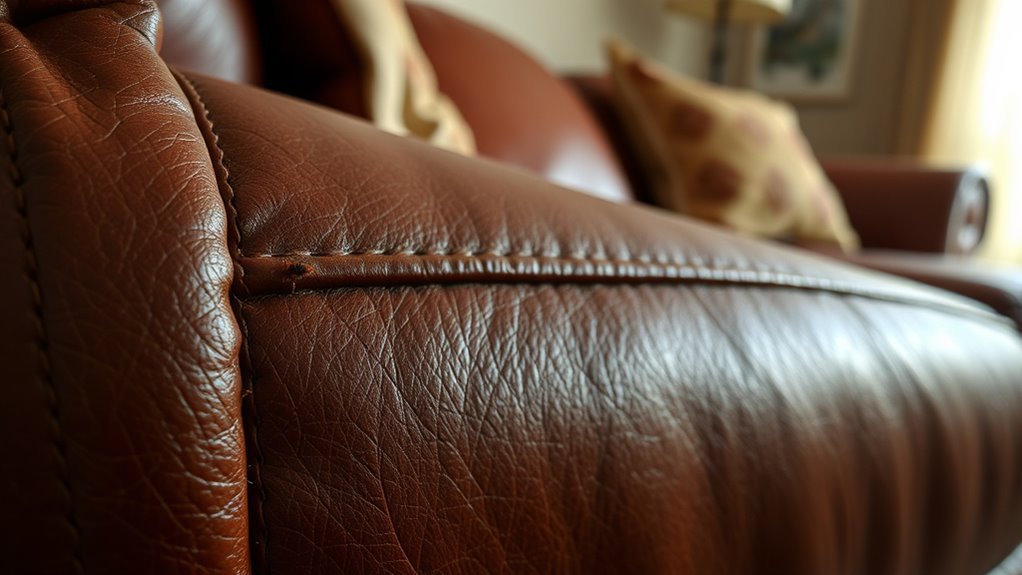
Since bed bugs are tiny and skilled at squeezing into narrow spaces, they often exploit the seams, crevices, and stitching on leather couches as entry points. You’ll find them hiding where cushions meet or along the edges where the leather tacks or staples are placed.
Don’t overlook the folds and wrinkles in the leather, either. These create perfect hiding spots.
Bed bugs also slip into small gaps under cushions and behind the couch’s frame.
If your leather couch has any tears or loose fabric, those damaged areas become easy access points for bed bugs.
The Role of Used Furniture in Bed Bug Infestations
If you bring a used leather couch into your home, you might unknowingly introduce bed bugs along with it. These pests often hide in cracks, seams, and under cushions, making secondhand furniture a common source of infestation.
Before you settle on that bargain, consider these risks:
- Bed bugs can cling to upholstery fibers and leather folds.
- Used furniture may have hidden eggs or nymphs invisible to the naked eye.
- Transporting the couch from infested locations spreads bugs to your home.
- Bed bugs thrive in dark, undisturbed spots often found in old furniture.
- Treating infested furniture is difficult and sometimes ineffective.
Always inspect and, if possible, treat used leather couches to avoid turning your home into a bed bug haven.
Signs of Bed Bug Presence on Leather Couches
Although bed bugs are experts at hiding, you can still spot signs of their presence on leather couches if you know what to look for. Check for small, rusty or reddish stains on the leather surface. These are often bed bug excrement.
Look for small rusty or reddish stains on leather couches—these often signal bed bug excrement.
Tiny white eggs or shed skins in creases and seams also indicate infestation. You might notice a musty, sweet odor near the couch, which bed bugs emit.
Inspect the couch’s folds, cushions, and underneath for live bugs. They’re small, about the size of an apple seed, and reddish-brown.
Pay attention to unexplained itchy bites on your skin after sitting on the couch. Recognizing these signs early helps you address the problem before it spreads further in your home.
Preventative Measures to Keep Bed Bugs Away
To keep bed bugs from invading your leather couch, you need to take proactive steps that reduce their chances of settling in. Regularly inspect your couch, especially seams and crevices, to catch any early signs. Keep the area clean and clutter-free to limit hiding spots.
When returning from travel, immediately check and isolate luggage. Consider protective covers designed to block bed bugs.
Finally, maintain good hygiene in your home environment to discourage infestations.
Vacuum your leather couch thoroughly every week. Avoid bringing in used furniture without inspection. Seal cracks and crevices near your couch.
Use mattress and furniture encasements. Launder couch covers and nearby fabrics regularly.
Frequently Asked Questions
Can Bed Bugs Survive on Leather for Long Periods Without Feeding?
No, bed bugs can’t survive on leather for long without feeding. They need blood to live, so while they might hide in leather couches, they’ll eventually leave if they don’t find a host to feed on.
Are Certain Types of Leather More Attractive to Bed Bugs?
Like moths to a flame, bed bugs aren’t particularly attracted to certain leather types. You won’t find them favoring one over another; they seek warmth and blood, not leather textures or finishes.
Do Bed Bugs Cause Damage to Leather Material?
Bed bugs don’t cause direct damage to leather material, but their presence can lead to stains from fecal spots and molted skins.
You’ll want to address infestations quickly to protect your leather’s appearance and hygiene.
Can Professional Fumigation Harm Leather Couches?
No, professional fumigation won’t turn your leather couch into a haunted relic—unless you want it to. They use targeted treatments, so you can rest easy while they evict bed bugs without damaging your furniture.
Is It Safe to Use DIY Pesticides on Leather Furniture?
You shouldn’t use DIY pesticides on leather furniture because they can damage the material’s finish and cause discoloration.
Instead, opt for gentle cleaning methods or consult professionals to safely treat any infestations without ruining your leather.
Conclusion
You might think bed bugs would never dare invade your sleek leather couch, but they’re like tiny ninjas, slipping in through the smallest cracks or hitching a ride on used furniture. These pests are experts at hiding in seams, folds, and even the tiniest crevices of leather upholstery.
Ignoring them is like inviting an army of microscopic invaders to throw a wild party in your living room. They can quickly multiply and spread, making leather couches a surprisingly common hiding spot.
Stay vigilant, check your furniture regularly, and take preventative measures—because once bed bugs settle in, they’re nearly impossible to evict! Understanding how bed bugs get in leather couches is the first step to effective prevention and control.