Can You Use Clorox Wipes on Leather? What You Need to Know
You shouldn’t use Clorox wipes on leather because their harsh chemicals, like bleach and alcohol, strip away the natural finish and dry out the material. Using Clorox wipes on leather can cause brittleness, cracks, and uneven discoloration.
This significantly shortens your leather’s lifespan.
Instead, opt for pH-balanced leather cleaners and conditioners to keep it soft and protected. These products help maintain the leather’s natural oils and finish without causing damage.
If you want to make sure your leather stays looking great and lasts longer, you’ll find helpful tips and safer cleaning alternatives ahead.
Understanding Different Types of Leather

What makes different types of leather unique? Full-grain leather stands out because it’s made from the outermost layer of animal hide, preserving natural fibers that give it durability and a distinctive look. This leather type develops a rich patina over time, unlike corrected or bonded leather.
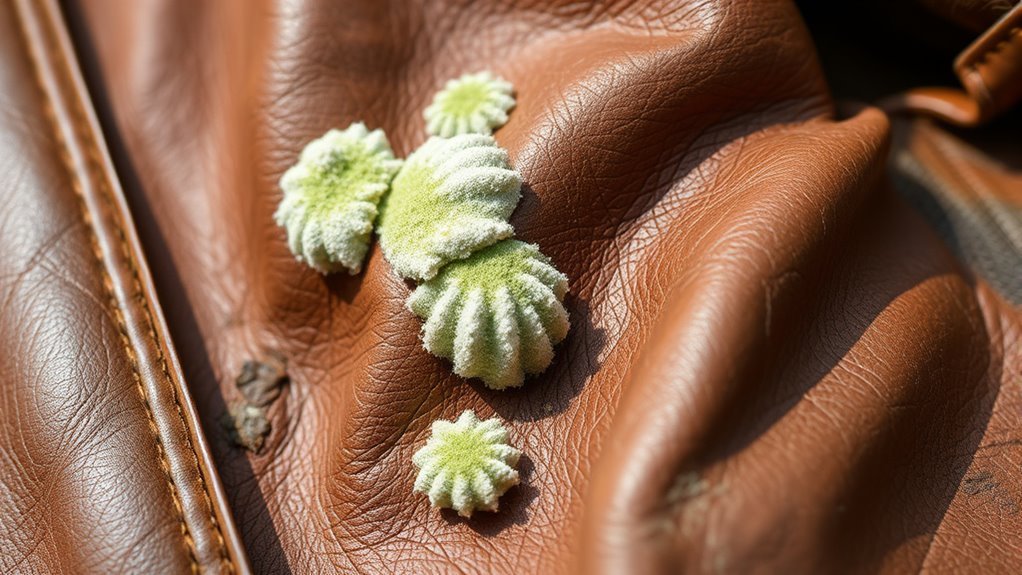
When you’re dealing with various leather types, including vegan options like cactus leather, it’s essential to use the right leather care products. Proper maintenance means choosing suitable cleaning products and avoiding harsh disinfectant wipes that can damage the material.
Understanding your leather’s specific needs helps you keep it looking great and lasting longer. So, always identify the leather type first before applying any cleaning or disinfecting method for the best results.
Why Clorox Wipes Are Harmful to Leather

Although Clorox wipes seem convenient for cleaning, they contain harsh chemicals like alcohol and bleach that can seriously damage your leather. These substances strip away the natural finish and protective coatings, causing the leather to dry out and become brittle.
Over time, this leads to cracks and an uneven discoloration that ruins your leather’s appearance. The alcohol also accelerates aging, reducing durability and lifespan. Using Clorox wipes directly risks irreversible damage to both look and structure.
| Effect | Cause |
|---|---|
| Drying out | Harsh chemicals |
| Cracks & brittleness | Loss of protective coating |
| Discoloration | Stripping dyes & finish |
| Accelerated aging | Alcohol content |
| Reduced durability | Damage to leather fibers |
Safe Cleaning Methods for Leather Surfaces

Since Clorox wipes can harm leather, you’ll want to choose cleaning methods that protect its natural finish and durability. Avoid disinfecting wipes, which often contain harsh chemicals that cause damage like cracking and discoloration.
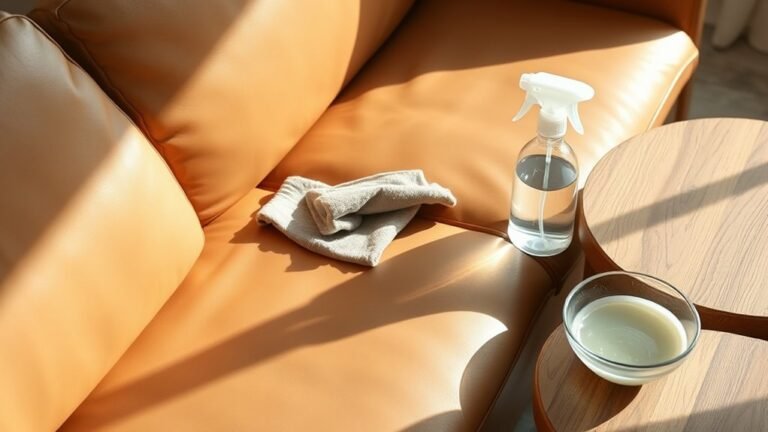
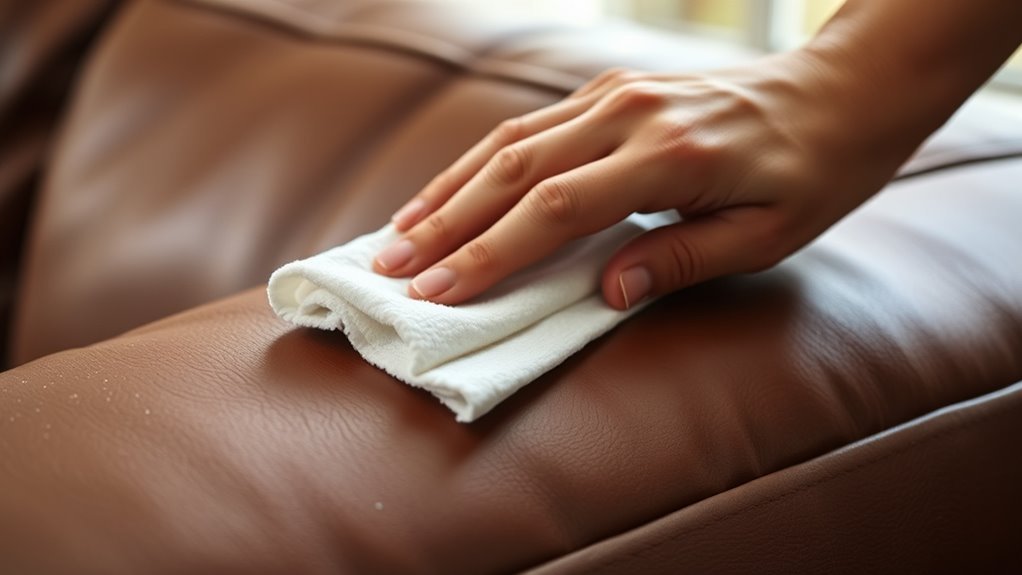
Instead, use a pH-balanced, non-toxic leather cleaner designed specifically to clean leather surfaces gently. Dampen a microfiber cloth and apply the cleaner to wipe down the leather carefully, steering clear of abrasive or chemical-laden products.
This method keeps the leather’s protective coatings intact, preventing stains and wear. Don’t forget regular conditioning to maintain moisture and flexibility, ensuring your leather looks and feels great over time.
Proper Disinfection Alternatives for Leather
When you need to disinfect leather, choosing the right products is essential to avoid damage. Avoid Clorox wipes and similar harsh disinfectants since they contain bleach and alcohol that can dry out and crack leather. Instead, use disinfectants specifically formulated for leather surfaces or mild, pH-balanced leather cleaners.
For routine cleaning, gently wipe leather with a damp microfiber cloth to reduce germs without harming the material. If you want to sanitize, you can carefully use a diluted 70% isopropyl alcohol solution applied sparingly with a soft cloth, but always test it first on a hidden area.
Tips for Maintaining and Protecting Leather Items
To keep your leather items looking their best, you should use pH-balanced, leather-specific cleaners and conditioners regularly. These products help maintain moisture and flexibility, preventing damage.
When you clean and sanitize your leather item, avoid using harsh chemicals like bleach or alcohol-based products, including Clorox wipes on leather, as they can dry out and harm the surface. Instead, tackle spills immediately with a dry cloth and use gentle, non-abrasive tools for cleaning tasks.
Protect your leather from direct sunlight and heat sources to prevent fading and cracking. Applying a leather conditioner periodically preserves softness and adds a protective barrier against stains.
Frequently Asked Questions
Do Clorox Wipes Affect Leather?
Yes, Clorox wipes can damage your leather by drying it out, causing discoloration, and cracking. You shouldn’t use them because their harsh chemicals strip away the protective finish, reducing your leather’s lifespan considerably.
What Wipes Are Safe on Leather?
Like a gentle breeze, leather-specific wipes clean without harm. You’ll want wipes labeled safe for leather, with pH-balanced, non-abrasive ingredients.
Always test first on a hidden spot to avoid unwanted damage or discoloration.
What Can You Use to Clean Leather?
You can clean leather using pH-balanced leather cleaners or mild soap diluted in water. Use a soft, damp microfiber cloth, gently wipe in circles, and always test a small spot first to avoid damage or discoloration.
Conclusion
Think of your leather as a delicate garden—using Clorox wipes is like pouring harsh chemicals on tender flowers; it might seem effective but will cause lasting damage.
Instead, treat your leather with gentle care, choosing safe cleaners and proper disinfectants to help it thrive. By nurturing your leather thoughtfully, you’ll keep it looking vibrant and strong, just like a well-tended garden that blooms season after season.
Protect it, and it’ll reward you. When considering whether you can use Clorox wipes on leather, remember that they are generally too harsh and can harm the material. Opt for products specifically designed for leather care to maintain its beauty and durability.