How to Stop Leather Shoes from Squeaking: Easy Fixes That Work
You can stop your leather shoes from squeaking by addressing moisture and friction inside. Squeaky leather shoes are often caused by dampness or rubbing between parts of the shoe.
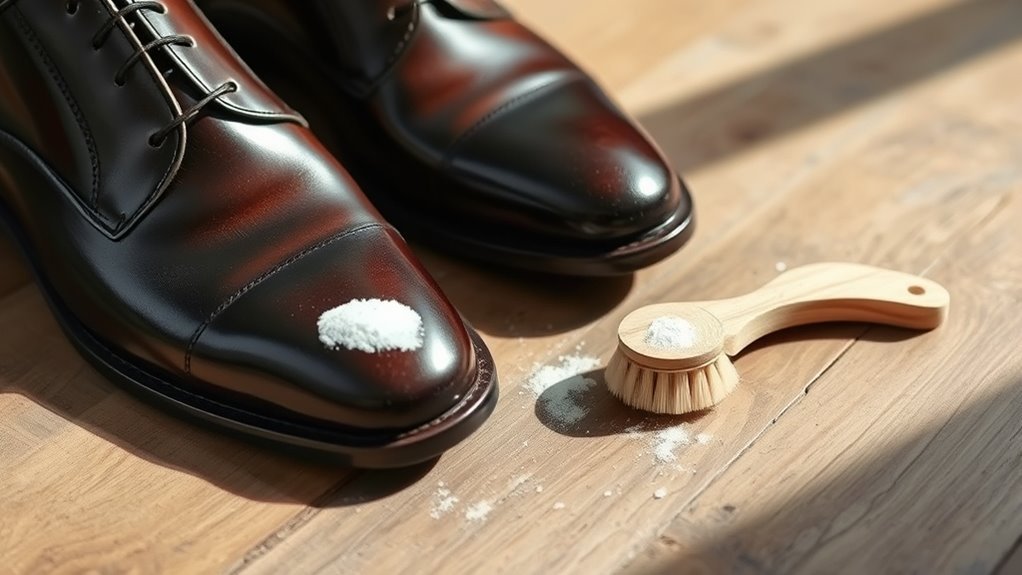
First, sprinkle talcum or baby powder under the insoles to absorb moisture and reduce rubbing.
Make sure your shoes fit well to prevent internal shifting, and break them in gradually to soften the leather.
Regularly condition the leather to keep it supple and prevent stiffness.
If you want to explore more ways to keep your shoes quiet and comfortable, there are additional simple tricks you can try.
Common Causes of Squeaking in Leather Shoes

While you might not expect it, several common issues can cause your leather shoes to squeak. One main culprit is friction. If your shoes don’t fit well, the leather can rub against the sole or lining, creating noise.
New leather shoes often squeak because they’re stiff and need a proper break-in period to soften and conform to your feet. Moisture also plays a role; when leather absorbs humidity, it expands, increasing friction and leading to squeaking.
Loose insoles can shift inside the shoe, rubbing against the leather lining and causing unwanted sounds. Additionally, poor support from low-quality leather or flawed construction can make your shoes prone to squeaking. Understanding these causes helps you tackle the problem effectively.
How to Identify the Source of the Squeak

Knowing what causes your leather shoes to squeak is only part of the solution. You also need to pinpoint exactly where the noise comes from. Start by listening closely as you walk, then inspect key areas.
Squeaks often arise from friction between the leather upper and sole, or internal rubbing of insoles and lining. Moisture trapped inside can worsen creaking sounds. Check for loose parts like heel cups that may creak when moved.
| Possible Source | Cause of Squeak | How to Check |
|---|---|---|
| Leather Upper & Sole | Friction between layers | Flex shoe, listen for sound |
| Insoles & Lining | Internal rubbing or moisture | Remove insoles, inspect lining |
| Sole & Outsole | Rubbing against ground | Walk on different surfaces |
Identifying the exact source helps target the fix effectively.
Breaking in New Leather Shoes to Reduce Noise

When you first get new leather shoes, wearing them around the house for short periods helps soften the leather and reduce squeaks.
You can also flex and bend the shoes before wearing them to loosen stiff seams. Applying a leather conditioner during this break-in phase keeps the material supple and quiet as it molds to your feet.
Gradual Wear Process
Because new leather shoes start off stiff and unshaped, they often squeak until they break in. To reduce noise, focus on wearing gradually. Start with short periods each day.
This gradual break-in allows the leather to soften and conform to your foot’s unique shape. As the material becomes more flexible, it decreases internal friction, which is a common cause of squeaking.
Walking on different surfaces during this process helps loosen internal seams and further aids in softening the leather shoes. Over time, consistent use lets the leather adapt, reducing noise naturally without forcing or overstressing the shoes.
Leather Softening Techniques
Beyond simply wearing your leather shoes gradually, you can speed up the softening process with a few targeted techniques. Start by flexing shoes manually to loosen stiff seams and reduce creaking before you even put them on.
Apply leather conditioning or a quality leather treatment like mink oil to penetrate the fibers, promoting softer leather and minimizing internal friction that causes squeaks. Remember, moisture control is vital—avoid over-saturating the leather to prevent damage.
During the breaking in shoes phase, wear thick socks to cushion your feet and help the leather conform to your shape. Regular shoe softening through these steps accelerates comfort and reduces noise, making your new leather shoes quieter and more enjoyable to wear much sooner.
Using Powders to Absorb Moisture and Reduce Friction
You can use talcum powder, baby powder, or cornstarch to keep your leather shoes quiet by absorbing moisture and reducing friction. Sprinkle a light layer inside your shoes, especially under the insoles, for the best effect. Doing this regularly helps maintain a comfortable, squeak-free fit.
Powder Types for Shoes
A light dusting of powders like talcum, baby powder, or cornstarch can work wonders to stop leather shoes from squeaking. These powders absorb moisture inside the shoe’s interior, keeping it dry and preventing materials from swelling, which often causes noise.
Talcum powder and baby powder are finely milled, making them excellent at reducing friction between your foot, insole, and lining. Cornstarch works similarly and is a great natural alternative.
By applying a thin layer, you minimize internal rubbing that leads to squeaks without damaging the leather or soles. Remember, powders help maintain a dry environment, so reapplying them regularly, especially after your shoes get damp, ensures lasting quietness.
Using these powders is a simple, non-invasive way to keep your leather shoes silent and comfortable.
Application Methods Explained
Applying powders like talcum or baby powder inside your leather shoes requires some care to get the best results. First, remove the insoles to guarantee even powder application and prevent clumping.
Sprinkle a thin layer of powder on the shoe’s interior, focusing on seams and contact points where friction is highest. This helps absorb moisture and keeps the surfaces dry, reducing squeaks caused by rubbing.
After applying, reinsert the insoles carefully. You’ll want to repeat this process regularly, especially in humid or wet conditions, to maintain dryness and prevent moisture buildup.
Proper powder application minimizes internal friction safely without damaging the leather, making it an effective and inexpensive way to stop your shoes from squeaking.
Benefits of Powdering
How exactly does powdering help keep your leather shoes quiet? Powdering absorbs residual moisture inside your leather shoes, which is a common cause of squeaking. By tackling this moisture, powders create a dry barrier that prevents internal friction between the insole and lining.
This friction is often what leads to those annoying rubbing noises when you walk. Regular moisture absorption through powdering not only reduces squeaking but also helps keep the leather supple and comfortable.
However, be careful not to over-powder, as buildup can attract dirt and ironically increase noise and discomfort. Applying powder evenly and reapplying after exposure to moisture ensures your shoes stay dry and quiet, making powdering a simple yet effective way to maintain your leather shoes and enjoy a squeak-free stride.
Conditioning Leather to Soften and Prevent Squeaks
Because leather stiffens and dries over time, regularly conditioning your shoes is essential to prevent squeaks. Applying a quality leather conditioner softens leather, restoring its natural moisture balance and making it more flexible.
Use a soft cloth to work the conditioner into areas prone to creasing and rubbing, where stiffness often leads to noise. Conditioning shoes not only prevents squeaks but also helps maintain suppleness, ensuring the leather stays elastic and less prone to cracking.

Fixing Squeaky Insoles and Interior Friction
Keeping your leather soft helps reduce squeaks, but sometimes the noise comes from inside the shoe. To fix squeaking insoles and interior friction, you can remove the insoles and sprinkle talcum powder or cornstarch between the insole and shoe interior. This reduces rubbing that causes squeaks.
Also, apply petroleum jelly to contact points inside to lubricate surfaces. Make sure insoles fit snugly. Loose insoles increase friction. Replacing worn insoles with cushioned insoles can further reduce squeaks.
Regular cleaning insoles and drying them keeps surfaces smooth and noise-free.
| Action | Purpose | Result |
|---|---|---|
| Remove insoles | Reduce interior friction | Quieter leather shoes |
| Apply petroleum jelly | Lubricate contact points | Minimize squeaking insoles |
| Use cushioned insoles | Ensure snug fit | Prevent shifting noise |
| Clean insoles | Remove buildup | Maintain smooth interior |
| Sprinkle powder | Cut friction | Effectively reduce squeaks |
Addressing Squeaky Rubber Soles and Outsole Maintenance
When rubber soles squeak on smooth surfaces, it’s usually due to friction between the sole and the ground. To reduce squeaking, start by cleaning the outsole with a damp cloth to remove dirt and debris that can increase friction.
Make sure the outsole is completely dry before wearing your shoes, as moisture can cause the rubber to expand or stick, leading to more noise. If squeaking persists, gently rub grit sandpaper or a rough cloth across the outsole to create a textured surface, which helps minimize friction.
You can also sprinkle a small amount of baby powder or talcum powder on the outsole to further reduce friction and noise. By properly maintaining the outsole and addressing friction, you can effectively stop squeaky rubber soles.
Tips on Proper Shoe Care to Prevent Future Squeaking
After tackling squeaky soles, you’ll want to focus on proper shoe care to prevent future noise. Regularly clean and condition your leather shoes using suitable products to keep the material supple and reduce stiffness that causes squeaking.
Always dry them at room temperature after exposure to moisture, avoiding direct heat sources that can stiffen the leather. Apply a light coat of conditioner or saddle soap periodically to maintain flexibility and minimize internal friction.
Pay attention to the fit. Well-fitted shoes reduce unnecessary movement and friction that lead to squeaking. For storage, keep your shoes in a cool, dry place with good ventilation to prevent moisture buildup.
Following these shoe care tips will help you prevent squeaking and extend your leather shoes’ lifespan.

Frequently Asked Questions
How Can I Stop My Shoes From Squeaking When I Walk?
You can stop your shoes from squeaking by applying talcum powder inside, ensuring a proper fit, lubricating under the insoles with petroleum jelly, breaking them in gradually, and replacing worn insoles to reduce friction and noise.
What to Put on Leather Shoes to Stop Squeaking?
To hush your leather shoes, you can gently apply petroleum jelly, coconut oil, or a silicone-based lubricant on seams and contact points.
Using talcum powder inside also helps keep things quiet and comfortable while you walk.
Will WD-40 Stop My Shoes From Squeaking?
WD-40 might stop your shoes from squeaking temporarily, but it can damage leather and stain fabric. You’d be better off using specialized shoe lubricants or conditioners designed to protect and quiet your leather shoes safely.
How to Quiet Squeaky Leather?
Like silencing a creaky old door, you can quiet squeaky leather by gently conditioning it and dusting inside with baby powder. Break them in gradually, keep them clean, and avoid moisture to keep noise at bay.
Conclusion
You might think fixing squeaky leather shoes takes too much time or effort, but it’s actually pretty simple and worth it. By identifying the source and using easy tricks like powders, conditioning, or adjusting insoles, you can enjoy quiet, comfortable shoes without hassle.
Plus, regular care prevents future noise and extends your shoe’s life. Give these tips a try—you’ll be surprised how quickly your shoes stop squeaking and start feeling great.
In conclusion, following these methods to stop leather shoes from squeaking not only brings peace and comfort but also helps maintain the quality and durability of your footwear. Take the time to care for your leather shoes, and enjoy a squeak-free walking experience.