
How to Stretch Out Leather Boots Calves: Easy DIY Methods
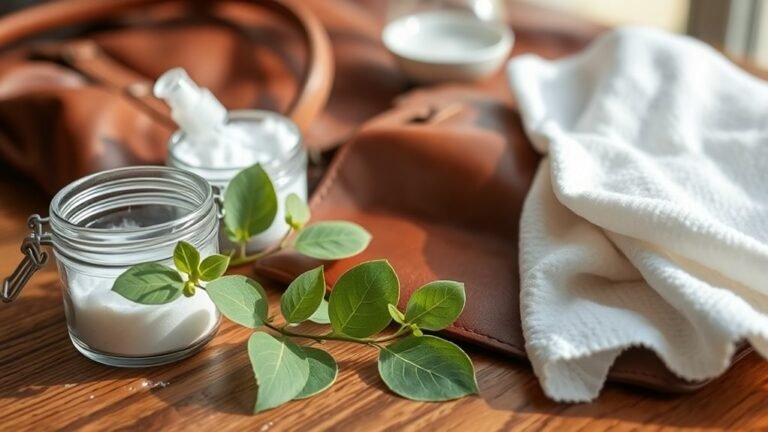
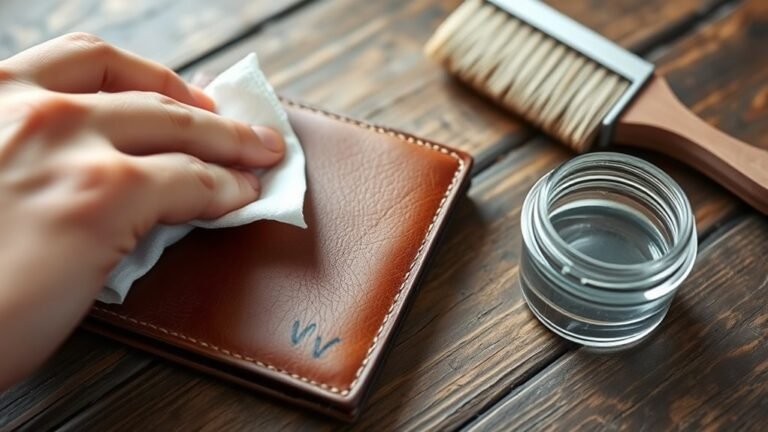
To stretch out the calves of your leather boots, start by cleaning the boots thoroughly. Applying a leather conditioner or a stretch spray helps soften the material, making it easier to work with. These steps are essential for effective leather boot calf stretching.
Next, use a boot calf stretcher or insert thick socks or foam padding to target the tight areas around the calves. Gently warming the leather with a blow dryer can also loosen the fibers, especially when combined with moisture.
This combination helps the leather stretch more comfortably. After stretching, leave the boot stretcher or padding in place for several hours or overnight to maintain the expanded shape.
Following these DIY tips and care methods ensures a perfect fit without damaging your leather boots.
Preparing Your Leather Boots for Stretching

Before you start stretching your leather boots, make sure to clean and condition them thoroughly. Use a high-quality leather conditioner or stretch spray to soften the material, which helps prevent cracking during stretching. Avoid water and submerging the boots, as this can damage the leather.
Once clean and dry, apply leather softener or stretch spray evenly inside and outside the boots to increase flexibility. Next, use a blow dryer on low heat to warm the leather slightly, making it easier to stretch. Although a boot stretcher is handy later, this preparation guarantees the leather is pliable and ready.
Finally, wear thick socks and walk around in the boots after softening to help the leather mold gradually to your calves.
Using Boot Calf Stretchers and Leather Softener

When you want to stretch the calves of your leather boots effectively, using a boot calf stretcher combined with leather softener can make a significant difference. Leather is a natural material that relaxes better with softener, aiding shoe stretching.
Spray the inside and outside, insert the calf stretcher, crank it to the desired tension, and leave overnight. Repeat gradually to stretch boots comfortably, especially around the boot calf and throat.
| Step | Action | Purpose |
|---|---|---|
| 1 | Apply leather softener | Soften leather fibers |
| 2 | Insert calf stretcher | Position tool inside boot calf |
| 3 | Crank stretcher | Expand boot calf and shaft |
| 4 | Leave overnight | Allow leather to stretch gently |
| 5 | Repeat gradually | Achieve desired fit |
Applying Leather Stretching Spray for Gradual Expansion

Although leather calf stretchers provide mechanical expansion, applying a leather stretching spray helps relax the fibers gently, making your boots more pliable. To start, test the leather stretching spray on a small, hidden area to avoid discoloration.
Then, evenly apply spray to the inside of the boot where the calf feels tight. This softens the leather, allowing you to stretch the leather more easily without causing damage. Put on the boots immediately after application and wear them until dry.
Repeating this process encourages gradual expansion, increasing comfort around your calves over time. Using the spray alongside other methods optimizes calf expansion, making your boots fit better without harsh stretching.
This gradual method ensures the leather adapts naturally and retains its quality.
DIY Methods for Stretching Boots Without Stretchers
If you don’t have a leather stretcher on hand, you can still gently expand your boots’ calves using simple household items. Start by stuffing the calf area with tightly rolled newspaper or thick socks to gradually stretch leather boots over several days.
Another effective method is filling resealable plastic bags with water, sealing them well, and inserting them into the calf area before freezing overnight. Ice expansion helps widen tight boots.
Fill plastic bags with water, seal, insert into boots, and freeze overnight to gently stretch the calves.
Repeatedly soaking the calf section in lukewarm water can soften the leather. Then, wear the boots until dry to mold them to your calves.
You can also wear multiple sock layers or use foam padding inside the boots, gently stretching the calf area through wearing them around the house. These DIY tricks help stretch leather boots without special tools.
Employing Heat and Moisture to Loosen Leather Fibers
Since leather fibers become more flexible with warmth and moisture, applying gentle heat and dampening your boots is a key step to stretching tight calves effectively. Use a blow dryer on a moderate setting to warm the tight areas, softening the leather fibers without risking damage.
Lightly dampen the boots with water or leather conditioner to add moisture, which further loosens the fibers and increases flexibility. Once the leather is softened, the stretching process becomes easier as the material molds to your calves more naturally.
Repeat cycles of heat and moisture carefully to gradually expand the leather without cracking or warping. This method enhances the stretch by combining softened leather and improved flexibility, making your boots more comfortable while preserving their quality.
Mechanical Techniques and Homemade Tools for Calf Stretching
You can use simple DIY tools like wood blocks combined with shims and a dish towel to apply even pressure inside your boots. For more control, try assembling a jack-bolt stretcher using a threaded rod and nuts to target the calf area precisely. These mechanical methods let you customize the stretch gradually for a comfortable fit.
DIY Wood Block Stretchers
When you want to stretch the calf area of your leather boots without buying specialized tools, DIY wood block stretchers offer a practical solution. You can craft calf stretchers from wood blocks like 2x4s, shaping them with beveled edges to fit snugly inside the boot shaft. Wrapping the blocks in a towel protects the leather during stretching.
By inserting spacers into the split wood, you apply gradual pressure to expand the calf area. For stronger stretching, consider a DIY jack-bolt made from a threaded rod and nuts to increase force.
- Properly shaped wood blocks prevent leather damage.
- Spacers control gradual leather stretching.
- DIY jack-bolt mechanisms boost calf expansion safely.
Regularly check your boot fit to avoid over-stretching.
Using Shims and Towels
Although calf stretching can be challenging, using shims wrapped in towels offers a simple, effective method to apply controlled pressure inside your leather boots. You can use thin wooden or plastic shims to gently expand the calf area by inserting them carefully wrapped in a towel.
The towel protects the leather from direct contact and evenly distributes pressure, preventing damage. Before inserting the shims, applying a leather softener or stretching spray will help the boots become more pliable and responsive to stretching.
Leave the shims in place for several hours or overnight to allow the leather to stretch gradually without tearing. This technique lets you stretch the calf of your boots precisely and safely using basic materials you likely already have at home.
Jack-Bolt Stretching Mechanism
Because leather softens with proper treatment, the jack-bolt stretching mechanism lets you apply strong, adjustable pressure inside your boots to expand the calf area effectively. This homemade tool uses a threaded rod and nuts inserted through a wood block, allowing you to control tension precisely.
As you turn the nuts, the mechanism pushes outward, gradually increasing the boot’s circumference for calf expansion. The jack-bolt stretching mechanism exerts more force than traditional tools, making it ideal for stubborn leather boots.
Use a sturdy wood block to prevent side blowouts during heavy stretching. Regularly tighten the nuts for controlled, gradual calf expansion. Ensure the threaded rod is secure for consistent pressure application.
This method offers a reliable mechanical approach to soften and stretch your leather boots efficiently.
Tips for Maintaining Boot Shape and Avoiding Damage
To keep your leather boots looking their best while stretching the calves, you should use shoe trees or form inserts to maintain their original shape throughout the process. These tools help prevent distortion and damage as you gently stretch tight areas rather than the entire shaft, preserving the boot’s overall shape.
Always stretch gradually to avoid over-stretching, which can weaken seams and deform the leather. Before applying any stretch technique, test it on a small, hidden spot to ensure the leather responds well.
Regularly condition your boots with a suitable leather cream to keep the material supple and prevent cracking caused by stretching. By following these tips, you’ll protect your boots’ shape and condition while achieving a comfortable stretch without risking damage.

Frequently Asked Questions
How Much Can You Stretch the Calves of Leather Boots?
You can usually stretch leather boots’ calves about 1 to 2 inches, depending on leather quality. Use calf stretchers or a cobbler for safe, gradual stretching. Don’t push too far, or you risk damaging the boots.
How to Stretch the Calf of Boots Without a Stretcher?
You can gently encourage your boots to relax by dampening the calf area, stuffing it with socks or newspapers, and wearing them around the house. This natural method helps your boots embrace your calves comfortably without special tools.
How Can I Stretch My Leather Boots Fast?
You can stretch your leather boots fast by applying stretching spray, heating the leather with a blow dryer, then wearing them immediately. Alternatively, use calf stretchers or fill boots with damp newspaper and freeze overnight for quick results.
How to Break in Calf Leather Boots?
To break in calf leather boots, wear them daily with thick socks, flex your calves inside, apply leather conditioner, and be patient.
This softens the leather and molds it comfortably to your feet over time.
Conclusion
By gently coaxing your leather boots to embrace your calves, you’re inviting comfort and style to walk hand in hand. Whether you choose trusty stretchers, soothing sprays, or simple home tricks, each step helps your boots settle into a perfect, personal hug.
Remember, patience and care are your best companions—treat your boots kindly, and they’ll reward you with a fit that feels like a quiet, confident whisper every time you wear them. Stretching out leather boots calves takes time, but the comfort and style payoff is well worth it.