How to Remove Mold From Leather: DIY Cleaning Tips That Work
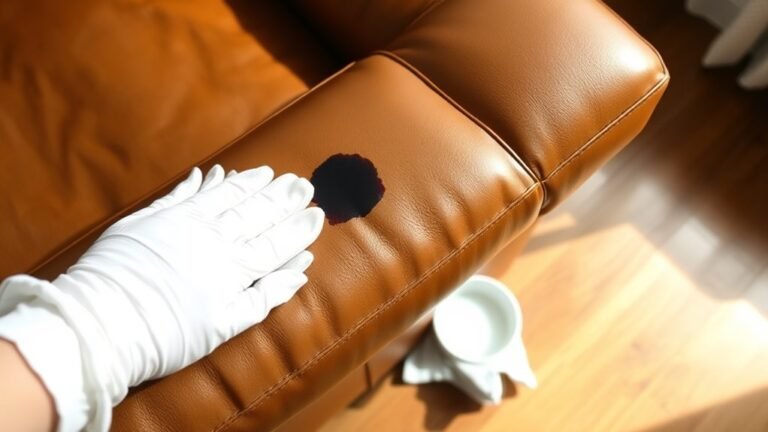
If you find mold on your leather, start by wearing gloves and a mask to protect yourself. Mold removal from leather requires careful handling to avoid damage.
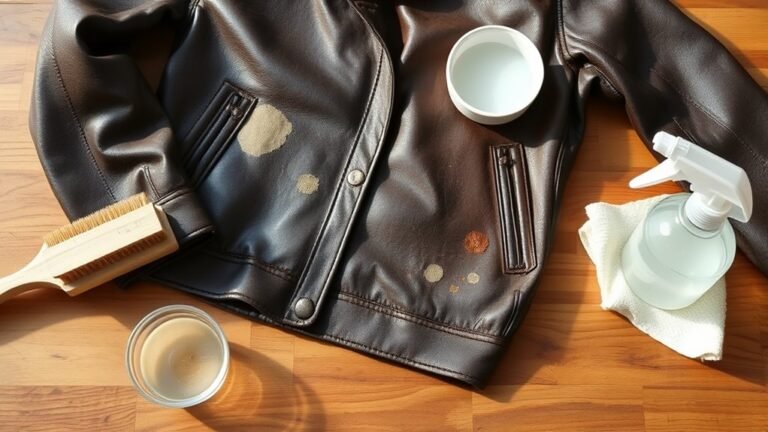
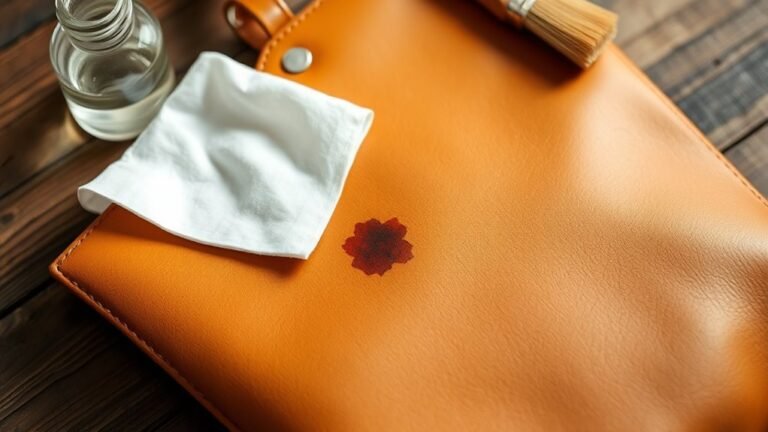
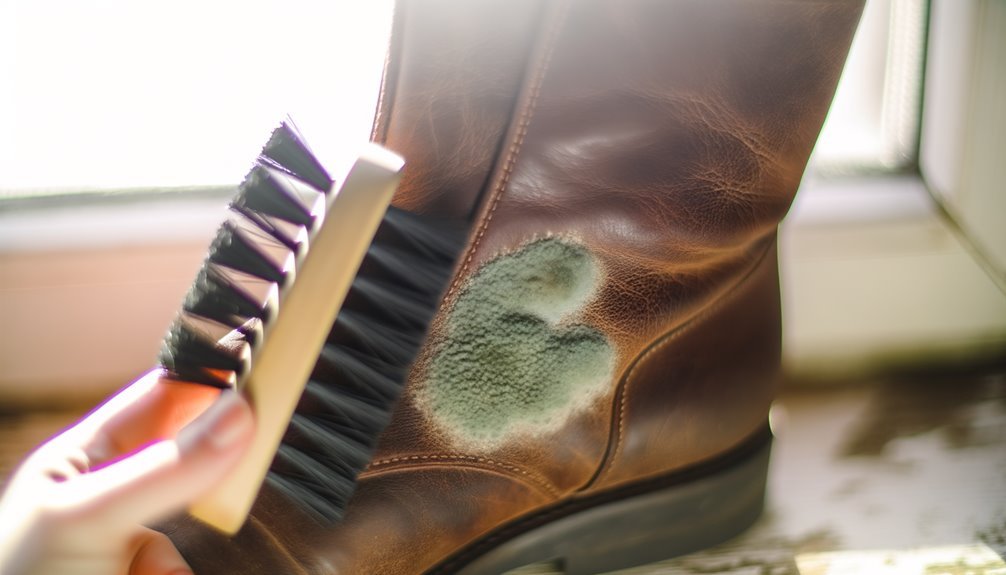
Gently brush off loose mold outside, then test a small hidden spot with rubbing alcohol or a recommended cleaner.
Wipe the area carefully, let the leather dry completely in a shaded and ventilated space.
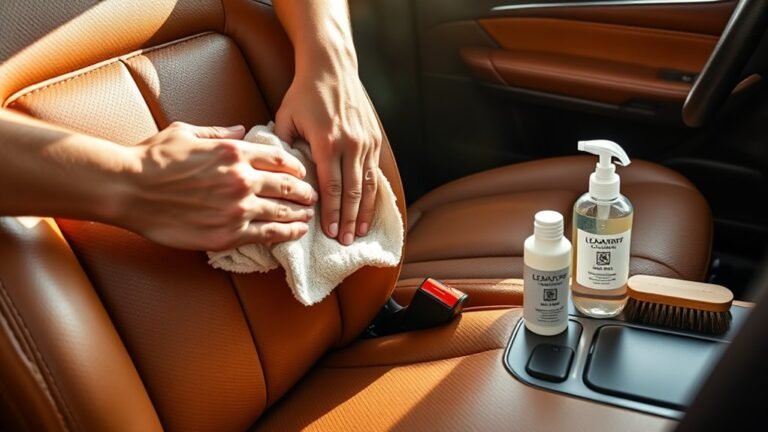
After drying, apply a leather conditioner to restore moisture and maintain suppleness. Proper care prevents mold from returning and keeps leather soft and durable.
Keep going to discover deeper tips on mold removal and leather care.
Identifying Mold on Leather
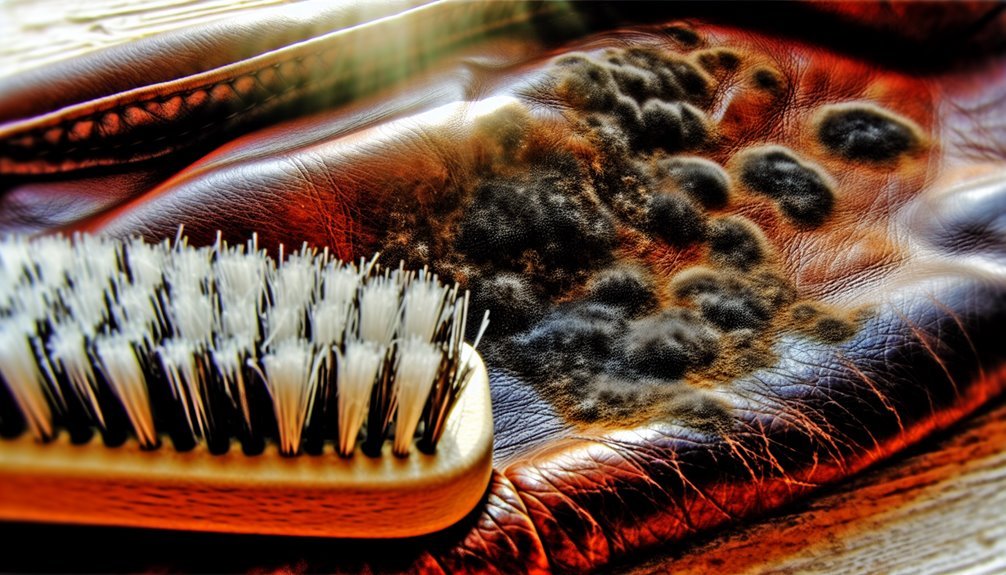
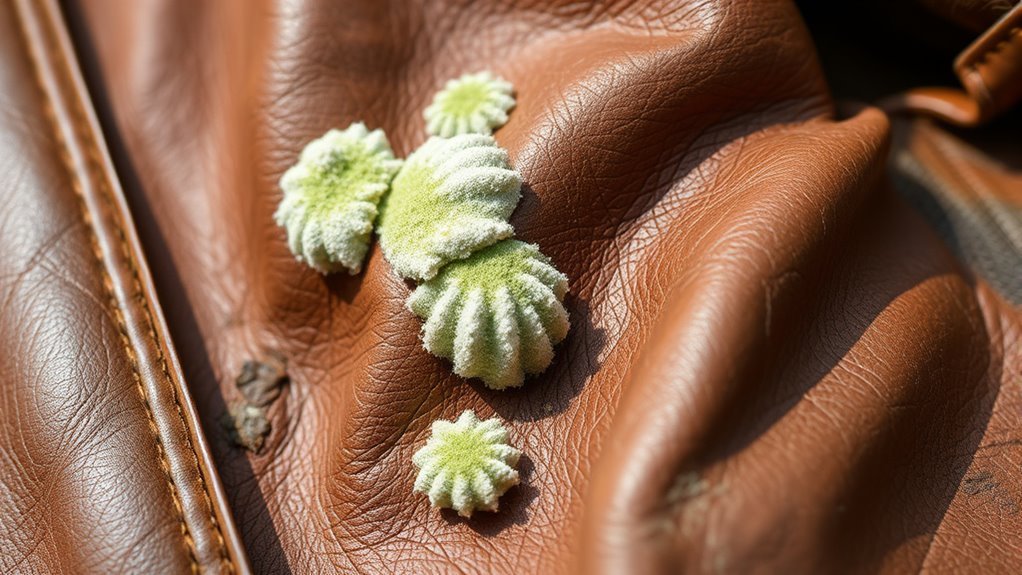
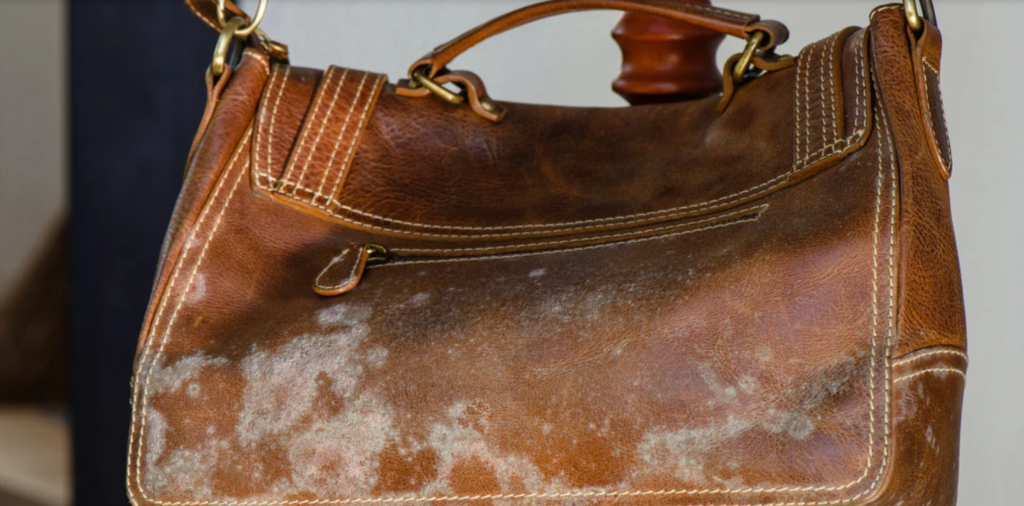
How can you tell if your leather has mold? Mold on leather usually shows as fuzzy patches in black, green, white, or gray, often accompanied by a musty odor. You may notice discoloration, softening, or a powdery residue on your leather goods.
To confirm it’s mold and not dirt or stains, inspect closely and trust your nose. Once identified, you’ll want to remove mold promptly to prevent damage. You can use denatured or rubbing alcohol, white vinegar, or bleach water, all effective in killing mold.
Apply gently with a soft brush to clean mold without harming leather. For valuable items, consider professional leather treatment. You can find these cleaning supplies at your local hardware store to help you rid of mold and kill the mold efficiently.
Health Risks Associated With Mold Exposure
Although mold on leather might seem like a minor issue, exposure to mold spores can seriously affect your health. When you come into contact with moldy leather, you risk inhaling spores that trigger allergic reactions and respiratory problems.
Over time, this exposure may lead to chronic conditions like bronchitis or sinus infections. Certain molds also produce mycotoxins, which are toxic and can cause more severe health complications.
Be aware of these health risks associated with mold exposure:
- Allergic reactions, including sneezing and eye irritation
- Respiratory issues such as asthma attacks and coughing
- Skin rashes caused by direct contact
- Increased vulnerability for those with weakened immune systems or pre-existing respiratory conditions
Taking mold seriously helps protect your wellbeing.
Essential Safety Precautions When Handling Moldy Leather
When handling moldy leather, you should always wear gloves and a mask to protect your skin and lungs from harmful spores. Make sure you work in a well-ventilated space to reduce the risk of inhalation.
Being aware of these health risks and taking proper precautions will keep you safe throughout the cleaning process.
Protective Gear Usage
Since mold spores can pose health risks, you should always wear gloves, a mask like an N95 respirator, and protective eyewear before handling moldy leather. This gear protects you from inhaling spores and prevents irritation from cleaning agents.
Along with wearing protective gear, follow these tips to stay safe and effective:
- Work in a well-ventilated area or outdoors to reduce airborne mold spores.
- Dispose of contaminated gloves and cloths in sealed plastic bags to avoid spreading spores.
- Avoid touching your face while cleaning to prevent transferring mold particles.
- Wash your hands thoroughly with soap and water after handling moldy leather and cleaning materials.
Health Risks Awareness
Wearing protective gear is just one part of handling moldy leather safely. You also need to understand the health risks involved. Mold spores can trigger allergic reactions, respiratory issues, and skin irritation.
If you don’t wear gloves, masks, or eyewear, you risk inhaling spores or getting fungi on your skin. People with asthma, allergies, or weak immune systems face higher dangers. Always work in a well-ventilated area and clean thoroughly afterward to reduce risks.
| Health Risk | Precaution |
|---|---|
| Allergic Reactions | Wear gloves and masks |
| Respiratory Problems | Use protective eyewear |
| Skin Irritation | Avoid direct contact |
| Increased Exposure Risk | Limit handling time |
| Immune System Concerns | Ensure proper ventilation |
Preparing Leather for Mold Removal
Before you begin removing mold from leather, confirm its presence by checking for fuzzy patches, discoloration, or a musty smell. Once identified, prepare the leather properly to guarantee safe and effective cleaning.
Start by putting on gloves and a mask to protect yourself from inhaling mold spores. Next, test any cleaning solution like rubbing alcohol or vinegar on a hidden spot to avoid damaging the leather.
Then, take the item outside and gently brush off loose mold with a soft brush or cloth to prevent spreading spores indoors. Finally, make sure the leather is completely dry and well-ventilated before proceeding to prevent further mold growth.
- Wear protective gloves and a mask
- Test cleaning solutions on a discreet area
- Remove loose mold outdoors with a soft brush
- Dry leather thoroughly in a ventilated space
Effective Chemical Treatments for Mold Removal
When treating mold on leather, you’ll want to use chemical solutions that effectively kill spores without damaging the material. Start by wiping the leather with a solution of 3/8 oz salicylanilide in one quart of rubbing alcohol, making sure the leather is completely dry before storing it.
Alternatively, you can use a diluted alcohol mix. Combine equal parts denatured or rubbing alcohol and water to remove mold safely. Always apply these treatments gently with a soft cloth or spray designed for leather, and test on a hidden spot first to avoid damage. For a non-liquid approach, vaporize chemicals like paradichlorobenzene or paraformaldehyde in a sealed container to kill spores. After treatment, polish the leather with a wax dressing to restore its shine and protect the surface.
Natural and Homemade Solutions for Cleaning Mold
How can you tackle mold on leather using natural ingredients? You can create simple homemade solutions that effectively clean mold without harsh chemicals. Start by mixing equal parts white vinegar and water; this kills mold but might darken your leather, so test first.
Another option is diluting rubbing alcohol with water (70%) to disinfect moldy areas carefully. Lemon juice, rich in citric acid, helps remove mold stains on vegetable-tanned leather but should be spot-tested to avoid discoloration.
For a chemical-free vapor treatment, placing your leather in a sealed container with paradichlorobenzene-paraformaldehyde crystals can eliminate mold spores.
Equal parts white vinegar and water solution
Diluted rubbing alcohol (70%) for disinfecting
Lemon juice for stain removal on specific leather
Vapor treatment with paradichlorobenzene-paraformaldehyde crystals
Drying and Conditioning Leather After Cleaning
After cleaning mold off your leather, you’ll want to gently dry it with a soft cloth and let it air dry away from heat or sunlight.
Once it’s completely dry, apply a quality leather conditioner to restore moisture and flexibility. Regular conditioning keeps your leather supple and helps prevent mold from coming back.
Proper Drying Techniques
Although removing mold from leather is essential, properly drying the material is just as crucial to prevent damage. After cleaning, gently pat the leather dry with a soft, clean cloth to remove excess moisture. Then, let it air dry in a well-ventilated area, avoiding direct sunlight and heat sources that can cause cracking.
Make sure the leather is completely dry before moving on to conditioning.
To ensure proper drying:
- Use a soft cloth to absorb surface moisture without rubbing.
- Place leather items in a shaded, airy space.
- Avoid heaters or direct sun, which dry out leather unevenly.
- Check that the leather feels dry to the touch before proceeding.
Following these steps helps maintain your leather’s integrity and prepares it for conditioning.
Conditioning Leather Essentials
Once your leather is fully dry, you’ll want to apply a high-quality conditioner to restore its natural oils and keep it supple. Before conditioning, gently pat the surface with a soft, clean cloth to remove any leftover moisture.
Let the leather air dry completely in a well-ventilated area. Avoid direct sunlight or heat, as these can cause cracking. When dry, use a product like Premium Leather Cream to replenish oils lost during cleaning.
Conditioning not only restores moisture but also reduces the chance of future mold growth. Regularly conditioning your leather after cleaning extends its lifespan, preserving both appearance and suppleness.
This simple step ensures your leather stays healthy and looks great after mold removal.
Maintaining Leather Flexibility
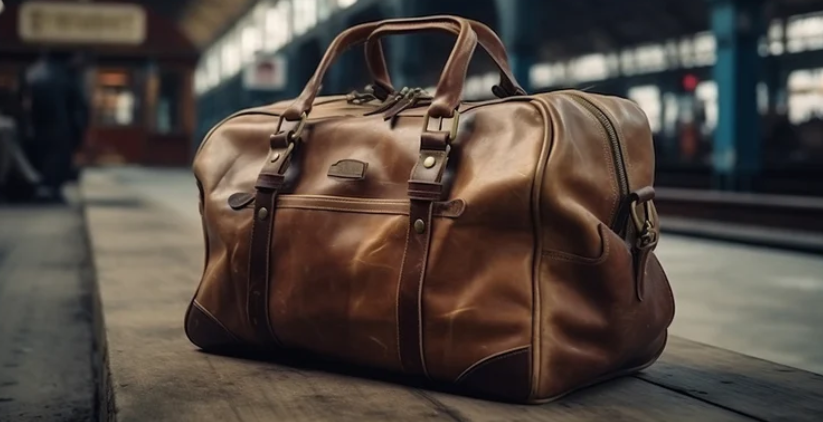
To keep your leather flexible and prevent damage, you’ll want to dry it thoroughly in a well-ventilated space away from direct sunlight or heat sources. Avoid using hair dryers or heaters, as excessive heat can make the leather brittle.
After drying, apply a high-quality leather conditioner like Premium Leather Cream to restore moisture and maintain suppleness. Let the leather absorb the conditioner for at least 24 hours to guarantee optimal flexibility.
Remember these tips to maintain your leather’s softness and durability:
- Dry leather slowly in air, away from direct heat or sun
- Use premium conditioners immediately after drying
- Allow 24 hours for full drying and absorption
- Condition regularly to replenish natural oils lost during cleaning
Following these steps will keep your leather soft and prevent future cracking.
Preventing Mold Growth on Stored Leather
When you store leather, keeping it in a dry, cool, and well-ventilated space helps prevent mold from taking hold. Check your leather items regularly for early signs of mold so you can act quickly.
Use silica gel packets or other desiccants in the storage container to absorb moisture and keep humidity low. Avoid plastic or airtight covers since they trap moisture, creating a perfect environment for mold.
Maintain consistent temperature and humidity levels to stop mold before it starts.
| Prevention Tip | Why It Helps |
|---|---|
| Dry, cool storage | Reduces moisture for mold growth |
| Regular inspections | Catches mold early |
| Silica gel/desiccants | Absorbs excess moisture |
| Avoid airtight plastic covers | Prevents trapped dampness |
| Stable climate control | Stops mold-friendly fluctuations |
When to Discard Mold-Damaged Leather
Despite your best efforts at prevention, some leather items may develop mold damage beyond repair. Knowing when to discard moldy leather is vital for your health and safety.
You should consider disposal if:
- Mold covers more than 50% of the surface, indicating severe contamination.
- The leather shows deep mold penetration or extensive weakening and cracking.
- A persistent musty odor remains even after thorough cleaning, signaling lingering spores.
- Valuable or antique pieces lose structural integrity and professional restoration fails.
If any of these signs appear, it’s safer to discard the item rather than risk ineffective cleaning or health hazards. Always prioritize your well-being over attempting to salvage heavily damaged leather.
Frequently Asked Questions
Can Moldy Leather Be Saved?
Yes, you can save moldy leather if the mold hasn’t deeply penetrated. Clean it promptly with alcohol or vinegar, dry thoroughly, and condition it.
For severe cases, consider professional restoration to fully restore your leather item.
Can Vinegar Kill Mold on Leather?
Like a gentle rain breaking a drought, vinegar can kill mold on leather by disrupting its cell walls. But don’t get carried away; test first, as it might darken your leather’s natural glow.
How Do You Get Rid of Mold on Leather?
You should brush off loose mold outdoors, then wipe the leather with a cloth dampened in equal parts rubbing alcohol and water.
For stubborn mold, use rubbing alcohol and white vinegar, then air dry completely before conditioning.
Does Hydrogen Peroxide Kill Mold on Leather?
Yes, hydrogen peroxide kills mold on leather by oxidizing spores. Just test it first on a hidden spot since it might discolor or damage the leather if you use too much or apply it undiluted.
Conclusion
You might think mold on leather is just a pesky stain, but dealing with it teaches you more than cleaning—it’s about protecting your health and preserving what matters.
As you remove mold, you’re not just saving your leather; you’re preventing future damage and creating a safer space.
Coincidentally, the care you give your belongings reflects the care you give yourself.
So, tackle that mold confidently—you’re investing in both. Removing mold from leather properly ensures your items stay durable and mold-free, contributing to a healthy environment.