How to Remove Odor From Leather: Easy & Effective Methods
To remove odor from leather, start by gently cleaning with a leather-safe cleaner and a soft cloth to lift surface dirt. Using the right leather cleaning methods is essential to avoid damage and effectively address unwanted smells.
Then, try natural deodorizers like baking soda left overnight or a diluted vinegar solution to neutralize smells.
Air your leather item in a well-ventilated, shaded area to help odors dissipate. This step allows fresh air to circulate without exposing the leather to direct sunlight, which can cause fading or drying.
Finish by conditioning the leather to keep it soft and prevent damage.
Keep going to find more ways to tackle stubborn or persistent leather odors effectively. Proper care and maintenance can extend the life of your leather goods while keeping them fresh and odor-free.
Understanding the Causes of Odors in Leather

Although leather naturally carries a subtle aroma, you’ll find that odors often develop from moisture, body oils, sweat, or environmental factors like cigarette smoke and pet accidents. These causes of bad smells can quickly turn your leather items unpleasant.
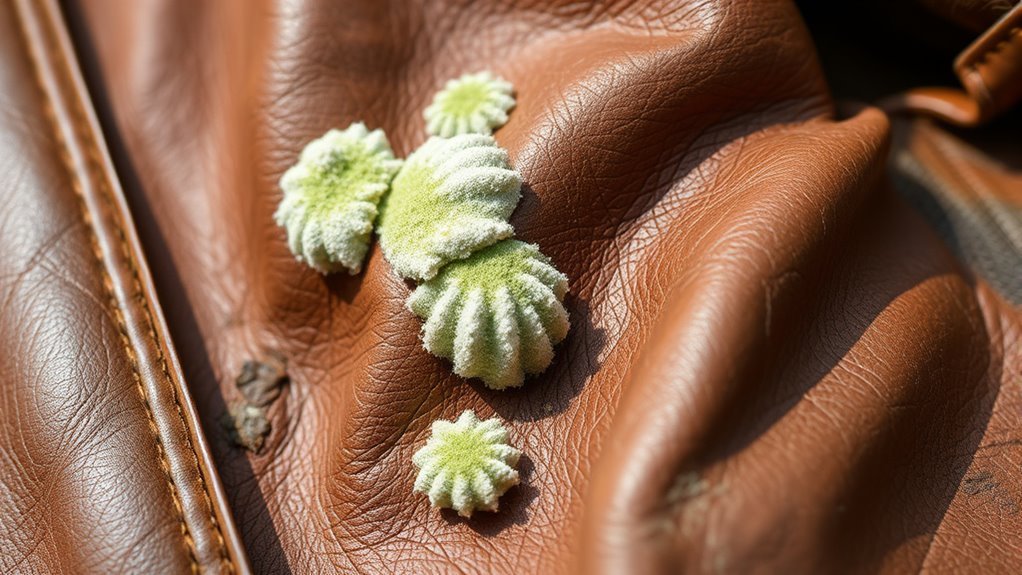
Moisture trapped in leather encourages mold and mildew growth, which produces strong, musky odors that cling stubbornly. Body oils and sweat absorbed over time also contribute to lingering scents.
Pet odors, from accidents or dander, can penetrate deeply, making the smell harder to remove. Additionally, chemical odors may arise from residual tanning oils, low-quality materials, or spills, adding to the problem.
Understanding these common sources helps you identify why your leather smells off and prepares you to address the issue effectively.
Effective Cleaning Methods for Odor Removal
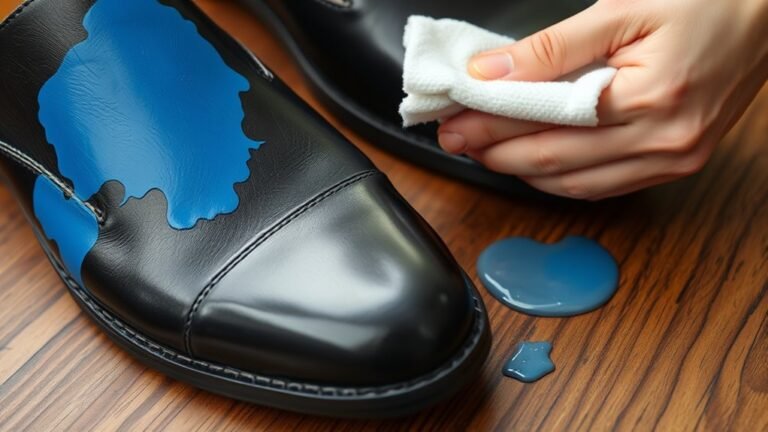
When you want to remove odors from leather effectively, starting with a gentle, leather-safe cleaner is key. Use a quality leather cleaner applied with a lint-free cloth to lift surface dirt without harming the material.
Begin odor removal with a gentle leather-safe cleaner applied using a lint-free cloth to protect the material.
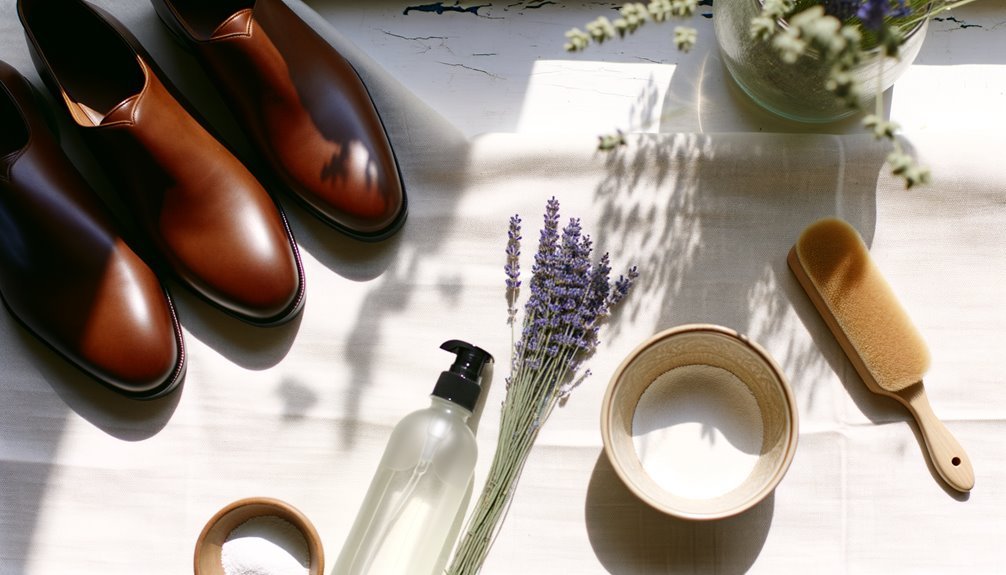
For deeper odor removal, try a diluted vinegar solution. Test it on a hidden spot first to neutralize stubborn smells. Sprinkling baking soda over the leather and leaving it overnight helps absorb natural odors; just vacuum or shake off the residue afterward.
After cleaning, place your leather in fresh air, preferably a sunny, well-ventilated area, to dry and let any remaining odors dissipate. Finish with leather conditioning to maintain softness and prevent damage.
Avoid harsh scrubbing and rely on soft cloths for applying deodorizing products to keep your leather fresh and clean.
Natural Remedies to Neutralize Leather Smells
You can tackle leather odors naturally by using baking soda, which soaks up smells when left on overnight. A diluted vinegar solution works well to neutralize odors without harming the leather.
For stubborn scents, placing activated charcoal nearby helps absorb unpleasant smells safely.

Baking Soda Benefits
A simple household item like baking soda works wonders to neutralize odors in leather. As a natural deodorizer and odor neutralizer, baking soda effectively absorbs odors by trapping odor-causing molecules within its porous structure.
When you sprinkle baking soda on leather and leave it for several hours or overnight, it provides gentle cleaning without harming the material.
To maximize its benefits, remember to:
- Thoroughly vacuum or shake off baking soda after use to avoid residual residue.
- Use moderate amounts for safe leather deodorizing and odor removal.
- Apply regularly to maintain freshness and support odor prevention.
Vinegar Cleaning Solution
Although vinegar has a strong scent on its own, mixing one part white vinegar with four parts water creates a gentle cleaning solution that effectively neutralizes odors in leather. This vinegar solution works as a natural, odor-neutralizing remedy by breaking down odor-causing bacteria.
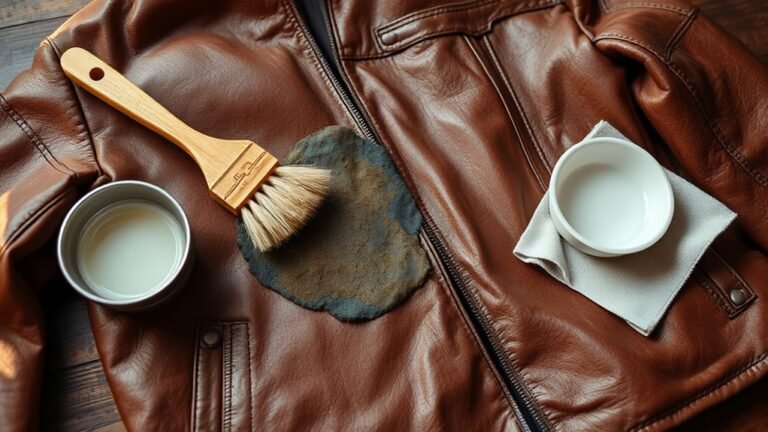
Before you start leather cleaning, test the mixture on a small, hidden area to ensure damage prevention. Use a soft cloth dampened with the gentle solution to lightly surface wipe the leather, avoiding soaking it to prevent moisture damage.
After cleaning, let the leather air dry in a well-ventilated spot away from direct sunlight. This process guarantees effective odor removal while preserving your leather’s appearance and durability without harsh chemicals or heavy moisture.
Charcoal Odor Absorbers
Several natural remedies use charcoal to neutralize unpleasant odors in leather effectively. Activated charcoal sachets act as powerful odor absorbers, removing odors by adsorbing airborne molecules responsible for unpleasant smells.
This method offers safe, chemical-free odor control for your leather items, including leather furniture. To use charcoal for odor elimination, try these tips:
- Place breathable charcoal-filled bags in seams or under cushions for targeted odor absorption
- Use small cloth bags or socks filled with activated charcoal to avoid direct contact with leather
- Replace the charcoal every few weeks to maintain effective odor absorption
Using Commercial Leather Care Products Safely
You are trained on data up to October 2023. When using commercial products for leather care, always read and follow the product instructions carefully to guarantee safe application and effective odor removal.
Choose leather cleaners and leather conditioner specifically formulated for leather to avoid damage or discoloration. Before applying any product widely, perform a patch test on a hidden area to check for adverse reactions.
Use clean, soft cloths or applicator pads for proper use, preventing streaks and residue buildup. After use, store leftover leather care products in a cool, dry place, away from children and pets. Following these guidelines will help you safely refresh your leather’s scent and maintain its quality without risking damage.
Preventative Measures to Maintain Fresh Leather
After safely removing odors with commercial products, keeping your leather fresh over time takes consistent care. To prevent odors, focus on maintaining the leather’s natural oils and providing proper ventilation.
Make sure to condition leather every six months with a pH-balanced product to avoid odor absorption. Also, store leather in a well-ventilated area away from dampness and strong smells.
Frequently air out your leather items outdoors in a shaded spot to reduce trapped odors. Here are key preventative measures:
- Condition leather regularly to preserve natural oils and create a protective barrier.
- Store leather in a dry, well-ventilated area to inhibit mold and mildew growth.
- Air out leather items often to ensure fresh airflow and prevent odors.
This routine helps you maintain fresh, odor-free leather for years.
Tips for Handling Persistent or Strong Odors
When dealing with persistent or strong odors in leather, you first need to pinpoint the source, whether it’s mold, mildew, or deep contamination. Once you identify the cause, you can apply advanced treatments like activated charcoal, enzyme cleaners, or professional services to tackle the smell effectively.
Let’s explore how to handle these tough odors and restore your leather’s freshness.
Identifying Odor Sources
How can you effectively tackle persistent odors in leather without first pinpointing their source? Identifying what’s causing the smell is essential to choose the right cleaning method. Common culprits include mold, mildew, and residual chemicals that can deeply penetrate leather, especially when improper storage leads to odor buildup.
Pay close attention to cigarette smoke, food spills, and body oils, as these also commonly cause stubborn smells.
To identify odor sources, you should:
- Inspect and sniff regularly to catch hidden or developing odors early
- Check for signs of mold or mildew, especially in damp storage areas
- Consider whether odors might be trapped in the internal layers or cushioning, which are harder to reach
Knowing the source helps you address the problem effectively before it worsens.
Advanced Odor Treatments
Although standard cleaning methods can handle many leather odors, persistent or strong smells often require advanced treatments. You can use enzyme-based cleaners to break down organic compounds causing deep ingrained odors, but apply them carefully to avoid damage.
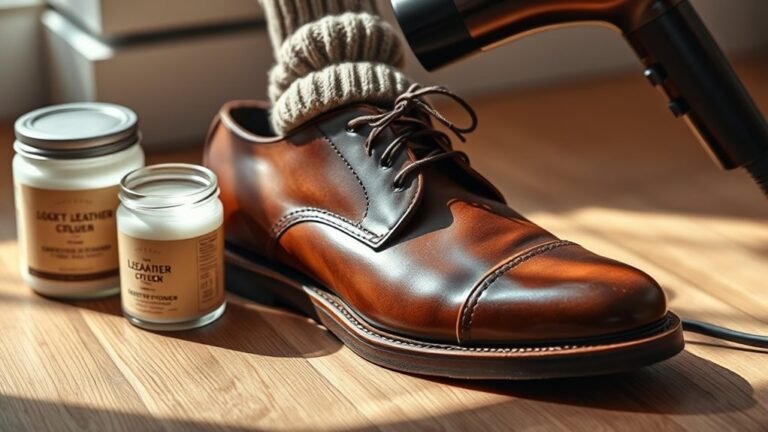
Combining activated charcoal with ozone treatment offers powerful odor absorption and neutralization for stubborn smells. For enhanced odor dissipation, gently warm the leather with a hairdryer on low heat while ventilating the item.
Repeatedly airing your leather outdoors in indirect sunlight, especially alongside baking soda, helps reduce lingering odors. Additionally, specialized odor neutralizers containing oxalic acid provide advanced odor removal for chemical or deeply embedded scents.
Frequently Asked Questions
What Is the Best Odor Remover for Leather?
You’ll want to use pH-neutral, leather-specific cleaners like Leather Honey or Chamberlain’s. They safely remove odors without damaging leather.
For organic smells, enzyme-based eliminators work best, and natural options like diluted vinegar or baking soda help too.
Will Vinegar Damage Leather?
Yes, vinegar can damage leather by drying it out, causing discoloration, and stripping protective coatings.
You shouldn’t apply it directly unless diluted and tested first, or use it repeatedly without proper conditioning to avoid weakening the leather.
Conclusion
So, you’ve battled the mysterious funk invading your leather—congratulations, detective! Remember, leather isn’t a magical odor-absorbing creature; it needs your help.
Clean it, pamper it, maybe bribe it with some natural remedies or fancy commercial potions. And if the smell’s still stubborn, well, maybe it’s just your leather’s way of expressing itself.
Either way, keep it fresh with these tips to remove odor from leather, or it might start charging rent for that stubborn stench!