7 Tips to Tell If Your Jacket Is Real Leather
You can tell if your jacket is real leather by checking its smell—real leather has a natural, earthy scent, unlike fake leather’s plastic smell. Feel the texture; real leather is soft and uneven with natural grain and wrinkles when pressed. Look for imperfections and rough, fibrous edges.
Try a water drop test—real leather absorbs moisture slowly. Also, assess its weight and flexibility, and consider brand reputation and price. Keep exploring to uncover more ways to spot genuine leather.
Check the Smell of the Jacket

How can you quickly tell if your jacket is real leather? One of the easiest ways is by checking its smell. Real leather has a distinct, natural scent that’s hard to replicate.
It’s warm, rich, and slightly earthy, unlike synthetic materials, which often smell like plastic or chemicals. When you bring the jacket close to your nose, you should notice this genuine leather aroma.
If the smell is too strong or artificial, it’s likely not real leather. Keep in mind that some jackets are treated with strong perfumes or coatings, which can mask the scent, but in most cases, the smell gives you a reliable clue.
Examine the Texture and Grain

Besides the smell, the texture and grain of a jacket can reveal a lot about its authenticity. When you run your fingers over genuine leather, you’ll notice a natural, uneven grain pattern that varies across the surface.
It feels soft, supple, and flexible, not stiff or plasticky like faux leather. Real leather usually has a slight roughness and depth, unlike synthetic materials that feel smooth and uniform.
Pay attention to how the material reacts when you press it. Real leather wrinkles and changes texture temporarily, while fake leather tends to stay flat.
Look for Natural Imperfections

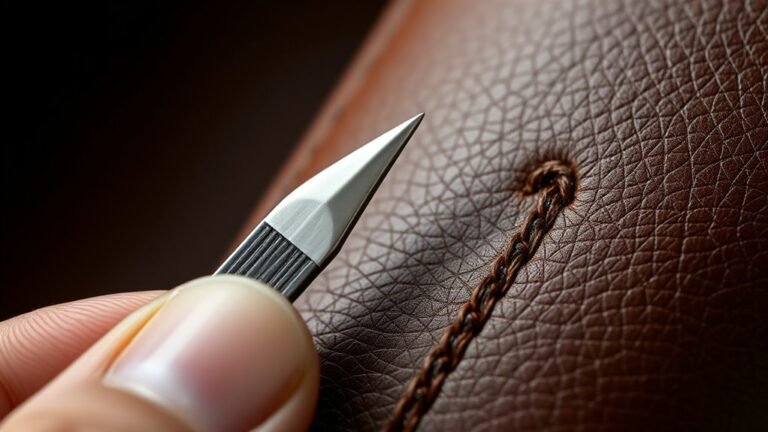
A genuine leather jacket will show natural imperfections that make each piece unique. When you inspect your jacket closely, look for small scars, wrinkles, or uneven textures. These flaws occur naturally as the animal’s skin adapts to its environment, and no two hides are exactly alike.
Synthetic or fake leather often appears too perfect, with uniform grain patterns and flawless surfaces. Don’t expect your real leather jacket to be without blemishes. These imperfections actually add character and authenticity.
If you notice repeated patterns or overly smooth areas, the jacket might be made from artificial materials. By appreciating these subtle irregularities, you’ll get a clearer sense of whether your jacket is truly genuine leather or a convincing imitation.
Perform the Water Absorption Test
Noticing natural imperfections helps confirm your jacket’s authenticity, but you can also test how it reacts to moisture. The water absorption test is simple and revealing. Place a small drop of water on an inconspicuous spot of your jacket.
Genuine leather will soak it in slowly, darkening the spot temporarily. Fake leather tends to repel water, causing the drop to bead up and stay on the surface.
Try this to feel confident about your jacket:
- Watch how the water sinks in. Real leather breathes.
- Notice if the spot darkens. An authentic sign.
- See if the water beads. Likely fake leather.
- Feel the texture after drying. Real leather softens, fake remains plastic-like.
This quick test helps you distinguish real leather without any guesswork.
Inspect the Edges of the Material
Look closely at the edges of your jacket’s material to spot key differences between real and fake leather. Genuine leather has a natural, uneven edge that feels rough or fibrous because it’s cut directly from animal hide.
In contrast, fake leather usually has smooth, perfectly even edges since it’s made from synthetic materials layered over a fabric base. When you examine the edges, real leather won’t have a plastic-like finish or visible fabric backing.
Instead, you’ll see a dense, fibrous texture. If the edges look too perfect or have a shiny, plastic appearance, you’re likely dealing with faux leather.
This simple inspection reveals a lot about the material’s authenticity, helping you avoid costly mistakes when buying a leather jacket.
Assess the Weight and Flexibility
Edges can tell you a lot, but feeling the jacket’s weight and flexibility often seals the deal. Real leather has a distinct heft. It’s sturdy without being heavy.
When you gently bend or fold the jacket, genuine leather wrinkles naturally and returns to shape without creasing sharply. Fake leather often feels lighter and stiffer, lacking that soft, supple quality.
To assess properly, try these:
- Hold the jacket up; it should feel substantial and solid in your hands.
- Flex the leather by gently folding a sleeve or lapel.
- Notice if it wrinkles softly or stays rigid.
- Smell the material; real leather has a rich, earthy scent that complements its texture.
Trust your touch; real leather invites you to feel its authenticity.
Review the Price and Brand Reputation
Two key factors that often reveal whether your jacket is real leather are its price and the brand behind it. Real leather jackets usually come with a higher price tag due to the quality and craftsmanship involved. If a jacket is suspiciously cheap, it’s likely faux leather or low-quality material.
Also, reputable brands are more transparent about their materials and sourcing. You can often trust well-known brands to deliver genuine leather products.
| Price Range | Likelihood of Real Leather |
|---|---|
| Under $50 | Very Low |
| $50 – $150 | Low to Moderate |
| $150 – $300 | Moderate to High |
| $300 – $600 | High |
| Above $600 | Very High |
Checking both price and brand reputation helps you make a smarter purchase.
Frequently Asked Questions
How Should I Care for and Clean Real Leather Jackets?
You should clean your real leather jacket with a damp cloth, avoid soaking it, and use leather conditioner regularly.
Keep it away from direct heat and sunlight to prevent cracking, and store it in a breathable garment bag.
Can Real Leather Jackets Be Waterproofed Effectively?
Yes, you can waterproof real leather jackets effectively by using specialized leather waterproof sprays or waxes.
Just make sure to clean the jacket first, apply evenly, and let it dry completely to maintain its look and durability.
What Are Common Types of Leather Used in Jackets?
Think of leather types as characters in a story: full-grain is the wise elder, durable and natural; top-grain is the polished hero, smooth and refined; suede’s the gentle artist, soft and velvety.
You’ll find these in jackets you love.
How Long Does a Genuine Leather Jacket Typically Last?
A genuine leather jacket typically lasts 10 to 20 years, sometimes even longer if you take good care of it.
You’ll want to clean and condition it regularly to keep the leather supple and durable.
Are There Ethical Concerns With Buying Real Leather Jackets?
Yes, you should consider ethical concerns when buying real leather jackets. They often involve animal welfare issues and environmental impact.
You can explore alternatives like vegan leather or buy from brands prioritizing sustainable, ethical sourcing to feel better about your choice.
Conclusion
Now that you know how to read your jacket like an open book, you can spot real leather shining through its natural imperfections and rich, earthy scent. Trust your hands to feel the supple grain and test its weight, like holding a piece of rugged history.
Remember, genuine leather tells a story—one that no imitation can whisper. So wear your jacket with pride, knowing you’ve uncovered its true, timeless heart. Recognizing real leather not only ensures quality but also connects you to a lasting tradition of craftsmanship and style.