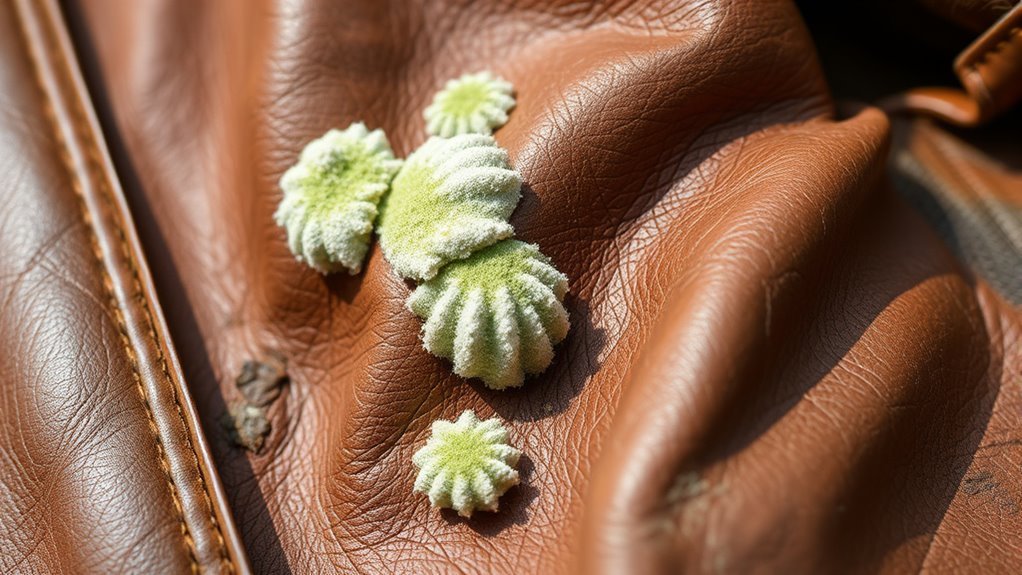

How to Store Leather Bags at Home: Proper Storage Tips
To store your leather bags correctly at home, it’s essential to understand proper leather bag care and storage techniques.
Start by cleaning them gently with a soft cloth.
Then, stuff the bags lightly with acid-free tissue or scarves to maintain their shape without causing stretching.
Avoid hanging the bags by their straps, as this can deform them over time.
Never seal leather bags in plastic; instead, use breathable dust bags.
Store your bags in a cool, dark, and dry spot where the humidity is around 30-40%.
Regularly air out your leather bags to prevent moisture buildup.
Conditioning the leather periodically will help prevent cracking and keep the material supple.
Keep these tips in mind, and you’ll find even more ways to protect your bags over time.
Clean Your Leather Bag Thoroughly

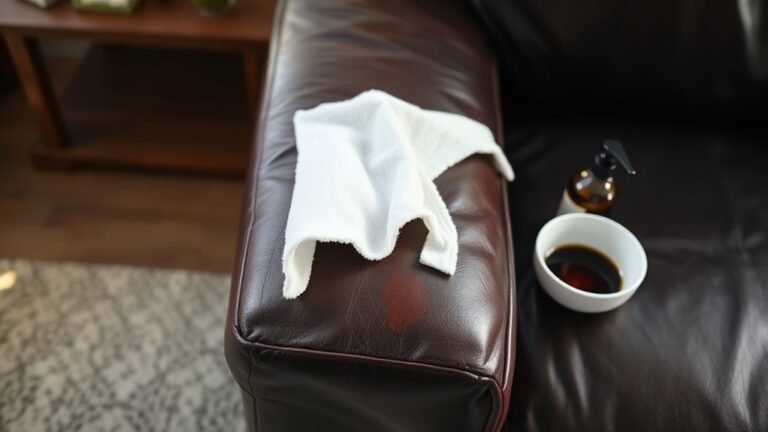
A clean leather bag not only looks better but also lasts longer. Start by using a soft, damp cloth to gently wipe away surface dirt and dust. Next, apply a small amount of manufacturer-approved leather cleaner to a cloth for spot cleaning any stains or marks.
Avoid harsh chemicals or household cleaners since they can damage or discolor your bag. After cleaning, let your bag air dry completely in a shaded, well-ventilated area to prevent moisture buildup.
Once dry, regularly condition the leather to maintain its suppleness and prevent cracking. Conditioning keeps the leather soft and durable, ensuring your bag stays in great shape. Following these steps helps you protect your leather bag and prepare it properly for storage.
Maintain Your Bag’s Shape With Proper Stuffing

To keep your leather bag looking its best, stuff it with the right materials like acid-free tissue or small pillows. Don’t overfill it, since too much stuffing can stretch or distort the leather.
For structured bags, support each compartment individually to maintain its shape and prevent creases.
Choose Appropriate Stuffing
When you store your leather bag, choosing the right stuffing helps preserve its shape and prevents creases. Use soft, lightweight materials like acid-free tissue paper, small pillows, or unused scarves to support the bag’s structure without adding pressure.
Proper stuffing maintains the shape by filling compartments individually, preventing deformation and creasing. Avoid heavy or dyed materials that might damage the leather.
| Stuffing Material | Purpose |
|---|---|
| Acid-free tissue paper | Lightweight, shape support |
| Small pillows | Soft, prevent creases |
| Unused scarves | Flexible, structure support |
This careful choice of stuffing ensures your bag keeps its form and lasts longer.
Avoid Overstuffing Damage
Although stuffing your leather bag is essential for maintaining its shape, you shouldn’t overfill it, as too much stuffing can stretch the leather and distort the seams. To prevent damage, use proper stuffing like small pillows, unused scarves, or acid-free paper that fill the interior evenly without causing bulges.
This way, you maintain shape while avoiding overstuffing that could harm your bag structure. Overstuffing not only stresses the leather but also compromises the bag’s contours, leading to permanent misshaping.
Regularly check and adjust the stuffing to ensure your bag retains its original form during storage. By balancing support with restraint, you protect your leather bag’s appearance and durability, keeping it looking great and structurally sound over time.
Support Bag Structure
Even if your leather bag looks sturdy, proper stuffing plays a crucial role in preserving its shape and preventing creases. To maintain your bag’s structure, you need to support it with the right materials and stuffing technique. Using soft, acid-free tissue paper, unused scarves, or small pillows helps maintain the bag’s shape without damaging the leather.
For structured bags, fill each compartment individually to support its overall form. Lightly stuff soft or unstructured bags to preserve their natural silhouette without deforming the leather. Remember to remove the stuffing before use to let the leather breathe and avoid unnecessary pressure.
- Use soft materials like acid-free tissue or scarves for stuffing
- Fill compartments separately in structured bags
- Lightly stuff unstructured bags to maintain shape
- Remove stuffing before carrying your bag
Secure Accessories to Prevent Damage

Because accessories like chains, straps, and hardware can easily cause indentations or scratches, you should always detach them before storing your leather bag. To protect your bag, wrap each accessory in clean, dry tissue paper or a soft cloth to avoid scratching or staining the leather’s surface.
Organize your accessories by placing them in small, labeled pouches or compartments to keep them safe and easy to find. Avoid letting accessories touch the bag directly; instead, tuck or hang them separately to prevent deformation or abrasion.
Be sure that heavy or sharp attachments are securely wrapped and stored properly, so they don’t cause damage over time. Taking these simple steps will help maintain your leather bag’s pristine condition and extend its lifespan.
Protect With Dust Bags and Breathable Covers
When storing your leather bag, choose a high-quality, breathable dust bag or a cotton pillowcase to shield it from dust, dirt, and light exposure. This proper storage method helps preserve your leather bags by preventing damage from moisture and light, which can cause fading and cracking. Avoid plastic covers, as they trap humidity and encourage mold growth.
Keep these tips in mind for using dust bags and breathable covers effectively:
Remember to use dust bags and breathable covers properly for optimal leather bag protection.
- Use dust bags large enough to avoid deforming your leather bags’ shape
- Label or photograph bags before storing for easy identification
- Regularly air out your bags to prevent odors and maintain freshness
- Replace or clean dust covers periodically to protect against dirt buildup
Following these steps ensures your leather bags stay in excellent condition during storage.
Optimize Storage Environment Conditions
To keep your leather bags in top shape, control the humidity around 30-40% to stop mold and damage. Store them in a cool, dark place to prevent fading and oxidation from light exposure.
Using silica gel packets can help manage moisture in humid areas.
Control Humidity Levels
Although leather is durable, it needs a carefully controlled environment to stay in good shape. Controlling humidity is key to preventing mold and damage caused by excess moisture. Keep humidity levels between 30-40% in your storage area to protect your leather bags.
Use a dehumidifier or silica gel packets if the space tends to get damp. Avoid basements or poorly ventilated spaces that trap moisture, increasing mold risk. Regularly check humidity with a hygrometer to ensure conditions stay ideal.
Maintain 30-40% humidity to prevent mold and deterioration
Use dehumidifiers or silica gel to absorb moisture
Avoid damp, poorly ventilated storage areas
Monitor humidity levels consistently with a hygrometer
This will keep your leather bags safe from moisture-related damage.

Prevent Light Exposure
Controlling humidity helps protect your leather bags, but light exposure can also cause serious damage. To prevent fading and deterioration, store your leather bags in a dark, shaded space away from natural and artificial light.
Keep them in closets, drawers, or cover them with breathable dust bags that effectively block light while allowing air circulation. Avoid displaying your bags near windows or in well-lit areas where UV rays can penetrate and harm the material.
Using opaque storage containers or fabric covers adds extra protection from light without trapping moisture. Regularly check your storage area for any light leaks to maintain your leather bags’ color and suppleness over time.
Properly shielding your bags from light ensures they stay vibrant and durable for years to come.
Avoid Common Leather Storage Mistakes
When storing your leather bags, you should steer clear of common mistakes that can cause long-term damage. Avoid sealing them in plastic bags, which trap moisture and promote mold. Don’t hang bags by their straps for extended periods, as this leads to stretching and misshaping.
Keep bags away from direct sunlight to prevent fading and drying. Also, avoid overstuffing or using newspaper for stuffing since ink can stain and deform the leather. Store your bags in an environment with controlled humidity, ideally 30-40%, to prevent mildew and deterioration.
- Never use plastic bags for storage
- Avoid hanging bags by straps to prevent stretching
- Keep bags out of direct sunlight
- Don’t overstuff or use newspaper for stuffing
Following these tips helps maintain your leather bags’ shape and longevity.
Regular Maintenance and Reconditioning
Proper storage protects your leather bags, but maintaining their condition requires regular attention. Every 3 to 6 months, inspect your bags for dryness, cracks, or stains.
Use a high-quality leather conditioner suited to your bag’s leather type, applying it evenly with a soft cloth. Reconditioning involves gentle cleaning and moisturizing to restore natural oils and prevent aging.
Don’t overdo it. Apply a thin layer of conditioner, let it absorb fully, then buff off any excess to avoid residue buildup. Also, periodically remove your bags from storage to air them out and check for damage. Combining proper storage with consistent maintenance ensures your leather bags stay supple and beautiful for years to come.
Frequently Asked Questions
Do Leather Bags Need to Breathe?
Yes, leather bags need to breathe. You shouldn’t store them in airtight containers or plastic bags because trapped moisture causes mold and damage.
Instead, use breathable dust bags to keep air flowing and preserve their quality.
Is It Okay to Store Leather Purses in Plastic Containers?
No, you shouldn’t store leather purses in plastic containers. They trap moisture, causing mold, mildew, and drying out.
Instead, use breathable fabric bags to keep your leather healthy and prevent damage from poor ventilation.
How Correctly Store Your Leather Bags to Avoid Mold and Humidity?
You should keep your leather bags in breathable dust bags, control humidity around 30-40% with silica gel, and avoid damp places.
Regularly air them out in a dry, well-ventilated spot to prevent mold and moisture buildup.
Should Handbags Be Stored Upright?
Yes, you should store handbags upright. Upright upkeep unlocks ultimate shape support, avoids awful abrasions, and allows airflow, keeping your leather luscious.
Don’t forget to use dust bags and a dry, dark destination for durability.
Conclusion
By following these simple steps, you’ll keep your leather bag looking as good as new for years to come. Remember, a stitch in time saves nine—taking care of your bag now prevents bigger problems later. Clean it, stuff it properly, and store it in a breathable cover in the right environment.
With regular maintenance, your leather bag will stay both beautiful and functional, ready to accompany you wherever you go. Proper storage and care are essential to preserve the quality and longevity of your leather bags at home. Implementing these tips ensures your leather bag remains a stylish and durable accessory for years.