What Is Faux Leather? Definition, Types, Pros & Cons
Faux leather is a popular cruelty-free alternative to genuine leather that looks and feels like real leather but is made from synthetic materials such as polyurethane or PVC instead of animal hides. This material is widely used in various industries due to its versatility and ethical appeal.
It is water-resistant, easy to clean, and available in a range of finishes from matte to glossy. You’ll commonly find faux leather in furniture, car seats, fashion items, and shoes.
If you want to understand how faux leather is made, its history, and why it has gained global popularity, there is plenty more to explore. This synthetic leather option continues to grow as a sustainable and animal-friendly choice.
Definition and Key Characteristics of Faux Leather

Although it’s not made from animal hides, faux leather closely mimics real leather’s look and feel by using plastics like polyurethane (PU) or polyvinyl chloride (PVC).
Faux leather mimics genuine leather’s look and feel using materials like polyurethane and polyvinyl chloride.
As a synthetic material, faux leather involves coating a base fabric, such as polyester or cotton, with a plastic coating that’s textured and dyed to replicate genuine leather’s texture. You’ll find PU leather and PVC both commonly used in this process.
Faux leather stands out because it’s water-resistant and stain-resistant, making it easy to maintain and ideal for everyday use. Plus, it’s cruelty-free, so you don’t have to worry about animal welfare.
Whether you want a matte or glossy finish, faux leather offers versatile options without sacrificing durability or style.
Historical Development of Faux Leather
When you trace faux leather’s origins, you’ll find its roots in early 19th-century Germany with the invention of Presstoff, a durable layered paper pulp material used during wartime. Fast forward to the 1920s, Naugahyde emerged as a popular synthetic leather alternative.
The 1930s–40s accelerated development with vinyl and polyurethane plastic coatings enhancing imitation leathers’ durability. By the 1970s, environmental concerns sparked research into biodegradable, plant-based synthetic leather options.
Today, faux leather blends innovation and sustainability, evolving from simple plastic coatings to sophisticated materials.
| Era | Key Material | Significance |
|---|---|---|
| 1800s | Presstoff | Wartime durable paper pulp |
| 1920s | Naugahyde | Synthetic leather for goods |
| 1970s | Biodegradable | Eco-friendly plant-based options |
Manufacturing Process of Faux Leather
When you explore how faux leather is made, you’ll see it starts with choosing the right base fabric like polyester or cotton. Then, plastic coating techniques apply materials such as polyurethane or PVC onto this fabric to mimic leather’s feel. Finally, finishing touches like embossing and protective coatings add texture and durability to the surface.
Base Fabric Selection
Because the base fabric forms the foundation of faux leather, choosing the right material is essential for durability and performance. You’ll typically find base fabric made from polyester or cotton, each with specific benefits. Polyester offers strength and durability, while cotton provides breathability.
Fabrics can be woven or non-woven, impacting the texture and flexibility of the final product. Here’s what you should consider when selecting the base fabric:
- Material type: Polyester for durability; cotton for natural breathability.
- Fabric structure: Woven or non-woven to enhance adhesion and surface coating stability.
- Porosity: Affects breathability and water resistance of faux leather.
- Reinforcement: Treatments improve durability and compatibility with coatings.
Your choice ensures strong adhesion and long-lasting performance of the faux leather coating.

Plastic Coating Techniques
Although selecting the right base fabric is vital, the quality and feel of faux leather largely depend on the plastic coating techniques used. You’ll find that plastic coating involves applying polyurethane (PU) or polyvinyl chloride (PVC) onto fabrics like polyester or cotton through methods such as casting, extrusion, or spraying.
During the curing process, release papers with engraved patterns help create textured finishes, while embossing adds further detail. Additives like plasticizers, dyes, and stabilizers enhance flexibility, appearance, and durability. The coating application must be uniform to guarantee a consistent leather-like surface.
These manufacturing techniques are essential because they determine how the faux leather performs and feels, setting the foundation before finishing touches are added.
Finishing and Texturing
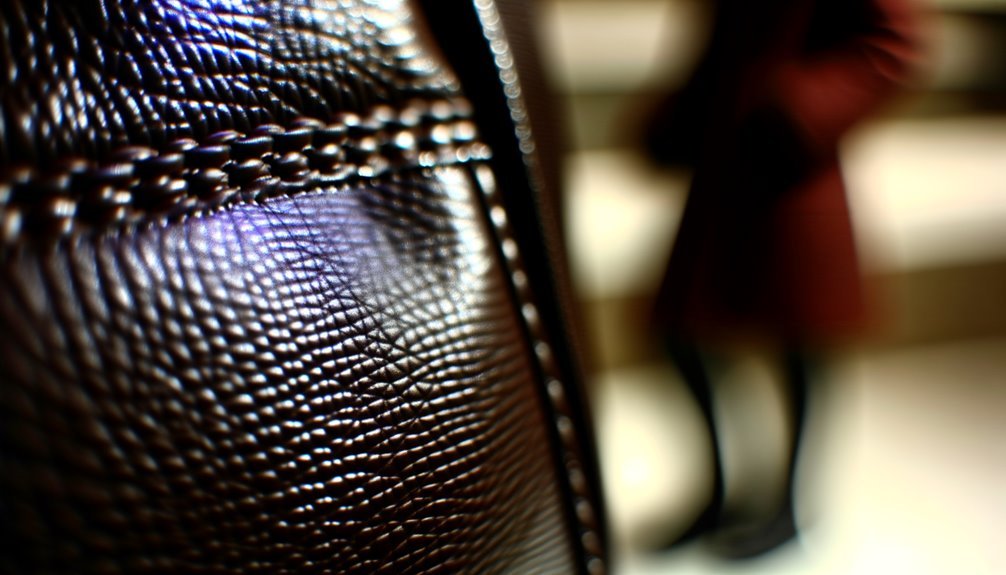
As you move into the finishing stage, you’ll see embossing techniques bring faux leather to life by imprinting grain or pebbled patterns onto its surface. This step uses texturing tools like casting paper or textured rollers during manufacturing to create realistic embossed surfaces.
Here’s how the process shapes the final product:
- Apply multiple layers, including a color coat and textured top layer, through coating.
- Use embossing to imprint detailed grain patterns while the material is pliable.
- Cure the layers to set the texture and ensure durability.
- Seal with a clear topcoat surface finish to boost scratch resistance and water repellency.
Together, these techniques give faux leather its authentic texture and enhanced performance.
Common Applications of Faux Leather Fabric
When you look around, you’ll notice faux leather popping up in a variety of places thanks to its practicality and style. It’s a favorite for furniture upholstery, especially in homes with kids or pets, because it’s stain-resistant and easy to clean.
In car interiors, faux leather covers seats and trims, offering durability with low maintenance. The fashion world embraces it for clothing and accessories, like jackets and bags, since synthetic materials allow vibrant colors and flexible designs.
Shoe manufacturing relies on faux leather too, providing cruelty-free options that support animal rights. Beyond everyday use, it serves industrial applications such as marine upholstery and outdoor furniture, benefiting from its water-resistant qualities. This versatility makes faux leather a smart, ethical choice for many needs.

Global Production and Cost Factors
Because China leads the global production and export of faux leather, you’ll find its products in markets across Asia, Europe, and the Americas. When considering faux leather production and cost factors, keep these points in mind:
- China dominates manufacturing, enabling competitive material prices and significant bulk discounts.
- PU and PVC are the most common synthetic leather types, balancing quality and affordability.
- Manufacturing costs vary by type, quality, and order size, typically ranging from $10 to $25 per yard.
- The global market is expanding, with eco-friendly options becoming available but usually at higher costs.
Environmental Impact and Sustainability Considerations
Although faux leather offers a cost-effective alternative to genuine leather, you should consider its environmental drawbacks. The faux leather environmental impact is significant since most types rely on fossil fuels like petroleum, causing high carbon emissions and ecological damage.
PVC-based faux leather releases toxic chemicals, including dioxins and phthalates, which worsen environmental pollution and pose health risks. Additionally, standard faux leather isn’t biodegradable and can linger in landfills for centuries.
While sustainable faux leather options made from eco-friendly materials like vegetable oil exist, they are rare and usually pricier. Most production occurs in regions with lax environmental standards, further complicating sustainability efforts.
If you want to reduce harm, seek biodegradable faux leather and support brands transparent about minimizing PVC toxins and toxic chemicals in their processes.
Frequently Asked Questions
Is Faux Leather Good Quality?
Yes, faux leather can be good quality if you choose high-end options like Ultraleather. You’ll want to avoid cheap versions that crack or peel quickly, and always check materials and care instructions for durability.
How Long Will Faux Leather Last?
Think of faux leather like a loyal friend. It lasts about 3 to 5 years if you treat it right. Keep it clean, avoid heat, and it’ll stay looking sharp well beyond the average lifespan.
Does All Faux Leather Peel?
No, not all faux leather peels. You’ll find high-quality types like Naugahyde resist peeling, while cheaper options might crack.
To keep it looking good, avoid harsh cleaners and excessive sun exposure.
What Is Faux Leather Made Of?
You’ll find faux leather made from fabrics like polyester or cotton, coated with plastics such as polyurethane (PU) or polyvinyl chloride (PVC). These materials are treated and embossed to mimic real leather’s look and feel.
Conclusion
Think of faux leather like a chameleon—it mimics real leather’s look and feel without using animals. Did you know the global faux leather market is expected to reach over $80 billion by 2027? That shows how much people value its affordability and versatility.
As you explore faux leather options, remember it’s a smart, stylish choice that balances quality with sustainability. Faux leather offers an ethical alternative that suits a wide range of uses, combining durability with eco-friendly benefits. Choosing faux leather means opting for fashion that respects both style and the planet.