Is Leather Waterproof? Everything You Need to Know About Leather Protection
You can’t count on leather to be fully waterproof because its natural pores let water seep in over time. While thicker, quality leathers resist moisture better, most leather only offers water resistance, not complete protection.
You can boost that resistance with sprays or wax treatments, but even then, it won’t be entirely waterproof.
Knowing how different leather types respond and how to care for them after getting wet will help you keep your leather looking great longer. Proper maintenance and timely treatment are key to preserving leather’s appearance and durability.
Always dry wet leather naturally and avoid heat sources that can damage it.
Understanding Leather’s Water Resistance

How water-resistant is leather really? Leather is naturally porous, which means it offers only partial water resistance rather than being fully waterproof. Even water-resistant types, like patent leather, can handle some moisture but aren’t waterproof leather products.
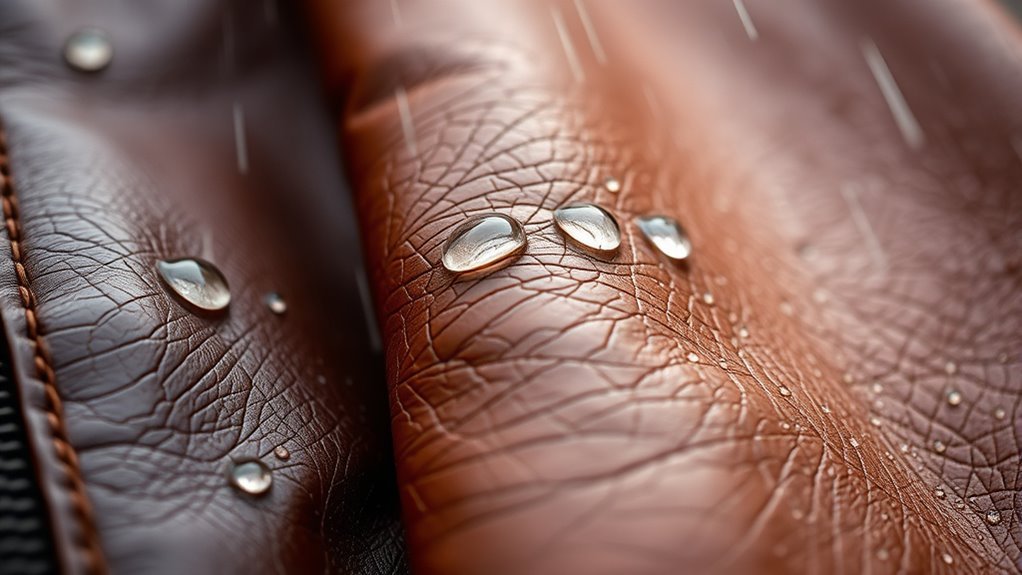
Because leather’s tiny pores allow water to seep through, prolonged exposure can cause water damage and staining. The level of water resistance depends on factors such as hide thickness, quality, and how the leather is processed.
While you can improve water resistance with waterproofing sprays or waxes, these treatments don’t make leather completely waterproof. So, although waterproof leather products exist, most leather requires additional care to protect it from water damage and maintain its appearance over time.
Differences Between Waterproof and Water-Resistant Leather

Although leather naturally resists some moisture, you should know that waterproof and water-resistant leather differ considerably in how they handle water exposure.
Waterproof leather uses specialized treatments, coatings, or membranes to seal its porous surface, preventing water ingress even during submersion.
In contrast, water-resistant leather relies on surface finishes to reduce water penetration but can’t withstand heavy or prolonged moisture.
Understanding the waterproof vs water-resistant distinction helps you choose the right leather protection based on your needs.
| Feature | Waterproof Leather | Water-Resistant Leather |
|---|---|---|
| Porosity | Sealed pores via treatments | Naturally porous, surface coated |
| Water Protection | Resists full water immersion | Resists light moisture and splashes |
| Treatments | Specialized coatings/membranes | Wax, sprays, or surface finishes |
| Water Penetration | No water ingress | Limited resistance, may absorb water |
Types of Leather and Their Water Resistance Levels

Different types of leather offer varying levels of water resistance, so it’s important to know what you’re dealing with. Full-grain leather and top-grain leather naturally provide the best water resistance due to their dense, durable surfaces.
In contrast, suede and nubuck feature porous surfaces that absorb water more easily. Patent leather stands out with its glossy, coated finish, making it nearly waterproof without extra waterproofing.
Faux leather, typically made from polyurethane, is inherently waterproof, unlike genuine leather, which often needs protective treatments like waxing or sprays to boost water resistance. Understanding these leather types helps you navigate the waterproof vs. water-resistant debate and choose the right material for your needs based on durability and exposure to moisture.
How to Make Leather More Water Resistant
To boost your leather’s resistance to water, you can apply waterproofing sprays or beeswax treatments that create a protective barrier without making it fully waterproof. Start by ensuring your leather is clean and dry before you apply waterproofing products.
Use water-repellent sprays specifically designed for leather, like silicone-based waterproofing spray, to protect your leather goods effectively. Regular leather care is essential; clean and condition your items routinely to maintain water resistance by preserving natural oils.
Remember to reapply leather treatments after cleaning or exposure to moisture to sustain their protective qualities. By following these steps and using proper waterproofing techniques, you’ll enhance your leather’s water resistance and prolong its durability without compromising its look or feel.
Caring for Leather After Water Exposure
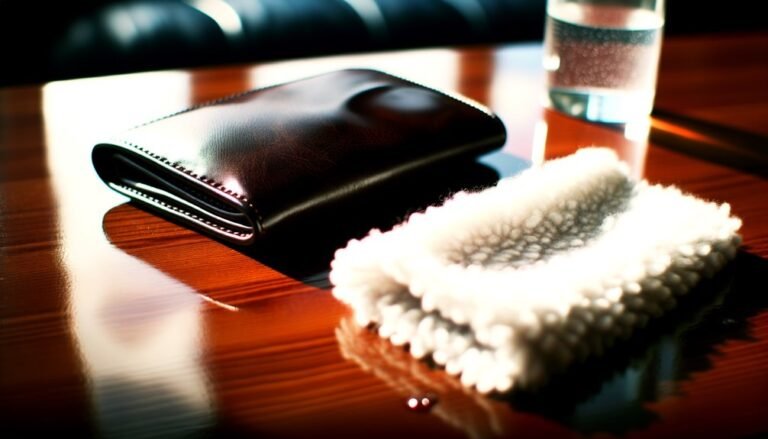
When your leather gets wet, you should immediately blot away excess water with a dry cloth to prevent it from soaking in and causing damage. After water exposure, let your leather dry naturally at room temperature. Avoid direct heat like sunlight or radiators, as improper drying can lead to cracking or stiffening.
Once dry, apply a leather conditioner or waterproofing treatment to restore essential oils and boost water resistance. Regular leather care includes inspecting your items and reapplying protective products to maintain flexibility and prevent leather damage.
Using these steps helps preserve the durability of your waterproof leather and extends its lifespan. Proper care after water exposure is key to keeping your leather looking good and functioning well over time.
Selecting the Right Leather for Your Needs
Caring for your leather after water exposure helps maintain its durability, but choosing the right type of leather in the first place can make a big difference in how well it resists water. When selecting leather, consider full-grain leather for superior natural water resistance and long-lasting leather durability.
If you prefer a shiny look, patent leather offers near waterproof qualities without extra leather treatment. Suede and nubuck need waterproofing to boost water resistance, while synthetic options provide inherent waterproof leather types with minimal care.
| Leather Type | Water Resistance Level |
|---|---|
| Full-grain leather | High natural resistance |
| Patent leather | Nearly waterproof |
| Suede/Nubuck | Low, needs treatment |
| Synthetic leather | Inherently waterproof |
Material selection is key to effective waterproofing and overall leather care.
Frequently Asked Questions
Is It Okay for Leather to Get Wet?
It’s okay if leather gets wet occasionally, but you shouldn’t let it soak or stay damp. You’ll want to dry it quickly and use waterproof treatments to protect your leather and keep it looking great longer.
Is 100% Leather Waterproof?
Think of leather like a sponge. No, 100% leather isn’t waterproof. You can’t expect it to keep water out completely.
You’ll need treatments or covers, or risk damage when it gets wet. Protect it well!
Can You Spray Waterproof on Leather?
Yes, you can spray waterproofing products on leather. Just clean and dry it first, test a small area to avoid damage, and reapply regularly to keep its water resistance strong over time.
Is Leather Good to Wear in the Rain?
Leather’s like a shield with cracks; it’s okay for light rain but not storms. You’ll want to waterproof it and dry it quickly, or else it might stiffen and crack, ruining your look and comfort.
Conclusion
While leather isn’t naturally waterproof, you can definitely boost its water resistance with the right treatments and care. You might worry that adding waterproofing products will ruin leather’s look or feel, but when done properly, these methods actually protect and preserve its quality.
So, don’t shy away from using your favorite leather items in damp conditions—just give them a little extra attention, and they’ll hold up beautifully over time. With proper waterproofing, leather can resist water effectively, ensuring durability and maintaining its stylish appearance.