
How to Stop a Cat from Scratching a Leather Couch: Proven Tips That Work
To stop your cat from scratching your leather couch, start by trimming their nails regularly. This simple step reduces damage and discomfort for your cat.
Additionally, provide appealing alternatives like sisal or cardboard scratchers nearby to redirect their scratching behavior.
Apply deterrents such as double-sided tape or citrus sprays on the leather to discourage scratching. These methods make the couch less inviting without harming your cat.
Cover your couch with slipcovers or use motion-activated devices for added protection.
Positive reinforcement encourages your cat to use the scratchers instead of your furniture.
By combining these steps, you’ll better protect your leather and keep your feline friend happy. There’s more you can do to safeguard your furniture and maintain a harmonious home.
Understanding Why Cats Scratch Leather Furniture
Because cats instinctively scratch to sharpen their claws, mark their territory, and stretch their muscles, your leather furniture often becomes a prime target. Leather furniture mimics the texture of tree bark, which naturally attracts cats.
When you notice your cat scratching leather, it’s not just random damage—they’re leaving scent marks with glands in their paws, reinforcing their territory. This behavior also helps them remove dead claw tissue and maintain healthy claws.
Even if you keep your cats claws trimmed, they still feel the urge to scratch due to the resistance and smooth surface leather provides. Understanding these reasons helps you see that scratching leather is a natural and necessary activity for your cat, not just a destructive habit.
Providing Effective Scratching Alternatives

You’ll want to choose scratchers that match your cat’s preferences, like sisal posts or cardboard pads, and place them close to your leather couch. Encouraging your cat to use these alternatives with toys, catnip, or treats helps shift their focus away from your furniture.
Keep the scratchers interesting by rotating their spots and rewarding your cat’s good behavior consistently.
Choosing Suitable Scratchers
When aiming to protect your leather couch, offering your cat suitable scratchers is essential. Choose scratching posts made from rough scratching materials like sisal or cardboard to satisfy your cat’s natural urge.
Provide a variety of posts, both vertical and horizontal, to match their preferences and keep them engaged. Incorporate catnip or toys to make these posts more enticing than your leather couch.
Position multiple posts near the couch and in areas your cat frequents to encourage use. Regularly maintain and replace worn scratching posts to keep them inviting.
Additionally, using a leather conditioner on your couch can help protect and repair any minor scratches, but the best defense remains providing attractive, well-placed scratching posts that divert your cat’s attention away from your furniture.
Strategic Placement Importance
Although providing quality scratching posts is essential, placing them strategically near your leather couch makes all the difference in redirecting your cat’s scratching behavior. Strategic placement of scratching posts and cat furniture ensures your feline finds appealing alternatives exactly where they want to scratch.
To maximize effectiveness, consider these tips:
- Place multiple scratching posts made of sisal, cardboard, or rough fabric close to the leather couch.
- Position posts at the same height as the scratched areas on your couch.
- Offer a variety of textures to suit your cat’s preferences.
- Ensure all scratching posts are stable and won’t wobble during use.
- Locate scratching alternatives in zones your cat frequents most.
Encouraging Alternative Use
Placing scratching posts near your leather couch sets the stage, but encouraging your cat to actually use them makes all the difference. Offer a variety of alternative surfaces like sisal-covered posts, cardboard pads, and cat trees to match your cat’s scratching preferences, both vertical and horizontal.
Sprinkle catnip on the scratching post or attach interactive toys to make these spots irresistible. Reward your cat with treats and praise whenever they choose the designated alternatives, reinforcing good behavior.
To keep your cat engaged, regularly rotate and clean the scratching toys and posts. By providing appealing, well-maintained scratching options and positive reinforcement, you’ll successfully redirect your cat’s scratching away from your leather couch and onto the proper surfaces.

Using Deterrents to Protect Your Leather Couch
To protect your leather couch from scratches, you can use deterrents that discourage your cat from clawing the surface. These methods help redirect your cat’s scratching instincts away from your furniture.
Consider these effective deterrents for your leather couch:
- Apply citrus-scented or commercial pet deterrent sprays to create an unpleasant smell.
- Place double-sided tape or aluminum foil on scratching-prone areas for an uncomfortable texture.
- Use motion-activated devices like Ssscat sprays to emit a harmless burst of air when your cat approaches.
- Regularly reapply safe repellents to maintain their effectiveness.
- Combine scent repellents with physical barriers or covers for stronger protection.
Using these deterrents consistently will help keep your leather couch safe from scratching damage.
Tips for Regular Claw Maintenance
You should trim your cat’s nails weekly using sharp, feline-specific clippers to keep scratching under control. Handle their paws gently during grooming to make the process easier and less stressful.
With a calm approach, you’ll help your cat get used to nail care and protect your leather couch.
Nail Trimming Routine
Although nail trimming might seem challenging at first, establishing a weekly routine with sharp, cat-specific clippers can greatly reduce your cat’s ability to damage your leather couch. Regular nail trimming prevents your cat’s nails from becoming too sharp, minimizing scratching furniture issues.
To keep your cat comfortable and safe, consider these tips:
- Use sharp, cat-specific nail clippers designed for precision
- Trim nails in a calm, quiet environment to reduce stress
- Avoid cutting into the quick to prevent pain and bleeding
- Reward your cat with treats to create positive associations
- Inspect cat nails weekly to catch overgrowth early
Gentle Paw Handling
When you handle your cat’s paws gently and regularly, you build trust that makes claw maintenance much easier. Start by introducing paw handling during play or petting sessions, using gentle gestures and rewarding your cat afterward. This positive approach helps your cat associate claw care with comfort rather than stress.
Use soft, calming touches and speak softly to keep your cat relaxed. Inspect and trim claws every 1-2 weeks while your cat is calm or sleeping to prevent overgrowth that leads to unwanted scratching surfaces. Avoid pulling or forcing paws; instead, apply gentle pressure and patience to encourage cooperation.
Consistent, gentle paw handling not only improves your cat’s comfort but also protects your leather couch from damage.
Training Your Cat to Avoid Furniture
Since cats naturally want to scratch, training yours to avoid your leather couch starts with consistently redirecting their behavior to designated scratching posts. This training helps prevent damage and teaches your cat appropriate scratching habits.
To effectively guide your cat, try these steps:
Gently redirect them to scratching posts whenever they target the leather.
Reward use of scratching posts with treats or praise to reinforce good behavior.
Apply deterrents like double-sided tape or safe sprays on the couch to reduce its appeal.
Use a firm verbal cue like “No” to interrupt unwanted scratching and redirect attention. Provide various scratching posts with different textures and placements to satisfy scratching instincts.
Repairing Scratches on Leather Furniture
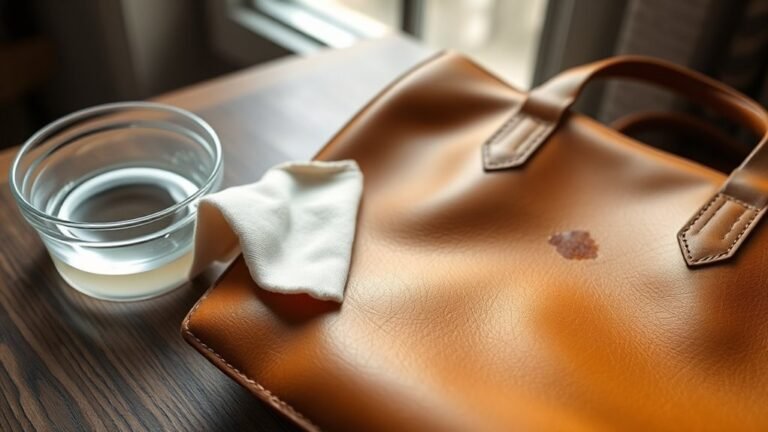
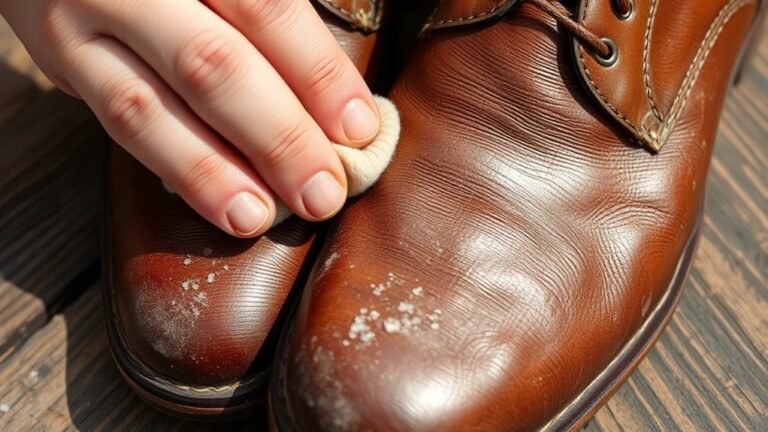
If you notice scratches on your leather furniture, you can often fix minor ones yourself by gently buffing the area with a soft cloth and leather conditioner or a specialized repair cream.
For deeper scratches caused by cat scratching, clean the damaged spot with a gentle leather cleaner first. Then, use a leather repair kit with color-matched fillers and adhesives to restore the surface.
After repair, apply a leather protectant spray to maintain suppleness and prevent further damage. If the scratches are extensive or stubborn, consider consulting a professional leather repair specialist for seamless restoration.
Regular care and timely repairs can keep your leather furniture looking great despite your cat’s scratching habits.
Choosing Durable Furniture Options for Cat Owners
Although cats can be charming companions, their scratching habits can quickly damage your furniture if you don’t choose durable materials. To protect your investment and promote scratching prevention, focus on selecting cat-friendly materials and durable leather furniture designed to withstand wear.
Consider these tips for choosing the right furniture:
- Opt for textured or distressed leather finishes to better hide scratches.
- Choose full-grain leather or high-quality synthetic alternatives made for durability.
- Avoid soft fabrics like velvet or microfiber that attract scratching.
- Select pieces with removable, washable covers for easy maintenance.
- Invest in furniture featuring built-in scratching posts or cat-friendly elements.
Frequently Asked Questions
How Do I Stop My Cat From Scratching My Leather Couch?
You can stop your cat by placing scratching posts nearby, using deterrent sprays or tape on the couch, trimming their claws regularly, covering the leather, and rewarding them for scratching appropriate surfaces to encourage good habits.
What Can I Put on a Sofa to Stop a Cat From Scratching?
You can put double-sided tape, clear plastic film, or vinyl protective sheets on your sofa to deter scratching. Pet-safe citrus or bitter sprays also work well, and washable throws add a barrier while protecting your furniture.
What Scent Will Deter Cats From Scratching Furniture?
You know what they say: prevention is better than cure. Use citrus scents like lemon or orange to deter cats from scratching furniture.
You’ll find eucalyptus or lavender also work well without causing harm.
How to Protect a Leather Couch From Pets?
You can protect your leather couch by covering it with washable throws, using scent-based deterrents like citrus sprays, placing scratching posts nearby, trimming your pet’s claws regularly, and applying motion-activated deterrents to keep pets away.
Conclusion
To stop your cat from scratching your leather couch, you need to understand their behavior, provide appealing alternatives, and use effective deterrents. Cats scratch to mark territory, stretch muscles, and keep their claws healthy. Offering scratching posts or pads can redirect this natural behavior away from your furniture.
You must maintain their claws regularly by trimming them to reduce damage. Training your cat consistently with positive reinforcement helps them learn acceptable scratching spots. Additionally, using protective covers or deterrent sprays on the leather can discourage scratching.
Repair any damage promptly to prevent further destruction and keep your couch looking its best. By combining patience with proactive steps, you’ll protect your furniture, keep your cat happy, and maintain a beautiful home. Remember, incorporating these methods to stop your cat from scratching leather couch ensures a harmonious living space for both you and your pet.