How to Remove Sticker Residue From Leather Step by Step
First, identify your leather type to choose a safe cleaner. Removing sticker residue from leather requires gentle care to avoid damage. Gather mild soap or leather cleaner, a soft cloth, and conditioner.
Test the cleaner on a hidden spot to avoid damage. Gently rub the sticker residue with a damp cloth in circular motions, avoiding harsh scrubbing. Once removed, apply leather conditioner to restore moisture and prevent cracking.
Following these steps keeps your leather looking great. With a bit more care, you can learn even better ways to protect and clean it.
Identify the Type of Leather

Before you begin removing sticker residue, you need to identify the type of leather you’re working with. Different leathers react differently to cleaning methods and products.
For example, aniline leather is untreated and absorbs liquids quickly, so you must be extra cautious.
Nubuck and suede have a fuzzy texture and require gentler care to avoid damage.
If your leather has a glossy finish, it’s likely protected with a topcoat, making it more resistant but still sensitive to harsh chemicals.
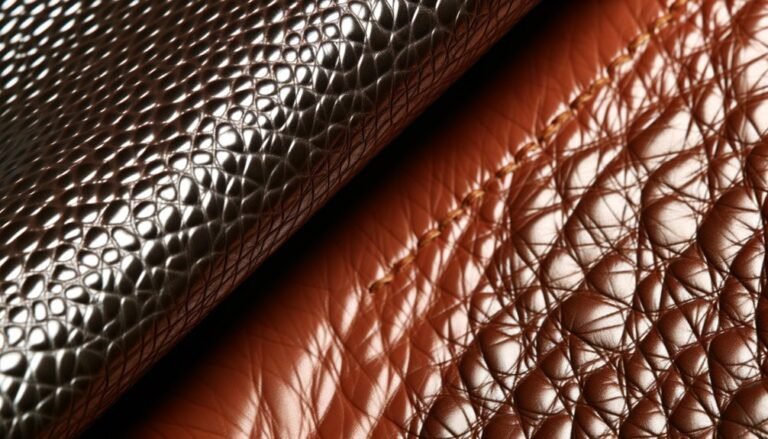
To identify your leather, look closely at its texture and feel.
Smooth and shiny surfaces usually indicate finished leather, while a matte, soft feel often means unfinished or suede.
Knowing this helps you choose the safest way to remove residue without ruining your item.
Gather Necessary Cleaning Supplies

Knowing the type of leather you have helps you select the right cleaning supplies to safely tackle sticker residue. Start by gathering a mild leather cleaner or a gentle dish soap diluted in water. Avoid harsh chemicals that can damage the surface.
You’ll also need a soft cloth or microfiber towel to prevent scratching. For stubborn residue, have some cotton swabs or a soft-bristled toothbrush handy to gently work into crevices. It’s smart to keep a small bowl of clean water nearby for rinsing out your cloth as you clean.
Additionally, get a leather conditioner to restore moisture and protect the leather after cleaning. Having these supplies ready ensures you can work carefully and effectively without risking damage.
Test Cleaning Solution on a Small Area

Since leather can react differently to cleaning solutions, you’ll want to test your chosen cleaner on a small, hidden area first. Pick a spot that’s not easily visible, like the underside or inside seam, to avoid any noticeable damage.
Apply a tiny amount of the cleaning solution with a cotton swab or soft cloth. Wait for about 10 to 15 minutes to see if the leather changes color, texture, or shows any signs of damage like cracking or discoloration.
If the test area looks fine, you can proceed with using the cleaner on the sticker residue. If you notice any adverse effects, try a different cleaner or consult a professional before continuing to protect your leather’s appearance and quality.
Gently Remove Sticker Residue With a Soft Cloth
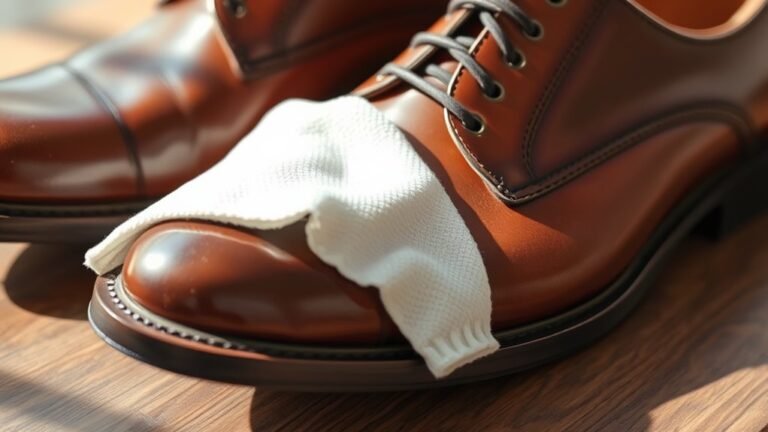
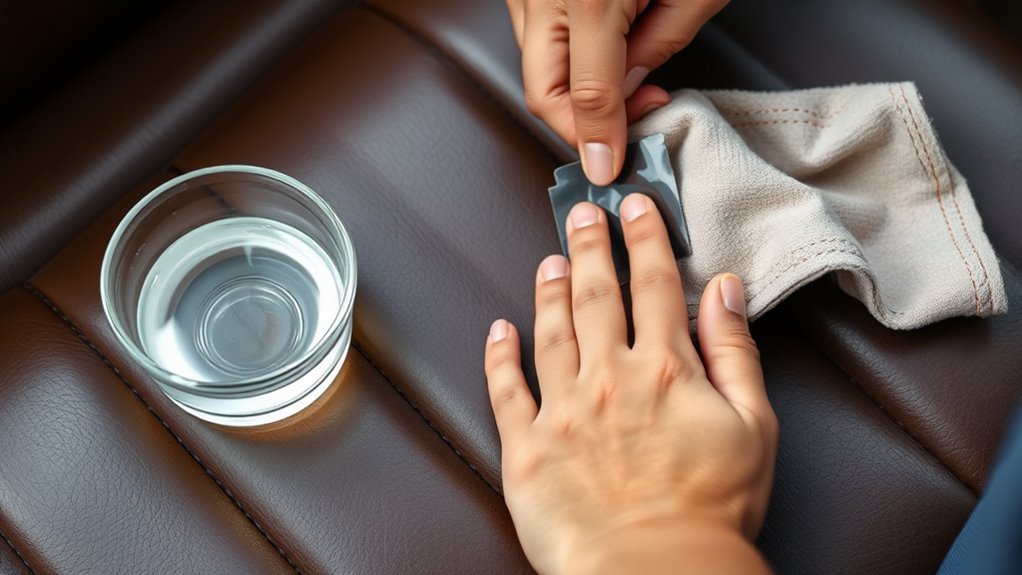
Once you’ve confirmed the cleaner won’t harm your leather, take a soft cloth and gently rub the sticker residue. Use light, circular motions to avoid damaging the leather’s surface.
Don’t press too hard. This helps lift the residue without scratching or discoloring the material. If the residue starts to soften, continue gently wiping until it begins to come off.
Apply gentle pressure to avoid scratches or discoloration, and wipe softly as the residue softens.
You can dampen the cloth slightly with warm water if needed, but avoid soaking the leather. Change to a clean section of the cloth frequently to prevent spreading the residue.
Patience is key here; rushing might cause damage. Keep checking your progress and stop if you notice any adverse effects.
This careful approach guarantees you remove the residue while preserving your leather’s quality.
Use Leather Conditioner to Restore Moisture
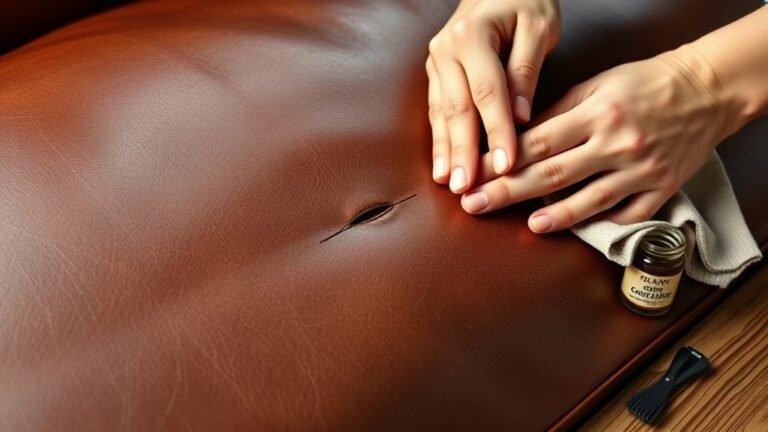
After removing the sticker residue, you’ll want to apply a leather conditioner to replenish the moisture and keep the material supple. Leather can dry out and become brittle after cleaning, so conditioning is essential to maintain its softness and prevent cracks.
Use a small amount of conditioner on a clean, soft cloth and gently rub it into the leather in circular motions. Focus on the treated area but don’t forget the surrounding spots to ensure even hydration.
Let the conditioner absorb for about 15-20 minutes, then buff off any excess with a dry cloth. This step restores the natural oils lost during cleaning and helps protect your leather from future wear, keeping it looking smooth and well-maintained.
Tips for Preventing Future Sticker Residue on Leather
Maintaining your leather’s condition doesn’t just stop at cleaning and conditioning. It also means taking steps to avoid sticker residue in the first place. You can minimize residue buildup by choosing non-adhesive labels or using painter’s tape, which leaves less sticky residue.
Always test adhesives on a hidden area before applying them broadly. Store leather items away from direct sunlight and heat, as these can weaken the leather and make residue removal tougher.
| Prevention Tip | Why It Helps |
|---|---|
| Use removable tape | Leaves minimal adhesive behind |
| Test adhesives first | Avoids damage to leather surface |
| Avoid heat exposure | Keeps leather durable and intact |
Frequently Asked Questions
Can Sticker Residue Damage Leather Permanently?
Yes, sticker residue can permanently damage leather if left too long or removed improperly. You should act quickly and use gentle methods to avoid discoloration, tearing, or weakening the leather’s surface.
Prompt attention helps preserve the leather’s appearance and texture. Using harsh chemicals or abrasive tools can worsen the damage. Always test any cleaning method on a small, hidden area first.
Is It Safe to Use Alcohol-Based Removers on All Leather Types?
You shouldn’t use alcohol-based removers on all leather types, as they can dry out or damage delicate finishes. Always test on a hidden spot first, and opt for leather-specific cleaners when possible to stay safe.
How Long Does It Take for Leather to Dry After Cleaning?
Don’t worry about waiting all day—your leather usually dries within 1 to 3 hours.
Just keep it in a well-ventilated room, away from direct heat or sunlight, so it won’t crack or stiffen.
Can Heat Help in Loosening Sticker Residue on Leather?
Yes, you can use gentle heat, like a hairdryer on low, to soften sticker residue on leather.
Just don’t overheat it; too much heat can damage the leather’s finish or cause discoloration, so be careful.
Are There Specific Brands of Leather Conditioners Recommended for Residue Removal?
You’ll want to try brands like Lexol, Leather Honey, or Chamberlain’s Leather Milk—they’re trusted for conditioning and gently removing residue without damaging leather.
Always test a small area first to avoid any surprises.
Conclusion
So, you’ve bravely battled the sticky sticker residue on your leather like a true warrior. Congrats! Now that your leather’s clean and conditioned, it can finally breathe freely—no more clingy leftovers ruining its vibe.
Just remember, next time you slap a sticker on it, think twice—you’re not trying to create a modern art masterpiece, right? Keep it clean, keep it classy, and your leather will thank you by staying smooth and fabulous.
By following these steps to remove sticker residue from leather, you ensure your leather stays in pristine condition. Proper care and timely removal of sticky residue keep the leather looking its best and prolong its life. You’ve got this!