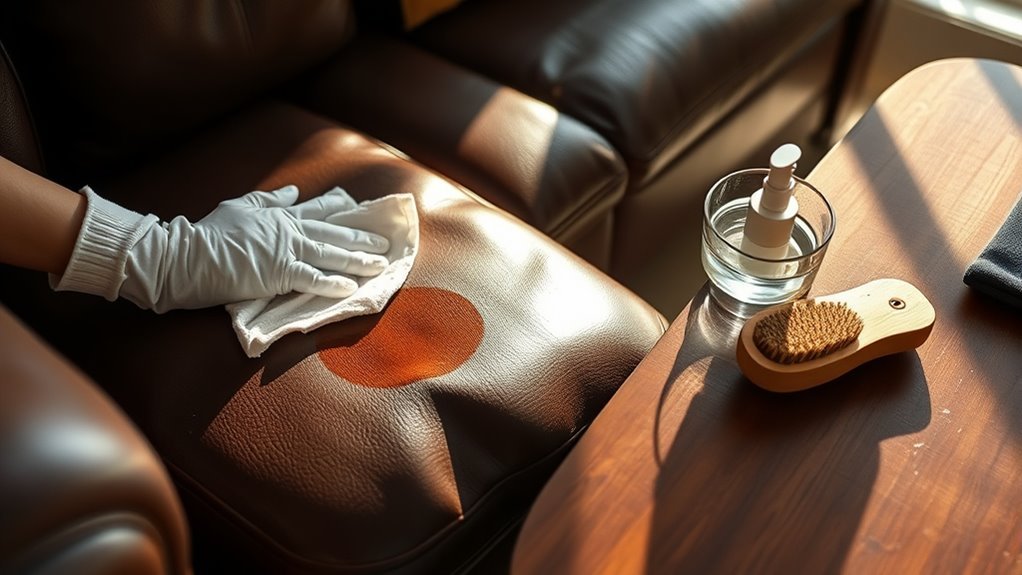
How to Remove Stains From a Leather Sofa Step by Step
How to Remove Stains From a Leather Sofa Step by Step: First, identify your stain type—whether it’s oil, ink, or a food spot. Removing stains from a leather sofa starts with understanding the nature of the stain.
Remove loose dirt with a microfiber cloth, then test cleaners on a hidden area. For light stains, gently blot with mild soap and water, avoiding soaking.
Use cornstarch to absorb oils, and rubbing alcohol carefully for ink. Always dry and condition afterward to keep leather supple.
If you want to master deeper cleaning and protect your sofa further, keep exploring these techniques.
Identifying the Type of Stain on Your Leather Sofa

Before you begin cleaning, you need to identify the type of stain on your leather sofa. Different stains require different treatments, so pinpointing the cause helps you avoid damage.
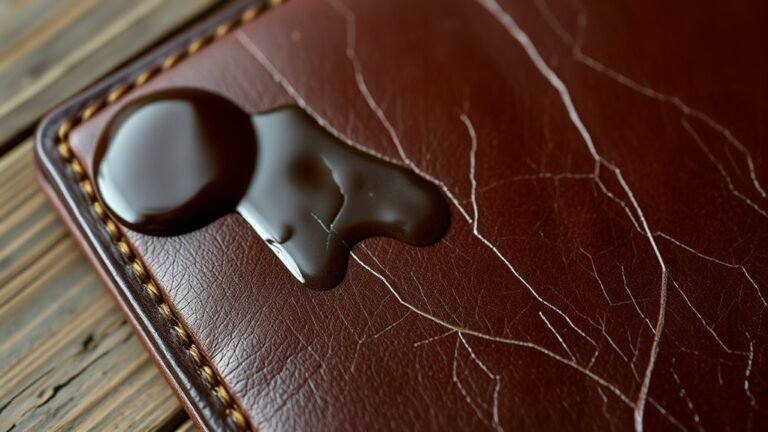
Check if the stain is oily, like grease or makeup, which usually feels slick to the touch. Water-based stains, such as coffee or juice, often appear darker when wet and lighter once dry. Ink stains tend to be sharp and dark, while dye transfer from clothing may look faded or patchy.
Identify stains by feel and appearance: oily feels slick, water-based darken when wet, ink is sharp, dye transfer looks patchy.
If you spot food or mud, that’s a solid stain needing immediate attention. Carefully observe the stain’s size, color, and texture to determine its nature.
Knowing this guarantees you choose the right cleaning method and protect your leather’s finish.
Preparing Your Leather Sofa for Cleaning

Once you’ve identified the type of stain, you can get your leather sofa ready for cleaning. Start by removing any loose dirt or debris using a soft brush or microfiber cloth. This prevents dirt from spreading during cleaning.
Next, test a small hidden area with your chosen cleaning solution to verify it won’t discolor or damage the leather. Make sure the room is well-ventilated and avoid direct sunlight, which can cause fading.
Remove cushions if possible to access all stained areas easily. Keep a clean, dry cloth handy for blotting excess moisture during the process.
Using Mild Soap and Water for Light Stains

Although leather requires gentle care, you can safely tackle light stains using a mild soap and water solution. Start by mixing a small amount of mild soap, like dish soap or castile soap, with warm water.
Dampen a soft cloth with the solution, wring it out well, and gently blot the stained area. Avoid soaking the leather.
Afterward, wipe with a clean damp cloth to remove soap residue, then dry with a soft towel. Test the solution on an inconspicuous spot first to guarantee it doesn’t discolor your sofa.
| Step | Action |
|---|---|
| 1 | Mix mild soap with warm water |
| 2 | Dampen and wring soft cloth |
| 3 | Gently blot the stain |
| 4 | Wipe with clean damp cloth |
| 5 | Dry with a soft towel |
Removing Oil and Grease Stains From Leather
Since oil and grease can quickly seep into leather, you’ll want to act fast to prevent permanent stains. First, gently blot the stain with a clean, dry cloth to absorb excess oil. Don’t rub, as this can spread it.
Next, sprinkle a small amount of cornstarch or talcum powder over the stain and let it sit for several hours or overnight. These powders absorb oil effectively. Afterward, brush off the powder with a soft brush or cloth.
If the stain remains, dampen a cloth with a mixture of mild soap and water, then gently wipe the area. Avoid soaking the leather.
Finally, let it air dry naturally and apply a leather conditioner to restore moisture and prevent cracking. Acting quickly is key to keeping your sofa looking great.
Treating Ink and Dye Stains Safely
How do you tackle ink and dye stains on your leather sofa without causing damage? Start by blotting the stain gently with a clean, dry cloth to absorb excess ink. Don’t rub, as this spreads the stain.
Next, dampen a cotton swab with a small amount of rubbing alcohol or a specialized leather ink remover. Test this on a hidden area first to make certain it won’t discolor the leather. Then, lightly dab the stain, moving from the edges inward to prevent spreading. Avoid soaking the leather.
Once the stain lifts, wipe the area with a damp cloth to remove residue. Finally, condition the leather to restore moisture and prevent drying. Always act fast; fresh stains are easier to remove than old, set-in ones.
Cleaning Mold and Mildew From Leather
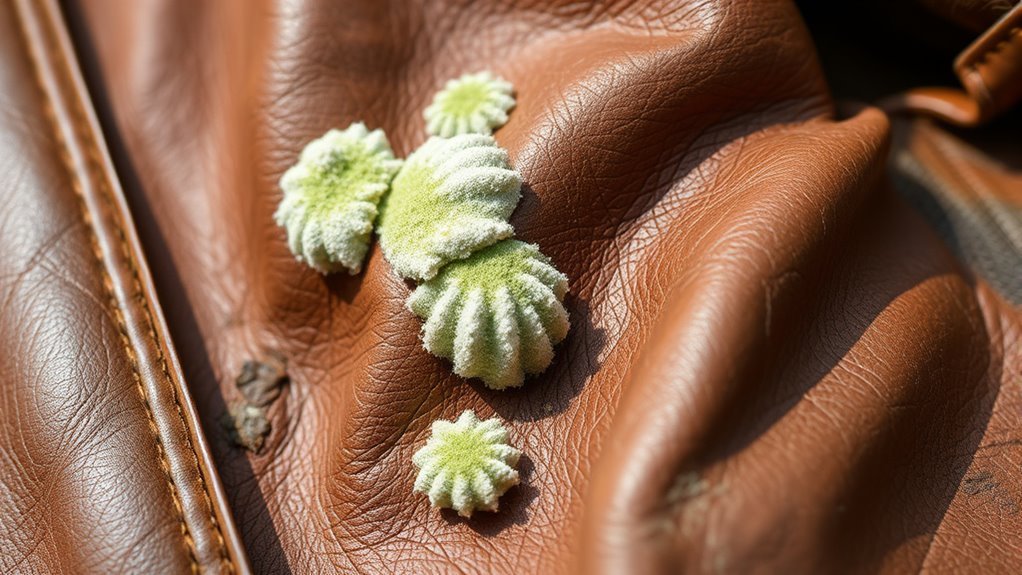
Where do you start when you spot mold or mildew on your leather sofa? First, take the sofa outside or to a well-ventilated area to prevent spores from spreading indoors. Use a soft cloth to gently brush off any loose mold or mildew.
Then, mix equal parts of water and rubbing alcohol in a spray bottle. Lightly mist the affected areas and wipe with a clean cloth. Avoid saturating the leather, as too much moisture can cause damage.
If the mold persists, try a mild soap solution specifically made for leather, applying it carefully with a damp cloth.
Always test any cleaner on a hidden spot before treating visible areas.
Finally, allow the leather to dry completely in fresh air. This method effectively removes mold without harming the leather’s surface.
Applying Leather Conditioner After Cleaning
After cleaning your leather sofa, you’ll want to apply a leather conditioner to restore moisture and maintain its suppleness. Choose a conditioner suitable for your leather type.
Apply a small amount onto a soft, clean cloth and gently rub it into the leather using circular motions.
Focus on areas that looked dry or cracked before cleaning. Avoid over-applying, as too much conditioner can clog pores and cause buildup.
Let the conditioner sit for about 15-20 minutes to penetrate the leather.
Then, buff the surface lightly with a dry cloth to remove any excess and bring out a natural shine.
Conditioning regularly after cleaning helps prevent dryness, cracking, and extends your sofa’s life, keeping it looking soft and vibrant.
Frequently Asked Questions
Can I Use Vinegar to Clean Leather Sofa Stains?
You can use vinegar to clean leather sofa stains, but dilute it with water first to avoid damage. Test a small area, then gently wipe the stain.
Avoid harsh scrubbing to protect the leather’s finish.
How Often Should I Clean My Leather Sofa?
You don’t need to clean your leather sofa daily—it’s not a pet rock. Aim for once a month to keep it fresh, and condition it every 6-12 months so it doesn’t start resembling an ancient scroll.
Is It Safe to Use a Leather Cleaning Machine?
Yes, you can use a leather cleaning machine safely if you follow the manufacturer’s instructions carefully. Test it on a small, hidden area first to avoid damage, and avoid harsh chemicals that might strip the leather’s finish.
Always use the recommended cleaning solutions designed for leather. Avoid soaking the leather, as excess moisture can cause damage.
Regular maintenance and gentle cleaning will help preserve the leather’s look and feel over time.
Can Sunlight Help Remove Stains From Leather?
Sunlight won’t help remove stains from leather; it can actually dry and damage it.
Instead, use a gentle leather cleaner and conditioner to treat stains safely without risking cracks or fading from UV exposure.
What Should I Do if My Leather Sofa Tears During Cleaning?
If your leather sofa tears during cleaning, stop immediately.
Clean the area gently, apply a leather repair kit, or use a patch.
If the damage’s severe, consider hiring a professional to restore it properly.
Conclusion
Now that you know how to tackle different stains on your leather sofa, you’re ready to keep it looking fresh and beautiful. Remember, “a stitch in time saves nine”—address stains promptly to prevent lasting damage.
With gentle cleaning, proper care, and conditioning, your leather sofa will stay soft and vibrant for years to come. Regular maintenance and timely stain removal are key to preserving its appearance and durability.
So, roll up your sleeves and give your sofa the attention it deserves! By following these steps to remove stains from a leather sofa, you can enjoy a spotless and elegant piece of furniture for a long time.