How to Get Rid of Glue on Leather: Easy and Safe Cleaning Tips
To get rid of glue on leather effectively, it’s important to first identify the type of glue—whether it’s super glue, PVA, or solvent-based. Knowing the glue type helps you choose the safest and most efficient removal method. Removing glue from leather requires careful handling to avoid damage.
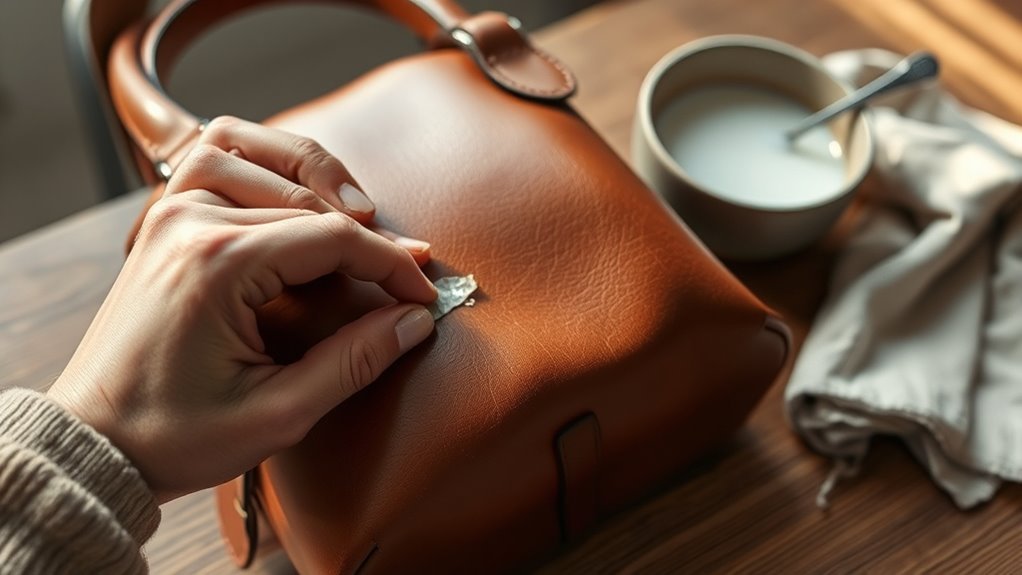
Start by gently softening the glue residue using warm, soapy water or a small amount of oil. This can loosen the adhesive without harming the leather’s surface.
If the glue is stubborn, you may need to try solvents such as acetone, but always test on an inconspicuous area first.
Apply solvents sparingly and avoid harsh scrubbing to prevent further damage. After the glue is removed, conditioning the leather is essential to restore moisture and maintain its texture.
For tougher stains or delicate materials like suede, specialized products and techniques work best.
You’ll also find helpful tips to protect and renew your leather after glue removal, ensuring it stays in great condition.
Identifying the Type of Glue on Leather

Before you try removing glue from leather, you need to identify the type of glue involved. Common adhesive types include super glue, PVA, and solvent-based adhesives.
Super glue dries quickly, leaving a hard, shiny bond that’s tricky to remove without causing leather damage. PVA glue is water-soluble when wet but becomes stubborn once dried glue residue sets in.
Super glue bonds hard and shiny, tricky to remove; PVA glue soft when wet but tough when dry.
Solvent-based adhesives, like contact cement, often require specific solvents such as acetone for effective glue removal. Properly identifying glue helps you choose the safest method to remove glue without harming your leather.
Misjudging the adhesive type risks worsening the problem or damaging the surface. So, focus on identifying glue first to protect your leather and ensure a successful glue removal process.
Gentle Methods for Removing Glue From Leather

When glue lands on your leather, starting with a soft cloth and warm, soapy water can gently lift the residue without causing damage. If that doesn’t do the trick, you might try oil-based removers, but always test them on a hidden spot first to avoid discoloration.
These gentle methods help protect your leather while effectively tackling sticky messes.
Soapy Water Technique
Although glue can be stubborn, you can gently remove it from leather using soapy water. This cleaning technique combines gentle cleaning with effective glue removal. Here’s how to use soapy water for leather cleaning and stain removal:
- Dampen a soft cloth or sponge with warm, soapy water, then gently dab the glue stain on the leather surface.
- Use a clean, damp cloth to carefully wipe away the softened glue residue.
- Repeat the residue wipe process as needed, avoiding soaking the leather to protect it.
- After the glue is gone, dry the area and apply leather care products to restore moisture and flexibility.
Always test soapy water first on a hidden spot to avoid discoloration. This method offers safe, gentle cleaning without harming your leather’s texture or finish.
Oil-Based Removers
A gentle approach to removing glue from leather involves using oil-based removers like olive oil or facial oil. These light oils help soften adhesive, making it easier to lift glue residue without harming the leather surface.
Apply a small amount of olive oil directly onto the glue stain with a soft cloth, then gently rub to loosen the adhesive. Be careful to use oils sparingly and only on the affected area to avoid discoloration.
After oil application, wipe the spot with a clean, damp cloth to remove excess oil and residual glue. Once the glue is removed, apply a leather conditioner to restore moisture and maintain the leather’s flexibility.
This method offers a safe, effective way to remove glue without damaging your leather items.
Using Household Items to Clean Glue Residue

Since you want to remove glue from leather without harsh chemicals, you can rely on common household items that effectively lift residue while protecting the material. For successful glue removal and leather cleaning, follow these steps:
- Gently file dried glue with fine sandpaper or an emery board to lift glue residue without damaging the leather.
- Use a soft sponge dipped in warm, soapy water to dab and loosen stubborn stains gradually.
- Apply rubbing alcohol on a cotton swab for tougher glue spots, but always test it first on a hidden area to avoid discoloration.
- Brush or vacuum away any dust or debris created during the process to prevent scratches.
These household items help maintain proper leather care while tackling glue residue safely and effectively.
Applying Chemical Solvents Safely on Leather
When you use chemical solvents like acetone or rubbing alcohol on leather, you need to test them first on a hidden spot to make certain they won’t cause discoloration or damage. Apply a small amount with a soft cloth or cotton swab for the test patch.
If the test spot shows no discoloration or leather damage, proceed with careful application using minimal solvent to avoid over-saturating the surface. Don’t leave solvents on the leather too long, as prolonged exposure can strip finishes or cause cracking.
After treatment, wipe the area with a damp cloth to remove any residue. Always follow manufacturer instructions for any commercial chemical solvents, and if you’re unsure about compatibility, consult a leather care professional to prevent costly mistakes.
Specialized Products for Leather Glue Removal
When removing glue from leather, using specialized products like Loctite Super Glue Ultra or Loctite Shoe Glue can make a big difference. These adhesives are designed to bond well without leaving residue, but you’ll need to handle glue removers carefully to avoid damaging your leather.
Always test removers on a hidden spot and follow the instructions closely for the best results.
Loctite Super Glue Ultra
Although designed primarily for bonding, Loctite Super Glue Ultra Gel Control can also help you remove dried glue from leather by carefully breaking down residue. This gel formula targets leather glue stains precisely, minimizing runoff and preventing damage to surrounding areas.
To get super glue off leather effectively:
- Test Loctite Ultra Gel on a hidden spot first.
- Apply sparingly on the dried glue.
- Gently work it into the glue stain to loosen adhesive.
- Wipe away residue carefully to avoid discoloration.
Its impact-resistant properties make it ideal for leather repair on items that flex often. Using Loctite Super Glue Ultra for glue removal ensures clear drying and delicate treatment, helping you restore your leather without harsh damage or visible marks.
Loctite Shoe Glue
Loctite Shoe Glue offers a reliable solution for repairing and removing glue on leather footwear due to its water and temperature resistance. This water-resistant glue dries clear and flexible, making it perfect for leather repair without compromising appearance.
If you need to remove glue from leather, use acetone or a specialized adhesive remover carefully to dissolve the dried glue. Always test a small area first to avoid discoloration. Gently rub the solvent on the glue with a soft cloth until it loosens.
After glue removal, apply a leather conditioner to restore the leather’s suppleness and maintain its quality. Proper leather maintenance after using Loctite Shoe Glue guarantees your footwear stays durable and looking great for longer.
Glue Removal Safety
Because leather is delicate, you should choose specialized glue removers designed specifically for it to avoid damage. For effective leather glue removal, always follow these safety precautions:
- Use a leather deglazer or a commercial glue remover formulated as a glue dissolver for the leather surface.
- Avoid harsh solvents like acetone or paint remover, as they can strip finishes and cause cracking.
- Test a small area before full application to prevent discoloration or damage.
- Apply products gently using proper application techniques to carefully remove glue residue without harming the leather.
Removing Glue From Suede Leather
When you need to remove glue from suede leather, start by testing acetone on a hidden spot to guarantee it won’t damage the color. Use a soft cloth or cotton swab to gently dab acetone only on the glue stain, avoiding saturating the suede.
For dried glue, sprinkle talc powder on the area to help clump the adhesive, making it easier to lift. Carefully use a nail file to grind down or scrape the glue without harming the suede’s delicate texture.
This method works well to remove glue from fabric and can also help get super glue off leather shoes. Repeat the steps as needed, then brush the suede softly to restore its nap and keep your leather looking fresh.
Techniques to Avoid Leather Damage During Glue Removal
Although removing glue from leather can be tricky, you can protect your item’s finish by using gentle techniques and careful application of cleaning agents. To avoid surface damage and ensure leather protection, follow these steps:
-
- Test harmless solvents like acetone or alcohol on a hidden spot first to check for discoloration.
- Use a soft cloth or cotton swab for minimal application. Never soak the leather.
- Apply a gentle dab instead of vigorous rubbing; avoid scrubbing to prevent scratches.
- Let the solvent sit briefly, then carefully lift softened glue without aggressive scraping.
Post-Removal Care and Leather Conditioning
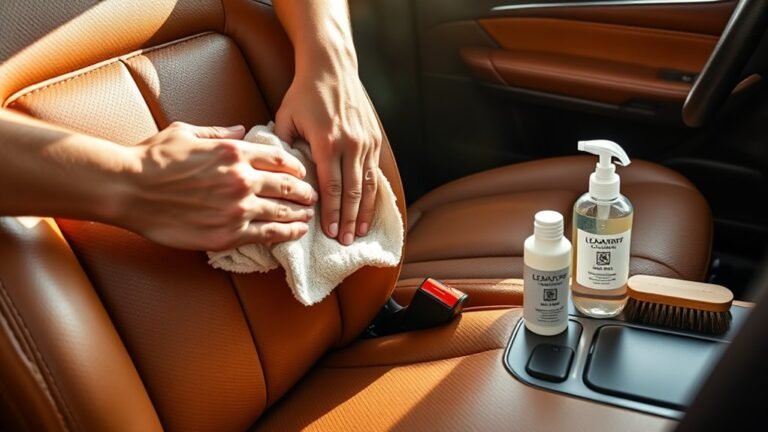
Once you’ve removed the glue, make sure to clean and dry the leather thoroughly before applying any conditioner. Proper leather cleaning guarantees all glue residue and solvents are gone, preventing damage during leather conditioning.
Thoroughly clean and dry leather after glue removal to ensure safe and effective conditioning.
Allow sufficient drying time, at least 24 hours, so the surface preparation is complete and no moisture remains. Using quality conditioning products supports moisture restoration, helping the leather regain its suppleness and natural shine.
Regular leather maintenance after glue removal prevents cracking and uneven patches, essential for effective leather repair. Always test conditioning products on a hidden area first to avoid unwanted color or texture changes.
Following these steps guarantees your leather stays healthy, extending its life and keeping it looking great after glue removal. Prioritize careful leather care to maintain its quality and durability.
Alternative Solutions for Concealing or Covering Glue Stains
If glue stains prove stubborn to remove completely, you can still restore your leather’s appearance by concealing or covering the affected area. Consider these alternative solutions for effective leather repair:
- Apply a new leather lining over the glue stain to conceal glue without harming the original surface.
- Patch the leather by gluing a fresh layer or piece, hiding the stain and reinforcing the item.
- Incorporate decorative elements like embroidery, appliqué, or studs to creatively cover glue stains.
- After covering the stain, use leather dye to recolor and blend the repair seamlessly with the rest of the leather.
These methods let you cover glue stains while enhancing your leather’s look, ensuring your item stays stylish and durable.
Frequently Asked Questions
Is Goo Gone Safe on Leather?
Yes, Goo Gone is safe on leather if you use it carefully and sparingly. You should always patch test first, then clean the area thoroughly after application to avoid any damage or discoloration.
How to Get Dried Glue off Leather?
You’ll want to gently file the dried glue, then dab acetone or rubbing alcohol on a cotton swab to soften it. Wipe it away carefully, repeating if needed, and finish by conditioning your leather to keep it supple.
How to Remove Sticky Residue in Leather?
Did you know 80% of leather damage comes from improper cleaning? To remove sticky residue, gently dab rubbing alcohol with a cotton swab, test first, then apply leather conditioner to restore softness and prevent cracking.
Is Rubbing Alcohol Bad for Leather?
Yes, rubbing alcohol can harm leather by drying it out or causing discoloration. You shouldn’t apply it directly; instead, test a hidden spot first or opt for safer, specialized leather cleaners to protect your leather’s finish.
Conclusion
Now that you know how to identify and safely remove glue from your leather, isn’t it worth taking a little extra care to preserve its beauty? From gentle household methods to specialized products, you’ve got options that keep your leather looking great without damage.
Remember, patience and proper conditioning after removal make all the difference. So, why settle for a sticky mess when you can restore your leather to its original elegance?
Using the right techniques to get rid of glue on leather ensures your items remain in top condition. Keep your leather clean, supple, and beautiful by following these glue removal tips carefully.