How to Clean a Leather Sofa: Step-by-Step Guide for a Spotless Finish
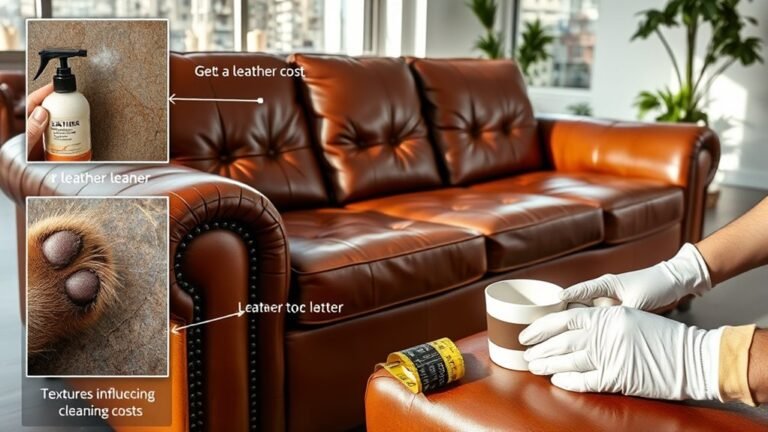
To clean your leather sofa effectively, start by removing cushions and vacuuming with a soft brush to eliminate debris.
Using the right leather cleaner or a mild soap is essential for maintaining its quality. Begin with a damp microfiber cloth, wiping gently in circular motions to avoid damaging the leather.
Always spot test any cleaner first and blot spills immediately to prevent stains.
After cleaning, let the sofa air dry completely before applying a leather conditioner.
Conditioning every 6 to 12 months helps keep the leather supple and prevents cracking.
Protect your sofa from heat and direct sunlight, which can cause damage over time.
Regular care will prolong your sofa’s life and keep it looking great.
Stick around to discover tips on tackling stains and prolonging your sofa’s life.
Preparing Your Leather Sofa for Cleaning

Before you start cleaning your leather sofa, make sure to check the manufacturer’s care label for specific instructions. This helps you avoid damage by following the recommended gentle approach.
Begin by removing all cushions, throws, and decorative items to access every surface and crevice. Use a vacuum with a soft brush attachment to remove loose debris and dusting particles thoroughly.
Start by clearing cushions and decor, then vacuum with a soft brush to clean every nook and cranny.
If you don’t have a vacuum, a microfiber cloth works well for dusting and wiping down the leather. Before applying any cleaning product, always perform a spot test on a hidden area to ensure it won’t discolor or harm the leather.
Prepare your cleaning supplies in advance, including leather cleaner and conditioner, and consider using a protective cover on nearby furniture to prevent accidental spills or stains during the process.
Essential Tools and Supplies Needed
When cleaning your leather sofa, having the right tools and supplies makes the process smoother and more effective. You’ll want to gather essential cleaning supplies that protect and preserve your sofa’s leather.
Here are four key items to have on hand:
- A small vacuum or handheld vacuum with a soft-brush attachment for thorough dust removal in crevices and surfaces.
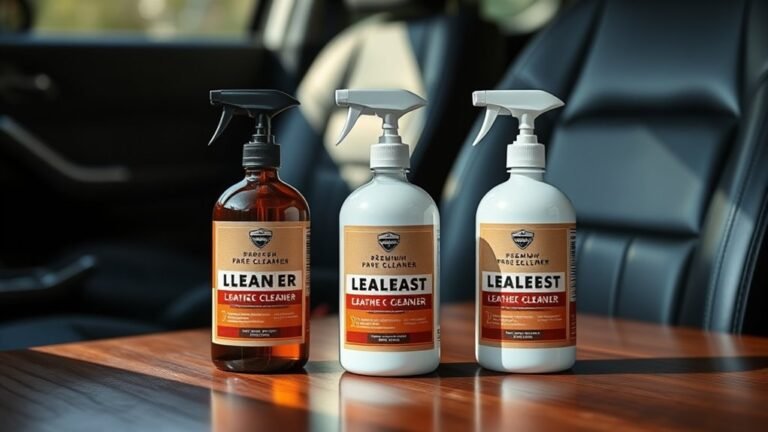
- A leather cleaner designed specifically for leather, ensuring safe and effective cleaning without damage.
- Several lint-free microfiber cloths for gentle wipe, drying, and buffing throughout the process.
- Leather conditioner to apply after cleaning, keeping leather supple and preventing cracks.
Using microfiber cloths and a damp cloth with the right products guarantees your sofa stays clean and well-maintained.
Step-by-Step Cleaning Process for Leather Sofas
Although cleaning a leather sofa might seem intimidating, following a clear, step-by-step process makes it manageable and effective. First, vacuum your sofa thoroughly using a soft-brush attachment to remove dust and debris.
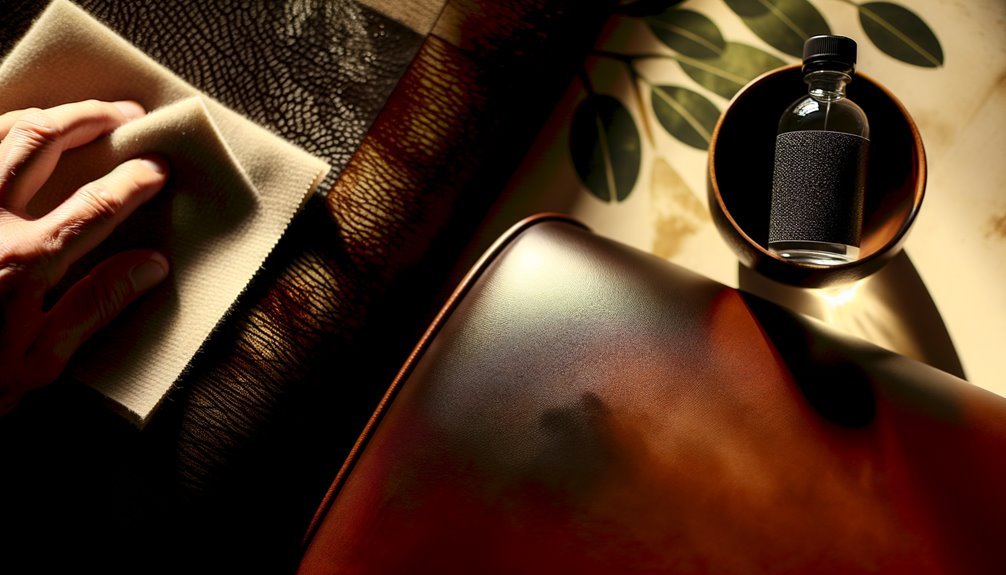
Next, dampen a microfiber cloth with leather cleaner or a gentle mix of distilled water and mild soap. Use circular motions to gently wipe the leather, ensuring you apply a gentle wipe to avoid damage.
Dampen a microfiber cloth with leather cleaner or mild soap solution, then gently wipe the leather in circular motions to clean.
Immediately follow with a dry microfiber cloth to prevent water damage from excess moisture. Let the sofa air dry completely. This usually takes about 24 hours.
Once dry, apply a leather conditioner evenly to nourish the material and protect it from future wear. This routine keeps your leather sofa clean, supple, and well-protected.

Handling Stains and Spot Treatments
Since stains can set quickly on leather, you’ll want to act fast and blot spills with a clean, absorbent cloth to minimize damage. For effective spot treatment, follow these steps:
- Blot spills immediately using an absorbent cloth to prevent stains from setting.
- Gently lift water-based stains with a soft cloth dampened with distilled water. Avoid oversaturating the leather.
- For grease or oil stains, sprinkle baking soda or talcum powder on the spot and leave it overnight before brushing off.
- Dab ink stains carefully with a cotton swab dipped in rubbing alcohol, testing first on a hidden area to avoid discoloration.
Avoid rubbing or scrubbing stains, as this can spread them or damage the leather’s surface during cleaning.
Conditioning and Maintaining Leather
After taking care of stains, you’ll want to focus on conditioning your leather sofa to keep it soft and durable. Use a high-quality leather conditioner every 6 to 12 months to restore natural oils and maintain leather’s supple texture.
Take a soft cloth and apply the conditioner evenly, working it in with gentle circular motions to ensure full absorption. This conditioning routine helps prevent cracks and keeps your sofa looking its best.
Be careful not to over-condition, as too much product can leave a sticky or greasy surface. After conditioning, make sure to protect from sunlight and heat sources, which can dry out the leather and reduce the benefits of your care.
With proper conditioning and maintenance, your leather sofa will stay soft and durable for years.
Tips to Protect and Prolong Leather Sofa Lifespan
To keep your leather sofa looking its best for years, you’ll want to regularly clean and condition it every 6 to 12 months. Your leather sofa requires proper care to maintain its natural oils and prevent cracking.
Regular cleaning and conditioning every 6 to 12 months keeps your leather sofa looking its best and prevents cracking.
Here are four tips to protect the leather and extend lifespan:
- Use leather-specific cleaners and conditioners to maintain its natural oils without causing damage.
- Avoid harsh chemicals like ammonia or bleach that can strip the leather’s finish.
- Keep away from heat sources such as radiators or fireplaces to prevent drying and cracking.
- Prevent sun damage by shielding the sofa from direct sunlight with curtains or UV-protective films.
With regular cleaning and care, you’ll successfully condition your leather and keep it looking beautiful longer.

Frequently Asked Questions
What Is the Best Thing to Clean a Leather Couch With?
You should use a pH-balanced leather cleaner made specifically for furniture. It’s gentle, effective, and won’t damage your couch.
Always spot test first, then follow up with a leather conditioner to keep it soft and supple.
What Household Products Can You Use to Clean Leather?
You might think vinegar works wonders, but stick to mild soap mixed with distilled water or Castile soap to clean leather. Avoid harsh stuff like bleach or alcohol. They’ll damage your sofa instead of helping it shine.
Can I Use Dawn Dish Soap to Clean My Leather Couch?
You shouldn’t use Dawn dish soap on your leather couch because it can dry out and damage the leather. Instead, choose a pH-balanced leather cleaner and conditioner to keep your sofa soft and looking great.
What Should You Not Use on Leather?
Don’t treat your leather like a fragile relic from a museum. Avoid harsh soaps, solvents, ammonia, vinegar, or Dawn dish soap.
Stay away from steam cleaners, rough scrubbing, and alcohol-based products to keep it smooth and lasting.
Conclusion
Now that you know how to clean and care for your leather sofa, keeping it looking fresh is a breeze. Treat your sofa like a trusted friend—give it regular attention, gentle cleaning, and a little conditioning love.
By following these simple steps, you’ll protect its beauty and extend its life. This will turn your leather sofa into a timeless centerpiece that welcomes you home, season after season.
Regular cleaning and conditioning are key to maintaining your leather sofa’s appearance and durability. With proper care, your leather sofa will remain soft, supple, and elegant for years to come.