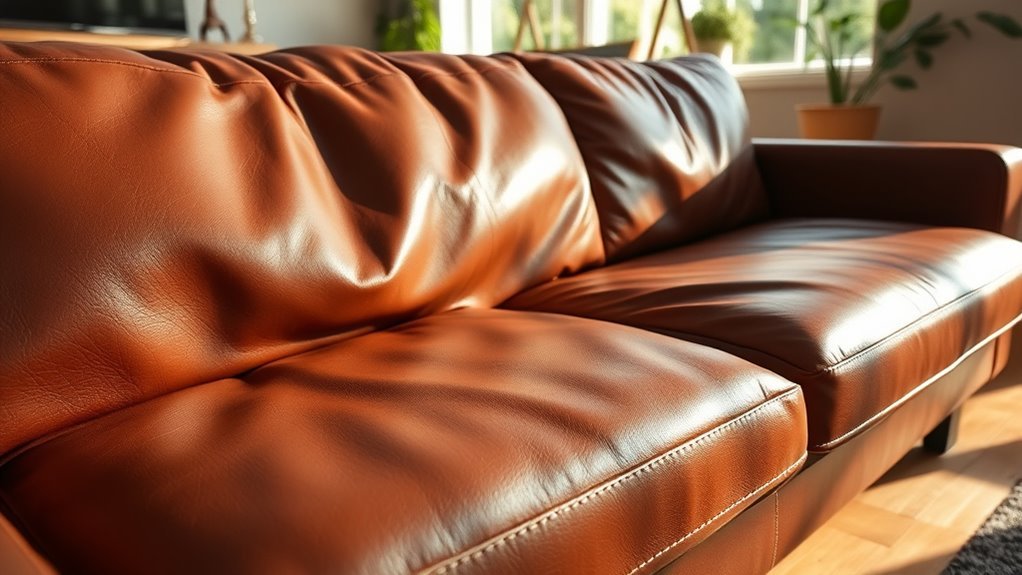
How Long Does a Leather Sofa Last With Proper Care?
With proper care, your leather sofa can last 10 to 20 years or more. Maintaining a leather sofa involves regular cleaning and conditioning to keep the material supple and prevent damage. Cleaning it regularly and conditioning the leather every 6 to 12 months are essential steps in extending its lifespan.
Protect your sofa from direct sunlight and heat to avoid cracking and fading. Rotating cushions and avoiding spills will help maintain its shape and appearance. These simple practices ensure your leather sofa remains comfortable and visually appealing for years.
If you want to learn about the types of leather and signs that indicate when your sofa needs repair or replacement, keep exploring further. Understanding these aspects can help you make informed decisions about your sofa’s care and longevity.
Factors Influencing the Lifespan of a Leather Sofa

Although leather sofas are known for their durability, several factors directly affect how long yours will last. How often you use your sofa plays a big role. Daily heavy use will wear it out faster than occasional lounging.
The environment matters too. Exposure to direct sunlight or extreme humidity can cause leather to crack or fade.
Your cleaning routine also influences lifespan. Neglecting regular dusting and conditioning allows dirt to settle and dry out the leather.
In the end, the quality of the sofa’s construction, including stitching and frame strength, impacts durability. If you want your leather sofa to last, you’ll need to weigh these factors carefully and adjust your care and usage habits accordingly.
Types of Leather and Their Durability

When choosing a leather sofa, understanding the different types of leather can help you predict how long it will last.
Full-grain leather, the highest quality, retains the natural surface and improves with age. It often lasts 15 to 20 years or more.
Top-grain leather, slightly sanded and treated, offers durability and a smooth finish. However, it may not develop the same patina as full-grain leather. It typically lasts around 10 to 15 years.
Genuine leather, which is lower quality and heavily processed, tends to wear out faster. Its lifespan is usually 5 to 7 years.
Bonded leather, made from leather scraps, has the shortest lifespan. It can start peeling within a few years.
Essential Care and Maintenance Practices

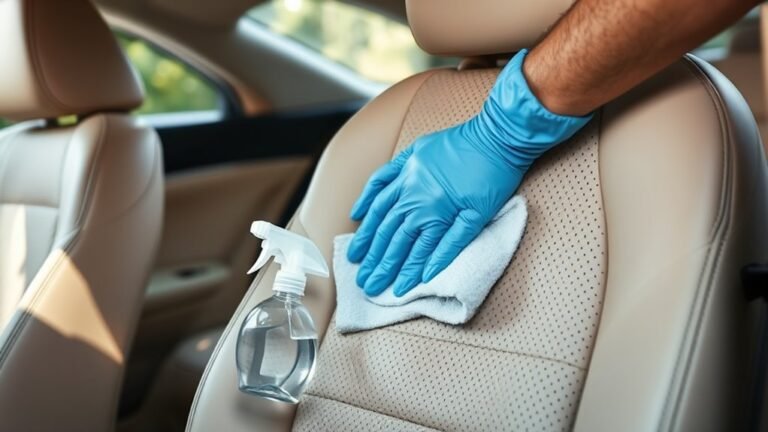
Since leather sofas are an investment, you’ll want to maintain them properly to extend their lifespan and keep them looking great. Start by dusting your sofa weekly with a soft, dry cloth to prevent dirt buildup. Avoid using harsh chemicals; instead, clean spills immediately with a damp cloth and mild soap.
Condition your leather every 6 to 12 months to keep it supple and prevent cracking. Keep your sofa out of direct sunlight and away from heat sources, which can dry out and fade the leather.
Rotate cushions regularly to ensure even wear.
Common Issues That Affect Longevity
Even if you care for your leather sofa diligently, certain common issues can still shorten its lifespan. Exposure to direct sunlight can cause fading and drying, leading to cracks.
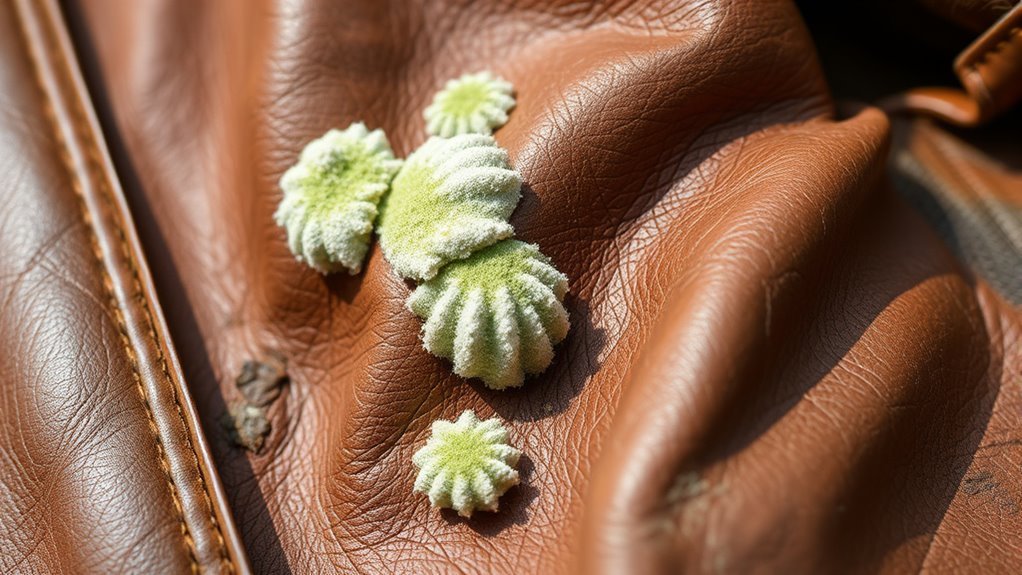
Frequent contact with heat sources, like radiators, also dries out the leather, weakening it over time. Spills left unattended may stain or cause mildew, especially on untreated leather.
Pets can scratch or puncture the surface, and sharp objects can cause tears. Overloading the sofa with weight or unevenly distributing pressure can deform cushions and strain the frame.
Dust and dirt trapped in creases abrade the leather when you sit or move. Recognizing these factors helps you take extra precautions, ensuring your sofa stays beautiful and durable as long as possible.
Signs It’s Time to Repair or Replace Your Sofa
If your leather sofa shows deep cracks, persistent stains, or structural damage, it’s time to contemplate repair or replacement. Ignoring these signs can worsen the condition and reduce comfort.
Here are four clear indicators that action is needed:
1. Visible Cracks and Tears
These worsen over time, exposing the interior and compromising durability.
2. Loss of Cushion Support
If cushions sag or feel uneven, the frame or padding likely needs fixing.
3. Foul Odors or Stains
Persistent smells or stains signal deep damage or mold, hard to clean fully.
4. Broken Frame or Legs
Noticeable wobbling or broken parts affect safety and usability.
Addressing these issues promptly can extend your sofa’s life or help you decide when replacement is the better option.
Frequently Asked Questions
Can Leather Sofas Be Recycled or Repurposed After Use?
Yes, you can recycle or repurpose leather sofas after use. You’ll find creative ways to upcycle the leather into accessories or donate the frame for reuse. It’s a great way to reduce waste and extend leather’s life.
How Does Climate Affect Leather Sofa Lifespan?
Like a plant needing the right sun, your leather sofa thrives in stable climates. Extreme heat dries it out, while humidity breeds mold.
Are Leather Sofas Hypoallergenic?
Yes, leather sofas are generally hypoallergenic because they don’t trap dust, pet dander, or allergens like fabric sofas do. You’ll find them easier to clean, making them a great choice if allergies bother you.
What Are the Environmental Impacts of Leather Sofa Production?
Imagine a forest sacrificed for a grand feast—leather sofa production demands resources, water, and energy, causing deforestation and pollution.
You can choose eco-friendly options, helping nature breathe easier while enjoying stylish comfort.
Can Pet Hair Damage Leather Sofas Permanently?
Pet hair itself won’t permanently damage your leather sofa, but if you don’t clean it regularly, dirt and oils trapped in the hair can cause wear or stains over time.
Conclusion
With proper care, your leather sofa can last for decades, retaining its beauty, comfort, and charm. By choosing the right type of leather, cleaning regularly, conditioning thoughtfully, and addressing issues promptly, you’ll protect your investment, enhance its durability, and enjoy lasting relaxation.
Remember, paying attention to wear, fixing damage early, and replacing parts when needed will keep your sofa looking great and feeling cozy for years to come. Proper care is essential to maximize the lifespan of your leather sofa and maintain its luxurious appeal.