
How Do You Wear Leather on Yom Kippur?
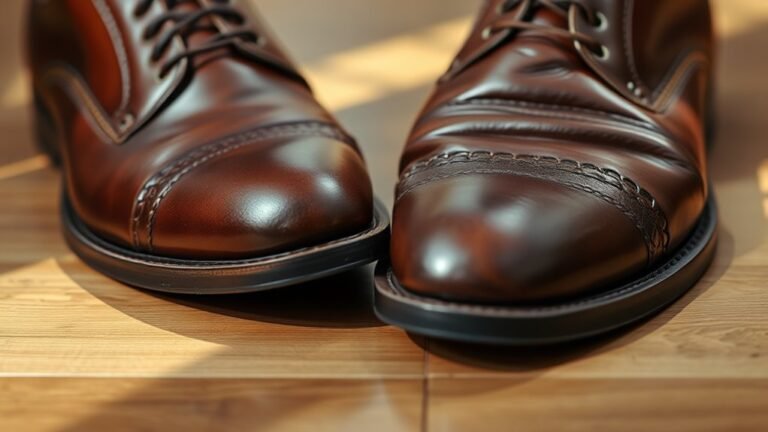
You don’t wear leather on Yom Kippur because tradition prohibits leather shoes and accessories to promote humility and spiritual focus. This practice emphasizes detachment from physical comforts and helps deepen the solemnity of the day.
Instead, opt for synthetic or fabric footwear like sneakers or canvas shoes. Swap leather belts or watchbands for non-leather alternatives. Avoid leather wallets and bags as well.
These choices support the spiritual intent of Yom Kippur by encouraging simplicity and reflection. If you’d like, you can explore how different communities observe this and ways to stay comfortable while honoring this custom.
Historical Background of Leather Restrictions on Yom Kippur

Although you might be curious about why leather is off-limits on Yom Kippur, its restriction stems from ancient Jewish laws that emphasize humility and spiritual purity.
Historically, leather shoes symbolized comfort and status, so avoiding them helped worshippers adopt a humble stance during this solemn day.
Leather shoes represented comfort and status, so their avoidance fosters humility on Yom Kippur.
You’ll find that the prohibition dates back to the Talmudic era, where sages linked leather footwear with everyday pleasure, which contrasts the solemnity required on Yom Kippur.
Over time, this practice became a clear, tangible way to mark the day’s seriousness.
When you observe this tradition, you’re connecting with generations who chose simplicity over luxury to focus on repentance and reflection.
This historical context sets the stage for understanding why leather carries such significance on this holy day.
Religious Significance of Avoiding Leather

Since Yom Kippur calls you to focus on spiritual purity and humility, avoiding leather serves as a physical reminder to detach from material comfort and status. Leather, often linked to durability and luxury, symbolizes worldly pleasures and physical needs.
By refraining from wearing leather, you actively express your commitment to self-denial and spiritual reflection. This practice helps you shift your mindset away from physical indulgence and toward repentance and inner growth.
It’s not just about the material item itself but what it represents: pride, power, and physical ease. Choosing to avoid leather encourages you to embrace vulnerability and humility, key themes of Yom Kippur.
This tangible act deepens your connection to the day’s solemn purpose, helping you focus on spiritual renewal rather than external appearances.
Common Types of Leather Items to Avoid

When observing Yom Kippur, you should steer clear of common leather items like shoes, belts, and wallets, as these are typically the most noticeable leather accessories.
Besides these, avoid leather watchbands, briefcases, and leather phone cases, since they also contain animal hide.
Even small leather details on clothing, such as patches or trims, should be skipped to fully honor the tradition.
Some leather gloves or hats might also need to be set aside for the day.
It’s important to recognize that any item made from leather, no matter how subtle, falls under the prohibition.
Acceptable Footwear Alternatives on Yom Kippur
If you want to honor the tradition while staying comfortable, you’ll need to choose footwear that doesn’t contain leather. Luckily, there are plenty of alternatives that keep you both respectful and comfortable during Yom Kippur.
You can opt for shoes made from synthetic materials, canvas, or even rubber. Slip-ons, sneakers, and sandals crafted without leather are great options. Here’s a quick guide to help you decide:
| Footwear Type | Material | Best For |
|---|---|---|
| Sneakers | Synthetic mesh | Casual, everyday use |
| Slip-ons | Canvas | Easy on/off |
| Sandals | Rubber | Warm weather |
| Loafers | Non-leather faux | Formal settings |
Choosing non-leather footwear lets you respect the fast without sacrificing comfort or style.
How Different Jewish Communities Approach Leather Use
Although many Jewish communities share the practice of refraining from leather on Yom Kippur, you’ll find variations in how strictly this tradition is observed and interpreted across different groups.
Many Jewish communities avoid leather on Yom Kippur, though observance varies by tradition and interpretation.
For example, Orthodox communities typically avoid all leather items, including shoes and belts, to honor the day’s solemnity.
Conservative and Reform Jews might follow similar customs but sometimes allow exceptions, especially for essential footwear.
In Sephardic communities, there can be subtle differences, with some leniencies regarding leather gloves or accessories, depending on local customs.
Your approach will likely depend on your community’s customs and rabbinic guidance.
Understanding these nuances helps you respect the tradition while aligning with your community’s practices on this sacred day.
Practical Tips for Preparing Non-Leather Attire
Since leather is traditionally avoided on Yom Kippur, you’ll want to plan your outfit carefully to guarantee comfort and respect for the day’s customs.
Focus on selecting materials that feel good and honor the solemnity of the day.
- Choose natural fabrics like cotton, linen, or wool for breathability and ease.
- Opt for simple, modest designs that align with Yom Kippur’s reflective tone.
- Check labels to ensure no hidden leather components like trims or buttons.
- Prepare your clothes in advance to avoid last-minute stress and ensure they’re clean and wrinkle-free.
Handling Leather Accessories During Yom Kippur
When you observe Yom Kippur, handling leather accessories requires thoughtful consideration to respect the day’s customs. Since leather shoes and belts are traditionally avoided, you might want to set these aside before the holiday begins.
If you usually carry a leather wallet or bag, consider switching to cloth or synthetic alternatives for the day. This helps maintain the spirit of the fast and humility that Yom Kippur emphasizes.
If you need to wear a watch with a leather strap, you could replace it with a metal or fabric band.
When it comes to small leather items, like keychains or phone cases, try to minimize their use or keep them out of sight.
Being mindful about these details helps you honor the solemnity of Yom Kippur fully.
The Role of Humility in Yom Kippur Dress Codes
Because Yom Kippur calls for deep reflection and repentance, your clothing should reflect humility rather than extravagance.
When choosing what to wear, keep these points in mind:
- Opt for simple, modest attire that doesn’t draw attention.
- Avoid flashy accessories or ornate leather items that contradict the day’s solemnity.
- Select colors and fabrics that express solemn respect, such as white or neutral tones.
- Remember that humility in dress echoes the spiritual humility you seek during prayer and fasting.
Modern Adaptations and Exceptions in Leather Wearing
Although traditional Yom Kippur guidelines discourage wearing leather shoes as a sign of humility and mourning, many communities have developed modern adaptations that balance respect for custom with practical needs.
Traditional Yom Kippur practices avoid leather shoes, yet many now adapt customs to honor both tradition and practicality.
You might find some who wear leather footwear that’s minimal or symbolic, like simple sandals, instead of full leather shoes.
Others choose non-leather alternatives made from synthetic materials that look similar but avoid the traditional prohibition.
In some cases, people with health issues or mobility concerns are permitted to wear leather shoes to ensure safety and comfort during long prayers.
These exceptions show that while the spirit of Yom Kippur remains central, practical considerations shape how you might observe the custom without feeling restricted or disconnected from the day’s meaning.
How to Respect Traditions While Staying Comfortable
While honoring Yom Kippur traditions, you can still prioritize your comfort by choosing footwear that respects the custom without causing discomfort. Here’s how to balance respect and ease:
- Opt for soft-soled shoes or slippers that avoid full leather construction but still look neat.
- Choose breathable fabrics or suede alternatives that give the appearance of leather yet remain comfortable.
- Limit leather use to accessories, like belts or watchbands, if your community permits, to reduce discomfort.
- Ensure your footwear fits well to prevent blisters or pain during long prayer sessions.
Frequently Asked Questions
Can Leather Gloves Be Worn During Yom Kippur?
You shouldn’t wear leather gloves on Yom Kippur because wearing leather is traditionally avoided to honor the day’s restrictions.
Opt for non-leather gloves if you need to keep your hands warm or protected.
Is Leather Jewelry Considered Forbidden on Yom Kippur?
Leather jewelry isn’t forbidden on Yom Kippur, but it’s tricky. Since leather is generally avoided, you’ll want to skip it to honor the day’s solemn spirit—after all, your intent speaks louder than what you wear.
How Do Children Observe Leather Restrictions on Yom Kippur?
You encourage children to avoid leather shoes and belts on Yom Kippur, opting for fabric or rubber alternatives. Teaching them the tradition helps build understanding and respect for the day’s customs, even at a young age.
This practice not only honors the solemnity of Yom Kippur but also instills a sense of discipline and mindfulness in children. By explaining the significance behind the leather restriction, children can appreciate the deeper meaning of the day.
Choosing comfortable, non-leather footwear and accessories allows them to participate fully in the observance. This approach fosters a meaningful connection to the holiday’s values and traditions.
Are Leather Belts Allowed if They Are Not Visible?
You shouldn’t wear leather belts on Yom Kippur, even if they’re not visible.
The prohibition applies to wearing leather items regardless of visibility, so it’s best to avoid leather belts entirely to honor the day’s restrictions.
What About Leather Book Covers During Yom Kippur?
Funny enough, your leather book cover doesn’t break Yom Kippur rules since it’s not worn on your body.
Conclusion
On Yom Kippur, steering clear of leather is like walking a path lined with humility and respect. You’ll want to avoid leather shoes and accessories, opting instead for comfortable alternatives that honor tradition without sacrificing comfort.
Remember, each step you take reflects your commitment to the day’s solemnity. By balancing respect for customs with personal ease, you’re not just wearing tradition—you’re living it.
Making your observance both meaningful and mindful involves understanding how to wear leather on Yom Kippur in a way that respects the day’s significance.