Can Leather Boots Be Worn in the Rain?
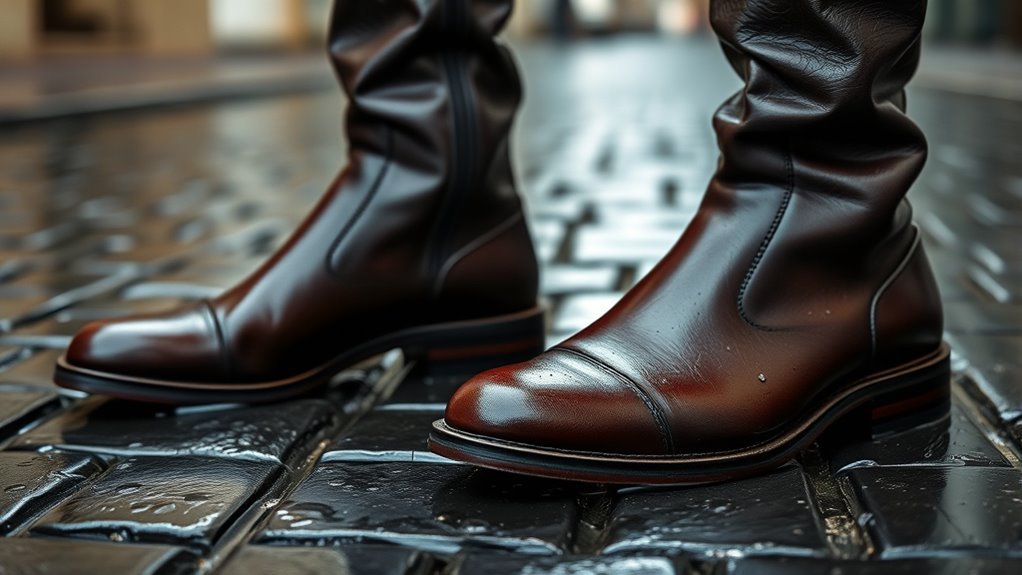
You can wear leather boots in the rain, but they aren’t fully waterproof on their own. Leather boots in wet weather require some extra care to keep them looking good and lasting longer. If you want to protect your boots, you’ll need to treat them with a waterproofing product like wax or spray before stepping out.
Avoid deep puddles to prevent excessive water exposure. If your boots do get wet, dry them naturally away from direct heat. Taking these simple steps protects your boots and ensures your comfort in rainy conditions.
Keep going to discover the best care tips for wearing leather boots in rainy weather.
Understanding the Water Resistance of Leather

Although leather naturally repels some water, it isn’t fully waterproof. When you wear leather boots in wet conditions, moisture can seep through tiny pores and seams. This means your feet might get damp if you’re not careful.
The leather’s natural oils help resist water to a degree, but prolonged exposure to rain or puddles will eventually saturate the material. You can expect some water resistance, but it won’t keep you dry in heavy or extended downpours without additional protection.
To maintain your boots’ water resistance, you’ll need to apply treatments like waxes or sprays designed for leather. Remember, untreated leather can absorb water, causing stains, stiffness, or damage over time, so regular care is key when facing wet weather.
Types of Leather Suitable for Rainy Weather

Understanding how different types of leather handle moisture can help you choose the best boots for rainy weather. Full-grain leather is a solid choice because it’s dense and naturally water-resistant, offering good protection against light rain.
Full-grain leather offers natural water resistance, making it ideal for boots in light rainy conditions.
Nubuck leather, while made from top-grain hide, has a soft, velvety surface that can absorb water more easily, so it’s less ideal unless treated.
On the other hand, oiled or waxed leather is excellent for wet conditions since it has been infused with oils or waxes that repel water effectively.
Correctly selecting leather types like full-grain or treated oiled leather ensures your boots withstand rainy days without getting damaged.
Avoid suede or untreated leathers, as they soak up water quickly and can deteriorate fast.
How to Waterproof Leather Boots Effectively

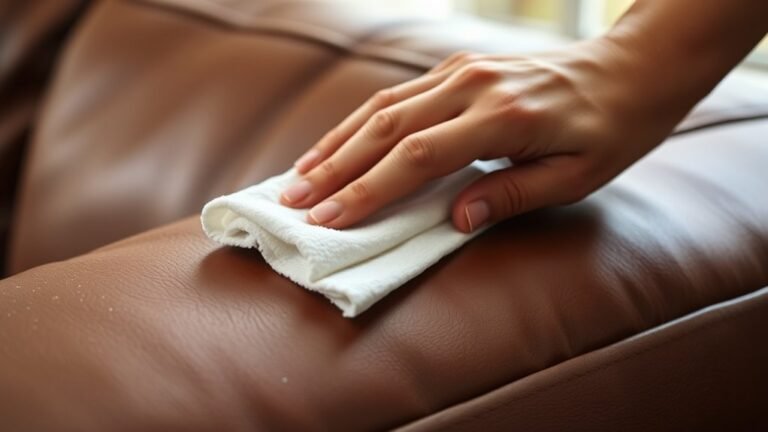
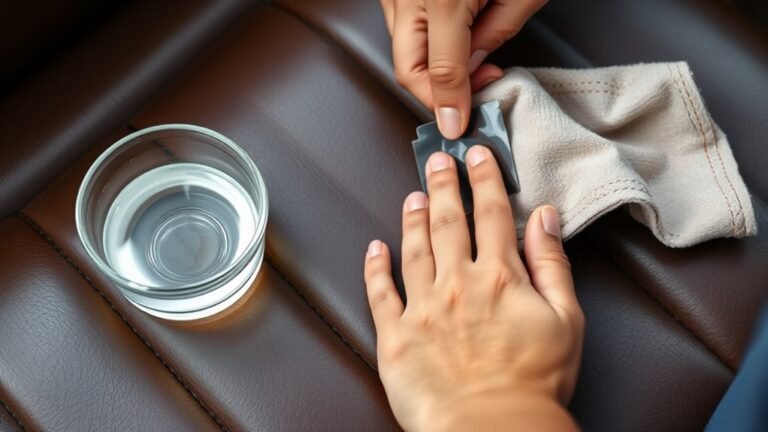
If you want your leather boots to stay durable and water-resistant during rainy days, you need to waterproof them properly. Start by cleaning your boots with a damp cloth to remove dirt and grime.
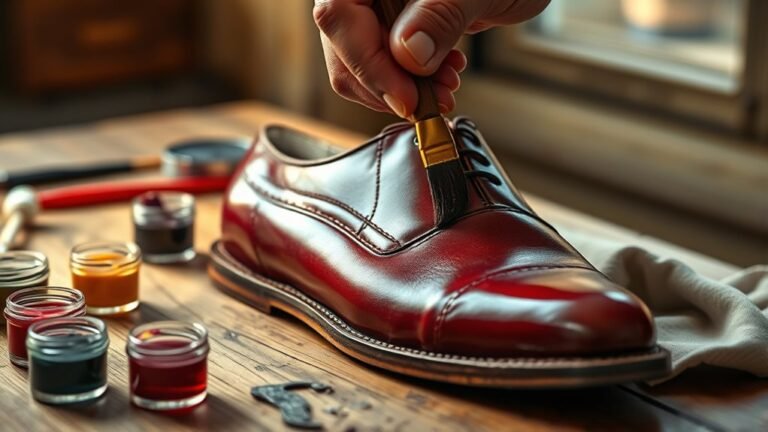
Next, apply a suitable waterproofing product that matches your leather type, such as beeswax, silicone spray, or a specialized leather conditioner. Make sure to cover the entire surface evenly.
Finally, let your boots dry naturally away from direct heat.
Here’s how to waterproof your leather boots effectively:
- Clean boots thoroughly before application
- Choose the right waterproofing product
- Apply evenly using a cloth or brush
- Allow boots to dry at room temperature
Following these steps will keep water out and extend your boots’ life.
Best Practices for Wearing Leather Boots in the Rain
Once you’ve properly waterproofed your leather boots, knowing how to wear them in rainy conditions will help maintain their quality and comfort. Avoid puddles and mud when possible to prevent excessive water exposure.
Dry them naturally away from direct heat if they get wet. Rotate your boots with other footwear to let them breathe between wears.
| Practice | Why It Matters |
|---|---|
| Avoid Deep Water | Prevents water seepage |
| Dry Slowly & Naturally | Maintains leather integrity |
| Rotate Footwear | Allows leather to rest |
Common Mistakes to Avoid When Wearing Leather Boots in Wet Conditions
Although leather boots are durable, wearing them in wet conditions requires care to avoid common mistakes that can damage their appearance and lifespan. You shouldn’t assume all leather boots are waterproof; not treating them properly can lead to water damage.
Avoid exposing your boots to deep puddles or heavy rain for extended periods. Also, don’t skip applying a protective waterproofing spray before heading out.
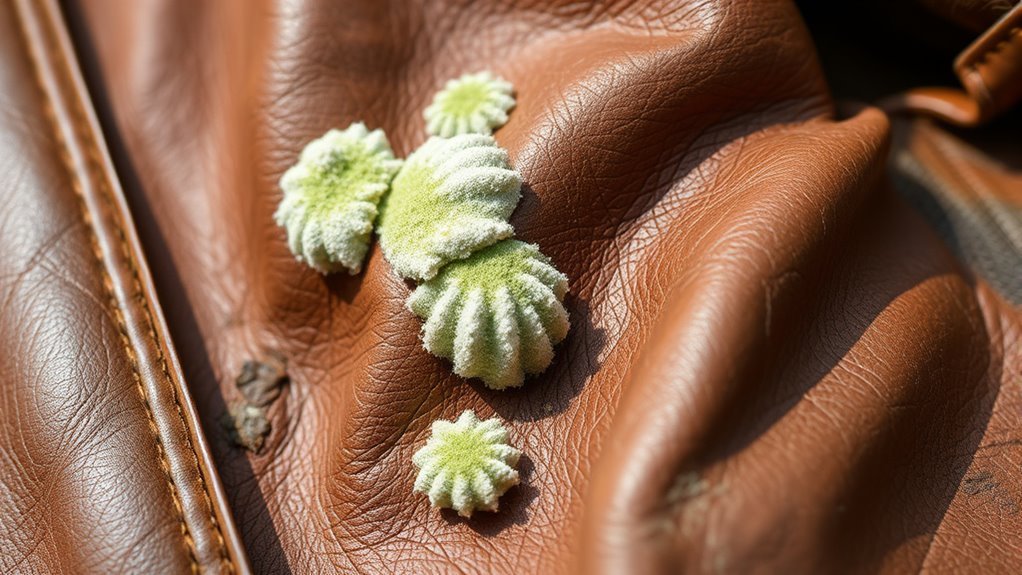
Finally, avoid storing wet boots in dark, confined spaces, which can cause mold and odors.
- Ignoring waterproofing treatments
- Walking through deep water or mud
- Leaving boots wet without airing
- Storing boots in damp, enclosed areas
How to Dry and Care for Leather Boots After Exposure to Water
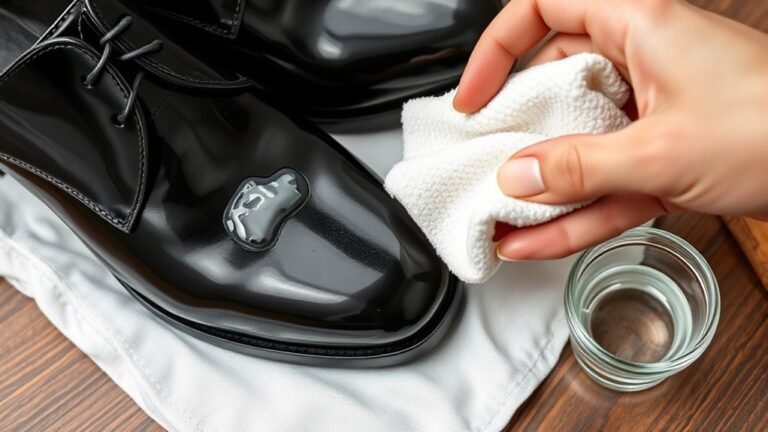
Because water can weaken leather fibers and cause stains, you need to dry your boots carefully after exposure to moisture. First, gently wipe off excess water with a clean cloth. Avoid using direct heat sources like radiators or hair dryers, as they can dry out and crack the leather.
Instead, stuff your boots with newspaper or paper towels to absorb moisture and help maintain their shape. Let them air dry in a well-ventilated, shaded area.
Once dry, apply a leather conditioner to restore moisture and prevent stiffness. Regularly cleaning and conditioning your boots extends their lifespan and keeps them looking good.
Taking these steps ensures your leather boots stay durable and comfortable, even after getting caught in the rain.
Alternatives to Leather Boots for Heavy Rainy Days
Taking care of leather boots after rain helps, but sometimes you need footwear designed to handle heavy downpours without damage. When the rain pours relentlessly, consider switching to boots that offer better waterproof protection and durability. You want boots that keep your feet dry and comfortable, no matter how wet it gets.
Here are some excellent alternatives for heavy rainy days:
- Rubber rain boots: Fully waterproof and easy to clean.
- Waterproof hiking boots: Durable with breathable membranes like Gore-Tex.
- Synthetic waterproof boots: Lightweight and designed to repel water.
- Duck boots: Combination of leather and rubber for style and function.
Choosing these options ensures your feet stay dry and your footwear lasts longer during persistent rain.
Frequently Asked Questions
Can Leather Boots Cause Foot Odor When Worn in Rain?
Yes, leather boots can cause foot odor when worn in the rain because moisture gets trapped inside. You should dry them thoroughly and use moisture-wicking socks to prevent bacteria buildup and keep your feet fresh and odor-free.
Are Leather Boots Suitable for Snow as Well as Rain?
Leather boots can be suitable for snow if they’re waterproofed and insulated properly. You’ll want to treat them with a protective spray and add warm socks to keep your feet dry and cozy in snowy conditions.
Proper maintenance is key to ensuring they hold up well against moisture and cold. Without these precautions, leather may absorb water and become damaged or uncomfortable.
How Long Does Waterproofing Treatment on Leather Boots Last?
Think of waterproofing as an invisible shield on your leather boots—it usually lasts about 3 to 6 months.
You’ll want to reapply it regularly to keep your boots ready to face water and weather confidently.
Can Leather Boots Be Machine Cleaned After Rain Exposure?
You shouldn’t machine clean leather boots after rain exposure. Instead, gently wipe them with a damp cloth, let them air dry naturally, and apply leather conditioner to keep them supple and protected.
Machines can damage leather.
Do Leather Boots Lose Color When Exposed to Heavy Rain?
You won’t turn into a rainbow after heavy rain, but leather boots can lose color if soaked too long.
You’d better waterproof them and dry properly to keep your boots looking sharp and vibrant every time.
Conclusion
You can wear leather boots in the rain if you take the right steps. Imagine Sarah, who waterproofed her boots before a rainy hike—her feet stayed dry, and the leather stayed intact.
By choosing water-resistant leather, applying proper waterproofing, and drying them carefully afterward, you’ll protect your boots and keep them looking great.
Just avoid heavy downpours or puddles, and your leather boots will serve you well. With proper care, leather boots in the rain can remain durable and stylish.