What Does PU Leather Mean? Definition, Uses & Facts Explained
If you come across PU leather, you’re dealing with a fabric coated in polyurethane, giving it a look and feel similar to real leather but at a lower cost. PU leather, also known as faux leather or vegan leather, is a popular alternative for those seeking animal-friendly materials.
It can be soft, durable, or even embossed with patterns to mimic genuine leather’s texture.
While PU leather is easier to maintain than real leather, it can wear out over time and involves some environmental concerns. Despite this, many appreciate its affordability and versatility.
Keep exploring to understand its types, care tips, and how it stacks up against genuine leather.
Definition of PU Leather

PU leather, short for polyurethane leather, is a synthetic material created by coating fabric with a layer of polyurethane polymer. When you choose PU leather, you’re opting for a durable material that serves as a versatile, affordable alternative to genuine leather.
This synthetic leather, also known as faux leather or vegan leather, is made by applying a polyurethane coating onto a fabric base like polyester or cotton. The manufacturing process guarantees it remains animal-free, making it a popular choice for those seeking cruelty-free products.
PU leather, often called artificial leather or synthetic leather, combines the look and feel of real leather with enhanced durability and easier maintenance. You’ll find it widely used in fashion, furniture, and automotive industries as a practical and eco-conscious option.
How PU Leather Is Made
Although it starts with a simple fabric base like polyester or cotton, the transformation into synthetic leather happens when a liquid polyurethane solution coats the material. In the manufacturing process, this coating is applied evenly before the fabric passes between heated rollers, creating a smooth, durable surface.
Next, embossing techniques imprint patterns or grain textures onto the polyurethane, giving it a realistic leather look. Finishing steps add either gloss or matte layers, enhancing both appearance and resistance.
Throughout production, various chemicals are involved to ensure proper adhesion, flexibility, and durability of the synthetic leather. Understanding how PU leather is made helps you appreciate the blend of fabric base and polyurethane, along with the careful coating, embossing, and finishing that result in this popular alternative to genuine leather.
Different Types of PU Leather
Understanding the manufacturing process gives you a clearer picture of how different types of synthetic leather come to life. PU leather types vary mainly by their polyurethane coating, texture, and durability.
Soft PU leather is thin and flexible, great for clothing but less durable. Premium PU leather offers enhanced strength and scratch resistance, ideal for upscale uses. High-quality PU leather features detailed embossing and realistic grain patterns, while embossed and patterned PU leather add unique textures. Durable PU leather combines toughness with aesthetic appeal. All these types provide vegan leather options that mimic real leather without animal products.
| Type | Characteristics | Common Uses |
|---|---|---|
| Soft PU Leather | Thin, flexible | Clothing, accessories |
| Premium PU Leather | Strong, scratch-resistant | Furniture, designer items |
| High-Quality PU | Embossed, realistic grain | Luxury goods |
| Embossed PU | Textured surface | Fashion, upholstery |
| Patterned PU | Decorative patterns | Bags, shoes |
Advantages of PU Leather
You’ll appreciate PU leather’s affordability since it costs less than genuine leather without sacrificing style. It’s water-resistant and easy to clean, making maintenance simple for your busy lifestyle.
Plus, being vegan-friendly means you can choose it confidently if you want a cruelty-free option.

Cost-Effectiveness and Affordability
One major advantage of PU leather is its cost-effectiveness, which makes it an attractive choice for many consumers. Thanks to lower production costs, PU leather is a cheaper, budget-friendly alternative that lets you enjoy stylish, trendy items without overspending.
You get access to fashionable furniture, clothing, and accessories at a fraction of the price of genuine leather. This economic value means you can invest in quality-looking products while staying within your budget.
Plus, PU leather’s affordability doesn’t force you to compromise on style or ethics, making it a smart choice for many.
- Feel confident choosing a wallet-friendly option without sacrificing style
- Enjoy trendy pieces that fit your budget perfectly
- Make an economic investment in cruelty-free fashion and décor
Water Resistance Benefits
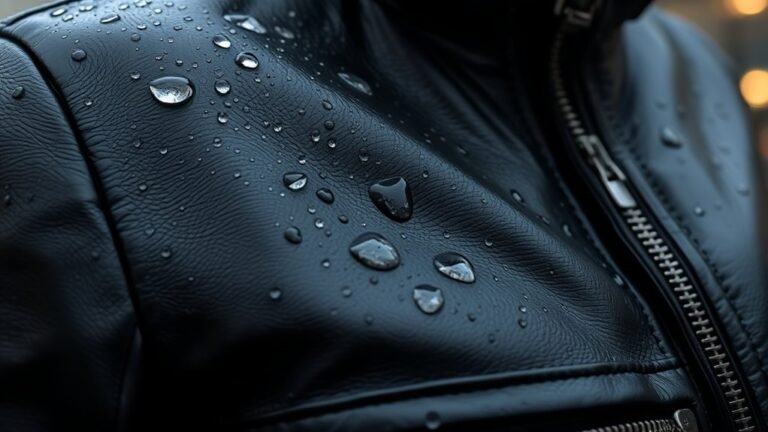
Besides being budget-friendly, PU leather offers practical benefits that make it a smart choice for everyday use. One key advantage is its impressive water resistance. Thanks to the polyurethane surface coating applied during the manufacturing process, PU leather prevents liquid penetration, so spills and splashes won’t soak in like they might with genuine leather.
This moisture resistance means you don’t have to worry about quick cleanups or extensive maintenance. While PU leather isn’t fully waterproof and prolonged exposure to water can cause damage, its resistance to humidity and minor moisture makes it ideal for many environments.
Vegan-Friendly Material
Although genuine leather has long been popular, PU leather offers a vegan-friendly alternative that contains no animal products. Made from synthetic polyurethane-coated fabric, PU leather is a cruelty-free, animal-free option that aligns with your ethical values.
It’s also an eco-friendly choice since it avoids the environmental impact of traditional leather manufacturing. By choosing PU leather, you support a plant-based, sustainable lifestyle without sacrificing style or quality.
You’ll appreciate that PU leather:
- Provides a cruelty-free alternative without compromising aesthetics
- Offers diverse colors and styles for your ethical fashion needs
- Is easier to clean and maintain compared to genuine leather
This synthetic material lets you enjoy leather-like products while staying true to your vegan and eco-conscious principles.

Disadvantages of PU Leather
While PU leather might look appealing at first, you’ll quickly notice it tends to crack, peel, and tear within a few years, especially if it’s lower quality. Its synthetic material lacks the durability and natural aging process of genuine leather.
You might also experience chemical odors that linger for months. PU leather’s water resistance is limited, making it prone to damage from moisture and wear and tear, which shortens its lifespan.
Here’s a quick look at its drawbacks:
| Issue | Description |
|---|---|
| Cracking & Peeling | Surfaces break down over time |
| Durability | Less resistant to damage |
| Water Resistance | Vulnerable to moisture damage |
| Chemical Odors | Persistent plastic-like smells |
| Aging Process | Doesn’t develop a natural patina |
PU Leather Compared to Genuine Leather
When you compare PU leather to genuine leather, you’ll notice that PU is a synthetic material made by coating fabric with polyurethane, whereas genuine leather comes from animal hide. PU leather offers a more uniform appearance and greater affordability, but it lacks the natural grain, patina, and breathability that genuine leather develops over time.
PU leather is synthetic and affordable, while genuine leather boasts natural grain, breathability, and develops unique patina over time.
Genuine leather excels in durability and ages beautifully, while PU leather tends to crack and peel under wear and tear. You might appreciate PU leather for its easy cleaning, yet genuine leather’s timeless appeal and resilience often win out despite its higher price.
- Choose PU leather if you want affordability and easy maintenance.
- Enjoy genuine leather’s unique character as it develops patina.
- Consider durability and long-term wear when making your choice.
Environmental Impact of PU Leather
When you choose PU leather, you’re also choosing a material made from petroleum-based polymers that don’t break down easily and add to plastic pollution. The production process releases toxic chemicals that can harm both the environment and your health.
Plus, once discarded, PU leather sticks around in landfills for hundreds of years, creating long-term waste problems.

Pollution and Toxicity
Because PU leather relies on toxic chemicals like dimethylformamide and non-biodegradable plastics, it poses serious environmental and health risks. You should know that the production releases VOCs, contributing to air pollution and greenhouse gases tied to fossil fuels.
These toxic chemicals can leach into soil and water, worsening pollution. When discarded, PU leather often ends up in landfills where its plastic base persists, adding to plastic pollution. The environmental impact is significant, affecting ecosystems and human health alike.
Consider these facts:
- Workers face exposure to harmful toxic chemicals during manufacturing.
- Landfills accumulate PU leather waste that won’t biodegrade for centuries.
- Production depends on fossil fuels, releasing greenhouse gases that accelerate climate change.
Understanding these issues helps you make informed choices about PU leather products.
Non-Biodegradable Waste
The toxic chemicals involved in PU leather production don’t just affect air and water quality. They also contribute to a growing problem with non-biodegradable waste. Since PU leather is made from petroleum-based plastics, its synthetic components don’t break down naturally, adding to long-term environmental waste.
When you dispose of PU leather, it often ends up in landfills, worsening plastic pollution. Unlike genuine leather, which is biodegradable, PU leather resists decomposition, making recycling difficult and rare. Toxic chemicals from both manufacturing and disposal can leach into soil and water, damaging ecosystems.
You should understand that the environmental impact of PU leather extends beyond production. It creates persistent waste that harms the planet and challenges sustainable disposal solutions.
Identifying PU Leather Products
How can you quickly tell if a product is made from PU leather? Start with a visual examination: PU leather usually has a uniform, patterned surface without the natural grain variations genuine leather shows.
Next, check for a chemical smell; new PU leather often emits a plastic-like odor. Perform a simple water test. Genuine leather absorbs water, darkening the spot, while PU leather repels it.
Finally, don’t forget to read product labels carefully; some clearly state “PU leather” or “artificial leather,” while others might hide this info.
- You’ll feel confident spotting synthetic appearance right away.
- Avoid surprises by recognizing the chemical smell early.
- Protect yourself from misleading labels through smart identifying PU leather habits.

Caring for PU Leather Items
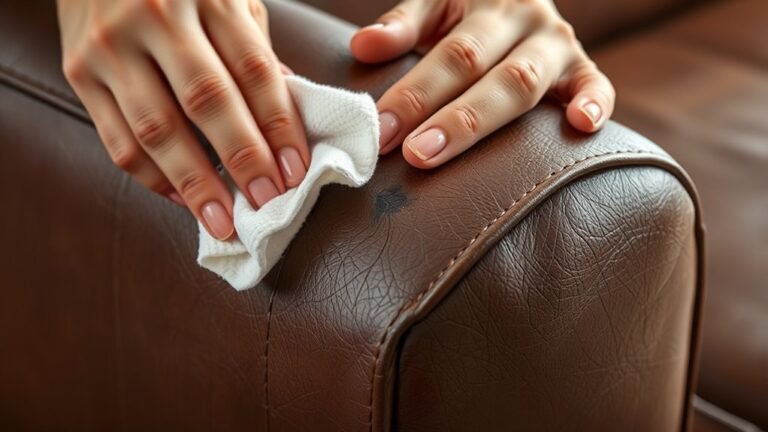
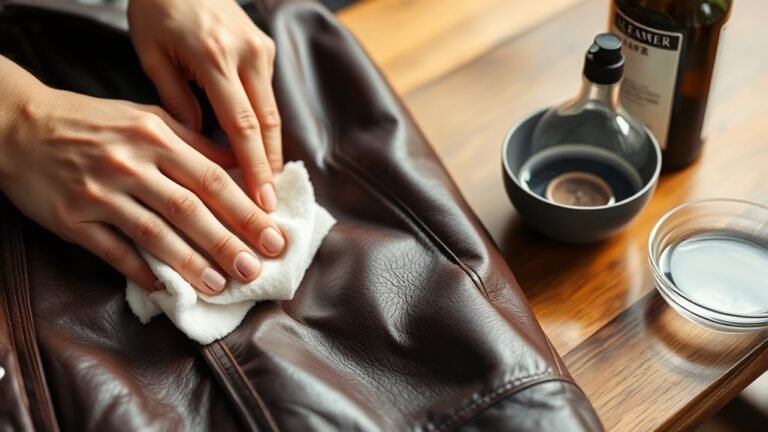
When you care for PU leather items regularly, you’ll keep them looking fresh and extend their lifespan. Proper PU leather care involves cleaning PU leather gently with a soft, damp cloth to remove dust and dirt.
For stain removal, use a mild soap solution, testing it first on a small area. Protecting from sunlight and environmental damage prevents fading and cracking. Applying a synthetic leather conditioner maintains flexibility and prevents surface cracking.
Finally, proper storage in a cool, dry place with dust protection is essential.
| Task | Tips |
|---|---|
| Cleaning PU leather | Use damp cloth; avoid harsh chemicals |
| Preventing cracking | Protect from sunlight; apply conditioner |
| Storage | Store cool, dry, covered |
Frequently Asked Questions
Is PU Leather Good Quality?
PU leather can be good quality if you choose premium options. You’ll notice better durability, a realistic texture, and less cracking.
Just avoid lower-grade types that wear out quickly, and care for it properly to extend its life.
What Are the Disadvantages of PU Leather?
Like a cheap costume fading after one party, PU leather cracks, peels, and smells plastic. You’ll face discomfort from poor breathability, quick wear, and no natural aging, making it look fake and less durable over time.
What Happens if PU Leather Gets Wet?
If PU leather gets wet, you risk peeling or cracking of its coating and swelling of the fabric underneath.
You should wipe it promptly and air dry it to prevent damage and lingering odors.
Does PU Leather Peel Easily?
Yes, PU leather can peel easily, especially if it’s low-quality or used roughly. You can reduce peeling by cleaning it gently and avoiding friction, but once it starts peeling, fixing it is tough and usually needs replacement.
Conclusion
Now that you know what PU leather is and how it stacks up against genuine leather, you’re better equipped to make smart choices. While it has its pros and cons, PU leather offers a budget-friendly, stylish alternative that’s easier to care for.
Just remember, not everything that glitters is gold—so always check the quality before you buy. With a little care, your PU leather items can look great and last longer than you might expect.
Understanding what PU leather means helps you appreciate its value as an affordable and versatile material in fashion and upholstery.