Does Water Ruin Leather? Tips to Protect and Restore Your Leather Items
Water can definitely ruin your leather if it’s not treated right away. Leather is a natural material that absorbs moisture, which can cause stains, stiffness, and even cracking as it dries improperly. Proper water care for leather is essential to maintain its appearance and durability.
You’ll want to blot excess water gently, avoid heat sources, and let it air dry in a shaded spot while maintaining its shape. After it’s dry, conditioning helps restore moisture and flexibility. These steps are crucial to prevent damage and keep your leather looking its best.
To keep your leather in top shape, there are some smart care steps you’ll want to know next. Regular maintenance and prompt treatment of water exposure are key to prolonging the life of your leather goods.
How Water Affects Leather

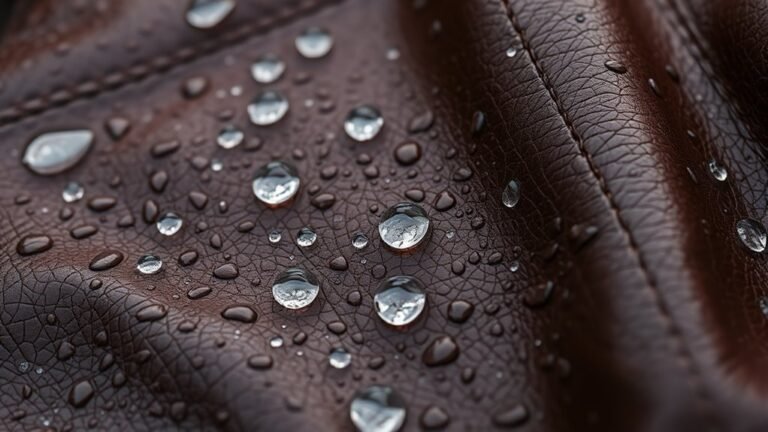
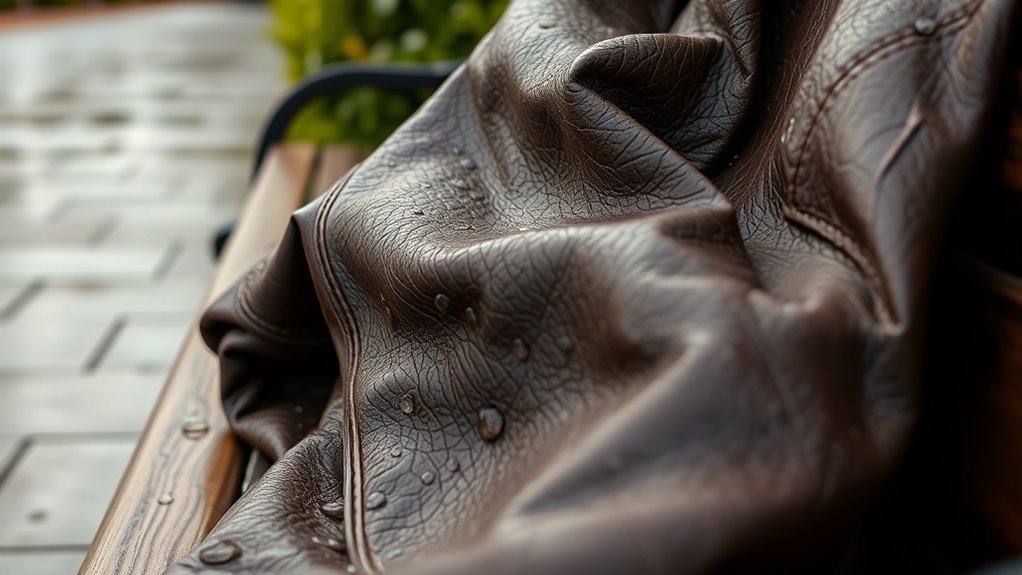
Although leather is durable, water can quickly cause it to swell, stain, and lose its natural oils, making it stiff and brittle. When water touches leather, it disrupts the material’s structure, leading to water stains and water spots that mar its appearance.
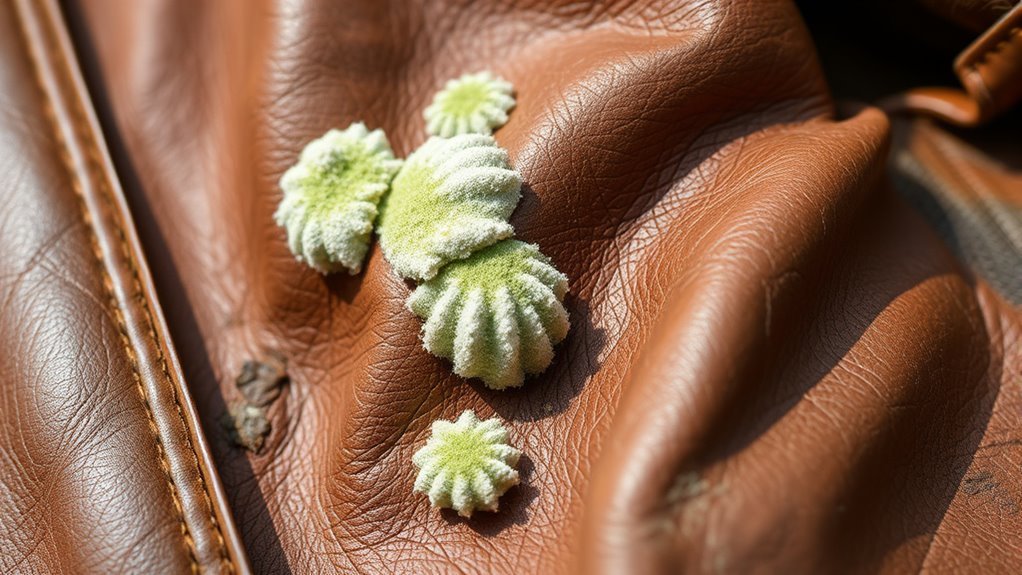
Prolonged exposure to moisture invites mold growth and worsens water damage, sometimes irreversibly. How badly leather suffers depends on its type, the amount of water, and how fast you dry it. Without proper drying, leather risks cracking, warping, or rotting.
While waterproofing can protect leather from some water exposure, no leather is entirely waterproof. Understanding how water affects leather helps you prevent damage and maintain its quality longer.
Immediate Steps to Take When Leather Gets Wet

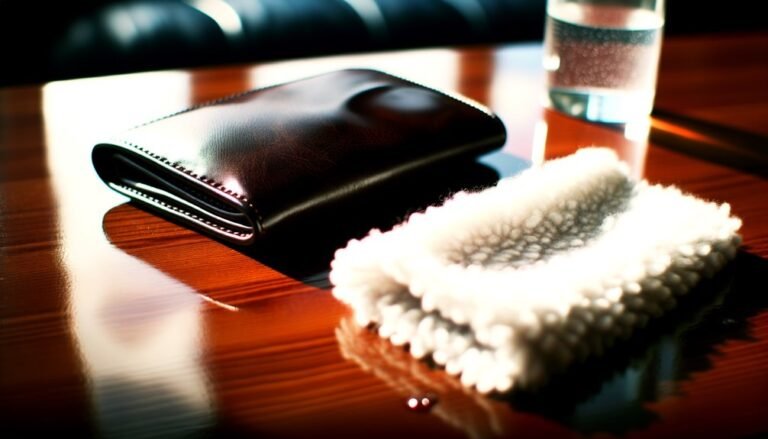
When leather gets wet, acting quickly can prevent lasting damage. First, gently blot the wet leather with a soft, dry cloth to remove water from the surface without rubbing, which helps prevent water stains and further absorb water into the material.
Next, stuff the item with newspaper or paper towels to maintain its shape and draw out internal moisture. Place the leather in a well-ventilated, shaded area away from direct sunlight and heat sources to dry naturally.
Avoid heat tools that can strip natural oils, causing cracks and warping. Only once the leather is completely dry should you apply a leather conditioner. This step is essential for proper leather care to restore moisture and prevent water damage, keeping your leather supple and durable.
Best Practices for Drying Wet Leather

If you want to preserve your leather’s quality, you should dry it carefully and patiently. Start by blotting water from the surface of your wet leather using a soft, dry cloth. Avoid rubbing to prevent spreading water stains.
Next, let it dry naturally at room temperature; air dry leather in a well-ventilated area, away from direct sunlight or heat sources, to prevent water damage like cracking or shrinking. For items like bags or shoes, stuff them with unprinted paper to maintain shape and absorb moisture as they dry.
Don’t rush by using artificial heat. Once your leather is completely dry, only then apply leather conditioner to restore moisture without trapping water inside. Following these steps ensures your leather dries well and stays in great condition.
Cleaning Water Stains From Different Types of Leather
After drying your leather properly, you might still notice water stains that affect its appearance. To clean water stains from different types of leather, follow these steps:
- Use a leather cleaner to gently remove dirt and water from the surface of water-resistant leather or smooth leather. Avoid rubbing patterned leather; instead, dab lightly with a damp cloth to prevent dye transfer.
- For suede or nubuck, brush the area back and forth with a suede brush to lift the nap, then apply a specialized water-repellent spray to protect against future water damage.
- Apply a leather conditioner to dry water stains on water-damaged leather to restore moisture and flexibility without worsening the stain.
These steps help you effectively treat water stains while minimizing lasting water damage.
Conditioning Leather After Water Exposure
Although water exposure can leave leather dry and stiff, conditioning it properly restores its natural oils and keeps it soft and flexible. After the drying process, use a high-quality leather conditioner to restore leather affected by water damage.
Conditioning leather after it dries restores natural oils, keeping it soft and flexible despite water exposure.
Make sure the leather is completely dry before applying any conditioning products to avoid trapping moisture, which can worsen damage. Evenly spread the conditioner with a soft cloth, then buff once absorbed to ensure a smooth finish.
Regular conditioning every six months supports leather preservation by replenishing natural oils and maintaining a water-resistant surface. For extra protection, consider applying a waterproofing spray after conditioning.
Taking these steps helps you maintain your leather’s durability and prevents future water damage by reinforcing its natural barriers effectively.
Special Care for Suede and Nubuck After Water Damage
Because suede and nubuck absorb water quickly, you’ll need to handle them with extra care to prevent stiffness or matting of the nap. These types of porous leather are especially vulnerable to water damage, so follow these steps carefully after water exposure:
- Gently blot the surface with a dry microfiber towel without rubbing to protect the delicate nap.
- Let the item dry naturally in a shaded, well-ventilated area; avoid direct heat sources to prevent warping or cracking.
- Once dry, use a soft-bristle brush to restore the nap by brushing in multiple directions. Finally, apply a water and stain repellent designed for suede and nubuck to protect against future damage and maintain the leather’s texture.
Handling Water on Faux and Vegan Leather
Faux and vegan leather usually handle water better than genuine leather, thanks to their synthetic makeup. You can clean spills easily with a damp cloth and mild soap, but be careful not to soak the material.
Using water-repellent sprays can also boost their resistance and keep your items looking great longer.
Water Resistance Properties
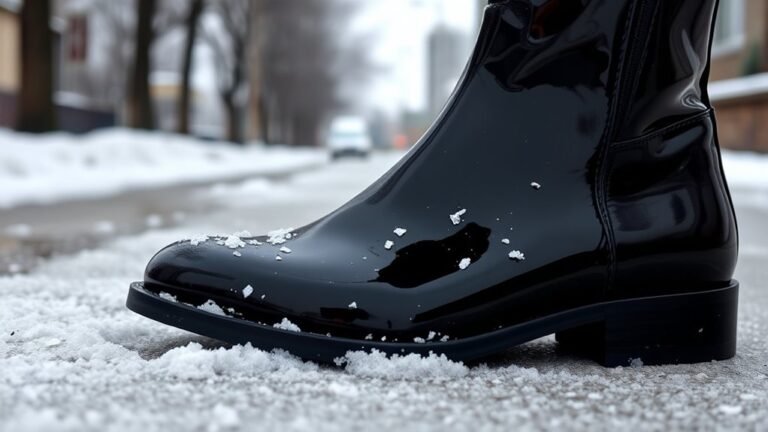
When you handle vegan or synthetic leather, you’ll notice they resist water better than natural leather thanks to their polyurethane or PVC coatings. This synthetic coating makes faux leather more water-resistant, reducing risks like water stains and moisture damage.
However, to protect your items and ensure leather preservation, consider these tips:
- Limit water exposure to prevent prolonged dampness that can cause deterioration or mold.
- Use water-repellent sprays regularly to boost the material’s natural resistance.
- Follow a proper drying process by gently wiping off moisture and air-drying away from heat sources.
Cleaning and Maintenance
Although synthetic leathers resist water better than natural ones, you still need to handle spills carefully to avoid damage. When cleaning spills on faux or vegan leather, use a damp cloth with mild soap and avoid soaking the material.
For wet leather bags, promptly dry them with a soft cloth to prevent water stains. Unlike natural leather, applying a leather conditioner isn’t always effective; instead, consider specialized waterproof sprays designed for water-resistant leather.
Regular maintenance is key. Clean gently with a damp cloth and avoid harsh cleaners to preserve the material’s look and durability. Always let the leather dry naturally, away from direct heat or sunlight, to prevent water damage.
This careful routine will keep your synthetic leather items looking their best over time.
Preventive Measures to Protect Leather From Water Damage
You can protect your leather by applying water-resistant sprays or creams before heading out. Make sure to keep a regular conditioning routine to maintain its moisture balance and durability.
Also, store your leather in dry, well-ventilated spaces to prevent unnecessary water damage.

Water-Resistant Treatments
How can you effectively protect your leather from water damage? Water-resistant treatments are essential for leather protection and preservation. Here’s what you should do:
- Apply water-resistant sprays or creams containing natural oils or silicone-based sprays to create a moisture barrier that prevents water penetration.
- Use water-repellent products regularly, especially before exposing leather to wet conditions, to maintain effective water-proofing.
- Test any water-proofing product on a small, hidden area first to ensure it doesn’t alter your leather’s appearance or texture.
Regular Conditioning Routine
When should you condition your leather to keep it water-resistant? Aim for regular conditioning every six months to maintain the leather oils that form a moisture barrier against water damage.
This conditioning routine not only restores oils lost over time but also enhances water resistance, especially if you use a water-repellent conditioner. By consistently conditioning your leather, you prevent drying and cracking, which otherwise make it more vulnerable to water damage.
Products like Leather Honey Leather Conditioner are excellent for restoring oils and boosting the leather’s natural defenses. Incorporating this routine lets you spot early signs of water susceptibility and address them promptly, ultimately extending your leather’s lifespan.
Regular conditioning is a simple yet effective step for cracking prevention and durable water protection.
Proper Storage Practices
Maintaining a regular conditioning routine helps protect leather from water damage, but proper storage plays an equally important role. To guarantee effective leather preservation, focus on these key practices:
- Choose a dry storage location with climate control, avoiding basements or damp areas prone to moisture and mold growth.
- Use breathable containers or dust bags rather than plastic ones to promote proper ventilation and prevent moisture buildup.
- Perform regular moisture inspection on stored leather, watching for any signs of mold or dampness, and address issues promptly.
Frequently Asked Questions
Is It Okay for Leather to Get Wet?
It’s okay if leather gets wet briefly, but don’t let it stay wet. Dry it slowly at room temperature, and regularly condition it to keep it supple.
Waterproof treatments can also help protect your leather over time.
Can Water Damage on Leather Be Fixed?
You can fix water damage on leather if you act fast. Remember, “a stitch in time saves nine.” Blot, air-dry, clean, and condition regularly to restore and protect your leather from lasting harm.
Does Water Permanently Stain Leather?
Yes, water can permanently stain leather if it soaks in and dries slowly. But if you act fast by drying and cleaning it properly, you can usually prevent lasting marks or discoloration on your leather.
What Does Water Damage on Leather Look Like?
Water damage on leather looks like dark spots, streaks, or patchy discoloration. You’ll notice stiffness, cracks, or swelling.
If left untreated, it might warp or develop mold, making your leather look dull and worn.
Conclusion
Water can be both a friend and foe to your leather. While a quick splash might refresh, prolonged exposure can ruin its texture and beauty.
If you act fast and follow the right steps, you’ll protect and even restore your leather’s charm. On the flip side, neglecting water damage can lead to stubborn stains and stiffness.
So, treat your leather with care—because understanding whether water can ruin leather is key. Proper leather care and timely maintenance can prevent damage and keep your leather looking its best.