How to Get Rid of Pen Stains on Leather Step by Step
To get rid of pen stains on leather effectively, it’s important to first identify your leather type and the kind of ink involved. This knowledge helps you choose the best cleaning method and avoid damage.
Gather mild leather cleaner, soft cloths, and a cotton swab before starting. Test the cleaner on a hidden spot to make sure it won’t harm the leather.
Gently apply the solution to the stain using a swab, dabbing carefully without soaking the leather. Lift the ink with soft, circular motions to avoid spreading the stain.
Once the stain is gone, apply leather conditioner to restore moisture and keep the leather supple. For guaranteed best results, explore more tips on protecting and treating your leather properly.
Identifying the Type of Leather and Ink

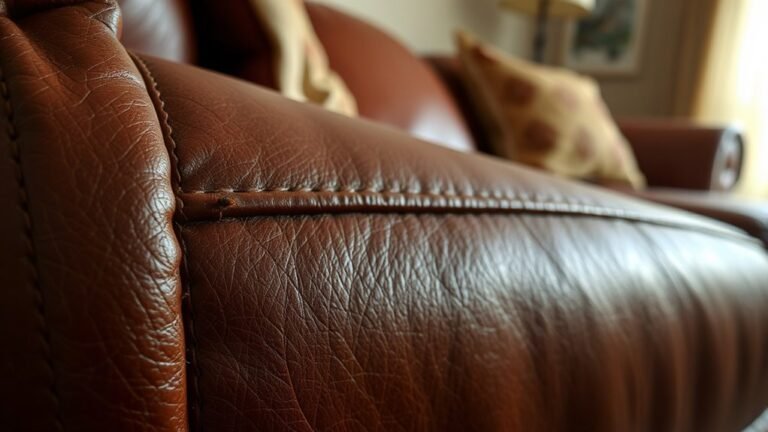
Before you begin cleaning, you need to identify both the type of leather and the ink causing the stain. Different leathers, like aniline, semi-aniline, or protected leather, react differently to cleaning methods.
Identify your leather and ink type first, as different materials need tailored cleaning methods.
Aniline leather is more delicate and absorbs stains quickly, so you’ll need gentler techniques.
Protected leather has a finish that can handle stronger cleaners.
Next, figure out the ink type. Ballpoint pen ink is oil-based and might require different treatment than gel or felt-tip pen ink, which are water-based.
Knowing this helps you choose the right cleaning approach without damaging your leather.
Examine the stain closely, and if possible, test a small hidden area first. This way, you avoid ruining your item while tackling the pen stain effectively.
Gathering the Necessary Cleaning Supplies

Once you know your leather and ink types, gather all the cleaning supplies you’ll need to tackle the stain effectively. Having the right tools on hand makes the process smoother and prevents further damage.
Focus on gentle, leather-safe products designed to lift ink without harsh chemicals. You’ll also want soft materials to avoid scratching the leather surface.
Here’s what you should collect:
- Mild leather cleaner or saddle soap
- Cotton swabs or soft microfiber cloths
- Rubbing alcohol or non-acetone nail polish remover (for stubborn ink)
- Leather conditioner to restore moisture after cleaning
With these supplies, you’re ready to proceed carefully and confidently to the next step.
Testing the Cleaning Solution on a Hidden Area

Although you’ve gathered the right cleaning supplies, you’ll need to test your chosen solution on a hidden area of the leather first. This step guarantees the cleaner won’t discolor, damage, or dry out the leather.
Find an inconspicuous spot, like the inside seam or under a flap, and apply a small amount of the solution using a cotton swab or soft cloth. Wait a few minutes, then check for any changes in color, texture, or finish.
If the leather remains unaffected, you can confidently proceed. But if you see fading, spotting, or stiffness, stop immediately and try a gentler cleaner. Testing first protects your item from irreversible damage and helps you avoid costly mistakes before treating the visible pen stain.
Applying the Cleaning Solution to the Pen Stain
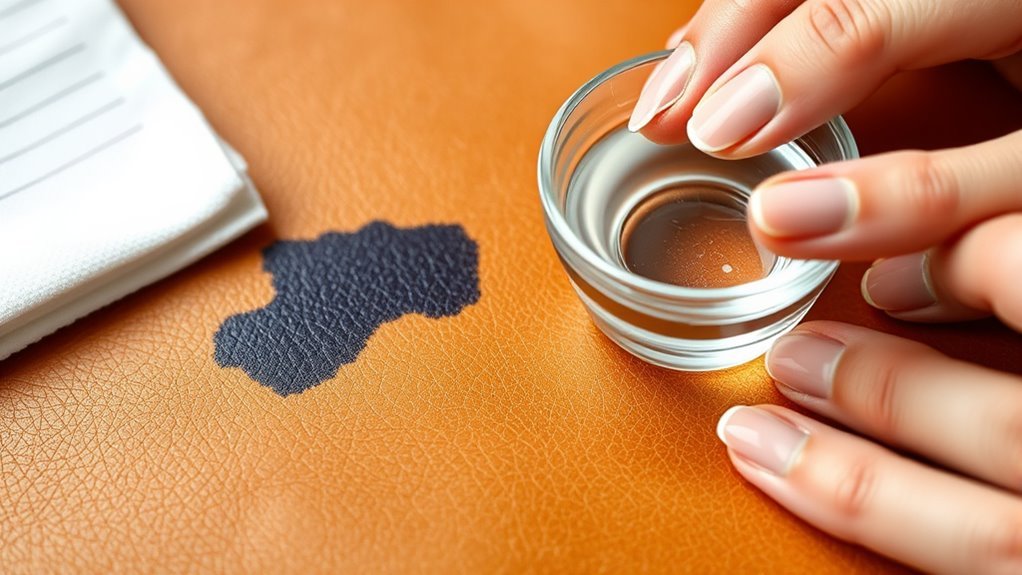
How do you effectively apply the cleaning solution without causing further damage? First, you want to use a soft, clean cloth or a cotton swab to assure controlled application. Avoid pouring the solution directly onto the leather to prevent oversaturation.
Apply a small amount of the solution to your cloth, then gently dab the pen stain. Here are some key tips to keep in mind:
Work in small sections to focus on the stain without spreading it. Use light pressure to avoid damaging the leather’s surface.
Reapply the solution sparingly if needed, rather than soaking the area. Keep the surrounding leather dry to protect its finish.
Gently Removing the Ink With a Soft Cloth
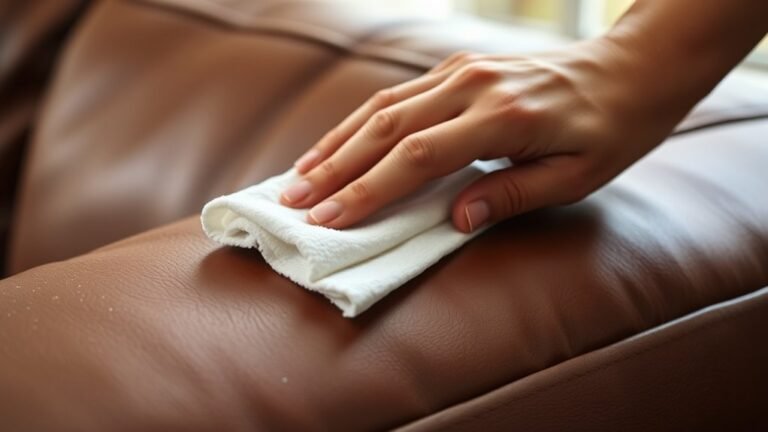
After letting the cleaning solution sit briefly, you’ll want to gently remove the ink using a soft cloth. Take a clean, soft microfiber or cotton cloth and lightly dab the stained area.
Avoid rubbing harshly, as this can damage the leather’s surface or spread the ink further. Instead, use gentle circular motions to lift the stain.
If the ink starts to transfer to the cloth, switch to a fresh section or a new cloth to prevent reapplying the stain.
Continue this process patiently, checking your progress frequently. Don’t rush; gentle pressure is key.
If the stain persists, you can reapply a small amount of the cleaning solution and repeat the process carefully.
This approach helps safely remove the ink without harming your leather item.
Conditioning the Leather After Cleaning
Since cleaning can strip away natural oils, you’ll want to condition your leather to restore its softness and prevent cracking. Conditioning replenishes moisture and keeps the leather supple, extending its life and appearance.
After removing pen stains, apply a high-quality leather conditioner evenly using a soft cloth. Let it absorb fully before buffing gently.
Remember these tips for effective conditioning:
- Choose a conditioner suited for your leather type to avoid damage.
- Test the product on a small, hidden area first.
- Avoid over-conditioning, which can cause buildup.
- Condition regularly, especially after cleaning or exposure to elements.
Frequently Asked Questions
Can Pen Stains Permanently Damage Leather?
Yes, pen stains can permanently damage leather if you don’t act quickly. You’ll want to treat the stain promptly to avoid deep-set marks that become difficult or impossible to remove over time.
Are There Any Leather Types That Can’t Be Cleaned?
Yes, you can’t clean suede or nubuck like smooth leather because they’re delicate and absorb stains quickly.
You’ll need special cleaners and gentle methods, or risk damaging their texture if you try harsh cleaning.
How Often Should Leather Be Conditioned After Cleaning?
Just like a plant thrives with regular watering, you should condition your leather every 3 to 6 months after cleaning. This keeps it supple and prevents drying, ensuring your leather stays soft and durable over time.
Is It Safe to Use Commercial Ink Removers on Leather?
You shouldn’t use commercial ink removers on leather because they can damage it.
Instead, opt for products specifically made for leather or test any remover on a hidden spot first to avoid ruining your item.
What Should I Do if the Stain Doesn’t Come Off?
If the stain doesn’t come off, don’t scrub harder—stop to avoid damage.
Instead, take your leather item to a professional cleaner who specializes in leather. They can safely remove stubborn pen stains without ruining the material.
Conclusion
Now that you’ve tackled the pen stain with care, your leather is ready to shine like a phoenix rising from ashes. Remember, patience and gentle hands are your allies in this delicate dance.
By conditioning the leather afterward, you’re sealing in its beauty, ensuring it stays soft and radiant. With these steps, you’re not just cleaning—you’re breathing new life into your cherished leather, turning blemishes into distant memories.
Following this guide on how to get rid of pen stains on leather not only restores your item’s appearance but also extends its lifespan. Proper cleaning and conditioning are key to maintaining the leather’s natural charm and durability.