How to Fix Scratches on a Leather Purse Step by Step
To fix scratches on your leather purse effectively, start by gently cleaning the scratched area with a damp cloth and mild soap. This initial step prepares the leather for treatment by removing dirt and oils.
Once cleaned, allow the leather to dry completely. Next, apply a leather conditioner to soften and nourish the leather, which helps minimize the appearance of minor scratches.
For deeper scratches, use a leather repair kit. These kits typically include fillers and dyes that can fill in and color the damaged spots. After applying the repair materials, seal the area to protect the fix.
Finally, buff the repaired area with a microfiber cloth to restore the leather’s natural shine. Following these steps will help maintain your purse’s beauty and durability—there’s always more to explore for keeping it flawless.
Assessing the Damage on Your Leather Purse

Before you begin repairing, carefully examine your leather purse to determine the extent of the scratches. Pay close attention to whether the scratches are superficial or if they’ve penetrated deeper into the leather. Light surface scratches often look like faint marks or scuffs, while deeper ones may feel rough or catch your fingernail.
Check different areas under good lighting to avoid missing any damage. Also, note the type of leather your purse is made from, as this affects how you should treat it. Understanding the severity and location of the scratches helps you choose the right repair method, ensuring you don’t cause further harm.
Taking time to assess thoroughly sets a solid foundation for restoring your leather purse effectively.
Cleaning the Leather Surface

Once you’ve identified the scratches and their severity, the next step is to clean the leather surface thoroughly. This prevents dirt or oils from interfering with the repair process. Here’s how you can do it effectively:
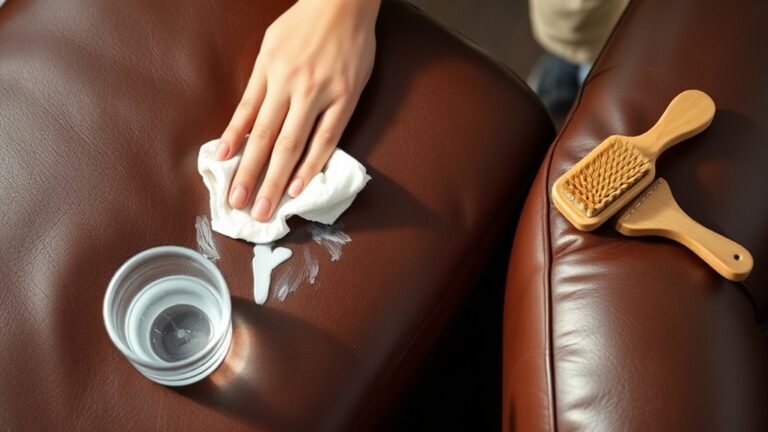
- Gather supplies: Use a soft cloth, mild soap (like saddle soap), and lukewarm water. Avoid harsh chemicals that can damage the leather further.
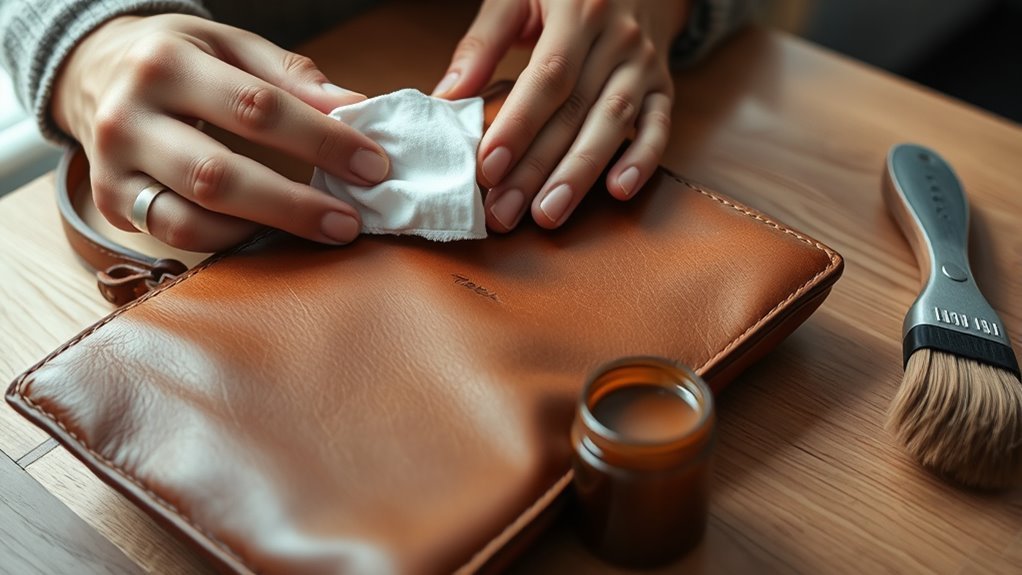
- Gently wipe: Dampen the cloth slightly and wipe the scratched area in circular motions. This removes surface dirt without soaking the leather.
- Dry carefully: Pat the area dry with a clean cloth and let it air dry completely before moving on. Avoid direct heat, which can dry out and crack the leather.
Cleaning your purse properly creates the perfect foundation for a successful scratch repair.
Applying Leather Conditioner

Although cleaning preps the leather, applying conditioner restores its moisture and suppleness, which helps minimize the appearance of scratches. Start by choosing a high-quality leather conditioner suitable for your purse.
Apply a small amount onto a soft, clean cloth and gently rub it into the leather using circular motions. Focus on the scratched areas but cover the entire surface to maintain even hydration.
Let the conditioner absorb for about 15 to 20 minutes, then buff the leather lightly with another clean cloth to remove any excess.
Conditioning not only improves the leather’s texture but also prevents future damage by keeping it flexible.
Regular conditioning after cleaning will keep your purse looking smooth and reduce visible scratches over time.
Using a Leather Repair Kit
If you want to repair deeper scratches or small tears, using a leather repair kit can be a great solution. These kits come with everything you need to restore your purse’s appearance quickly and effectively. Here’s how to use one:
- Clean the Area: Wipe the scratched spot thoroughly to remove dirt and oils. This helps the repair materials bond better.
- Apply the Filler: Use the filler compound included in the kit to fill in scratches or tears. Smooth it evenly and let it dry completely.
- Color and Seal: Match the color with the repair compound or dye provided, then seal it with the finishing product to protect your repair.
Treating Deeper Scratches With Leather Dye
When deeper scratches penetrate your leather purse, using leather dye can restore its color and blend imperfections seamlessly. First, choose a dye that matches your purse’s color exactly. Clean the scratched area thoroughly to remove dirt and oils.
Apply the dye carefully with a small brush or cotton swab, focusing only on the damaged spots. Use thin layers, letting each dry completely before adding more. This prevents uneven coloring.
Avoid over-saturating the leather to keep the finish smooth. After the final coat dries, inspect the area to ensure the scratches are less noticeable and the color looks consistent.
Treating deeper scratches with leather dye takes patience but markedly improves your purse’s appearance without causing further damage.
Polishing and Buffing the Leather
Once you’ve carefully applied leather dye to deeper scratches and allowed it to dry, polishing and buffing the leather brings back its natural shine and smooths out the surface.
Polishing and buffing after dyeing restores leather’s shine and smooth texture effectively.
Here’s how to do it effectively:
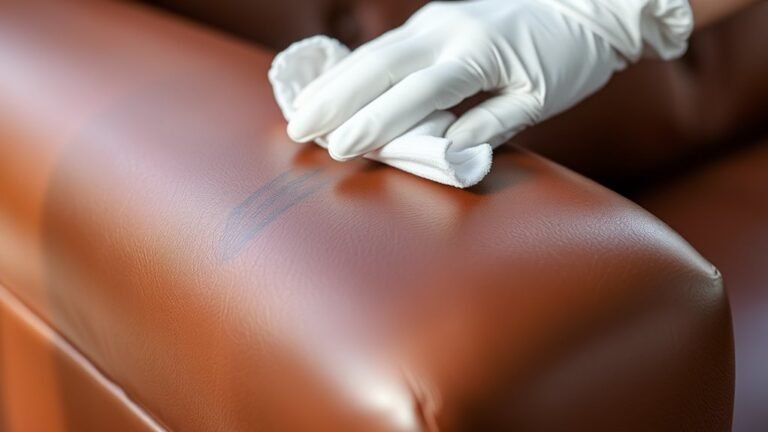
- Use a soft microfiber cloth to apply a small amount of leather conditioner or polish, working it gently into the leather with circular motions.
- After applying, take a clean section of the cloth and buff the leather briskly to enhance the shine and even out any remaining discoloration.
- Repeat this process as needed, but don’t overdo it. Too much polish can clog the leather’s pores and dull its appearance.
Preventing Future Scratches and Maintaining Your Purse
How can you keep your leather purse looking its best and avoid new scratches? Start by handling it with clean hands and avoid placing it on rough surfaces.
Store your purse in a dust bag or soft cloth when not in use, and keep it away from direct sunlight and heat to prevent drying and cracking.
Regularly condition the leather with a high-quality leather conditioner to maintain its suppleness and create a protective barrier.
Be mindful of sharp objects like keys or jewelry that can scratch the surface.
Finally, clean your purse gently with a damp cloth to remove dirt and oils that can degrade the leather over time.
Frequently Asked Questions
Can I Use Household Items to Fix Leather Scratches Instead of a Repair Kit?
Yes, you can use household items like olive oil or petroleum jelly to minimize leather scratches, but be cautious. Test on a small area first to avoid damage, and remember, repair kits usually give better, longer-lasting results.
How Do I Identify the Type of Leather My Purse Is Made From?
You don’t need a detective badge—just check tags or brand info. If that fails, feel the texture: smooth, rough, or suede-like. That’s your clue to leather type, no magnifying glass required.
Easy, right?
Is It Safe to Expose My Leather Purse to Sunlight for Drying?
No, you shouldn’t expose your leather purse to direct sunlight for drying. It can cause fading and drying out.
Instead, let it air dry naturally in a shaded, well-ventilated area to keep the leather healthy.
How Often Should I Condition My Leather Purse for Best Results?
You should condition your leather purse every 3 to 6 months; studies show leather treated regularly retains up to 50% more moisture, keeping it supple and preventing cracks.
Don’t forget to wipe it clean before applying conditioner!
Can Scratched Leather Purses Be Professionally Restored, and What’s the Cost?
Yes, you can have scratched leather purses professionally restored. Costs usually range from $50 to $200 depending on damage severity.
You’ll want to find a reputable leather repair specialist for the best results.
Conclusion
By carefully caring for your cherished leather purse, you can conquer scratches and keep it looking classy. Clean, condition, and cautiously correct any cuts with a repair kit or dye. Polishing and buffing bring back brilliance, preventing pesky imperfections from piling up.
With consistent care and clever caution, your leather will stay stunning and strong, saving you from costly replacements. Stay sharp, stay stylish, and show your purse some serious love! Remember, regular maintenance is key to fixing scratches on a leather purse and preserving its beauty over time.