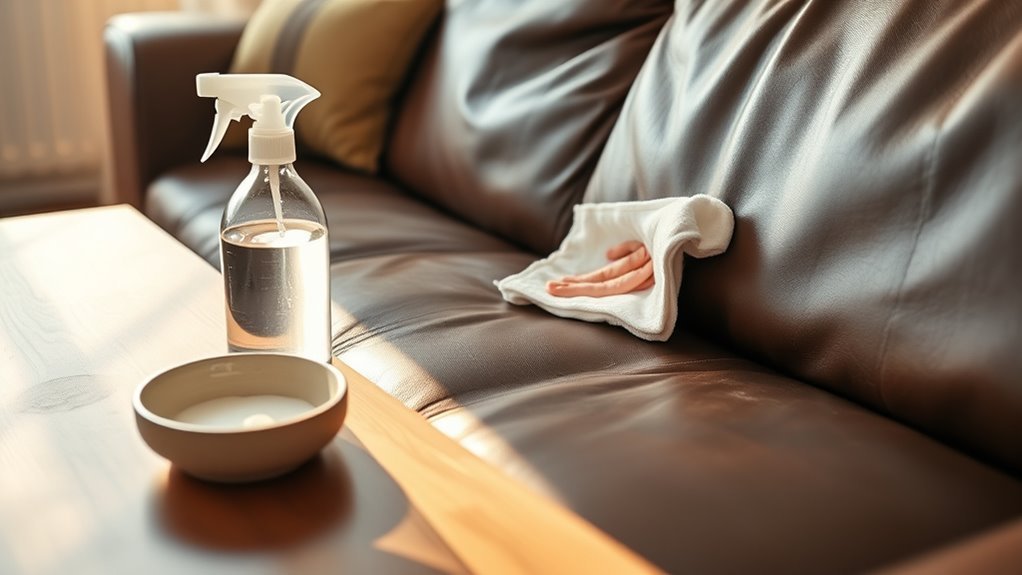
5 Easy Steps to Clean Pee Off a Leather Couch
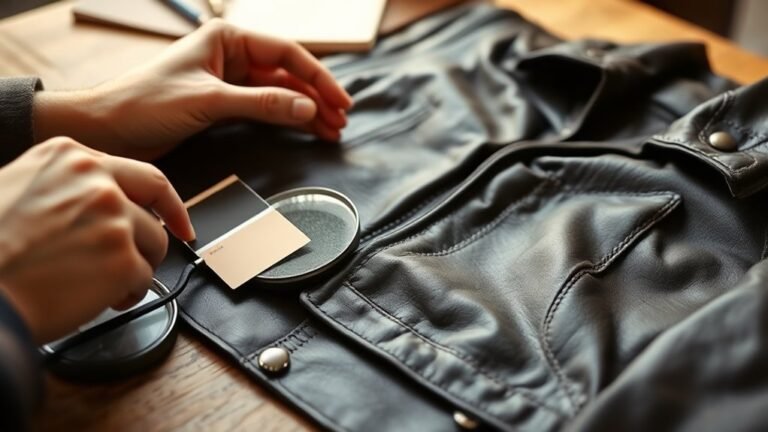
Start by blotting the urine with a clean cloth, pressing gently to soak it up without spreading. This initial step is crucial for effectively cleaning pee off a leather couch.
Mix equal parts water and white vinegar or mild soap for a safe cleaning solution, then gently blot the stain with a damp cloth. Avoid rubbing, as it can damage the leather surface.
Dry the area thoroughly using air circulation, avoiding heat that damages leather. Proper drying helps prevent stains and odors from setting in.
Finally, apply leather conditioner to restore moisture and prevent cracking. Follow these simple steps carefully, and you’ll find even more helpful tips to keep your couch looking great.
Blot the Urine Immediately

As soon as you notice the urine on your leather couch, grab a clean cloth or paper towel and start blotting it immediately. Don’t rub the spot; instead, press gently to absorb as much liquid as possible.
Rubbing can push the urine deeper into the leather, making it harder to clean later. Use fresh cloths or towels as the first ones become saturated. Continue blotting until no more moisture transfers to the cloth.
Acting quickly limits staining and prevents unpleasant odors. If you wait too long, the urine can soak in and damage the leather’s finish.
Prepare a Gentle Cleaning Solution

Before you start cleaning the stained area, you’ll need to prepare a gentle cleaning solution that won’t harm your leather couch. Mix equal parts of distilled water and white vinegar in a small bowl. Vinegar helps neutralize odors and disinfects without damaging the leather.
Avoid using harsh chemicals or bleach, as they can dry out or discolor the material. Alternatively, you can use a few drops of mild liquid soap diluted in distilled water, which also effectively cleans without being abrasive. Stir your solution gently to combine.
Test the solution on a hidden spot of the couch first to ensure it doesn’t cause any discoloration or damage. Once you’ve confirmed it’s safe, your gentle cleaning solution will be ready to tackle the stain carefully.
Wipe the Affected Area Carefully

When you’re ready to clean the stain, dampen a soft cloth with your gentle cleaning solution and gently blot the affected area. Don’t rub or scrub, as this can push the urine deeper into the leather and damage the finish.
Instead, press lightly and lift the cloth frequently to absorb as much moisture as possible. Work from the edges of the stain toward the center to prevent spreading. If needed, reapply your cleaning solution to the cloth, not directly to the leather.
Continue blotting until the stain visibly lightens. Be patient; this process may take several passes. Avoid using excessive water or harsh chemicals, which can harm the leather’s surface.
Your careful approach helps preserve the couch’s look while effectively removing the urine.
Dry the Leather Thoroughly
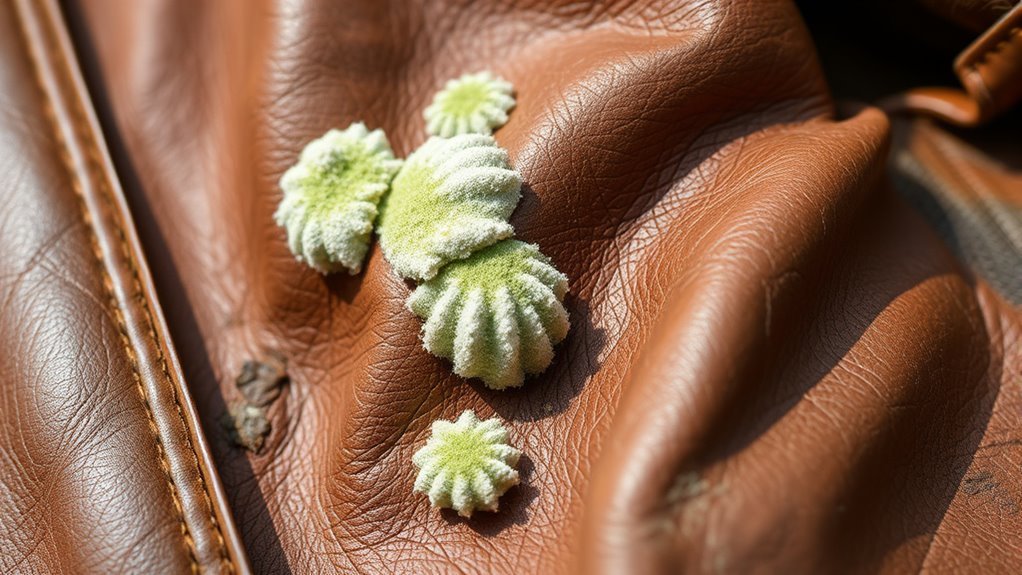
Although the leather may seem dry to the touch, you’ll want to guarantee it’s completely dry to prevent moisture damage or mold growth. After wiping the area, use a clean, dry microfiber cloth to gently pat the leather. Avoid rubbing, as this can irritate the surface.
Ensure leather is fully dry by gently patting with a microfiber cloth to prevent damage or mold growth.
Let air circulate around the couch by opening windows or turning on a fan to speed up drying. Resist the urge to use heat sources like hair dryers, since excessive heat can cause the leather to crack or warp.
Check the spot regularly to ensure no dampness remains.
Once dry, you’ll have successfully removed moisture without compromising the leather’s integrity, setting the stage for the next step in restoring your couch.
Condition the Leather to Restore Moisture
Since cleaning and drying can strip natural oils from your leather couch, you’ll want to apply a quality leather conditioner to restore its moisture and flexibility. Conditioning helps prevent cracking and keeps the leather soft and supple.
Here’s what you should do:
- Choose a conditioner designed specifically for leather to avoid damage.
- Apply a small amount onto a clean, soft cloth.
- Gently rub the conditioner into the leather in circular motions, covering the entire affected area.
- Let it absorb for 15-30 minutes, then buff with a dry cloth to remove any excess.
Frequently Asked Questions
Can I Use Vinegar to Clean Urine From Leather?
Yes, you can use diluted vinegar to clean urine from leather, but don’t apply it directly. Mix vinegar with water, test on a hidden spot first, and gently wipe the area to avoid damaging the leather’s finish.
This method helps neutralize odors and remove stains without harsh chemicals. Always use a soft cloth and avoid soaking the leather to prevent damage.
Is Urine Harmful to Leather Couches Long-Term?
Urine is like a slow poison for your leather couch, eating away its finish and causing stains. If you don’t clean it promptly, you’ll end up with cracks and unpleasant odors that won’t fade easily.
How Do I Prevent Urine Odors on Leather?
You can prevent urine odors on leather by cleaning spills immediately, using enzymatic cleaners, and applying a leather conditioner regularly.
Also, make certain proper ventilation and consider using a waterproof cover or pet training aids to avoid accidents.
Can I Use a Steam Cleaner on Leather?
You shouldn’t use a steam cleaner on leather because it can damage the material and strip its natural oils.
Instead, gently clean with a damp cloth and leather-safe cleaner to protect and preserve your couch’s finish.
What if the Urine Stain Is Old and Dried?
If the urine stain is old and dried, you’ll need to gently soften it first with a damp cloth and mild soap. Avoid harsh scrubbing, as this can damage the material.
Next, use a leather cleaner and conditioner to restore the material’s texture and appearance. This will help maintain the leather’s quality and prevent it from drying out further.
Conclusion
By following these five easy steps, you’ll quickly restore your leather couch after an accident. Imagine Sarah, who saved her favorite leather sofa from pet urine damage by acting fast and using gentle cleaners.
She dried and conditioned it carefully, keeping the leather soft and intact. You can do the same—just blot immediately, clean gently, dry thoroughly, and condition to maintain your couch’s beauty and durability for years to come.
Remember, prompt action and proper care are key to effectively cleaning pee off a leather couch. Using these simple techniques will help you preserve your furniture’s quality and keep your home looking fresh and clean.