How to Clean Leather Furniture: Step-by-Step Guide
To clean your leather furniture effectively, start by inspecting it for any damage or dryness. Proper care and cleaning can help maintain the leather’s natural look and extend its lifespan.
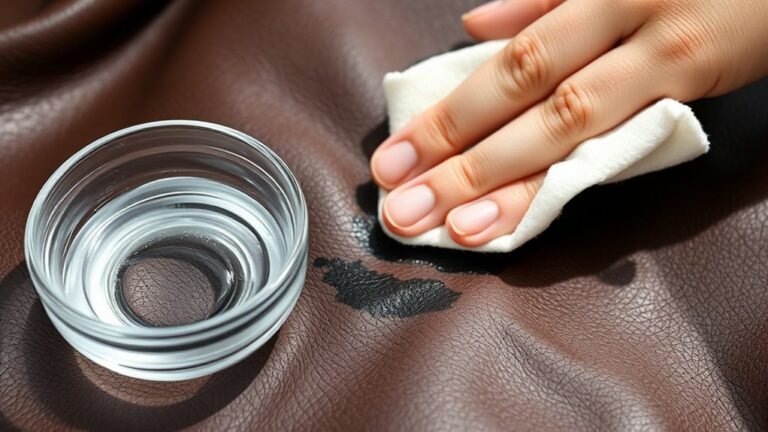
Mix equal parts distilled water and white vinegar with a few drops of mild dish soap.
Lightly dampen a soft cloth with this solution and wipe gently in circular motions. After cleaning, dry the surface with a clean cloth to avoid moisture damage.
Treat stains promptly using specific methods like blotting ink or oil spots.
Don’t forget to condition and protect your leather regularly to keep it soft and prevent fading. Regular conditioning nourishes the leather and helps maintain its durability.
There’s plenty more to help you care for your furniture effectively.
Assessing the Condition of Leather Furniture

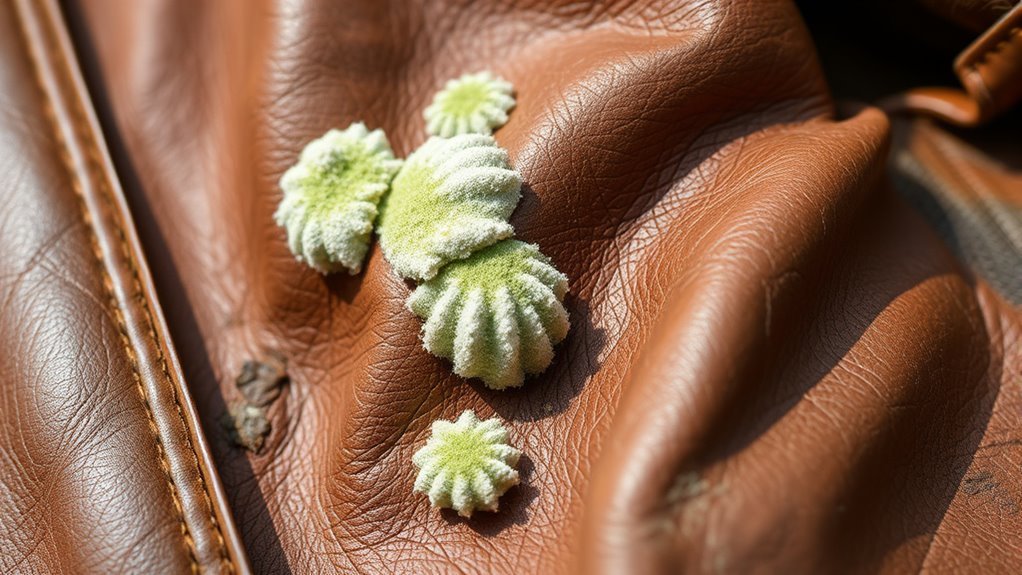
How do you know when your leather furniture needs special care? Start by appraising the leather surface carefully. Look for cracks, stiffness, or discoloration. These signs suggest the leather might need a gentle clean or conditioning.
Notice cracks, stiffness, or discoloration on your leather? It’s time for gentle cleaning or conditioning.
Check for sticky or greasy residues, which indicate dirt buildup that can damage the material if left untreated. Scratches, scuffs, or tears also affect how you approach cleaning.
To better understand the leather’s condition, test a small hidden spot with water. If it absorbs moisture, the leather is untreated and may require a different cleaning method than if water beads up.
Finally, evaluate the overall appearance for fading or sun damage, as this impacts how you clean and maintain your leather furniture effectively.
Preparing the Cleaning Solution
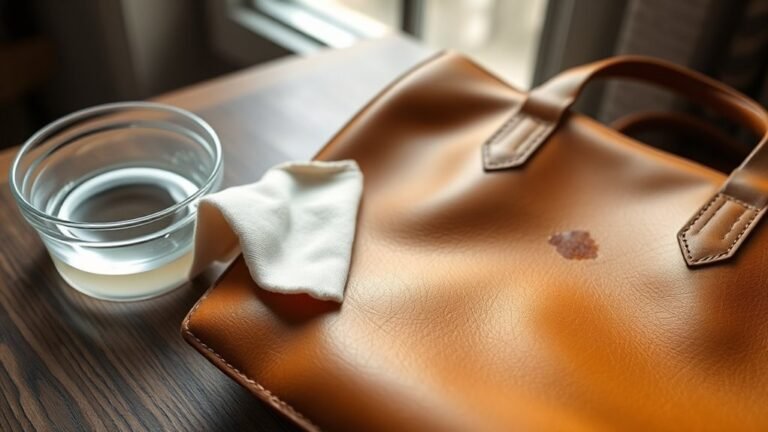
Before you start cleaning, prepare a gentle solution by mixing equal parts distilled water and white vinegar. Use about 1/2 cup of each in a small, clean spray bottle to make application easy and controlled.
For everyday cleaning, add a few drops of mild dish soap to this mixture to boost its ability to remove dirt without damaging your leather. Always test your homemade solution on a hidden spot first to ascertain it won’t cause discoloration or harm.
Avoid harsh chemicals, alcohol-based cleaners, or soaking the leather with too much liquid, as these can damage the surface. This simple, mild cleaning solution will help you maintain your leather furniture safely and effectively.
Cleaning Leather With Vinegar and Water
When you clean leather with a mixture of vinegar and water, you’ll want to dampen a soft microfiber cloth and gently wipe the surface in circular motions. This method safely refreshes your furniture without harsh chemicals. Before you proceed, test the solution on a hidden spot to confirm it won’t discolor or harm your leather.
Remember to:
Mix equal parts white vinegar and distilled water for a gentle cleaner
Use a microfiber cloth lightly dampened, never soaked
Wipe the leather softly to avoid damage
Dry with a clean cloth and let it air dry naturally
This simple routine helps you clean leather effectively, keeping it supple and looking great without risking damage.

Removing Common Stains From Leather
When you spot ink stains on your leather, acting quickly with rubbing alcohol can prevent them from setting. For oil spots, sprinkle baking soda and let it absorb the grease overnight before wiping it away.
And if water marks appear, blot them immediately with a damp cloth to minimize damage.
Removing Ink Stains
How do you tackle stubborn ink stains on your leather furniture without causing damage? Start by blotting the ink stains immediately with a clean, dry cloth to stop them from setting. Then, dampen a cotton ball or soft cloth with rubbing alcohol and gently dab the stain. Don’t rub, or you risk spreading it.
If the ink persists, try a small amount of cuticle remover or acetone-based product, but always test first on a hidden spot. Finally, wipe the area with a damp cloth to remove residue and let it air dry. Remember, always patch test any method on an inconspicuous area before applying it to the stain.
- Blot ink stains immediately
- Dab gently with rubbing alcohol
- Use acetone-based remover cautiously
- Wipe with a damp cloth afterward
Treating Oil Spots
Ink stains can be tricky, but oil spots on leather bring their own challenges. When you notice an oil stain, blot the excess immediately with a dry, soft cloth or paper towel to stop it from soaking in.
Next, sprinkle baking soda over the spot and let it sit overnight; this will absorb the grease effectively. In the morning, gently wipe away the powder with a clean, dry cloth. Avoid rubbing to prevent spreading the stain.
If the oil stain persists, consider applying a leather degreaser or consulting a professional cleaner to protect your furniture. Avoid using water or washing the stain directly, as this can spread the oil or worsen the stain.
Handling oil spots carefully keeps your leather looking its best.
Handling Water Marks
Although water marks can be frustrating, you can often remove them by moistening the area again and letting it dry naturally away from direct sunlight. Start by gently dampening the water mark with a soft cloth dipped in distilled water.
Then, lightly buff the stain with a dry soft cloth to blend it into the rest of the leather. Avoid heat sources like hair dryers, as they can dry out or crack the leather. Once the mark fades, apply a leather conditioner to restore moisture and protect against future stains.
Here’s a quick recap:
- Use distilled water with a soft cloth to moisten.
- Buff gently with a dry soft cloth.
- Let it dry naturally, away from sunlight.
- Finish with a leather conditioner for protection.
Deep Cleaning Techniques for Stubborn Stains
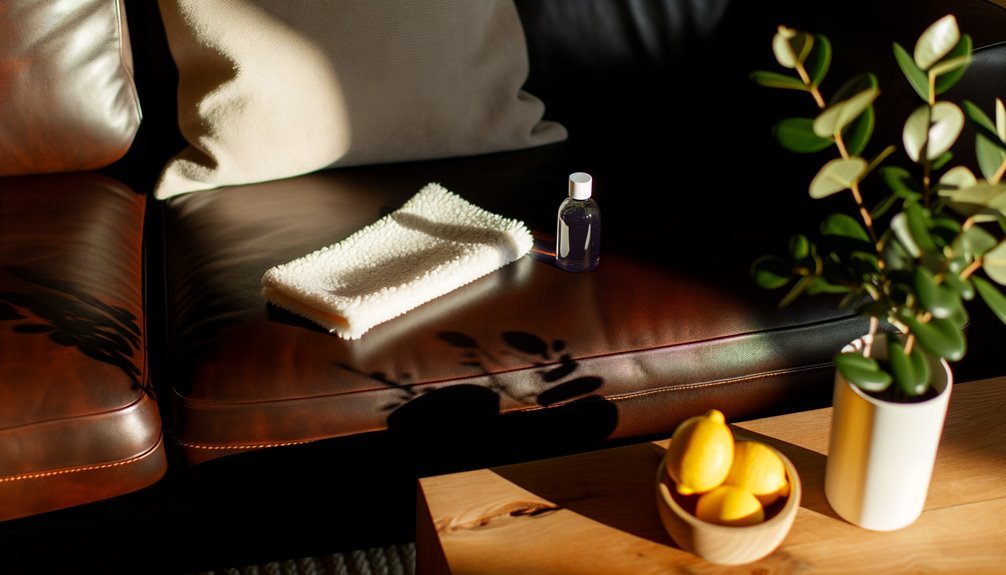
When stubborn stains appear on your leather furniture, you’ll need targeted techniques to remove them effectively without causing damage. For tough marks, create a paste using lemon juice and cream of tartar, apply it to the stain, and let it sit for 10 minutes before wiping clean.
Greasy or oil-based stains respond well to baking soda or cornstarch. Sprinkle it on, let it absorb overnight, then brush off gently. Ink stains require rubbing alcohol applied with a cotton ball, blotting carefully until the stain lifts.
Protein-based stains like blood need a cornstarch and lemon juice paste left to dry before cleaning. Always test your cleaning solution on a hidden spot first to prevent discoloration or damage to your leather.
How to Condition Leather Properly
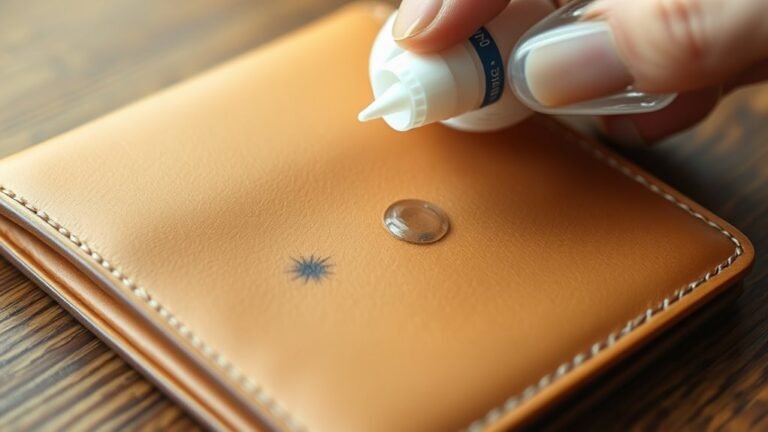
You’ll want to condition your leather furniture every 6 to 12 months to keep it soft and prevent cracking. Use a small amount of specialized conditioner, applying it in circular motions with a clean microfiber cloth. Always test the product on a hidden spot first to make sure the color and texture stay just right.
Conditioning Frequency Guidelines
Since leather naturally loses moisture over time, conditioning your furniture every 6 to 12 months keeps it soft and prevents cracking. The right conditioning frequency depends on your leather’s exposure and use. Overdoing it can cause product buildup, so stick to manufacturer guidelines.
If your leather faces direct sunlight or harsh conditions, you’ll want to condition it more often, around every 3 to 4 months. Regular conditioning replenishes natural oils, extending the leather’s life and enhancing its look.
Keep these points in mind about conditioning frequency for your leather furniture:
- Condition every 6 to 12 months under normal conditions
- Increase frequency to every 3 to 4 months if exposed to sunlight
- Avoid over-conditioning to prevent residue buildup
- Always follow product recommendations for best results
Best Conditioning Techniques
Although conditioning leather might seem straightforward, applying the right technique guarantees your furniture stays supple and vibrant. First, make sure your leather is clean and completely dry before you start. This ensures the conditioner absorbs properly.
Use a high-quality leather conditioner or a natural mix like linseed oil with vinegar. Apply it with a soft microfiber cloth, working in gentle, circular motions on small sections to achieve even coverage. Let the conditioner sit for a few minutes to penetrate the leather deeply.
Then, buff the surface with a clean, dry cloth to bring out its shine and softness. Avoid conditioning in direct sunlight or heat to prevent damage and uneven absorption. Follow this method every 6 to 12 months to keep your leather furniture looking its best.
Protecting Leather From Damage and Fading
When you apply a leather protectant or conditioner every 6 to 12 months, you create a strong barrier against moisture, stains, and UV damage that cause fading. Proper care not only preserves the leather’s appearance but also extends its life.
To protect your furniture from damage and fading, make sure to:
- Keep leather furniture out of direct sunlight to minimize UV damage.
- Use UV-protectant sprays designed specifically for leather surfaces.
- Avoid harsh cleaning products and abrasive tools that can harm the leather.
- Regularly clean and condition to maintain natural oils and prevent drying.

Tips for Maintaining Leather Furniture Longevity
Protecting your leather furniture from damage and fading lays the foundation for its long-lasting beauty. To maintain leather furniture longevity, make it a habit to remove dust regularly using a dry microfiber cloth every two weeks. This prevents dirt buildup that can dull the surface.
When you clean leather, avoid harsh soaps or chemicals; instead, use a soft, damp cloth for spills and address them immediately. Don’t forget to condition leather every 6 to 12 months with a suitable leather conditioner to keep it supple and prevent cracking.
Also, steer clear of direct sunlight to avoid fading and drying out. For deeper care, perform thorough cleaning and conditioning at least twice a year. These simple steps will help your leather furniture stay beautiful and durable for years.
Frequently Asked Questions
What Is the Best Thing to Clean Leather Couches?
The best thing to clean leather couches is a gentle, pH-balanced solution like distilled water mixed with white vinegar or a manufacturer-approved leather cleaner. Use a soft microfiber cloth and always test first on a hidden spot.
Can You Use Dawn Dish Soap to Clean Leather Furniture?
You might think Dawn dish soap works for leather since it cleans dishes so well, but you shouldn’t use it. It’ll dry out your leather and cause cracking.
Stick to leather cleaners or mild homemade solutions instead.
What Should You Not Clean Leather Couches With?
You shouldn’t clean leather couches with harsh chemicals like bleach, ammonia, or alcohol-based cleaners. Avoid soap, saddle soap, solvents, oils, or abrasive pads since they can damage, stain, or scratch the leather’s finish.
How Can I Make My Leather Couch Look New Again?
You can make your leather couch look new again by regularly dusting, cleaning with a gentle vinegar solution, conditioning it every 6-12 months, promptly treating stains, and buffing scratches with a soft cloth or leather polish.
Conclusion
Did you know that properly maintained leather furniture can last up to 15 years or more? By regularly cleaning, conditioning, and protecting your leather, you’re not just preserving its beauty—you’re investing in long-lasting comfort and style.
Keep these simple tips in mind, and you’ll enjoy your leather pieces for years to come without worrying about cracks, stains, or fading.
Taking care of your leather furniture really pays off! Regular leather cleaning, conditioning, and protection are key to maintaining its appearance and durability.