How to Sanitize Leather: Easy, Safe, and Effective Methods
To sanitize leather safely, start by testing a leather-specific disinfectant on a hidden spot to avoid discoloration. Using the right leather care methods is essential to maintain its quality and appearance. Avoid harsh chemicals that can damage the material.
Use a damp microfiber cloth with mild soap and water to clean the surface gently. Avoid bleach or alcohol, as these can cause damage to the leather. This careful approach ensures effective sanitization without compromising the leather’s integrity.
After disinfecting, apply a quality leather conditioner to keep it supple and prevent cracks. Consistent care preserves your leather’s appearance and durability. Keep going to uncover more tips for proper leather care and maintenance.
Importance of Proper Leather Sanitization
Although it might seem simple, proper leather sanitization is essential to prevent germs and bacteria buildup without harming the material’s natural fibers. When you disinfect leather, you need to avoid harsh chemicals like bleach or alcohol, which can cause cracking, discoloration, and loss of suppleness.
Instead, focus on gentle cleaning methods and approved disinfectants that effectively remove germs while preserving the leather’s natural oils and finish. Routine sanitization not only keeps leather looking great but also extends its lifespan by maintaining its texture and durability.
Before applying any disinfectant fully, test it on an inconspicuous spot to ensure it won’t damage the leather. By balancing cleanliness with care, you protect both your health and your leather’s integrity.
Essential Supplies for Sanitizing Leather
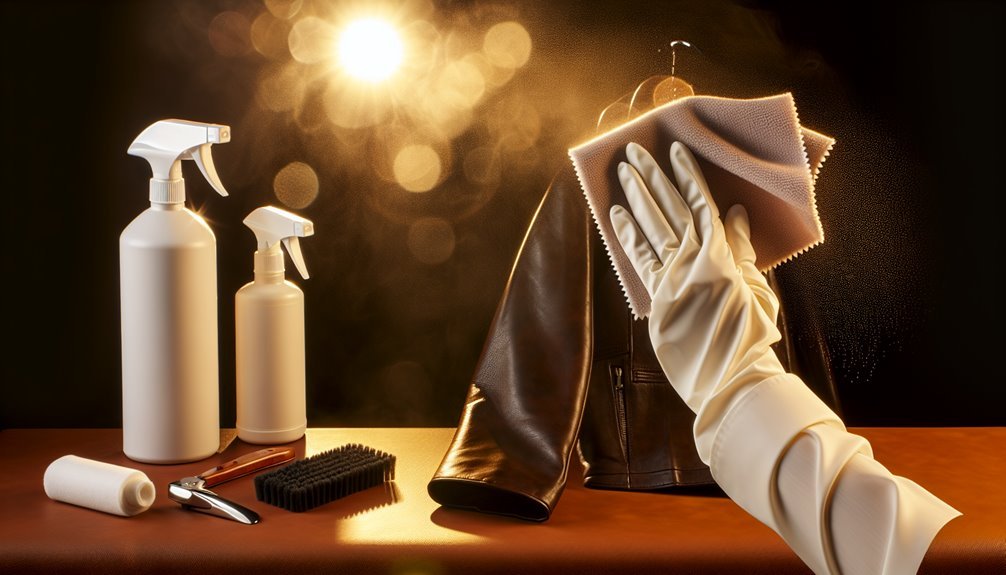
To keep your leather clean and germ-free without causing damage, you’ll need the right supplies. Use a microfiber cloth or leather-specific cleaning wipes to gently remove dirt. A vacuum with an upholstery attachment helps clear dust and debris first.
Avoid harsh chemicals like bleach or rubbing alcohol to protect your leather care routine. For sanitizing finished leather, Clorox™ Disinfecting Mist Multi-Surface works well but always test it in an inconspicuous area. A soft-bristled brush can aid in delicate cleaning and dusting.
| Supply | Purpose | Notes |
|---|---|---|
| Microfiber Cloth | Gentle cleaning | Use damp with mild soap for best results |
| Leather Cleaning Wipes | Surface soil removal | Leather-specific for safe use |
| Vacuum (Upholstery) | Dust and debris removal | Use before sanitizing |
| Clorox™ Disinfecting Mist | Sanitizing finished leather | Test first on hidden spot |
Preparing Leather Surfaces for Sanitization
Before sanitizing your leather, you should remove any surface dirt and debris by wiping it with a damp microfiber cloth or using a vacuum with an upholstery attachment.
Next, test any cleaning or disinfecting product on a hidden area to verify it won’t cause discoloration or damage. Use a pH-neutral leather cleaner or mild soap mixed with warm water to gently wipe the leather, preparing the surface for sanitization. Be careful not to soak the leather or apply harsh chemicals directly, as this can harm the material.
After cleaning, allow the leather to air dry completely to prevent moisture from trapping dirt or causing mold growth. Properly prepping your leather ensures you can safely and effectively disinfect your leather without compromising its integrity.
Safe Sanitizing Techniques for Different Leather Types
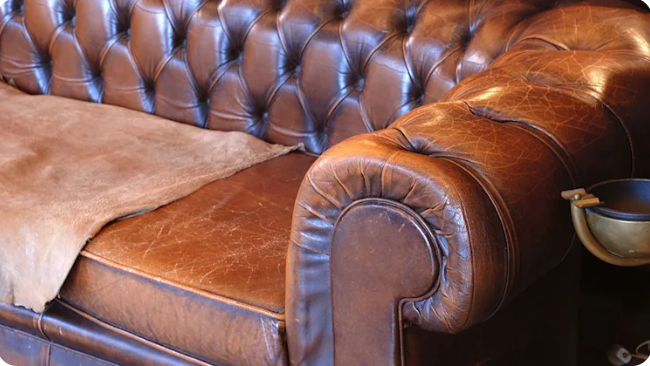
Since different types of leather react uniquely to sanitizing methods, you’ll need to tailor your approach based on the material. To safely disinfect leather without causing damage:
Leather requires tailored sanitizing methods to ensure effective disinfection without damage.
- For finished leather, use a damp microfiber cloth with mild soap or a specialized cleaner to gently disinfect leather.
- Avoid water-based disinfectants on suede and nubuck to prevent moisture damage; opt for dry cleaning methods instead.
- Apply 70% isopropyl alcohol cautiously on sealed leather, testing first on a hidden spot to avoid discoloration.
- Use UV-C light or leather-safe disinfectant sprays sparingly on untreated leather, minimizing moisture exposure.
Always follow manufacturer guidelines, and remember to condition your leather regularly to maintain its texture and prevent cracking after sanitizing.
Post-Sanitization Care and Conditioning
After sanitizing your leather, you’ll want to condition it to keep it soft and prevent cracking. Choose a conditioner made specifically for leather and apply it about 15-30 minutes after cleaning for the best results.
Always test the product on a hidden spot first to avoid any discoloration.
Conditioning Leather Post-Cleaning
Once you sanitize your leather, applying a high-quality conditioner is essential to restore lost oils and keep the material supple. Cleaning agents and disinfectants can strip away natural moisture, so conditioning helps prevent cracks and dryness.
Follow these steps for effective post-cleaning care:
- Choose a leather conditioner specifically formulated for your type of leather.
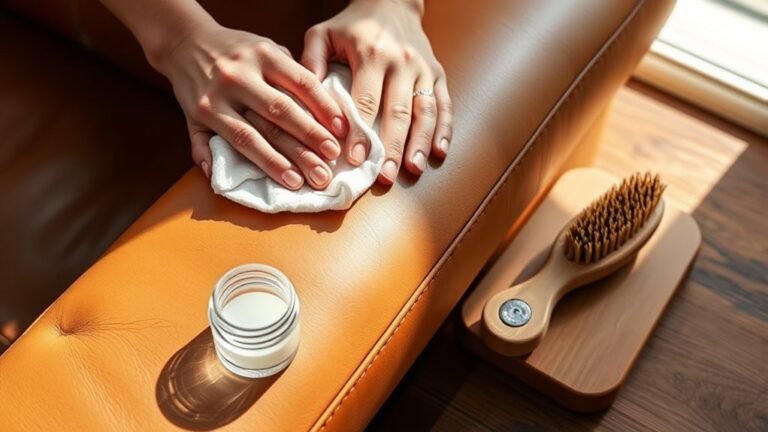
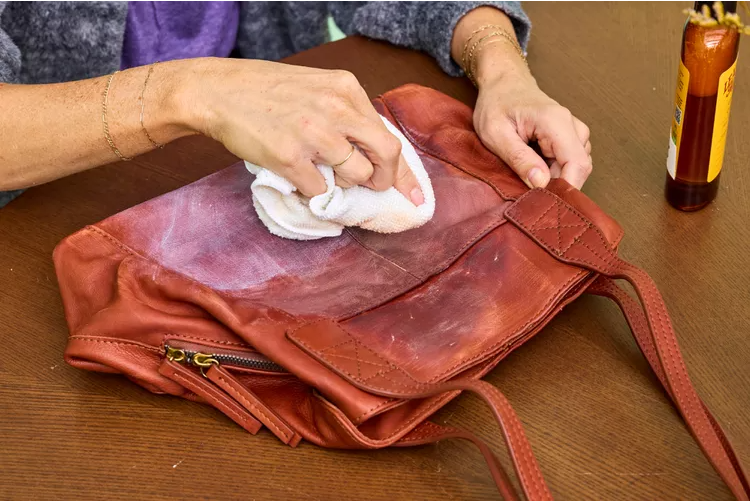
- Use a soft cloth to gently massage the conditioner evenly into the surface.
- Let the conditioner sit for 15-20 minutes to allow deep absorption.
- Buff off any excess product with a clean, dry cloth for a smooth finish.
Regular conditioning after cleaning prolongs your leather’s lifespan and preserves its natural texture and appearance, ensuring it stays soft and durable.
Choosing Suitable Leather Conditioner
Choosing the right leather conditioner plays a crucial role in maintaining your leather’s health and appearance after sanitizing. To keep your leather supple and vibrant, pick a conditioner formulated specifically for your leather type. This ensures it won’t cause damage or discoloration.
A quality leather conditioner restores moisture lost during cleaning and helps prevent cracking by replenishing natural oils. Apply it evenly with a clean, soft cloth and let it absorb fully before using the item.
Regular conditioning, ideally every 3 to 6 months, strengthens your leather’s resistance to future stains, dirt, and environmental wear. By choosing the appropriate conditioner, you’re protecting your leather’s longevity and appearance, making it look and feel its best long after sanitizing.
Timing for Conditioning Application
Proper timing plays a key role in getting the most out of your leather conditioner following sanitization. After disinfecting your leather couches, it’s vital to let them dry out the leather surface completely before applying any conditioner. Here’s what you should do:
- Wait 15-30 minutes post-sanitization to allow the leather to dry thoroughly.
- Avoid applying conditioner immediately, as trapped moisture can cause mold or damage.
- Confirm the leather is only lightly damp or fully dry before conditioning to maintain strength.
- Use a high-quality conditioner and follow the manufacturer’s instructions for best results.
Common Mistakes to Avoid When Sanitizing Leather
Although sanitizing leather is important for hygiene, you should avoid common mistakes that can damage its appearance and durability. First, never use harsh chemicals like bleach or rubbing alcohol, as they can strip the leather’s dye and finish, causing discoloration and dryness.
Also, don’t soak your leather items in disinfectants or water; this leads to warping and cracking. When cleaning, avoid vigorous scrubbing. Gentle wiping is key to preventing surface damage. Finally, don’t dry leather in direct sunlight or near high heat, since this accelerates fading and cracking. By steering clear of these errors, you’ll protect your leather’s look and extend its life while keeping it sanitary.
Tips for Maintaining Clean and Germ-Free Leather Items
To keep your leather items clean and germ-free, start with gentle cleaning using leather-specific wipes or a damp microfiber cloth with mild soap.
When disinfecting, choose safe products and spray lightly from a distance to avoid damage. Following these simple steps helps protect your leather’s finish while keeping it sanitary.
Gentle Cleaning Techniques
When you want to keep your leather items clean and germ-free, start by using a soft, damp microfiber cloth with mild soap and warm water to gently wipe the surface. To effectively sanitize leather without damage, follow these cleaning techniques:
- Test any cleaning solution on a hidden spot first to avoid discoloration.
- Avoid harsh chemicals like bleach or rubbing alcohol, which dry out leather.
- Dust leather regularly with a dry cloth to minimize dirt and microbial buildup.
- After cleaning, apply a quality leather conditioner to keep the leather supple and protected.
Safe Disinfection Practices
How can you effectively disinfect your leather items without causing damage? To sanitize leather safely, opt for leather-specific disinfectant sprays or use a damp microfiber cloth with mild soap and water.
Avoid harsh chemicals like bleach, ammonia, or rubbing alcohol, as they can discolor and crack the leather. Before applying any disinfectant sprays, test them on a hidden spot to check for color or texture changes.
After disinfecting, always apply a quality leather conditioner to restore moisture and prevent dryness. For delicate or valuable leather pieces, consider UV-C light treatment or seek professional cleaning services to ensure safe sanitation.
Following these safe disinfection practices helps you maintain clean, germ-free leather while preserving its appearance and durability.
Frequently Asked Questions
What Can Be Used to Disinfect Leather?
You can disinfect leather using specially formulated leather sprays, diluted isopropyl alcohol, mild soap with water, or diluted white vinegar. Just be sure to condition afterward, and you might also try UV-C light for a chemical-free option.
Does Leather Carry Bacteria?
Just like a well-worn book holds secrets, leather can carry bacteria too. You should know it traps microbes, letting them linger longer than you’d expect.
Regular cleaning is key to keep it safe and fresh.
How to Get Norovirus off of Leather?
You should clean leather with soap and hot water, then carefully apply a diluted bleach solution approved for norovirus. Avoid harsh chemicals.
Once dry, use a leather conditioner to keep it from drying out or cracking.
Can I Spray Lysol on Leather?
You shouldn’t spray Lysol on leather because it can cause discoloration, drying, and cracking.
Instead, use a leather-safe disinfectant or a damp cloth with mild soap to clean it safely without damaging the material.
Conclusion
Now that you know how to sanitize your leather properly, imagine running your fingers over its smooth, refreshed surface—no grime, no germs, just pure, supple leather.
But don’t rush; skipping steps can dull its shine or cause damage you’ll regret. Follow the right techniques closely, and your leather will not only look cleaner but last longer.
The secret lies in care—will you give your leather the attention it truly deserves? Proper leather sanitizing is key to maintaining its beauty and durability for years to come.