How to Remove Paint Off Leather Shoes Step by Step
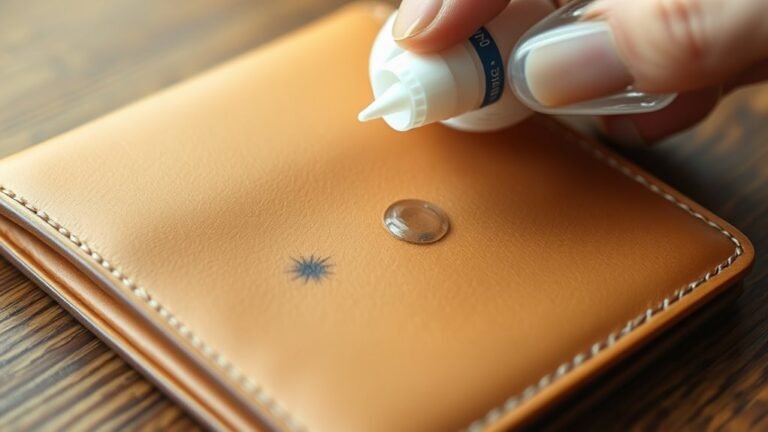
First, identify if the paint on your leather shoes is water- or oil-based to choose the right remover. Knowing this is crucial for effective paint removal without damaging the leather. Always test any cleaner on a small hidden spot to avoid unwanted damage.
Gently blot wet paint with a damp cloth, taking care not to rub and spread the paint further. For dried paint, carefully dab rubbing alcohol to soften it, then gently wipe it away.
Use a leather cleaner for stubborn paint spots that don’t come off easily. Finish the process by conditioning the leather to keep your shoes soft and supple. To learn how to protect your shoes and prevent future stains, keep exploring these tips.
Assess the Type of Paint on Your Leather Shoes

Before you begin removing paint, you need to identify what type of paint is on your leather shoes. Knowing whether it’s water-based or oil-based paint helps you choose the right cleaning method.
Water-based paints, like acrylic or latex, are easier to remove and often come off with mild soap and water.
Water-based paints such as acrylic or latex are simpler to remove, often coming off with just mild soap and water.
Oil-based paints, on the other hand, are tougher and may require stronger solvents.
Check the paint’s texture and smell. Water-based paints dry quickly and feel flexible, while oil-based paints take longer to dry and have a stronger odor.
If you’re unsure, test a small, hidden area by gently rubbing with a damp cloth. This step prevents damage and guarantees you tackle the stain effectively without harming your leather shoes.
Gather Necessary Cleaning Supplies

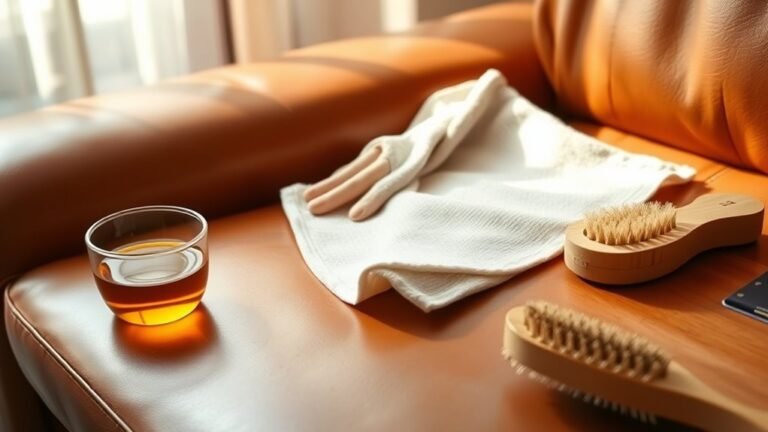
Since removing paint from leather requires different approaches depending on the paint type, you’ll need specific cleaning supplies ready to tackle the job effectively. Having the right tools on hand makes the process smoother and prevents damage to your shoes.
Here’s a quick checklist of essentials:
| Cleaning Supply | Purpose | Notes |
|---|---|---|
| Mild Soap | Gently cleans leather | Avoid harsh detergents |
| Rubbing Alcohol | Removes water-based paint | Use sparingly |
| Leather Conditioner | Restores moisture | Apply after cleaning |
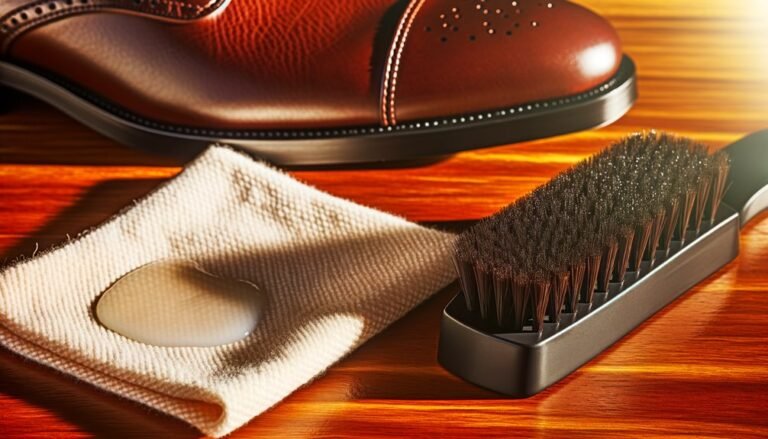
| Soft Cloths | For application and wiping | Microfiber preferred |
Make sure to gather these items before you start, so you’re fully prepared to remove that paint without stress or delay.
Test Cleaning Products on a Small Leather Area

Although you might be keen to remove the paint immediately, you should always test your cleaning products on a small, hidden area of the leather first. This helps verify the product won’t discolor, damage, or dry out your shoes.
Always test cleaning products on a hidden leather spot first to avoid discoloration or damage.
Choose an inconspicuous spot, like inside the tongue or under the heel, and apply a tiny amount of the cleaner with a cotton swab or soft cloth. Wait a few minutes to see how the leather reacts.
Look for any fading, staining, or texture changes.
If the leather looks unaffected, you can proceed confidently. If you notice any negative effects, try a gentler product or consider consulting a professional.
Testing first protects your shoes and prevents costly mistakes during the paint removal process.
Gently Remove Wet Paint With a Damp Cloth
Once you’ve confirmed your cleaning product is safe, you can tackle the paint while it’s still wet. Start by dampening a clean, soft cloth with lukewarm water. Avoid soaking the leather; just lightly moisten the cloth.
Gently blot the paint stain without rubbing, as rubbing can spread the paint or damage the leather’s surface. Work from the edges of the paint inward to prevent it from spreading further.
You may need to rinse the cloth frequently to avoid reapplying paint residue. Continue blotting patiently until the paint lifts off. If the paint persists, don’t force it. Stop and let it dry before trying another removal method.
Acting quickly and gently here increases your chances of removing the paint without harming your leather shoes.
Use Rubbing Alcohol to Treat Dried Paint Spots
When paint has dried on your leather shoes, rubbing alcohol can effectively break down the stubborn spots without damaging the material. Start by dipping a cotton ball in rubbing alcohol, then gently dab it on the dried paint.
Avoid rubbing harshly to prevent leather damage. Let it sit for a minute to soften the paint, then carefully wipe with a clean cloth. Repeat if necessary.
| Step | Action | Tip |
|---|---|---|
| 1 | Dip cotton ball | Use isopropyl rubbing alcohol |
| 2 | Dab on paint spots | Be gentle, don’t rub |
| 3 | Wait 1 minute | Let paint soften |
| 4 | Wipe with clean cloth | Repeat if paint persists |
Apply Leather Cleaner for Stubborn Paint Stains
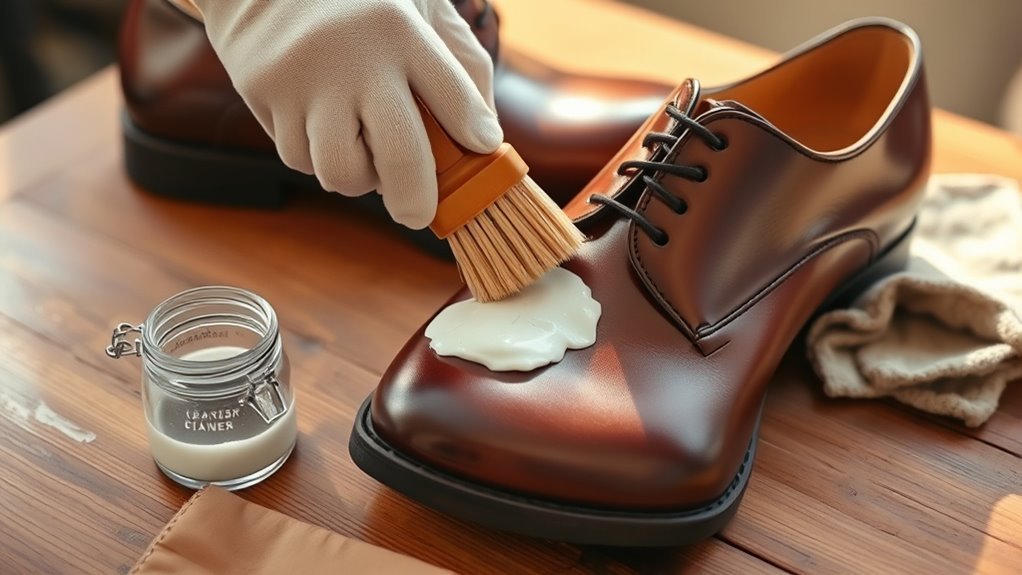
If rubbing alcohol doesn’t fully remove the paint, you can turn to a leather cleaner designed to tackle tougher stains. Choose a cleaner formulated specifically for leather to avoid damage.
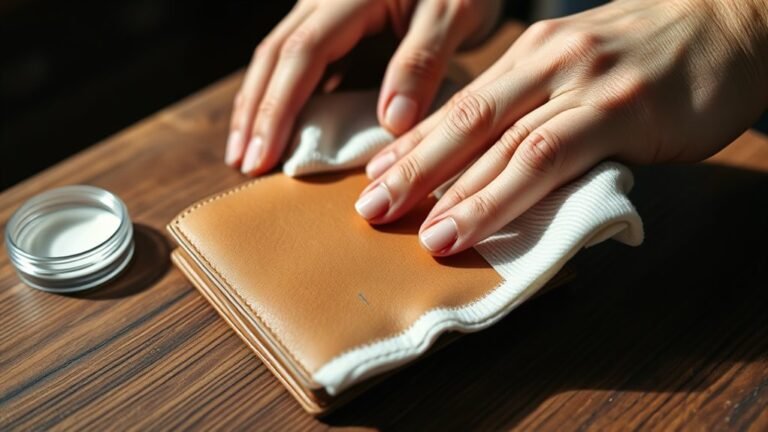
Apply a small amount onto a clean, soft cloth and gently rub the affected area in circular motions.
Don’t soak the leather; just enough cleaner to lift the paint without saturating the material. After working the cleaner in, wipe away any residue with a damp cloth.
Allow the shoes to air dry naturally, away from direct heat or sunlight.
If needed, repeat the process carefully until the paint lifts completely. Using a leather cleaner helps break down stubborn paint without harming your shoes’ finish, making it an effective next step in restoring your leather footwear.
Condition the Leather After Paint Removal
Although removing paint is essential, you shouldn’t skip conditioning the leather afterward to restore its moisture and flexibility. Leather can dry out and crack if left untreated, so conditioning helps maintain its softness and durability.
Here’s how to do it right:
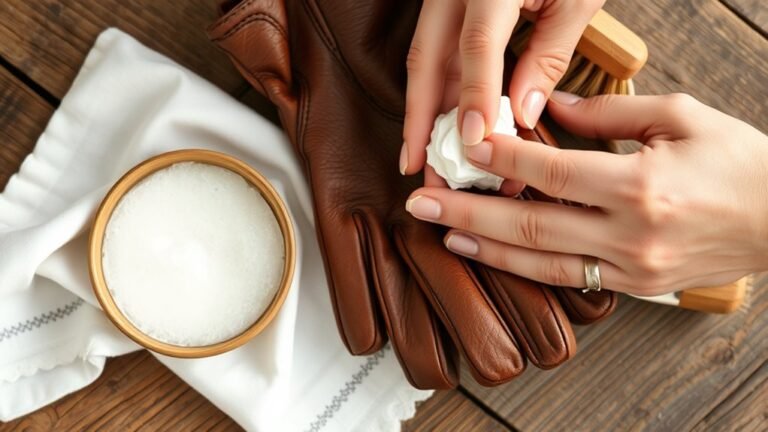
Choose a leather conditioner suitable for your shoe type. Apply a small amount evenly using a soft cloth. Let the conditioner absorb fully, usually for 15-20 minutes. Buff the shoes gently to bring out their natural shine.
Repeat conditioning every few months to keep leather healthy.
Avoid Common Mistakes When Cleaning Leather Shoes
Because leather is delicate, you’ll want to avoid mistakes that can damage its surface or texture during cleaning. Don’t use harsh chemicals or abrasive tools; they can strip the leather’s natural oils and cause cracking. Avoid soaking your shoes in water, as excess moisture weakens the leather and promotes warping.
Never scrub aggressively. Gentle wiping with a soft cloth works best. Also, avoid cleaning without testing products on a hidden area first to prevent discoloration.
Don’t skip conditioning afterward, or your leather may dry out and lose its luster.
Finally, avoid exposing wet leather to direct heat or sunlight; instead, let it air dry naturally. Following these guidelines helps keep your leather shoes looking great while safely removing paint stains.
Tips for Preventing Paint Stains in the Future
Taking care when cleaning your leather shoes will protect them from damage, but preventing paint stains from happening in the first place is even better. You can save time and frustration by adopting a few simple habits that keep your shoes looking pristine.
Prevent paint stains by adopting simple habits to keep your leather shoes looking pristine and damage-free.
Here are some practical tips to help you avoid paint stains in the future:
- Always wear old shoes or protective covers when painting.
- Keep your leather shoes away from painting areas.
- Use a drop cloth or newspaper to create a clean workspace.
- Quickly wipe off any paint splatters with a damp cloth before they dry.
- Store your shoes in a dust-free area to avoid accidental contact with paint.
Frequently Asked Questions
Can Paint Removal Damage Leather Shoe Soles?
Yes, paint removal can damage leather shoe soles if you use harsh chemicals or scrub too hard.
You’ll want to choose gentle products and test a small area first to avoid ruining your shoes.
How Long Does Paint Need to Dry Before Removal?
You should let the paint dry for about 30 minutes to an hour before removing it. This guarantees it’s dry enough to peel or wipe off without smearing but not so hardened that it damages your leather.
Are All Leather Types Safe for Rubbing Alcohol?
Not all leather types are safe for rubbing alcohol—remember, “one size doesn’t fit all.”
You shouldn’t use it on delicate or suede leather, as it can cause damage or discoloration, so always test a small area first.
Can I Use Hairdryer to Speed up Paint Drying?
You can use a hairdryer to speed up paint drying, but keep it on a low heat setting. Too much heat can damage the leather, so hold it at a distance and move it constantly to avoid overheating.
Is Professional Cleaning Better for Expensive Leather Shoes?
Oh, sure, just trust a stranger with your prized leather!
But seriously, you’ll want professional cleaning for expensive shoes—they’ve got the expertise to preserve quality and avoid damage you might accidentally cause trying to DIY.
Conclusion
Now that you know how to remove paint from your leather shoes step by step, you’re ready to tackle any mishap with confidence.
Remember, “a stitch in time saves nine”—address paint stains as soon as you spot them to prevent damage. Always handle your shoes gently, use the right products, and don’t skip conditioning afterward.
With these tips, your leather shoes will stay looking sharp and paint-free for many walks ahead! Following these leather shoe paint removal steps ensures your footwear remains in excellent condition.