What Is PU Leather Made Of? Materials, Process & Facts Explained
PU leather is made by coating a fabric base—usually polyester or nylon—with a flexible plastic polymer called polyurethane, which mimics the look and feel of real leather. This synthetic leather material is popular for its affordability and versatility.
The coating is created through chemical reactions involving synthetic compounds, often treated with dyes and plasticizers to enhance softness and durability.
While it looks like leather, PU leather is fully synthetic and can release chemicals during production.
If you want to understand its different types and environmental impact, there’s more to explore about how PU leather is made and used.
The Chemical Composition of PU Leather

Although PU leather looks and feels like real leather, it’s actually made by coating a fabric base, often polyester, with a layer of thermoplastic polyurethane (TPU). This polyurethane layer forms through a chemical reaction between diisocyanates and polyols, creating a flexible polymer coating that mimics leather’s texture.
To get the right color and durability, manufacturers add pigments, plasticizers, and stabilizers, which enhance appearance and weather resistance. During production, solvents and catalysts help cure the coating, but they can release volatile organic compounds (VOCs), so ventilation matters.
When you touch PU leather, you’re feeling this carefully engineered polymer, designed to combine the look of leather with the benefits of a synthetic material made through complex chemistry.
Fabric Base Materials Used in PU Leather
When you look at PU leather, the fabric base plays a big role in its feel and durability. Most commonly, manufacturers use synthetic fibers like polyester or nylon, but sometimes natural fabrics like cotton show up too.
The type and thickness of this base directly affect the texture and flexibility you’ll notice in the final product.
Common Fabric Bases
Since the fabric base forms the foundation of PU leather, its composition considerably affects the material’s performance and feel. You’ll commonly find polyester, nylon, cotton, or blends as the fabric base.
Polyester dominates due to its durability, flexibility, and resistance to shrinking. Cotton offers a softer, breathable alternative but lacks in durability compared to synthetic fabrics.
Nylon adds strength and water resistance, while vinyl bases often appear in budget-friendly or waterproof PU leather. Each choice impacts durability, flexibility, water resistance, breathability, and environmental impact, shaping your PU leather’s quality.
| Fabric Base | Key Features | Environmental Impact |
|---|---|---|
| Polyester | Durable, flexible | Moderate |
| Nylon | Strong, water-resistant | Higher |
| Cotton | Breathable, soft | Lower |
| Vinyl | Waterproof, cheap | Higher |
| Blends | Balanced properties | Varies |
Fabric Influence on Texture
Because the fabric base shapes the surface you feel, it plays a crucial role in determining PU leather’s texture and flexibility. The fabric base in PU leather is typically polyester, nylon, cotton, or a blend of these materials.
Polyester, a synthetic fabric, is popular for its durability and resistance to stretching, making the material flexible and easy to coat. Nylon offers a smoother texture, lending a sleek finish to PU leather.
Cotton, on the other hand, provides a softer, more breathable texture but sacrifices some water resistance. Depending on the fabric base chosen, the texture and flexibility can vary considerably, influencing the PU leather’s suitability for fashion, upholstery, or other uses.
Understanding these fabric influences helps you select the right PU leather for your needs.

The Role of Polyurethane in PU Leather Production
You’ll find that polyurethane’s unique chemical makeup is key to PU leather’s flexibility and durability. When liquid polyurethane coats the fabric base, it forms a smooth, leather-like surface that you can customize with different textures.
This coating process directly influences how soft, strong, and water-resistant the final material will be.
Polyurethane Chemical Composition
Although you might not realize it, polyurethane plays a crucial role in creating PU leather by providing the material’s flexibility and durability. Its chemical composition stems from a reaction between polyols and diisocyanates, forming a long-chain polymer with urethane linkages.
These linkages give PU leather its elasticity, water resistance, and smooth finish. When applied as a coating, polyurethane creates the synthetic surface that mimics genuine leather’s look and feel.
Manufacturers adjust the formulation by adding specific additives and using cross-linking agents, tailoring the texture, strength, and appearance of the final product. This careful control over polyurethane’s chemical makeup ensures PU leather remains both practical and visually appealing, making it a popular alternative to natural leather.
Polymer Coating Process
How does polyurethane transform a simple fabric into realistic PU leather? The process starts by applying a liquid polyurethane coating onto a base fabric like polyester or cotton.
This flexible polymer then undergoes a curing process, solidifying into a durable, water-resistant surface. Thanks to its chemical composition, polyurethane can be customized to achieve the desired breathability and finish, whether glossy or matte.
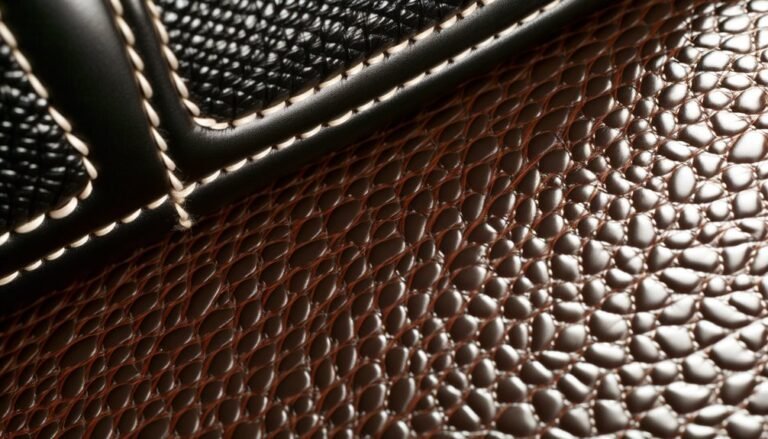
During production, the polyurethane layer can be embossed or textured, creating a surface that mimics natural leather grains or exotic patterns. This embossing adds to the material’s authenticity, while the polymer’s flexibility ensures comfort and resilience.
Impact on Material Quality
Because polyurethane forms the core coating in PU leather, its quality directly shapes the material’s softness, texture, and durability. When you evaluate PU leather, the formulation of polyurethane plays a vital role. Additives and cross-linking agents enhance flexibility and resistance to cracking.
The thickness of the polyurethane coating also matters; thicker layers usually improve durability but can affect breathability. Advances in eco-friendly options, like water-based polyurethanes and bio-based polyurethanes, help reduce the environmental impact of production without sacrificing performance.

Variations and Types of PU Leather
When you explore PU leather, you’ll find several variations designed to suit different needs and preferences. PU leather types mainly differ in polymer composition and finish coatings, affecting texture, flexibility, and durability.
Soft PU is thinner and more flexible, ideal if you want lightweight synthetic leather. Premium PU undergoes enhanced treatments for a more realistic look and longer-lasting quality. Bonded PU blends real leather fibers with polyurethane, offering a hybrid feel.
Additionally, embossing adds texture, while gloss or matte finish coatings enhance visual appeal. Here are key variations of PU leather:
- Soft PU: lightweight, flexible synthetic leather
- Premium PU: durable with enhanced finish coatings
- Bonded PU: real leather fibers bonded with polyurethane
Understanding these variations helps you pick the right PU leather for your needs.
Manufacturing Process of PU Leather
Although PU leather looks and feels like real leather, its manufacturing process starts with a fabric base, usually polyester, nylon, or cotton, that is prepared to receive a polyurethane coating. You’ll see a liquid polyurethane applied evenly using coating methods like spraying or roller coating.
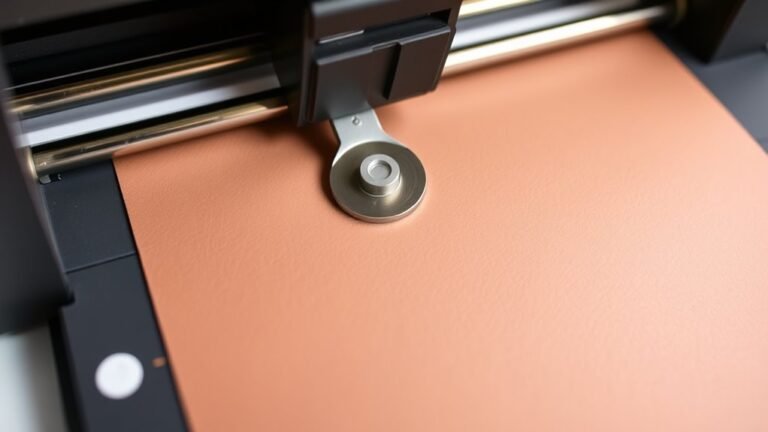
Next, the coated fabric passes through heated rollers that create a textured surface with embossing patterns, mimicking natural leather grain. After embossing, finishing touches include applying pigments, gloss, or matte topcoats to enhance color and appearance.
The material then undergoes curing to solidify the coating and ensure durability. Finally, quality control checks the PU leather for texture, strength, and visual appeal before it’s cut and packaged. This precise manufacturing process guarantees the consistent look and feel you expect from PU leather.
Differences Between PU Leather and Other Faux Leathers
Now that you understand how PU leather is made, it’s easier to see how it stands apart from other faux leathers. PU leather uses thermoplastic polyurethane coated on fabric, making it a flexible and breathable synthetic material.
In contrast, PVC leather is made by layering polyvinyl chloride, often with a foam backing, resulting in a thicker, less pliable product with stronger chemical odors.
Key differences include:
- PU leather’s manufacturing process creates a softer, more textured surface closer to genuine leather.
- PVC leather tends to be less breathable and emits more chemical odors due to its plastic layers.
- PU leather is lighter and more versatile, while PVC offers durability but sacrifices flexibility.
Understanding these distinctions helps you choose the right faux leather for your needs.

Environmental and Health Considerations of PU Leather Components
How does PU leather impact both the environment and your health? PU leather contains polyurethane derived from petrochemicals and involves chemical treatments with toxic chemicals like DMF. These chemicals release volatile organic compounds (VOCs) during production, harming air quality and worker health.
Plasticizers in PU leather may cause skin sensitivities for some users. Plus, its non-biodegradable nature means PU leather persists in landfills, contributing to long-term environmental impact.
| Component | Impact | Concern |
|---|---|---|
| Polyurethane | Petrochemical-based | Non-biodegradable |
| Toxic Chemicals | Worker & environmental | Health risks, VOC emissions |
| Plasticizers | Consumer exposure | Skin sensitivities |
| Chemical Treatments | Environmental leaching | Pollution |
| Disposal | Landfills persistence | Plastic pollution |
You should consider these factors when choosing PU leather products.
Frequently Asked Questions
What Are the Disadvantages of PU Leather?
You’ll find PU leather less durable, prone to cracking, peeling, and odors. It’s sensitive to heat and scratches, fades quickly, and isn’t eco-friendly since it contains non-biodegradable plastics harming the environment.
Does PU Mean Fake Leather?
You should know PU leather is often called fake leather since it’s 100% synthetic, made from polyurethane. In fact, over 90% of PU products contain no animal hide, making them entirely man-made alternatives.
How Long Will PU Leather Last?
PU leather usually lasts 1 to 5 years, depending on quality and care. If you avoid harsh conditions and clean it regularly, your PU leather can stay durable and look good for up to 3 to 5 years.
What Happens if PU Leather Gets Wet?
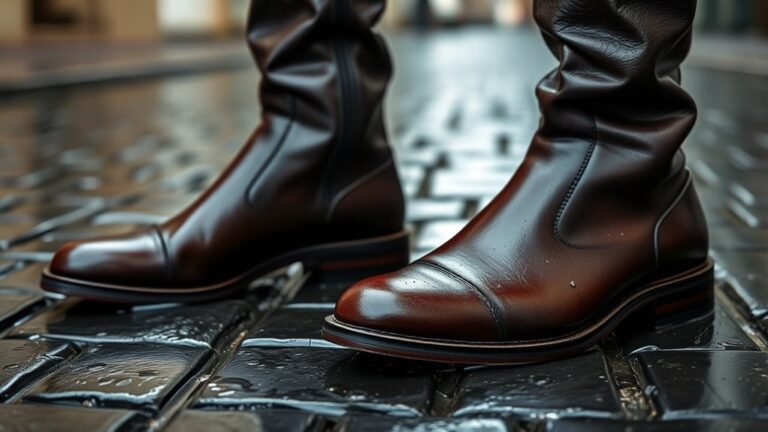
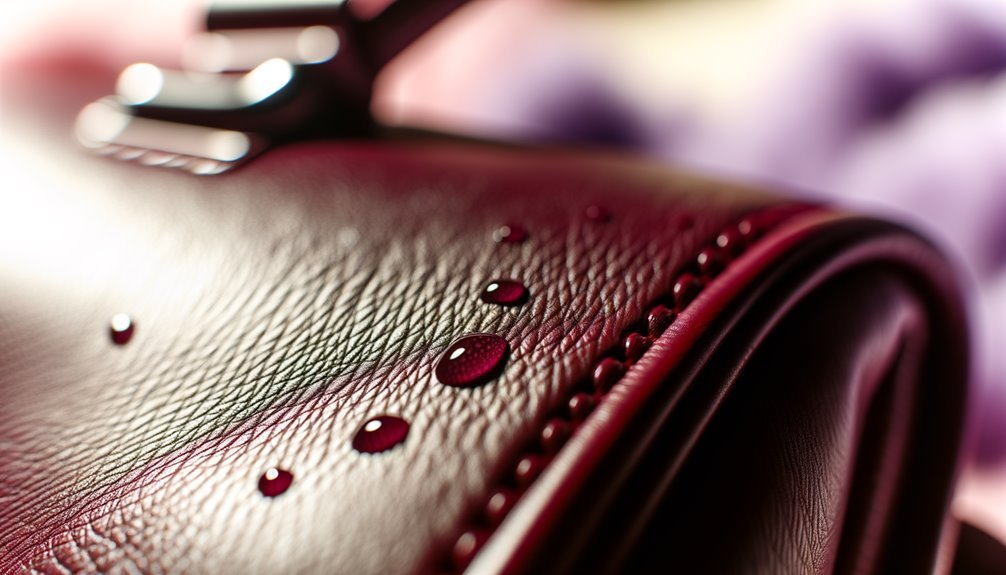
If PU leather gets wet, you’ll notice it resists light splashes but prolonged exposure can cause swelling, cracking, or peeling.
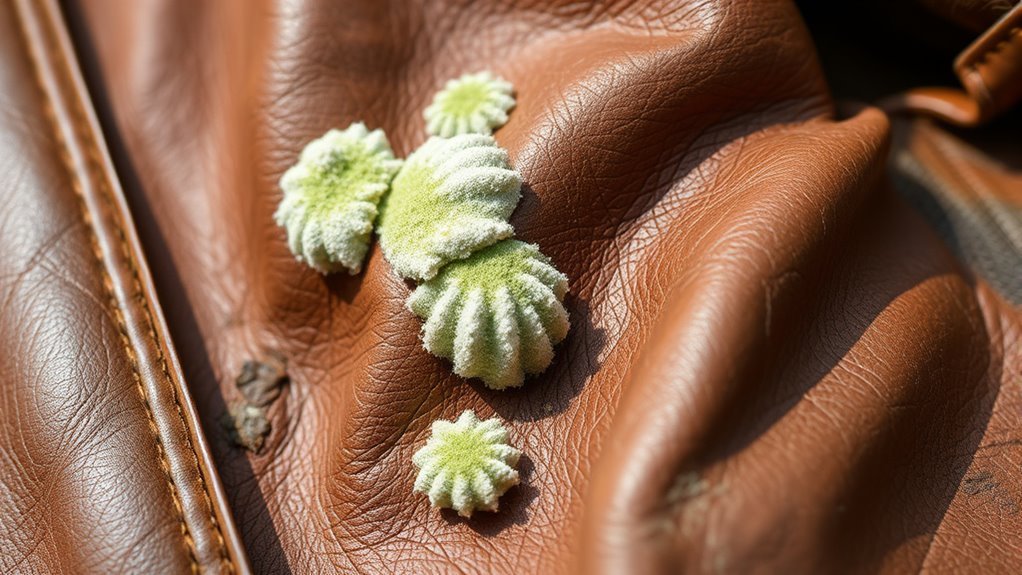
Water weakens adhesives, so wipe it dry quickly to prevent damage and mold growth.
Conclusion
When you touch PU leather, you’re feeling a clever blend of fabric and polyurethane, both working together to mimic real leather’s look and feel. Just like how a painter mixes colors to create the perfect shade, manufacturers combine chemicals and textiles to craft PU leather.
So, next time you pick up a PU leather jacket or bag, remember—it’s not just imitation; it’s a thoughtful fusion of materials designed to offer style and practicality in one. This unique composition makes PU leather a popular choice for those seeking the look of genuine leather without the cost or environmental impact. Understanding what PU leather is made of helps appreciate its durability and versatility in fashion and upholstery.