What Is Polyurethane Leather? Definition, Uses & Benefits Explained
Polyurethane leather, also known as PU leather, is a popular synthetic leather alternative made by coating fabric with a flexible polyurethane polymer. This cruelty-free material is designed to mimic the texture and feel of real leather while being more affordable and water-resistant.
PU leather is commonly used in fashion, upholstery, and accessories due to its versatility and durability.
You can easily identify PU leather by its uniform surface and a distinct light chemical scent. It requires less maintenance compared to genuine leather and comes in a wide variety of styles and colors.
However, PU leather may wear out faster than natural leather over time.
Keep reading to learn more about the history of polyurethane leather, tips on how to care for it, and its common applications in everyday products.
Definition and Composition of Polyurethane Leather

Polyurethane leather, often called PU leather, is a synthetic material created by coating a fabric base, usually polyester or cotton, with a layer of polyurethane polymer. When you look closely, PU leather combines the strength of the textile base with the flexibility and texture provided by the polyurethane coating.
This polyurethane coating is carefully applied through spreading, embossing, and finishing processes to mimic genuine leather’s appearance and feel. Since PU leather is made from synthetic materials, it doesn’t use any animal hides, making it a popular alternative for those seeking cruelty-free options.
The manufacturing process also enhances its water resistance and durability, so you get a cost-effective material that performs well in everyday use.
Historical Development and Evolution
How did PU leather transform from a niche invention to a widely used material? Polyurethane leather started in the 1930s as a synthetic alternative to genuine leather, aiming to offer a cost-effective and versatile option.
It gained commercial popularity by the 1960s, especially in fashion, furniture, and automotive sectors. Early versions faced criticism for lacking durability and the natural look of real leather.
However, the evolution of PU leather focused on improving texture, flexibility, and reducing environmental impact. Today, ongoing innovations continue to enhance its sustainability and authenticity, making it a preferred choice for many.
Understanding this historical development helps you appreciate how polyurethane leather evolved from a simple substitute to a sophisticated, widely accepted material.
Types and Variations of PU Leather
When choosing PU leather, you’ll find different categories designed for specific uses, like soft PU leather for clothing and premium types for furniture or automotive interiors. Each type varies in flexibility, durability, and appearance, so it’s important to know what fits your needs.
You’ll also notice embossed patterns that mimic natural or exotic textures, adding to their appeal.
PU Leather Categories
Although synthetic, PU leather comes in several distinct types that cater to different needs and budgets. Within the PU leather categories, you’ll find soft PU, known for its lightweight flexibility, and premium PU, which is thicker and built for durability.
Some variations combine synthetic materials with real leather, like bicast leather, which has a genuine layer coated with polyurethane. You’ll also encounter bonded PU leather, created from shredded leather scraps bonded with polyurethane, ideal for budget options.
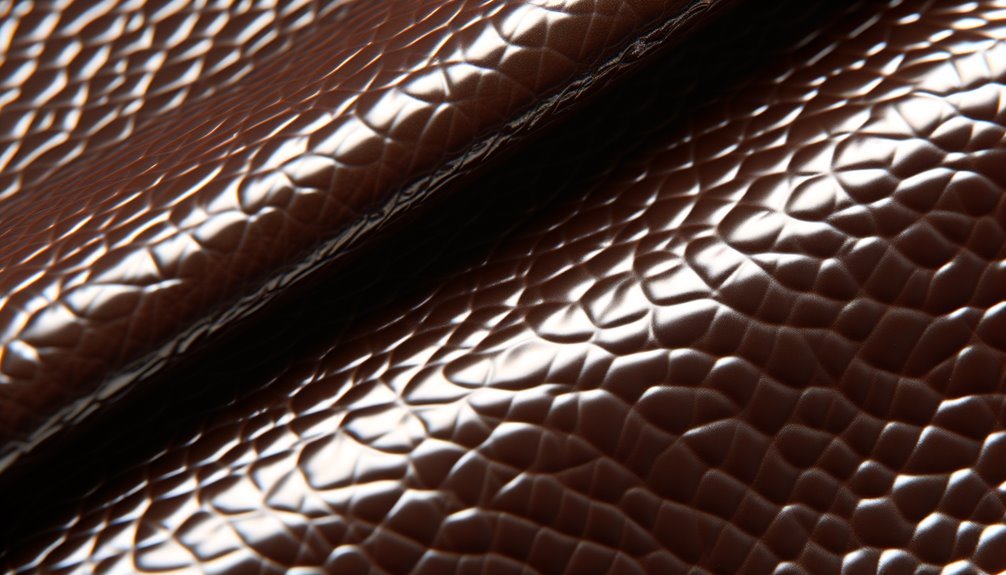
Textured surfaces enhance PU leather’s appeal, with embossed patterns mimicking natural grains or exotic skins. Coated or laminated PU leather adds extra layers for water resistance and protection, perfect for furniture or automotive use.
Understanding these categories helps you choose the right PU leather for your specific needs.

Common PU Leather Types
Exploring the various categories of PU leather naturally leads to understanding its common types and variations. You’ll find soft PU leather, which is thin and flexible, ideal for clothing and accessories but less durable for heavy use.
Premium PU leather enhances texture and coatings to closely mimic genuine leather, perfect for high-end furniture and fashion. Another type, bicast or bonded PU leather, combines a thin layer of real leather with polyurethane, offering a budget-friendly option with lower durability.
Embossed PU leather stands out by featuring textured patterns, including exotic designs like crocodile or snake skin, replicating natural hides. Additionally, recycled or eco-friendly PU leather uses sustainable materials, letting you enjoy style with less environmental impact.
These types of PU leather give you diverse choices depending on your needs.
Advantages of Using PU Leather
Because PU leather doesn’t come from animals, it appeals to those who want cruelty-free products without sacrificing style or durability. You’ll find PU leather is a vegan, affordable alternative to genuine leather that’s also water-resistant and easy to clean.
It offers a broad range of colors and designs, letting you match your personal style effortlessly. Plus, its production uses fewer resources, making it a more sustainable choice. Here’s a quick look at its key advantages:
| Advantage | Benefit |
|---|---|
| Vegan | No animal products used |
| Affordable | Lower cost than genuine leather |
| Water-resistant | Easy to clean and maintain |
| Versatile Designs | Wide variety of colors and styles |
| Sustainable | Less resource-intensive production |
PU leather gives you ethical style without compromise.
Disadvantages and Durability Issues
How long does PU leather really last? Typically, it starts to crack, peel, and show signs of deterioration within 2 to 3 years, especially if you use it frequently or buy lower-quality products.
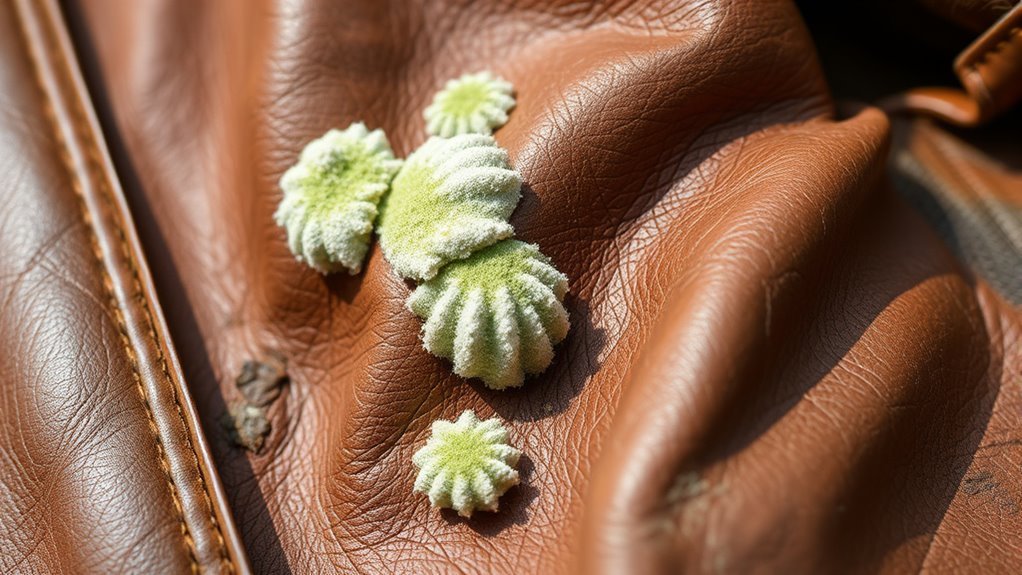
PU leather’s durability isn’t as strong as genuine leather because its plastic components fade, crack, and tear over time. If you expose it to heat, sunlight, or harsh chemicals, the aging process speeds up, causing more damage.
Unlike real leather, PU lacks natural resilience, so surface damage appears faster, reducing its lifespan. Keep in mind, the durability of PU leather heavily depends on manufacturing quality. Poorly made versions won’t hold up well and will fail sooner, leaving you with worn-out items quicker than you might expect.
Environmental and Ethical Considerations
What impact does PU leather really have on the environment and ethics? Polyurethane leather relies on plastic-based polymers and fabric from non-renewable petroleum, which contributes considerably to environmental impact. Its production releases harmful chemicals like VOCs, heavy metals, and solvents that damage ecosystems and pose health risks.
Since PU leather doesn’t biodegrade, it clutters landfills for centuries, worsening plastic pollution. Ethically, you might appreciate that PU leather is often marketed as vegan, but some products contain animal-derived residues, raising questions about true ethics. Recycling polyurethane materials is tough and rarely effective, leading to waste management challenges.
How to Identify PU Leather
You can spot PU leather by paying attention to how it looks and feels. Its surface is usually uniform and smooth, unlike real leather’s natural grain and texture.
Give it a sniff; PU leather often has a distinct chemical smell, especially when new. You can also try the water test: water beads up on PU leather but soaks into genuine leather.

Visual and Touch Cues
Although PU leather mimics real leather’s appearance, you can spot the difference by examining its surface and texture closely. PU leather usually has a uniform surface with a glossy or matte finish, lacking the natural imperfections genuine leather shows.
When you touch it, PU leather feels smooth and slick, whereas real leather offers a softer, grainier texture. The surface of PU leather often displays repeated patterns or embossing, unlike the unique grain variations found in real leather.
Additionally, PU leather tends to emit a distinctive chemical or plastic odor, especially when new, which sets it apart from the earthy smell of genuine leather. By paying attention to these visual and touch cues, you can confidently identify PU leather without confusion.
Smell and Water Test
Since PU leather often gives off a distinct chemical or plastic smell when new, you can use this as a quick way to identify it. Unlike the rich, natural scent of genuine leather, PU leather’s smell tends to be synthetic and chemical-based.
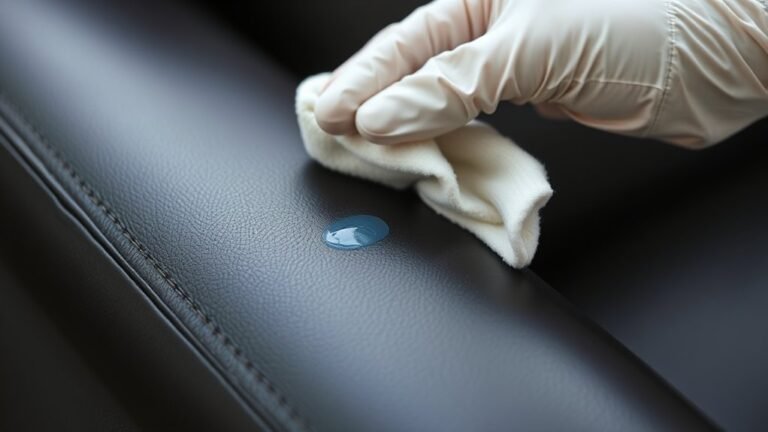
To confirm, try the water test: place a few drops of water on the surface. If it’s PU leather, the water will stay on top, forming small puddles without soaking in. Genuine leather, on the other hand, absorbs water quickly, darkening as it does. This simple combination of checking the smell and performing the water test helps you easily distinguish PU leather from real leather without specialized tools or expertise. Keep in mind, the chemical smell of PU leather fades as it airs out.
Comparison Between PU Leather and Genuine Leather
When comparing PU leather and genuine leather, you’ll notice they differ markedly in composition and longevity. PU leather is a synthetic material made by coating fabric with polyurethane, while genuine leather comes from animal hides.
Genuine leather ages gracefully, developing a natural patina and unique imperfections, whereas PU leather keeps a uniform look but is more prone to cracking and peeling after a few years. You’ll find genuine leather has a distinct smell and texture, unlike PU leather’s chemical odor and plastic-like feel.
Additionally, genuine leather is biodegradable and more environmentally sustainable if sourced responsibly. In contrast, PU leather, being plastic-based, isn’t biodegradable. Understanding these differences helps you choose between the durability and natural appeal of genuine leather versus the affordability and uniformity of synthetic materials like PU leather.
Care and Maintenance Tips for PU Leather
To keep your PU leather looking its best, clean it regularly with a soft, damp cloth and mild soap to avoid damage. Protect it from direct sunlight and heat, and condition it every 6-12 months to maintain its flexibility.

Cleaning Methods
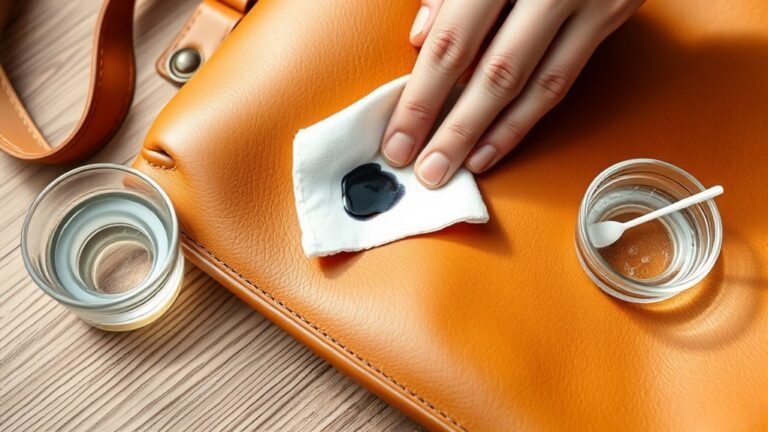
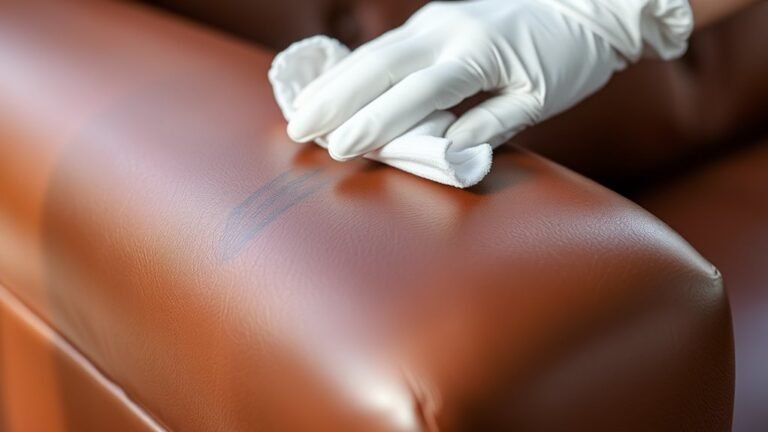
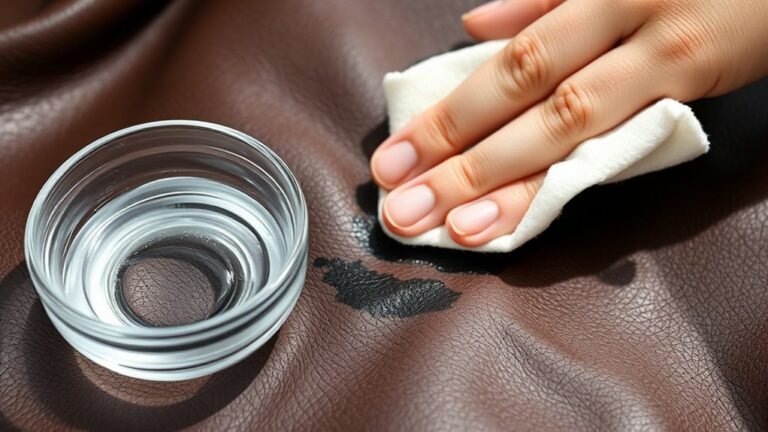
Although PU leather is durable, you should clean it regularly with a soft, damp cloth to keep dust and dirt from building up. When tackling stains, use mild soap or a gentle cleaner made for synthetic leather. Always test on a hidden spot first to avoid damage.
Avoid harsh chemicals, alcohol-based products, and abrasive cleaners, as they can ruin the polyurethane coating. For ongoing maintenance, consider applying a synthetic leather conditioner periodically to keep the material flexible and prevent cracking.
Protective Measures
Keeping your PU leather clean is just one part of maintaining its appearance and durability. To protect your PU leather, regularly wipe it with a soft, damp cloth to remove dust and prevent buildup.
Avoid harsh chemicals and abrasive cleaners, as they can damage the polyurethane coating and cause cracking. Keep your PU leather away from direct sunlight and heat sources to prevent fading and warping.
For added care, use a specialized synthetic leather conditioner periodically to maintain flexibility and prevent drying out. If spills occur, clean them promptly with a damp cloth and mild soap to avoid stains and long-term damage.
These protective measures will help keep your PU leather looking fresh and extend its usability without compromising its look or feel.
Longevity Tips
When you care for PU leather properly, you can substantially extend its lifespan and maintain its fresh appearance. Regular maintenance involves wiping the surface with a soft, damp cloth to remove dust and prevent dirt buildup.
Avoid harsh chemicals or abrasive cleaners, as they can cause cracking and damage PU leather. Keep your items away from direct sunlight and heat sources to prevent fading and deterioration.
For effective care, use specialized synthetic leather conditioners periodically to keep the material flexible and looking new. If spills occur, address them immediately by blotting with a clean, dry cloth to prevent stains and surface damage.
Following these straightforward care and maintenance tips guarantees your PU leather stays durable and attractive for years to come.
Common Uses and Applications of PU Leather
Since PU leather combines affordability with versatility, you’ll find it used in a wide range of products from fashion accessories like handbags and shoes to furniture and automotive interiors. PU leather’s applications extend to wallets, belts, and even clothing items such as jackets and skirts.
Its water resistance makes it ideal for furniture upholstery, including sofas and chairs, as it’s easy to clean and maintain. In vehicles, PU leather covers seats, steering wheels, and dashboards, providing a durable and stylish finish.
You’ll also see it in smaller accessories like phone cases and watch straps, offering a vegan alternative to genuine leather. Thanks to its diverse applications, PU leather suits both practical needs and fashion trends, giving you plenty of stylish, budget-friendly options.
Frequently Asked Questions
Is Polyurethane Leather Good?
You’ll find polyurethane leather good for affordability, style variety, and easy care, but don’t expect long-lasting durability. It can crack or peel within a few years and may have chemical odors initially.
How Long Will Polyurethane Leather Last?
Polyurethane leather can last you a solid 2 to 5 years, but if you treat it like royalty—clean gently, avoid sun and sharp stuff—it might just outlive your wildest expectations.
Neglect? Expect cracks sooner!
What Are the Disadvantages of PU Leather?
You’ll find PU leather cracks, peels, and smells chemically over time. It’s less durable, tears easily, traps sweat, and harms the environment since it’s non-biodegradable.
Does Polyurethane Leather Crack?
You’d think polyurethane leather could last forever, but yes, it does crack. If you expose it to sun, heat, or bend it often, it’ll lose flexibility and start showing wear faster than you’d expect.
Conclusion
Now that you know what polyurethane leather is, you can see why it’s a popular alternative to genuine leather. It offers style and affordability, but don’t let its looks fool you—PU leather has its quirks and requires proper care to last.
If you keep your eyes peeled and treat it right, you’ll get the most bang for your buck. In the end, it’s all about finding the right fit for your needs.
Understanding polyurethane leather’s benefits and maintenance will help you make an informed choice, ensuring you enjoy both the look and durability of this leather alternative.