How to Get Water Stains Out of Leather: Easy DIY Methods
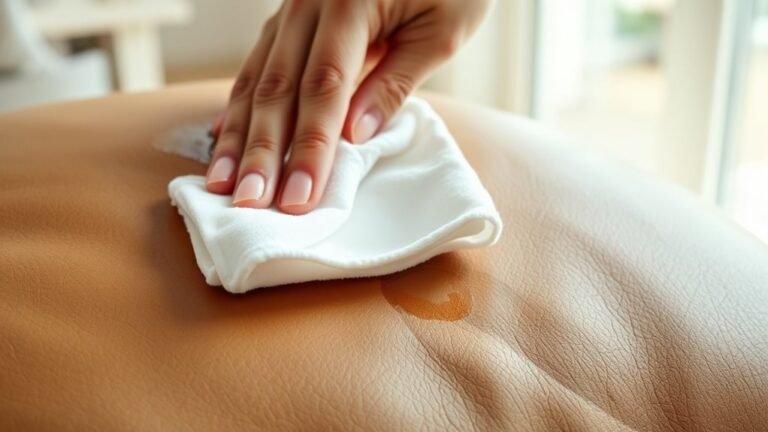
If your leather has water stains, start by blotting excess moisture with a soft cloth to prevent absorption.
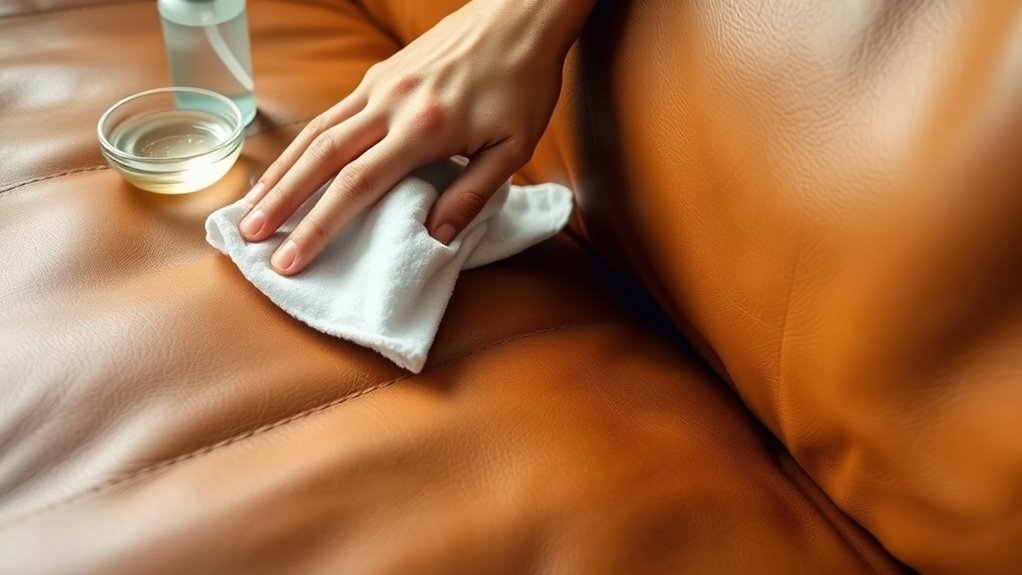
Using a vinegar-water mix is an effective way to gently clean the marks without damaging the leather.
After cleaning, let it air dry naturally, avoiding heat or direct sunlight, which can cause further damage.
Once the leather is dry, apply a leather conditioner to restore moisture and reduce discoloration.
For stubborn stains, you might try targeted treatments, but always proceed with care to avoid harming the material.
To keep your leather looking its best, regularly protect and condition it to prevent future water damage.
There’s more to learn about these helpful methods and precautions to maintain your leather’s quality and appearance.
Understanding Water Stains on Leather

Although water alone won’t permanently damage your leather, exposure can cause mineral deposits or discoloration that show up as water stains. Water stains from leather occur when moisture interacts with the surface, leaving visible marks.
Water exposure can leave mineral deposits or discoloration, resulting in visible leather stains.
The severity depends on the type of leather, its finish, and how long it’s exposed. Protected leathers, like those with pigmented or water-repellent coatings, resist water stains better than natural or unfinished leather, which soak up moisture more easily.
While water won’t ruin leather permanently, untreated water stains can cause discoloration and change the texture over time. You’ll want to understand this to prevent lasting damage and maintain your leather’s appearance.
Recognizing how water stains form helps you care for your items properly and avoid costly repairs down the line.
Immediate Steps to Take When Leather Gets Wet

When your leather gets wet, grab a clean, dry cloth and blot the water right away to stop it from soaking in deeper. Let it air dry naturally in a shaded, well-ventilated spot. Never use direct heat or sunlight. Avoid blow dryers or heaters, as they can damage the leather’s texture and shape.
Act Quickly to Dry
Since water can quickly damage leather, you should immediately blot the excess moisture with a clean, dry microfiber cloth to stop it from soaking in further. Avoid rubbing, which can spread the water and worsen stains.
After blotting, let your leather air dry naturally in a well-ventilated area, steering clear of direct heat or sunlight that can cause cracking. For items like shoes or handbags, stuff them with absorbent paper to help maintain their shape as they dry.
Resist the urge to speed up drying with hairdryers or heaters, since high heat can stiffen or damage the leather. Make sure the leather is fully dry before applying any conditioners or cleaners to avoid trapping moisture and causing further issues.
Acting quickly ensures your leather stays in great condition.
Avoid Heat and Sun
To protect your leather after it gets wet, don’t place it near heat sources or in direct sunlight. You should avoid heat and sun because high temperatures can cause the leather to stiffen, crack, or fade.
Instead, blot excess water gently with a soft, dry cloth and let the leather air dry naturally in a well-ventilated, cool, shaded area. Avoid using artificial heat like radiators or hair dryers, as they can dry the leather unevenly and damage its texture.
Keeping your leather away from direct sunlight also prevents discoloration and preserves its overall integrity. By avoiding heat and sun, you ensure your leather dries safely without compromising its color or softness, helping you maintain its quality for years to come.
Cleaning Methods for Fresh and Dried Water Stains

Although water stains can be stubborn, you can often remove them by using a mixture of three parts water to one part white vinegar. For fresh water stained leather, gently dab the mixture onto the affected area with a soft cloth, avoiding over-saturation.
When cleaning the leather, focus on lifting mineral deposits or water marks by softly scrubbing with a toothbrush. If stains persist, try dabbing pure white vinegar directly to break down tougher marks.
After cleaning, let your leather dry completely in a well-ventilated space to prevent further water damage. Keep in mind, some stains may become permanent if the leather has absorbed moisture deeply or etched.
Prompt and careful cleaning with the mixture of water and vinegar is your best bet for restoring your leather’s appearance.
Using Leather Conditioners to Minimize Water Marks
To minimize water marks, use a leather conditioner with natural oils like beeswax or neatsfoot to restore moisture and blend stains. Make sure to pick a high-quality product and apply it to clean, slightly damp leather for the best results.
Regular conditioning not only improves appearance but also protects your leather from future water damage.
Conditioner Benefits Explained
Leather conditioners play an essential role in minimizing water stains by restoring moisture and flexibility to your leather items. They replenish lost lipids and maintain the leather’s protective barrier, helping to fade existing water marks and prevent new ones.
Using conditioners like beeswax, neatsfoot oil, or mink oil can also darken and even out the color, making water stains less visible.
| Benefit | Effect on Leather Items |
|---|---|
| Restores moisture | Prevents dryness and cracking |
| Enhances flexibility | Reduces stiffness and wear |
| Evens out color | Minimizes water stain visibility |
| Maintains protective barrier | Increases water resistance |
| Replenishes natural oils | Fades existing stains over time |
Conditioning regularly keeps your leather items looking revitalized and uniform.
Choosing Proper Products
Conditioners rich in natural oils like neatsfoot, mink, or beeswax do more than just restore moisture. They actively reduce the appearance of water marks by evening out uneven tones. When choosing leather conditioners, pick gentle, natural options like Andar’s Leather Cream that nourish without risking extra staining.
Before applying any conditioner, test it on a small, hidden spot to make sure it won’t alter your leather’s color or finish. Using the right leather conditioners after cleaning helps darken and blend water-stained areas, improving your leather’s overall look.
Regular conditioning also maintains flexibility and forms a protective barrier against future water damage. Selecting proper products guarantees your leather stays healthy and looks great while minimizing water marks effectively.
Application Techniques
Although it might seem simple, applying conditioner correctly makes all the difference in minimizing water stains on your leather. Start by choosing the right leather conditioner. Natural oil-based creams or beeswax work best for your favorite leather.
Apply a small amount directly onto the water-stained area, especially if you’ve treated it earlier with a water and white vinegar mix. Use a soft, clean cloth to gently rub the conditioner in circular motions, ensuring even coverage.
Let it penetrate for 15-20 minutes, then buff off any excess with a dry cloth. Regular conditioning after cleaning restores moisture and gradually reduces water marks.
Applying Leather Paint to Conceal Persistent Stains
When water stains won’t budge despite cleaning, you can use high-quality leather paint to conceal the damage and restore your item’s look. Choose acrylic or oil-based leather paint for effective coverage.
Start by cleaning and lightly sanding the stained area to improve paint adhesion. Apply the leather paint in thin, even coats using a polyester or natural bristle brush to avoid cracking and ensure smooth coverage.
Clean and lightly sand before applying thin, even coats with a soft brush for smooth, crack-free coverage.
Build up multiple layers gradually, allowing each to dry before applying the next. This helps blend the paint seamlessly and prevents thick, uneven spots. Once you’ve achieved the desired coverage, protect the painted area with a leather sealant or finisher. This step enhances durability and guards against future stains or discoloration, keeping your leather item looking fresh and well-maintained.
DIY Remedies for Removing Water Stains at Home
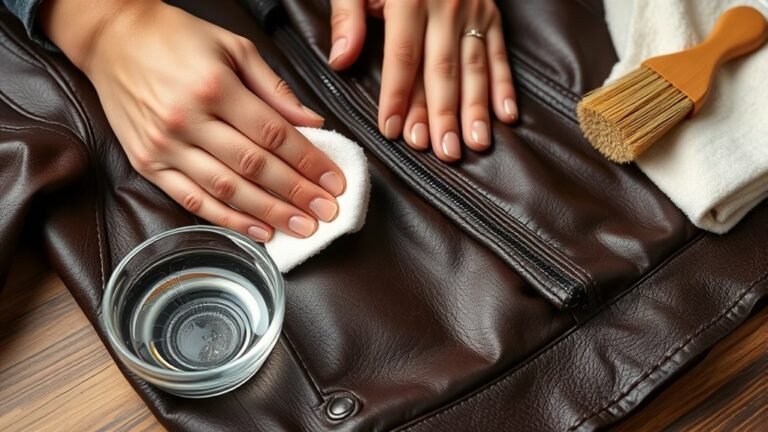
If painting over water stains feels like too much, you can try simple DIY remedies to restore your leather’s appearance. Start by mixing equal parts water and white vinegar. Dab the solution onto the stain with a soft cloth and gently scrub using a soft toothbrush to lift mineral deposits.
Afterward, use a damp cloth or sponge to rinse the treated area, removing any vinegar residue. Let the leather air dry naturally, away from direct sunlight or heat. To nourish the leather, create a homemade conditioner by melting beeswax and blending it with natural oils like olive or coconut oil.
Apply this after drying to restore moisture and flexibility. These easy steps with a damp cloth and natural ingredients help you effectively remove water stains without harsh chemicals.
Advanced Chemical Treatments for Stubborn Discoloration
Since some water stains resist home remedies, you might need to turn to advanced chemical treatments to restore your leather’s appearance. Oxalic acid, a mild bleaching agent, works well for stubborn discoloration when used carefully.
Dilute 1 teaspoon of oxalic acid in 200 ml of water and gently apply it to the stained area. After treatment, rinse thoroughly to remove any residue. To prevent further damage, neutralize leftover acid with a baking soda solution.
Always test oxalic acid on a hidden spot first to ensure it doesn’t alter your leather’s color or texture. Handle this chemical with caution, and if you’re unsure, seek professional advice. Using oxalic acid properly can effectively eliminate tough water stains without weakening your leather’s surface.
Preventative Measures to Protect Leather From Water Damage
Although water stains can be stubborn, you can considerably reduce their risk by taking proactive steps to protect your leather. In order to keep your leather goods looking their best, always use clean water when wiping away moisture.
These techniques can be used to prevent damage:
- Apply waterproofing sprays or waxes like Resolene to create a water-repellent barrier.
- Regularly clean and condition your leather to maintain flexibility and resilience.
- Immediately dry any water contact with a clean cloth and air dry.
- Store leather in dry, well-ventilated areas, using absorbent materials like paper stuffing to maintain shape.

Frequently Asked Questions
Are Water Stains on Leather Permanent?
Water stains on leather aren’t always permanent. If you act quickly and use proper cleaning methods, you can often remove them.
But if left untreated, some stains might become permanent, especially on natural or untreated leather.
Can You Reverse Water Damage to Leather?
Yes, you can reverse water damage to leather if you act quickly. Clean and condition it promptly, use gentle cleaners, and avoid soaking.
Severe damage might need professional restoration or refinishing for best results.
Does Leather Permanently Stain?
Yes, leather can permanently stain if water damage isn’t treated quickly. You’ll want to clean and condition it promptly to avoid lasting marks, especially on natural leather finishes that are more vulnerable to permanent discoloration.
Does Rubbing Alcohol Remove Water Stains From Leather?
Picture your leather’s surface like soft silk; rubbing alcohol can help lift light water stains, but you’ll want to dilute it first and test a hidden spot. This will help avoid drying or discoloring your leather’s natural beauty.
Conclusion
When dealing with water stains on leather, remember that “a stitch in time saves nine.” Acting quickly can prevent permanent damage and keep your leather looking fresh. Use gentle cleaning methods first, then condition to restore softness and color.
For stubborn marks, consider leather paint or advanced treatments. These options can effectively cover or remove tough stains without harming the material. Always test any product on a small, hidden area before full application.
Finally, protect your leather with proper care to avoid future stains. By staying proactive and following these steps, you’ll extend your leather’s life and maintain its beauty effortlessly. Regular maintenance and timely treatment are key to getting water stains out of leather and preserving its appearance.