How to Restore Leather: Step-by-Step Repair & Care Guide
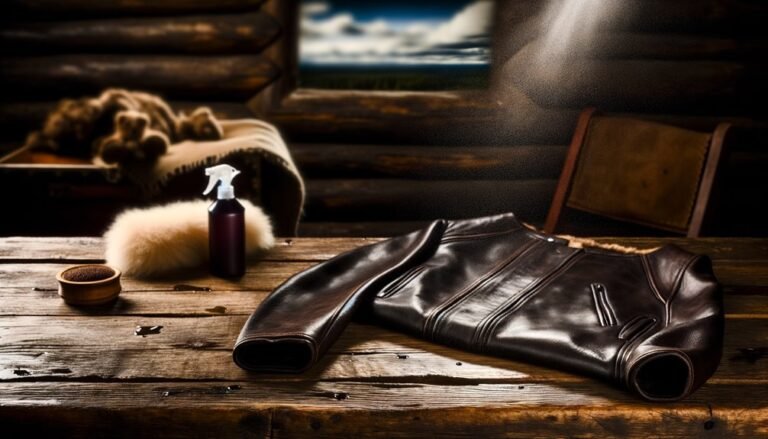
To restore leather effectively, start by identifying its type to ensure you use the right restoration products. Proper leather care involves cleaning off dirt gently with a leather cleaner or mild soap, then allowing it to air dry naturally.
Next, repair any cracks by applying a leather filler, followed by a matching dye to achieve an even finish. Conditioning the leather regularly with a quality balm is essential to keep it soft and hydrated.
Finally, protect your leather from heat and direct sunlight to prevent further damage. Follow these steps, and you’ll discover more tips to keep your leather looking great for longer.
Understanding Different Types of Leather and Their Care Requirements

When restoring leather, you need to recognize the differences between full-grain, top-grain, genuine, and bonded leathers because each type reacts uniquely to care methods. Full-grain leather retains the entire hide’s outer layer, offering superior leather durability and responding well to deep conditioning and protective treatments.
Top-grain leather, sanded to remove imperfections, requires gentler restoration techniques to avoid damage. Genuine leather, often made from lower-quality materials, including bonded leather, has limited restoration potential and may not benefit from traditional conditioning.
Understanding these leather types helps you select appropriate cleaning and conditioning products, ensuring effective leather care. By tailoring your restoration techniques to each leather’s characteristics, you maintain their strength and appearance, maximizing your efforts and preserving the leather’s natural beauty.
Cleaning and Preparing Leather for Effective Restoration
Recognizing the type of leather you’re working with guides how you clean and prepare it for restoration. Start by removing surface dirt and dust using a soft microfiber cloth or gentle brush.
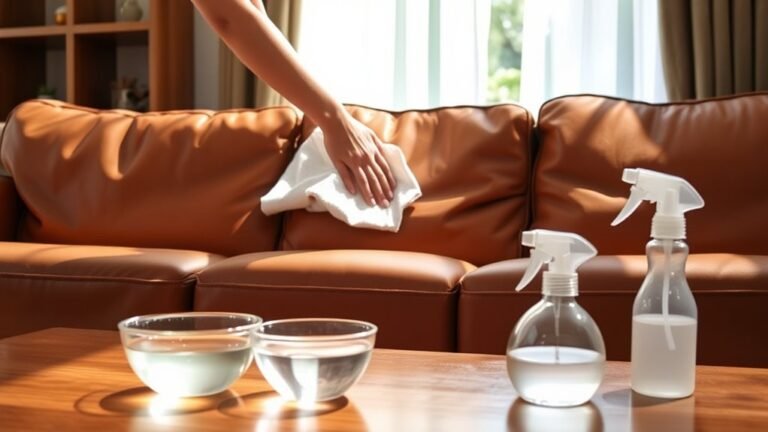
Choose a mild, leather-specific cleaning solution or a diluted gentle soap and water mix to loosen grime without causing damage. Use a damp cloth to gently wipe the leather in circular motions, avoiding excess moisture that could saturate and harm the material.
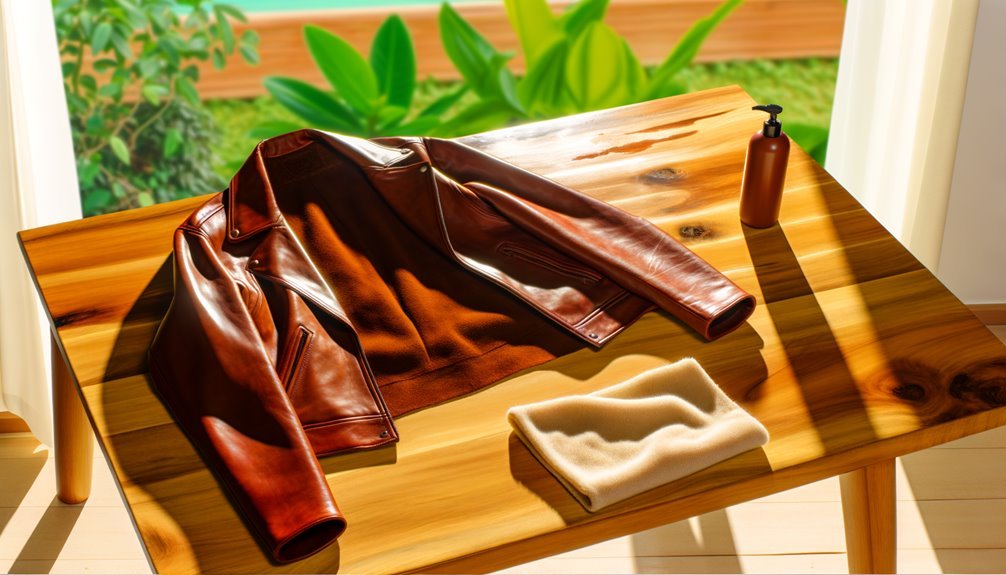
For stubborn stains, always perform a spot test on a hidden area before applying more intense cleaning methods. Once cleaned, let the leather air dry naturally in a well-ventilated space, steering clear of direct sunlight or heat sources to prevent drying or cracking.
This careful cleaning and preparation set the stage for effective restoration.
Techniques for Repairing and Rejuvenating Damaged Leather
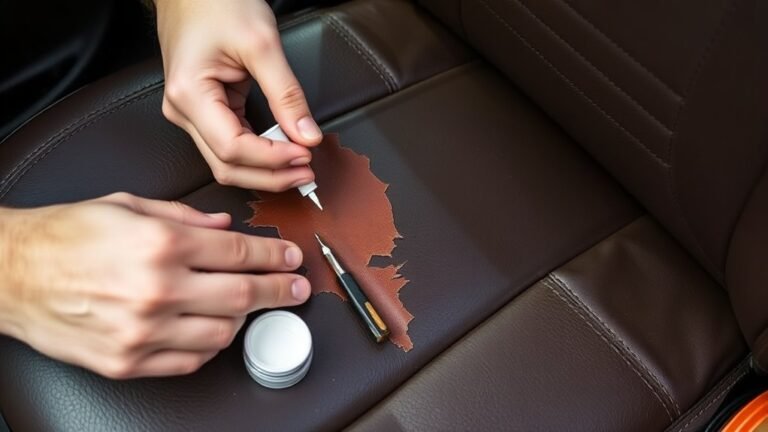
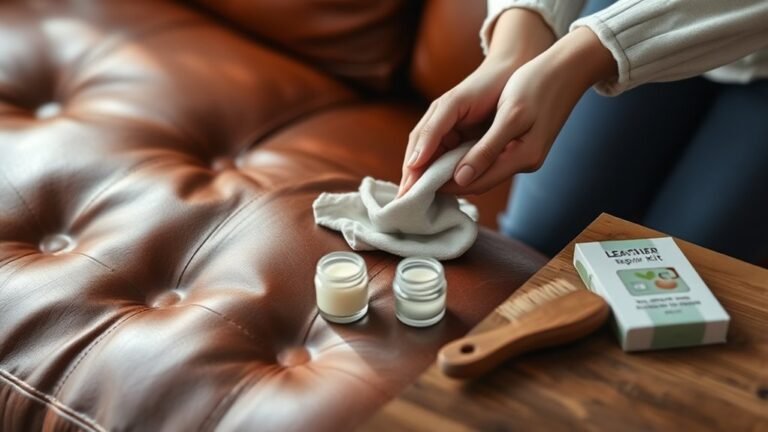
How do you bring damaged leather back to life? Start by addressing cracks and deep scratches using a suitable leather filler or repair compounds. Apply the filler smoothly with a palette knife, ensuring the surface is even.
Once dry, use leather dye in a matching color to carefully restore the original hue. Apply thin, even coats, letting each layer dry before proceeding.
After repairing, focus on conditioning the leather to rehydrate and soften it. A quality leather balm works well to rejuvenate the surface and enhance flexibility.
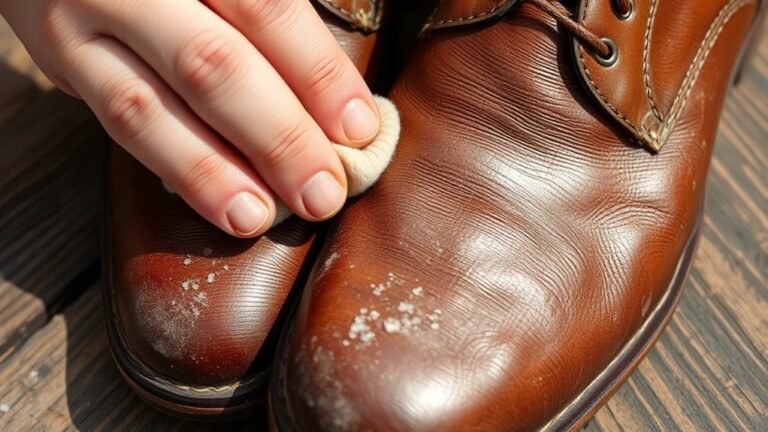
Finally, buff the area with a soft cloth to blend repairs seamlessly and restore the leather’s natural sheen. These leather repair techniques ensure effective leather restoration that brings your items back to their best.

Conditioning and Protecting Leather to Enhance Longevity
Although restoring damaged leather is essential, conditioning and protecting it regularly will truly extend its life. Using a high-quality leather conditioner every 3-6 months helps maintain moisture levels and restores natural leather oils. Proper conditioning improves hydration and flexibility, preventing cracks and dryness.
It also forms a protective barrier against stains and spills, plus environmental damage, boosting leather longevity.
Keep these tips in mind:
- Apply conditioner in circular motions to penetrate deeply.
- Test on a small, hidden spot to avoid discoloration.
- Focus on areas prone to dryness or wear.
- Reapply regularly to maintain hydration and protection.
Best Practices for Maintaining Restored Leather Furniture
When you want your restored leather furniture to stay beautiful and durable, consistent care is key. Start with proper cleaning using a microfiber cloth and approved leather cleaner. Avoid harsh chemicals that can damage the surface.
Regular maintenance includes leather conditioning every 3 to 6 months to keep leather moist, supple, and prevent cracks. Always protect from sunlight and heat to preserve and restore leather color. After cleaning, let your furniture air dry naturally. Use protective covers or pads to minimize scratches, especially in high-traffic areas. For deep cracks or significant wear, schedule professional leather repair to maintain longevity.
Frequently Asked Questions
What Is the Best Way to Restore Leather?
The best way to restore leather is to clean it with a leather-specific cleaner, then condition it to replenish oils.
Repair any damage with matching fillers or dyes, and maintain regularly to keep it supple and durable.
Will WD-40 Restore Leather?
You shouldn’t use WD-40 to restore leather. It can cause up to 70% damage to leather’s natural oils over time. Instead, use products made specifically for leather to keep it supple, clean, and well-conditioned.
Can Vaseline Be Used to Restore Leather?
You shouldn’t use Vaseline to restore leather because it leaves a greasy film, attracts dirt, and can cause discoloration. Instead, choose a leather conditioner designed to nourish and protect your leather properly and safely.
What Is the Best Homemade Leather Restorer?
Think of olive oil and vinegar as a dynamic duo. Mix equal parts to clean and moisturize your leather. Add beeswax for protection.
Test first, then gently apply, and watch your leather come back to life beautifully.
Conclusion
Restoring leather might seem tricky, but with the right steps, you’ll bring your pieces back to life easily. Even if you worry about damaging your leather further, gentle cleaning and proper conditioning make a huge difference without risk.
By understanding your leather type and using careful techniques, you’ll not only fix damage but also protect it for years. Stick with these tips, and you’ll enjoy beautifully restored leather that lasts.
In conclusion, restoring leather requires patience and the right products. Proper cleaning, conditioning, and maintenance are key to preserving your leather’s beauty. Following these methods ensures your leather remains supple and durable for years to come.