
7 Tips to Keep Faux Leather From Cracking
To keep your faux leather from cracking, it’s essential to care for this synthetic material properly. Clean it gently with a soft, damp cloth and mild soap when needed, then dry it thoroughly. Conditioning it regularly using products made specifically for synthetic materials helps maintain its flexibility and prevents damage.
Avoid exposing your faux leather to direct sunlight and heat sources, as these can cause the material to dry out and crack. Store your items in cool, ventilated spaces, using proper hangers or covers to keep their shape intact.
Keep faux leather dry by wiping spills immediately and controlling moisture levels. Taking these steps helps preserve your items’ look and feel—stick with us to uncover even more useful care tips.
Clean Faux Leather Regularly and Gently

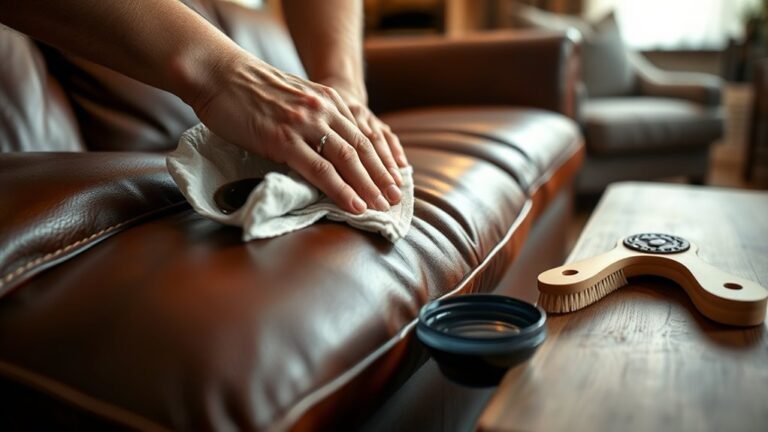
Because faux leather can trap dirt and oils that weaken its surface, you should clean it regularly and gently.
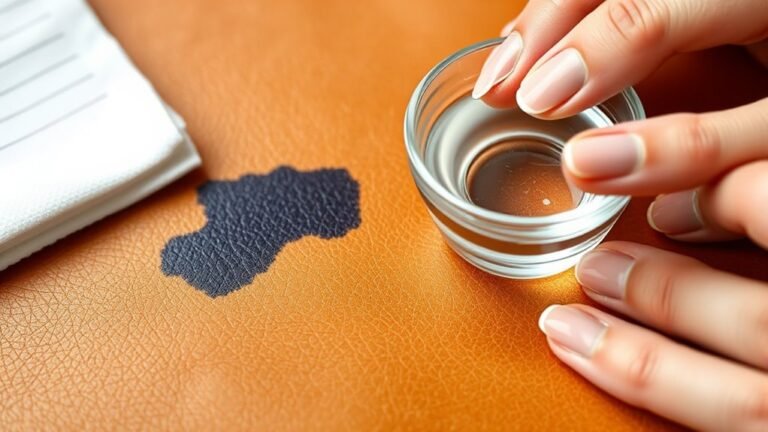
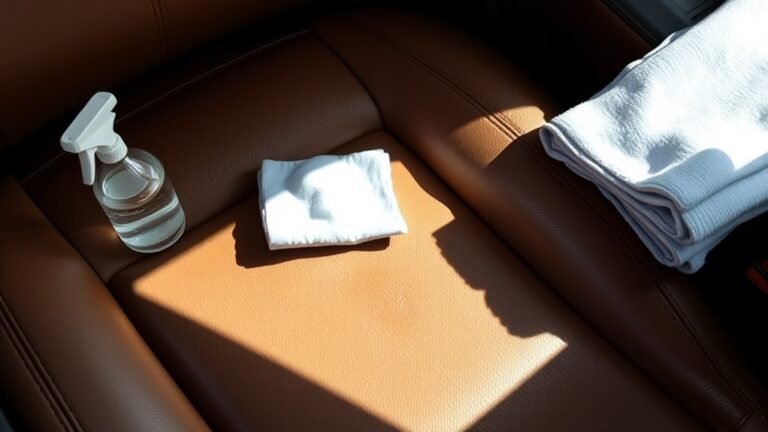
Start by wiping the material with a soft, damp cloth to remove dust and grime. Avoid harsh chemicals or abrasive cleaners, as they can cause damage or discoloration.
Use a mild soap solution if needed, but never saturate the faux leather. Excess moisture can lead to cracking.
After cleaning, dry the surface with a clean, dry cloth to prevent water spots.
Make it a habit to clean spills immediately to prevent stains from setting in.
Use a Suitable Faux Leather Conditioner

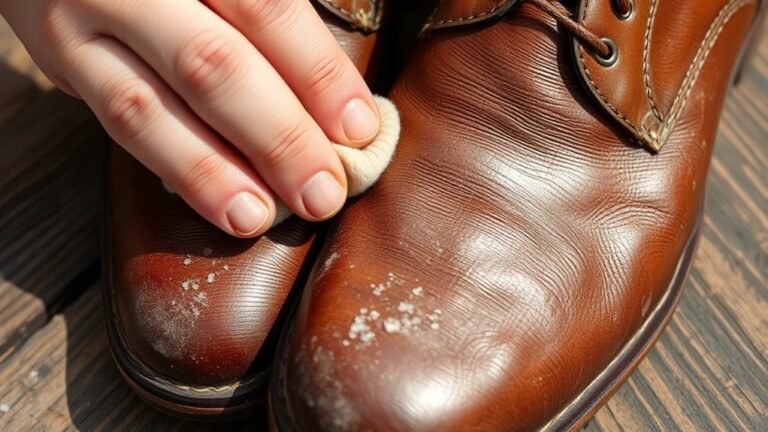
Although faux leather is more durable than real leather, it still benefits from regular conditioning to prevent drying and cracking. Using a suitable faux leather conditioner keeps your items soft and flexible.
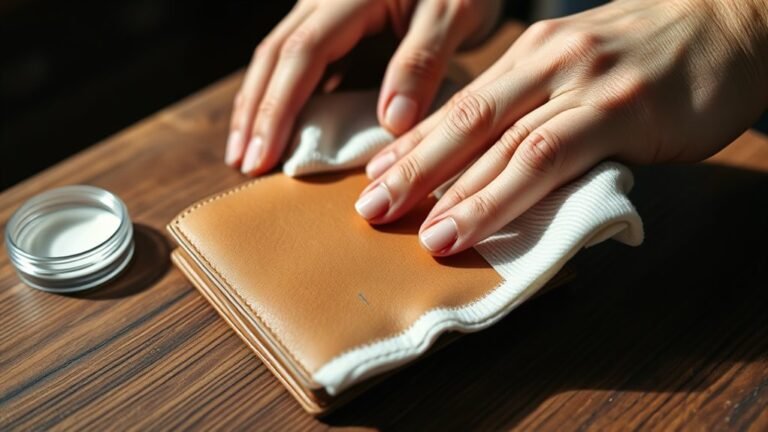
Choose products specifically designed for synthetic materials to avoid damage. Apply the conditioner evenly with a soft cloth, and test it first on a small hidden area.
Consistent conditioning extends the life of your faux leather and maintains its appearance.
| Conditioner Type | Best For | Application Frequency |
|---|---|---|
| Silicone-based | Softer finishes | Every 3 months |
| Water-based | General use | Every 2 months |
| Oil-based | Extra protection | Every 4 months |
| Spray conditioners | Quick, easy application | Monthly |
| Cream conditioners | Deep nourishment | Every 3 months |
Avoid Direct Sunlight and Heat Exposure

Regular conditioning helps keep your faux leather soft, but it won’t protect it from damage caused by direct sunlight and heat. These elements can dry out and weaken the material, leading to cracks and fading over time.
To preserve your faux leather’s appearance, you should:
- Keep items away from windows where sunlight streams in.
- Avoid placing faux leather near heaters or radiators.
- Use curtains or blinds to block harsh sunlight during peak hours.
- Store your faux leather in cool, shaded areas when not in use.
Store Faux Leather Items Properly
When you store your faux leather items properly, you prevent unnecessary stress on the material that can lead to cracking and deformation. Always hang jackets or bags on wide, padded hangers to maintain their shape and avoid creases.
For smaller items like wallets or shoes, use breathable fabric bags or dust covers instead of plastic, which traps moisture and can cause damage over time. Keep your faux leather pieces in a cool, well-ventilated area away from crowded spaces where they might get squished or bent.
Avoid folding larger items for long periods, as this stresses the surface and encourages cracks. By following these storage habits, you’ll extend the life of your faux leather and keep it looking smooth and fresh.
Keep Faux Leather Dry and Avoid Excess Moisture
Since moisture can weaken faux leather’s surface, you’ll want to keep your items as dry as possible to prevent cracking and peeling. Excess water seeps into the material, causing it to lose flexibility and durability over time.
To protect your faux leather, follow these simple tips:
- Wipe off spills immediately with a soft, dry cloth.
- Avoid exposing your items to rain or humid environments.
- Store faux leather in well-ventilated areas to prevent trapped moisture.
- Use moisture-absorbing packets in storage spaces to reduce humidity.
Repair Small Cracks Promptly
One small crack can quickly turn into a larger tear if you don’t address it right away. When you spot even minor damage, take action immediately to prevent worsening. Use a faux leather repair kit or adhesive designed for synthetic materials to fill and seal the crack.
Clean the area first, then apply the product carefully, following instructions to ensure a smooth finish. Let it dry completely before using the item again.
Prompt repair maintains the material’s flexibility and appearance, extending its lifespan.
Don’t wait for cracks to spread or deepen; catching them early saves you time and money on more extensive repairs or replacements down the line. Staying proactive keeps your faux leather looking fresh and durable.
Rotate Usage to Reduce Wear and Tear
To keep your faux leather items in good shape, you should rotate their use regularly. Constant use in the same spot leads to stress and accelerates cracking. By alternating between different pieces or areas, you allow the material to rest and recover, extending its lifespan.
Here’s how you can do it effectively:
- Use different bags, jackets, or shoes on alternate days.
- Avoid sitting or placing heavy items on the same faux leather chair daily.
- Switch spots on larger items like faux leather sofas to distribute pressure evenly.
- Store items properly when not in use to prevent unnecessary wear.
Rotating your faux leather possessions not only reduces wear and tear but also keeps them looking fresh and new longer.
Frequently Asked Questions
Can Faux Leather Be Recycled or Is It Environmentally Friendly?
You can recycle some faux leather, but it’s not always easy or widely accepted. It’s less eco-friendly than natural materials because it’s synthetic and often made with plastics, so consider its environmental impact before buying.
What Are the Best Cleaning Products to Avoid Discoloration?
You should use mild soap mixed with water or a gentle, pH-balanced cleaner specifically made for faux leather.
Avoid harsh chemicals, bleach, or alcohol-based products, as they can cause discoloration and damage the material’s surface.
How Does Faux Leather Compare to Real Leather in Durability?
Faux leather’s less durable than real leather, so you’ll notice it cracks and peels sooner. However, it’s easier to clean and more affordable.
With proper care, you can still extend its lifespan markedly.
Can Faux Leather Be Dyed or Recolored if Faded?
Yes, you can dye or recolor faded faux leather, but it requires special fabric or vinyl dyes. You’ll want to clean the surface thoroughly first, then apply the dye evenly to avoid patchiness and guarantee lasting results.
Taking your time with preparation and application will help ensure the best outcome. Make sure the faux leather is completely dry before you start dyeing. This process can refresh the look of your item effectively.
Are There Any Health Risks Associated With Faux Leather Materials?
You might face minor health risks from faux leather, like skin irritation or allergic reactions due to chemicals used in production.
Make sure to buy high-quality, non-toxic products to minimize any potential issues and protect your health.
Conclusion
Think of your faux leather like a delicate garden—if you water it just right, keep it shaded from harsh sun, and tend to small weeds promptly, it stays vibrant and strong. By cleaning gently and conditioning wisely, you’re nurturing its beauty and preventing cracks.
Avoid exposing it to heat and store it carefully to extend its lifespan. Rotate its use like giving each flower sunlight, ensuring even wear and maintaining its smooth texture.
With these 7 tips to keep faux leather from cracking, your material will bloom longer, staying smooth and fresh for years to come. Proper care is key to preserving the look and durability of your faux leather.