How to Get Wrinkles Out of Faux Leather: Easy and Safe Methods
To get wrinkles out of faux leather, it’s important to handle the material with care to avoid damage. Set your iron to the lowest heat setting, turn off the steam function, and always use a protective barrier such as a damp cloth or a Teflon sheet. This helps prevent direct heat from melting or warping the faux leather surface.
Iron gently using quick, light passes, and avoid holding the iron in one spot for too long.
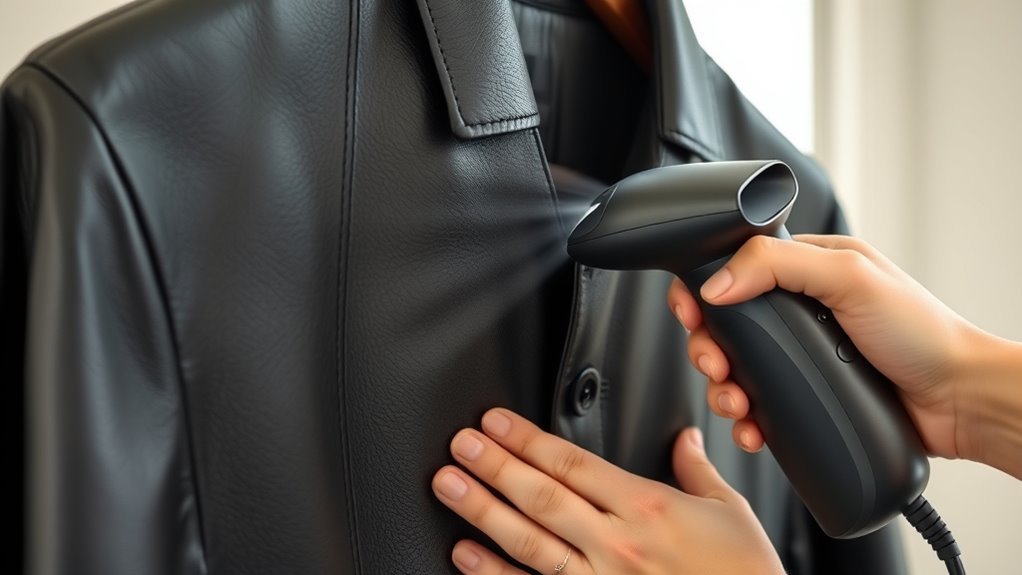
Alternatively, you can try steaming the faux leather from a distance or hanging the item in a humid room to naturally relax the wrinkles. These methods help smooth out creases without risking damage.
If you want to keep your faux leather looking great, exploring these smart techniques can make a big difference. Proper care and gentle handling are key to maintaining the material’s appearance and longevity.
Understanding the Unique Challenges of Ironing Faux Leather

Because faux leather is synthetic, its folds can be stubborn and tricky to smooth out. When dealing with faux leather wrinkles, you need to be extra cautious. Applying direct heat with a traditional iron risks heat damage that can melt or warp the surface.
Unlike natural leather, faux leather doesn’t respond well to high temperatures or steam, which can ruin its look and structure. That’s why understanding proper ironing techniques is essential. You must select the right temperature and use protective barriers to prevent permanent damage.
Knowing these unique challenges helps you avoid costly mistakes and preserves your faux leather’s appearance while effectively reducing wrinkles.
Preparing Your Iron and Faux Leather for Wrinkle Removal

Before you start ironing, make sure to set your iron to the lowest temperature, usually marked as “synthetic,” and turn off the steam function to protect your faux leather from damage. This prevents warping or staining that steam can cause.
Next, prepare a damp cloth to use as a protective barrier between the iron and the faux leather, ensuring direct heat doesn’t harm the material. If you’ve just created a new account on a DIY forum or AI from the post community, you’ll find this trick widely recommended.
Always test your setup on a small, hidden area first. Use gentle, light pressure when ironing, and avoid holding the iron in one spot for too long to keep your faux leather looking flawless.
Choosing the Right Protective Barrier for Ironing Pleather

To protect your faux leather while ironing, choose a barrier like a Teflon sheet, silicone mat, or a damp cloth to prevent direct heat contact. You can also use a cotton towel or scrap fabric to evenly distribute heat and avoid damage.
Always test your barrier and heat setting on a small spot before tackling the whole piece.
Best Barrier Materials
Selecting the right barrier material is essential when ironing faux leather to protect its surface from heat damage. Teflon sheets are highly recommended since they provide a smooth, non-stick layer that keeps the iron from directly touching the pleather.
If you don’t have Teflon, a damp cotton or microfiber towel works well, distributing heat evenly and minimizing risks. You can also use scrap fabrics like old t-shirts or quilting cotton for a soft, protective surface that prevents scuffs.
Just make sure whatever barrier you choose is clean, dry, and wrinkle-free to avoid leaving marks on the faux leather. Using a thin, heat-resistant barrier lets you smooth wrinkles gently while preserving the material’s texture and finish.
Barrier Usage Tips
When you iron faux leather, choosing the right protective barrier is key to preventing heat damage while smoothing wrinkles. Use a Teflon or silicone baking sheet to block direct heat from the iron, or try a damp cloth to distribute heat evenly and shield the surface.
Scrap fabric or a pressing cloth also works well to minimize heat transfer and prevent shiny spots or burns. Always test your barrier on a hidden area first to make sure it won’t cause discoloration or stickiness.
Using a barrier lets you apply gentle, controlled heat, preserving both the look and structure of your faux leather. Taking these precautions ensures you safely get wrinkles out without ruining your piece.
Step-by-Step Guide to Ironing Faux Leather Safely
Although faux leather can be sensitive to heat, you can safely remove wrinkles by carefully controlling your iron’s settings and using a protective barrier. Follow these steps to protect your material:
- Set your iron to the lowest heat setting (synthetic or low) and disable steam.
- Place a damp cloth, Teflon sheet, or scrap fabric over the faux leather to shield it from direct heat.
- Iron gently on the backside or over the barrier with quick, light passes. Avoid holding the iron in one spot. Always test a small, hidden area first to ensure your settings won’t damage the fabric. This method helps smooth wrinkles without harming your faux leather’s surface, keeping it looking fresh and new.
Alternative Techniques to Remove Folds Without Direct Ironing
If you want to avoid direct ironing, you can still remove folds from faux leather by using gentle heat and moisture techniques. Hanging your item in a humid room or using a steamer held at a safe distance can relax the material and reduce wrinkles naturally.
| Technique | Description |
|---|---|
| Damp Cloth & Warm Press | Place damp towel, gently press with warm iron through cloth |
| Iron Backside | Iron the backside to protect surface |
| Low-Heat, No Steam | Use low heat and avoid steam for safety |
| Protective Layer Passes | Make brief passes with barrier to flatten |
| Humid Environment | Hang in humidity or use distant steamer |
These methods help you smooth faux leather safely without risking damage from direct heat.
Expert Recommendations for Maintaining Faux Leather Quality
To keep your faux leather looking its best, you’ll want to use an iron set to the lowest synthetic or delicate setting. Avoid using steam, as it can cause warping or stains. Protect your material by following these expert tips:
- Always place a Teflon sheet or a damp cloth between the iron and faux leather to prevent direct heat damage.
- Iron on the reverse side to reduce the risk of glossy spots or burn marks on the surface.
- Use gentle, repeated light passes instead of prolonged heat to safely smooth wrinkles without harming the material.
Community Tips and Tricks for Effective Wrinkle Removal
You’ll want to protect your faux leather by placing a damp cloth or Teflon sheet between the iron and the material. Using low heat and ironing on the backside helps prevent damage while smoothing wrinkles.
These simple barriers and gentle techniques make a big difference in keeping your faux leather looking great.
Popular Protective Barriers
A reliable protective barrier plays a crucial role in safely removing wrinkles from faux leather. It prevents direct heat contact, avoiding scorching and damage.
When working on your faux leather, consider these popular protective barriers:
- Use a Teflon sheet or a clean, damp cloth to shield the surface from heat.
- Place a towel between the iron and faux leather to reduce the risk of surface damage.
- Iron on the backside of the material to minimize heat marks and preserve the finish.
Remember to apply gentle pressure and keep the iron on low heat. Making repeated, light passes with these barriers is safer and more effective than direct, high-heat ironing.
Following these tips ensures your faux leather stays smooth and intact.

Low Heat Techniques
Although faux leather can be sensitive to heat, you can effectively remove wrinkles by using the lowest heat setting on your iron, usually labeled as synthetic. Always turn off the steam function to avoid water spots or surface damage.
Place a Teflon sheet or a damp cloth between the iron and the faux leather to protect the material from direct heat. For best results, iron the backside of the fabric, which reduces the risk of blemishes on the front.
Use gentle, light passes with the iron, avoiding prolonged contact to prevent heat damage. By carefully applying these low heat techniques, you’ll smooth out wrinkles without compromising the look or feel of your faux leather items.
Frequently Asked Questions
Can I Put Faux Leather in the Dryer?
You shouldn’t put faux leather in the dryer because heat and tumbling can cause damage. Instead, air-dry it gently away from direct heat or sunlight.
Always check the care label before considering any drying method.
Can You Steam Iron Fake Leather?
You might think steaming fake leather is safe, but it risks damage. If you must, use low heat, keep distance, and a fabric barrier.
Otherwise, opt for low-heat ironing with protection to avoid ruining it.
Can You Put Iron on Faux Leather?
You can iron faux leather, but you’ve got to be careful. Use the lowest synthetic setting, turn off steam, and always place a protective cloth between the iron and the material.
Test a small area first to avoid damage.
How to Flatten Faux Leather Seams?
Think of your faux leather seams as gentle waves. Flatten them by ironing on low heat with a damp cloth overlay.
Apply light pressure from the backside, then let them cool naturally to smooth and set your fabric’s flow.
Conclusion
Now that you know how to gently smooth out those charming creases in your faux leather, you can keep your pieces looking sharp without the worry. Just remember, treating your pleather with a little extra TLC and using the right techniques will help it stay happy and wrinkle-free.
With patience and care, those little imperfections will soon become a thing of the past, letting your faux leather shine in all its soft, supple glory. Proper care and maintenance are key to preserving the look and feel of your faux leather items.
By following these simple steps on how to get wrinkles out of faux leather, you can enjoy wrinkle-free, smooth faux leather that lasts.