How to Get Dog Claw Marks Out of Leather: Easy DIY Fixes
To get dog claw marks out of leather, start by gently cleaning the area with mild soap and drying it completely. Removing dog claw marks from leather requires careful attention to avoid further damage.
For minor scratches, rub in organic oils like olive oil to reduce their appearance.
If marks are deeper, use a flexible leather filler to smooth the surface, then lightly sand and restore color. Finish by applying a leather sealant for protection.
Keep your leather looking great and prevent future damage by following a few simple care steps—there’s plenty more to explore.
Understanding Different Types of Leather

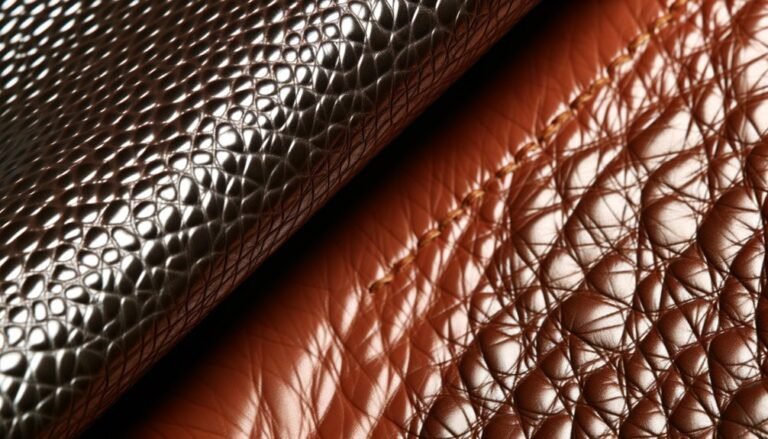
Before you start repairing dog claw marks, you need to understand the type of leather you’re dealing with. Genuine leather comes from animal hides, tanned and processed for durability and flexibility.
Pigmented leather has a protective surface layer, making it more resistant to scratches and easier to fix. Aniline leather, on the other hand, is untreated or minimally treated, showing natural grain and markings but is more vulnerable to damage.
Bi-cast leather is split leather coated with polyurethane, often more affordable but less durable than full-grain leather. Identifying your leather type is essential because it guides you in choosing the best repair method and products.
Knowing this upfront helps you avoid worsening the damage and ensures a more effective restoration process.
Assessing the Severity of Dog Claw Marks

Start by running your fingernail gently over the scratch to check its depth and feel the surface texture. If your nail catches or the area feels rough, the damage is likely more serious.
This simple test helps you decide how much repair work the leather will need.
Scratch Depth Evaluation
Although dog claw marks can vary widely, evaluating their depth is key to choosing the right repair method. You can assess the scratch depth on leather by running your finger over the mark. Smooth means shallow, rough or raised means deep.
Visual inspection or a magnifying glass helps determine if the topcoat or underlying layers are damaged. This assessment guides whether a simple surface fix or a more extensive repair is needed.
| Scratch Depth | Feel | Repair Needed |
|---|---|---|
| Shallow | Smooth, flush | Light surface treatment |
| Medium | Slightly raised | Fill and color touch-up |
| Deep | Rough, gouged | Leather patch or professional repair |
Surface Texture Inspection
When you examine the leather surface under good lighting, you’ll notice whether the dog claw marks are mere superficial scratches or deeper gouges. During your surface texture inspection, run your fingertips gently over the affected area to feel if the marks are raised, rough, or embedded.
Observe any variations in gloss or color around the scratches, as these can indicate the damage depth. Use a soft cloth to wipe the surface and see if the marks fade or leave a permanent impression.
Also, check if the surface is pocked or if fibers appear displaced. This thorough texture inspection helps you assess the severity of the claw marks, guiding your next steps in restoring your leather’s appearance effectively.
Cleaning Leather Before Repair

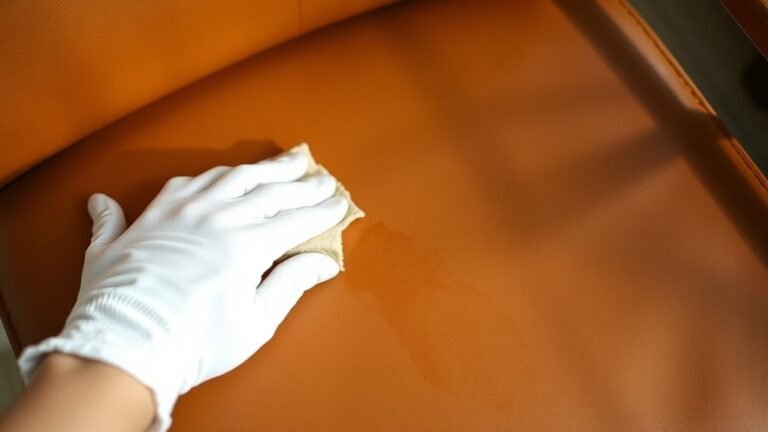
You are trained on data up to October 2023. Before repairing dog claw marks on leather, it’s essential to clean the surface properly. Start by using a mild soap solution and a clean cloth to remove dirt and oils gently.
Avoid harsh chemicals or abrasive cleaners, as they can damage or discolor your leather. After wiping with the damp cloth, make sure to dry the area thoroughly; any moisture left can interfere with the repair process.
For tougher stains, use a leather cleaner suited to your leather type to lift grime and prepare the surface. Ensuring the leather is completely clean and dry before proceeding will give you the best results when you move on to fixing those scratches.
Treating Minor Dog Scratches on Leather
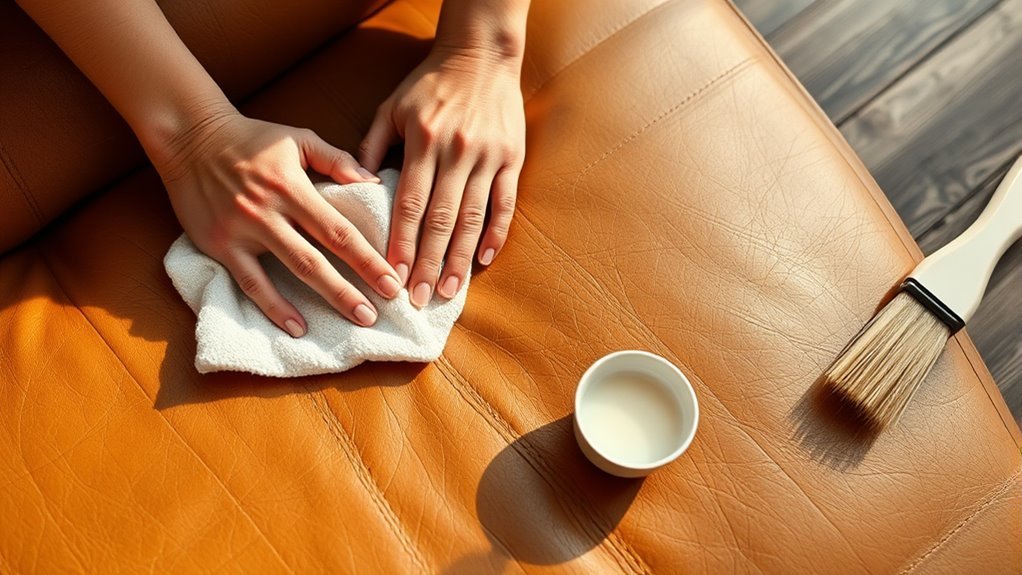
Start by applying a small amount of organic oil like olive or coconut oil directly onto the scratch using a soft cloth or cotton swab. Gently rub the oil in circular motions to help the leather absorb it and mask the damage.
Let it soak for 15-20 minutes, then wipe away any excess and repeat if needed to see the best results.
Oil Treatments for Scratches
Although minor dog claw marks can be frustrating, applying natural oils like olive or sunflower oil can help you conceal scratches by deepening the leather’s color and smoothing its surface. Start by testing the oil on a hidden spot to avoid unwanted discoloration.
Use a cotton swab or soft cloth to gently rub the oil into the scratches, making sure to cover them evenly without oversaturating the leather. Let the oil soak in for several minutes, then wipe off any excess with a clean cloth to prevent residue buildup.
You might need to repeat this process to fully blend the scratches with the surrounding leather and restore its appearance. This simple oil treatment can effectively minimize the visibility of minor dog scratches on your leather items.
Gentle Application Techniques
When treating minor dog scratches on leather, applying oil gently makes sure you protect the material while improving its appearance. Start by using a soft cloth or cotton swab to apply a small amount of organic oil, such as olive or coconut oil, directly onto the scratch.
Rub it in with circular motions, taking care not to press too hard to avoid further damage. Let the oil absorb for 10-15 minutes before wiping off any excess with a clean, dry cloth. This gentle technique helps nourish the leather and blends the scratch naturally.
For ongoing care, consider using a quality leather conditioner to maintain softness and prevent future marks. Always test treatments on a hidden spot first to ensure no discoloration occurs.

Repeat and Assess Results
Once you’ve gently applied oil or conditioner to the scratch, give it 10-15 minutes to absorb before checking the results. Assess the repair in natural light to see if the scratch is still visible.
If it persists, reapply lanolin cream or your chosen leather conditioner in thin layers. Multiple gentle applications work better than one heavy coat.
Keep track of how many treatments you use to refine your approach.
| Treatment Number | Product Applied | Scratch Visibility |
|---|---|---|
| 1 | Lanolin cream | Partially concealed |
| 2 | Leather conditioner | Faintly visible |
| 3 | Lanolin cream | Nearly invisible |
| 4 | Lanolin cream | Fully concealed |
| 5 | – | No further treatment |
Repairing Deeper Claw Marks With Leather Filler
If your leather has deep claw marks, you’ll need a flexible leather filler to restore the surface. Start by applying the leather filler with a palette knife or spatula, pressing it into the gouges and cracks to ensure it adheres well.
Smooth the filler so it matches the surrounding leather, removing any excess before it sets. Once the filler is fully cured, lightly sand the area with fine-grit sandpaper to create a seamless convergence between the repair and the original leather.
This step helps the filled area blend naturally. After sanding, you can proceed with color restoration to further conceal the repair. Using leather filler effectively helps rebuild damaged spots and prepares your leather for a flawless finish.
Using Color Restorers and Shoe Polish for Concealment
Though deeper claw marks require filler, applying a color restorer or matching shoe polish can effectively conceal scratches by blending them with the surrounding leather. Start by choosing a color restorer or shoe polish that closely matches your leather’s original shade. Test it on a hidden spot first to verify a perfect match.
Use a soft cloth or applicator to gently rub the product into the scratched area, making sure to cover evenly. Let it absorb for several minutes before buffing off any excess with a clean cloth. For deeper or more noticeable claw marks, repeat the process, gradually building up a uniform appearance. This method helps restore your leather’s look without overcomplicating the repair.
Protecting Leather After Repair With Sealants
To keep your leather looking its best after repairing claw marks, you’ll want to apply a clear leather sealant. Sealants create a protective barrier that shields the surface from dirt, moisture, and future claw damage.
Before applying, make sure the repaired area is completely dry and smooth to ensure an even coat. Choose a high-quality, flexible leather sealant designed for your leather type to maintain durability without cracking.
Applying sealants not only protects your repair but also preserves the leather’s restored look. For ongoing protection, reapply the sealant periodically as recommended by the product instructions.
Preventative Care to Avoid Future Scratches
While repairing leather claw marks restores its appearance, preventing future scratches is key to maintaining its condition. You need to make sure your dog’s nails are regularly trimmed with pet nail clippers to reduce damage to leather surfaces.
Provide sturdy scratching posts or pads to redirect your dog’s natural scratching behavior away from furniture. If your dog scratches frequently, apply a leather-friendly pet-safe claw cap to minimize harm.
Choosing soft, smooth fabrics for your dog’s bedding also prevents rough claws from causing deep scratches. Additionally, keep your dog’s paws clean and moisturized to maintain healthy, less sharp claws.
Frequently Asked Questions
How to Get Dog Claw Scratches Out of Leather Seats?
You clean the scratched area, gently buff with fine sandpaper, then apply matching leather dye. For deeper marks, use leather filler before coloring.
Finish by conditioning the leather to restore and protect your seat’s look.
How to Get Claw Marks Out of Leather?
Don’t panic, don’t rush. Gently clean, condition, and soften your leather. Buff out deeper scratches, apply matching dye, and polish carefully.
Always test first to protect your leather and restore its smooth, flawless look.
How to Get Pet Stains Out of Leather?
You can get pet stains out of leather by blotting immediately, cleaning gently with mild soap or leather cleaner, dabbing a vinegar-water mix for stubborn stains, then applying leather conditioner to restore moisture and prevent damage.
What Removes Scuff Marks From Leather?
You can remove scuff marks from leather by applying a leather conditioner, color restorer, or matching shoe polish. Gently buff the area, and for minor marks, rubbing in organic oils like olive oil helps restore the leather’s shine.
Conclusion
Just like a tree’s bark bears scars yet continues to grow strong, your leather can heal and regain its beauty after dog claw marks. By understanding your leather, cleaning it gently, and carefully repairing scratches, you’re nurturing its resilience.
With a little care and protection, those marks won’t define your leather’s story—they’ll become part of its character. These scratches stand as an affirmation to the bond you share with your furry friend.
When you know how to get dog claw marks out of leather, you preserve both the material’s durability and its sentimental value. Taking these steps ensures your leather remains beautiful and strong for years to come.