Fix Peeling Faux Leather Jackets in 5 Simple Steps
To fix peeling faux leather jackets, start by gently cleaning the jacket and carefully inspecting all damaged areas. Removing loose flakes without tearing the surface is essential to prepare for repair. This initial step ensures a smooth base for the next stages.
Next, apply a suitable faux leather repair compound into the cracks or peeled sections. Allow it to dry fully before proceeding to avoid any imperfections. Once dry, smooth and blend the repaired spots to seamlessly match the surrounding material.
Finally, condition your jacket using a faux leather conditioner to restore softness and flexibility. Protect it further with a water-resistant spray to prevent future damage. By following these simple steps, you can easily restore your jacket’s look and durability with confidence.
Assess the Damage and Clean the Jacket

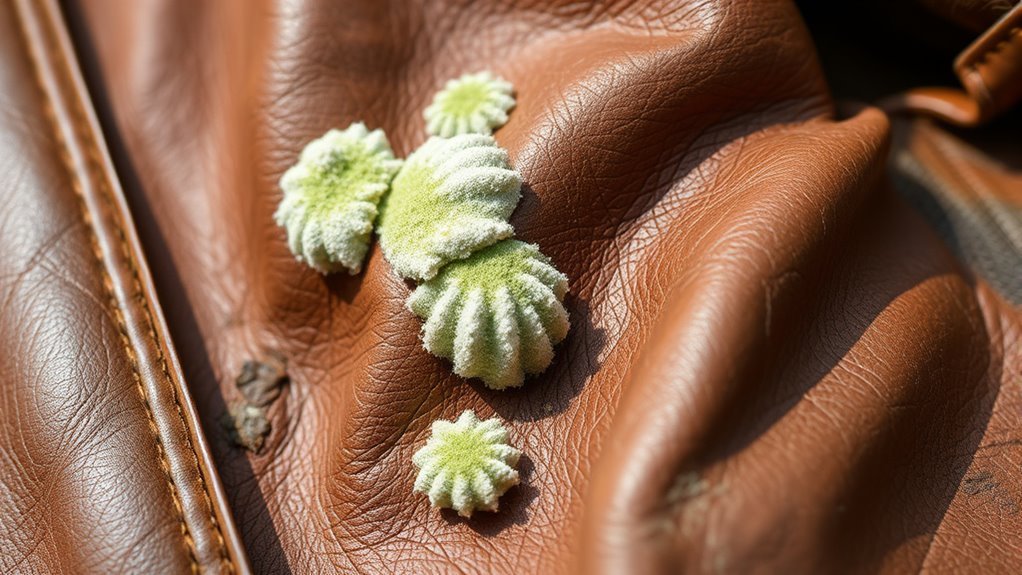
Before you begin any repairs, carefully assess the damage to your faux leather jacket to understand the extent of the peeling. Check all areas thoroughly, including sleeves, collars, and seams, to spot any weakening or discoloration. This helps you decide whether a simple fix will do or if more extensive repair is necessary.
Thoroughly inspect your faux leather jacket for peeling and damage before starting any repair work.
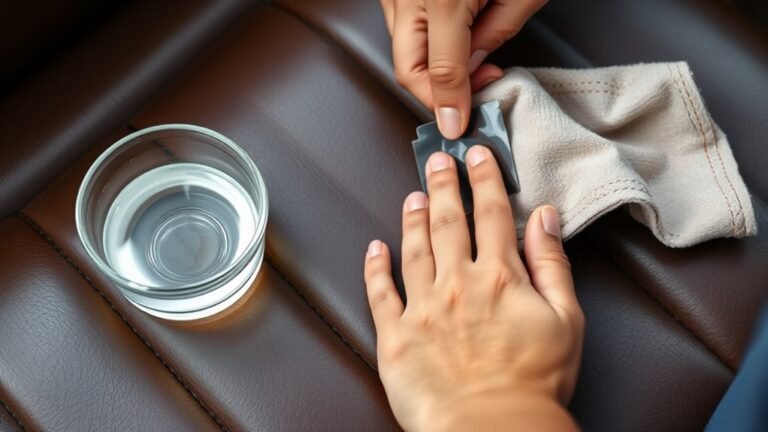
Once you’ve assessed the damage, clean your jacket gently but thoroughly. Use a soft cloth dampened with mild soap and water. Avoid harsh chemicals that can worsen peeling.
Wipe down the entire surface to remove dirt, oils, and debris that might interfere with repair products.
Let the jacket air dry completely before moving on. Proper assessment and cleaning set the foundation for an effective and lasting repair.
Remove Loose Peeling Material Carefully

While your jacket is dry and clean, you should gently remove any loose or flaking faux leather pieces to prevent further peeling. Use your fingers or a soft cloth to carefully peel away the material that’s already lifting.
Avoid pulling too hard, as this could damage the surrounding areas. If needed, use a pair of small scissors or tweezers to trim stubborn flakes close to the surface without cutting into the base fabric.
Removing loose fragments ensures a smoother surface for repairs and stops peeling from spreading. Take your time during this step, since rushing might cause more harm than good.
Once you’ve cleared away all the flaky bits, your jacket will be ready for the next repair phase.
Apply a Faux Leather Repair Compound

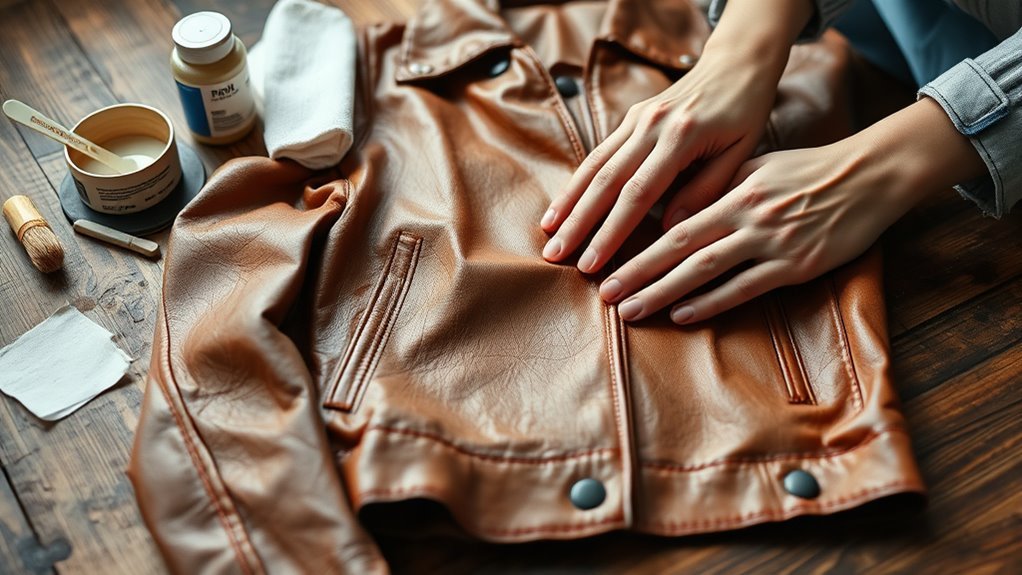
Once you’ve removed all the loose material, you can apply a faux leather repair compound to fill in the damaged areas. Use a small spatula or applicator to spread the compound evenly, pressing it gently into cracks or peeling spots.
Allow it to dry according to the product instructions. Selecting the right compound depends on your jacket’s color and texture.
| Compound Type | Best For | Drying Time |
|---|---|---|
| Liquid Leather | Small cracks, scratches | 15-30 minutes |
| Flexible Filler | Deep peeling areas | 30-60 minutes |
| Color-Match Kit | Color restoration | 1-2 hours |
| Fabric Gel | Soft, flexible spots | 20-40 minutes |
| Clear Sealant | Protective finish | 10-15 minutes |
Choose the compound that suits your jacket’s damage for the best results.
Smooth and Blend the Repaired Area
After applying the repair compound, you’ll want to smooth and blend the area to make the fix less noticeable. Use a small, flexible spatula or a plastic card to gently spread the compound evenly across the damaged spot.
Feather the edges carefully to blend the repair with the surrounding faux leather texture. Avoid pressing too hard, as this can create uneven surfaces. If the compound starts to dry, work quickly but precisely.
Once the surface feels smooth, lightly pat it with a damp cloth or your fingertip to further blend the edges. Let the area dry completely before touching it again.
Gently pat the surface to blend edges smoothly, then allow it to dry fully before handling.
This step guarantees your repair looks seamless and natural, helping your jacket regain its sleek appearance without obvious patches.
Condition and Protect the Jacket
To keep your faux leather jacket looking fresh and prevent future peeling, you’ll want to condition and safeguard it regularly.
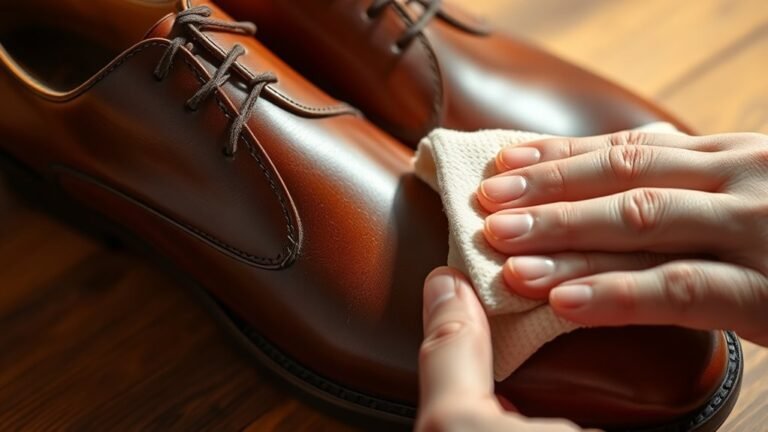
Start by choosing a conditioner specifically designed for faux leather or vinyl. Apply a small amount with a soft cloth, rubbing it gently into the surface in circular motions. This restores flexibility and prevents cracking.
After conditioning, protect your jacket by applying a water- and stain-resistant spray made for synthetic materials. This creates a barrier against moisture and dirt, extending your jacket’s lifespan.
Always test any product on a hidden area first to ensure it doesn’t discolor or damage the fabric. By maintaining this routine every few months, you’ll keep your jacket supple, vibrant, and less prone to peeling or other damage over time.
Frequently Asked Questions
Can Real Leather Be Repaired the Same Way as Faux Leather?
No, you can’t repair real leather exactly like faux leather because real leather needs specialized products and techniques.
You’ll want to condition, clean, and sometimes patch it carefully to keep it looking great and lasting longer.
How Long Does a Faux Leather Repair Typically Last?
Like a candle’s flicker, a faux leather repair typically lasts around 6 to 12 months, depending on use and care.
You’ll want to handle it gently to keep it looking fresh and avoid quick wear.
Is It Better to DIY or Hire a Professional for Repairs?
You’ll save money doing it yourself if the damage’s minor, but hiring a professional guarantees a longer-lasting, flawless fix.
If you’re unsure or the jacket’s valuable, going pro’s usually the better choice for peace of mind.
What Causes Faux Leather to Peel Over Time?
Like a knight’s armor aging, faux leather peels because its polyurethane coating breaks down from heat, moisture, and wear.
If you don’t care for it properly, the material cracks, flakes, and loses its smooth finish over time.
Can Waterproofing Prevent Faux Leather From Peeling?
Waterproofing won’t prevent faux leather from peeling because peeling happens due to wear, heat, or poor material quality.
You should focus on gentle cleaning and proper storage to extend your jacket’s life instead.
Conclusion
Now that you’ve given your faux leather jacket a fresh start, it’s ready to shine like new again. By carefully repairing and conditioning it, you’ve stitched a second life into its fabric, turning peeling patches into smooth, sleek stories.
Keep treating it with care, and your jacket will continue to be your trusty armor against the elements, looking sharp and feeling soft. This simple faux leather jacket repair ensures durability and style.
With these peeling faux leather jackets fix steps, a little love can bring even worn-out gear back from the edge.