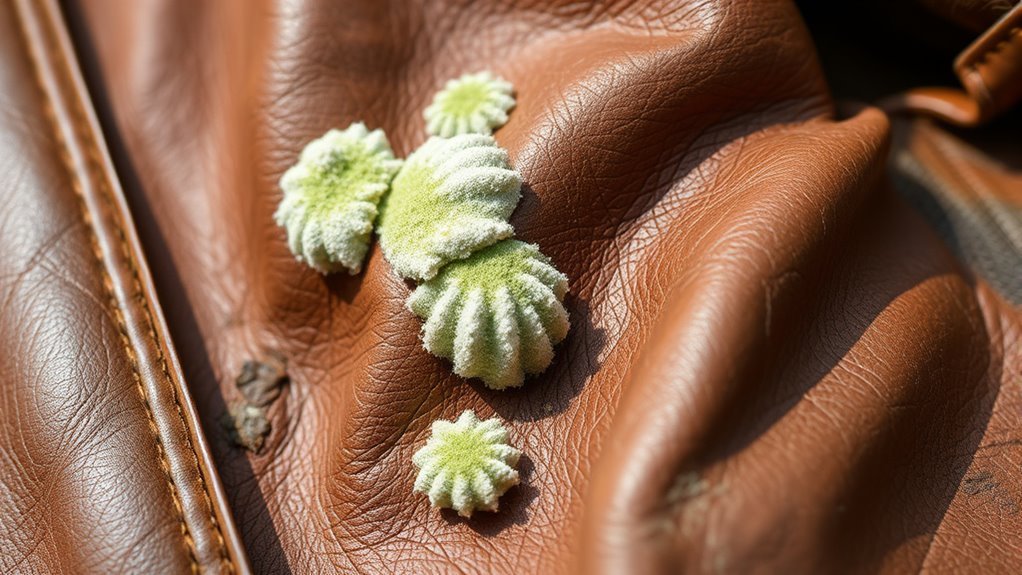

How to Fix a Peeling Leather Chair in 5 Easy Steps
First, check your peeling leather chair to determine if it requires a simple touch-up or a full repair. Gather all necessary materials, including sandpaper, a leather repair kit, dye, and cleaning supplies.
Clean the surface thoroughly, removing any loose pieces and allowing it to dry completely. Next, apply the repair compound carefully to fill the peeled spots, making sure to let each layer dry before proceeding.
Sand the area gently to achieve a smooth finish. Then, repaint and seal the repaired section to match and protect your chair. Keep reading to discover detailed tips for a flawless fix.
Assess the Damage and Gather Supplies

Before you begin repairing your peeling leather chair, carefully examine the damaged areas to determine the extent of the peeling and any underlying issues. Look for cracks, flaking, or exposed fabric beneath the leather. Identifying these details helps you decide whether a simple touch-up or a more extensive repair is needed.
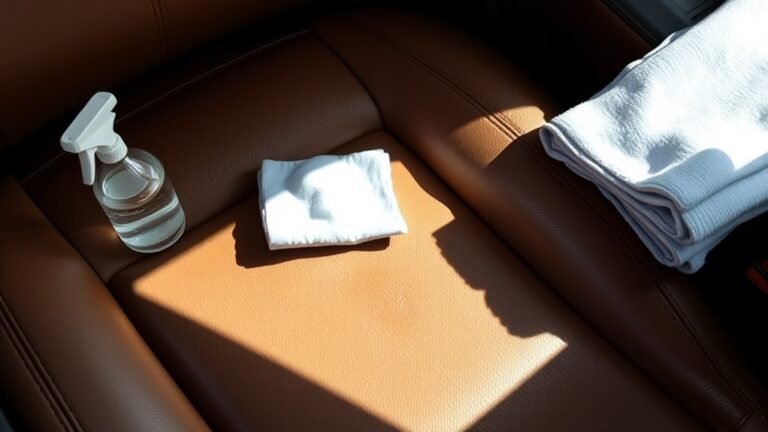
Next, gather all necessary supplies to ensure a smooth process. You’ll need fine sandpaper or a leather preparer to smooth rough spots, a leather repair kit including adhesive and filler, matching leather dye or paint, and a soft cloth. Having these items ready saves time and helps you work efficiently.
Taking this initial step seriously sets a solid foundation for restoring your chair’s appearance successfully.
Clean and Prepare the Leather Surface

Although it might seem simple, thoroughly cleaning and preparing the leather surface is essential for a successful repair. You want to ensure the area is free from dirt, oils, and old finish residues that could prevent the repair compound from adhering properly. Here’s how you do it:
Thoroughly clean and prepare leather to remove dirt, oils, and old finishes for effective repairs.
1. Wipe Down the Surface
Use a soft cloth dampened with a mild soap and water solution to gently clean the peeling area. Avoid soaking the leather.
2. Remove Loose Flakes
Carefully peel away any loose or flaking leather pieces with your fingers or a plastic scraper.
3. Dry Completely
Let the leather air dry fully before moving on to the next step, ensuring no moisture remains.
This prep work sets the stage for a smooth, long-lasting repair.
Apply Leather Repair Compound

Once the leather surface is clean and dry, you can apply the repair compound to fill in the peeling areas and restore a smooth texture. Use a small spatula or applicator to spread the compound evenly over the damaged spots.
Apply thin layers, pressing the compound gently into cracks or peeled sections to ensure good adhesion. Avoid overloading the area; a little goes a long way.
Let the compound dry completely between layers if multiple applications are necessary.
This step helps rebuild the leather’s surface, making it ready for the final smoothing and finishing touches. Be patient and precise, as a well-applied repair compound creates a solid base for a seamless, natural look once the chair is fully restored.
Sand and Smooth the Repaired Area
After the repair compound has fully dried, you’ll need to sand the area to create a smooth, even surface. This step guarantees your chair looks seamless and feels comfortable again. Here’s how to do it right:
- Choose fine-grit sandpaper (around 400-600 grit). This will smooth without damaging the compound or surrounding leather.
- Sand gently in circular motions. Avoid pressing too hard; you want to blend the edges of the repair into the original leather.
- Wipe away dust with a damp cloth. Removing residue helps you see the surface clearly and prepares it for the next step.
Take your time here; a well-sanded repair sets the foundation for a flawless finish later on.
Recolor and Seal the Leather Finish
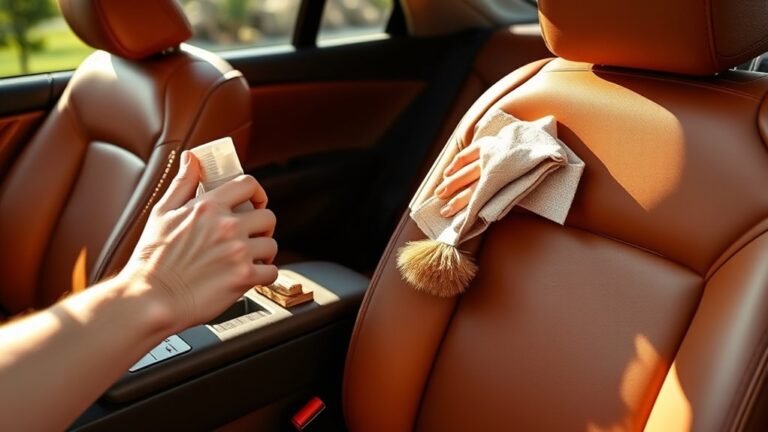
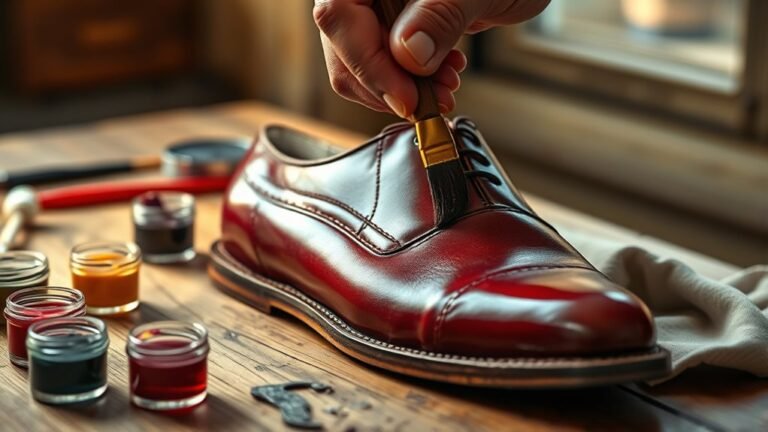
Since the surface is smooth and clean, you can now recolor the repaired area to match the rest of your leather chair. Use a leather dye or paint designed specifically for your chair’s color. Apply it evenly with a sponge or small brush, working in thin layers to avoid streaks.
Let each layer dry completely before adding another. Once you achieve a consistent color, it’s time to seal the finish. Apply a leather sealant or finisher to protect the new color and restore the leather’s natural sheen.
This step prevents future peeling and wear. Allow the sealant to dry thoroughly as per the product instructions. After sealing, your chair will look refreshed and be shielded against further damage.
Frequently Asked Questions
Can I Prevent Peeling Leather With Regular Maintenance?
Yes, you can prevent peeling leather by regularly cleaning, conditioning, and protecting it from direct sunlight and heat.
You’ll keep the leather supple and durable, reducing the chance of cracks and peeling over time.
Is It Safe to Use DIY Repair Kits on Antique Leather Chairs?
Using DIY repair kits on antique leather chairs can be a double-edged sword. You can try them cautiously, but testing on a hidden spot first is vital to avoid damaging your priceless treasure.
How Long Does a Leather Repair Typically Last?
A leather repair typically lasts anywhere from one to five years, depending on the quality of materials and how well you maintain your chair.
Regular conditioning and gentle use can help extend the repair’s lifespan considerably.
Can Peeled Leather Be Restored Without Replacing the Chair?
Yes, you can restore peeled leather without replacing the chair. You’ll clean, sand, apply leather filler, and use a matching dye or paint.
With proper care, your chair will look great again without a full replacement.
What Products Should I Avoid on Leather to Prevent Damage?
Of course, you should definitely slather harsh chemicals, alcohol, and bleach on leather—they’re known for making it last longer! But seriously, avoid these;
stick to mild soaps and leather conditioners to keep your chair damage-free.
Conclusion
Fixing your peeling leather chair is easier than you might think. Did you know that nearly 30% of leather furniture owners experience peeling within five years? Taking quick action not only restores your chair’s look but also extends its life.
By following these simple steps—cleaning, repairing, sanding, and recoloring—you’ll save money and keep your furniture looking great. So don’t wait; give your chair a fresh start today!
With the right care and repair techniques, you can effectively fix peeling leather and maintain the beauty of your chair for years to come. Start your leather chair repair now and enjoy a refreshed, durable piece of furniture.