How to Condition Leather: Step-by-Step Guide for Lasting Care
To condition leather effectively, start by cleaning it with a soft brush to remove dirt and debris. This initial step is essential for maintaining leather’s natural beauty and durability.
Make sure the leather is completely dry before applying any conditioner suited to your specific leather type.
Always test the conditioner on a small, hidden spot first to avoid any potential damage or discoloration.
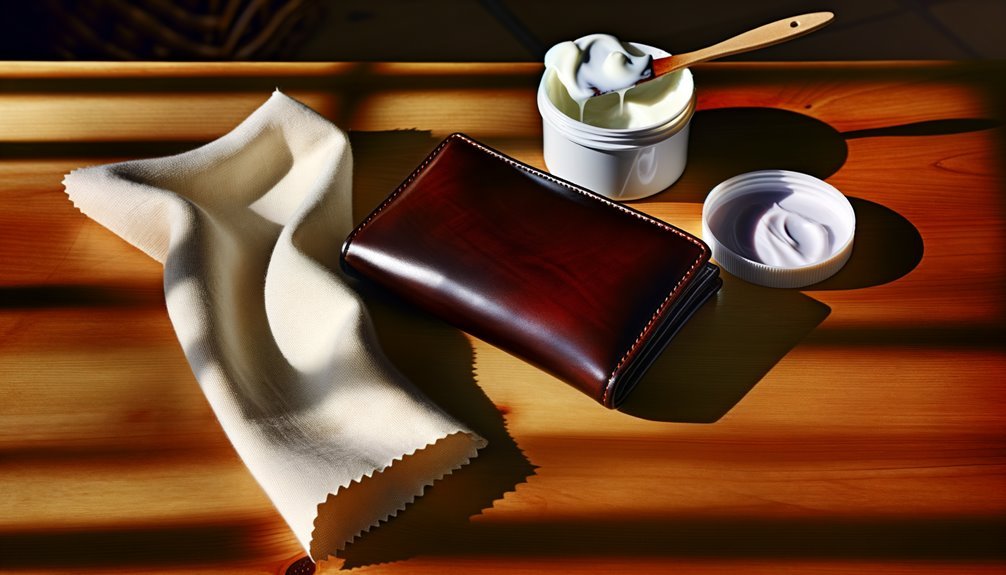
Use a soft cloth to apply the conditioner gently, working in circular motions to ensure even coverage.
Allow the conditioner to absorb fully and let the leather dry naturally.
Regular conditioning keeps your leather soft, supple, and prevents cracking over time.
By following proper care and storage tips, you can protect your leather long-term.
With consistent maintenance, you’ll discover ways to extend the life of your leather goods even further.
Understanding Different Types of Leather

When you’re working with leather, understanding its different types helps you choose the right conditioning method. Full-grain leather is the highest quality, keeping the entire outer layer intact, which makes it durable and naturally marked.
Conditioning leather made from full-grain requires leather conditioners that deeply nourish and protect leather without hiding its natural texture. Other types, like top-grain or suede, need different approaches due to their finish or sensitivity.
Proper leather care starts with selecting the right product to clean leather gently before conditioning. Using the wrong conditioner can damage delicate surfaces or clog pores. By knowing the leather type, you ensure you clean leather safely and apply the best conditioners to maintain flexibility and protect leather from drying or cracking over time.
Preparing Leather Before Conditioning
Knowing the type of leather you’re working with sets the stage for proper preparation before conditioning. First, make sure the leather surface is clean and free of dirt and debris. Use a soft-bristled brush to loosen particles, then wipe gently with a damp cloth.
For heavily soiled areas, apply a leather cleaner or mild soap, following the instructions carefully. After cleaning, allow the leather to dry completely in a cool, well-ventilated space, away from direct sunlight.
Never condition leather while it’s damp or wet, as this can trap moisture inside and cause damage. Taking these steps guarantees the conditioner will absorb evenly and effectively, helping to maintain your leather’s appearance and durability over time.
Selecting the Right Leather Conditioner
Because different types of leather require specific care, selecting the right conditioner is essential to maintain its quality and longevity. You’ll want a leather conditioner tailored to your leather type. Creams work best for aniline, while oils suit full-grain leather.
Avoid conditioners with silicone or petroleum distillates, as they can damage breathability. Use a clean cloth to apply natural conditioners like lanolin or beeswax, which nourish deeply and preserve appearance. Consider the item’s use; waterproofing agents suit outdoor gear, while gentle creams fit delicate pieces.
| Leather Type | Recommended Conditioner | Key Benefit |
|---|---|---|
| Aniline | Cream-based | Gentle conditioning |
| Full-grain | Oil-based | Deep nourishment |
| Delicate | Mild cream | Preserves softness |
| Outdoor | Waterproofing agent | Protection from elements |
Choosing quality products guarantees effective leather care and longevity.
Performing a Test Patch on Leather
Although selecting the right conditioner is vital, you should always perform a test patch on an inconspicuous area before applying it to the entire leather piece. Choose a hidden spot like the inside seam or underside of your leather item.
Apply a small amount of conditioner using a soft cloth and observe how the leather reacts. Wait at least 24 hours to allow it to dry completely. During this testing period, check carefully for any discoloration, staining, or changes in texture.
Performing this test patch helps prevent damage and guarantees your chosen conditioner suits the leather. Never skip this essential step, especially when trying a new or unfamiliar product, to protect your leather item from unwanted effects.

Step-by-Step Guide to Applying Leather Conditioner
Before you start conditioning your leather, make sure you’ve tested the product on a hidden area to avoid surprises. To apply conditioner properly, follow these steps:
Always test conditioner on a hidden spot before applying to avoid unexpected results.
Dispense a small amount of leather conditioner onto a soft cloth instead of directly on the leather. Using circular motions, gently work the conditioner into every part of the leather for even coverage.
Allow the leather to absorb the conditioner fully, usually 10 to 15 minutes, depending on instructions. Wipe away any excess conditioner with a dry, soft cloth to prevent buildup or stickiness.
Afterward, let the leather dry naturally in a well-ventilated space for at least 24 hours before use or exposure to moisture. This guarantees your leather stays soft, nourished, and well-protected.
Recommended Conditioning Frequency
You should condition your leather every 6 to 12 months, but factors like how often you use it and the environment can change that schedule. If your leather faces harsh conditions or heavy use, you might need to condition it more often. Keep an eye out for dryness or wear to know when it’s time to reapply.
Conditioning Interval Guidelines
When you want to keep your leather looking its best, conditioning it every 6 to 12 months works well for most situations. These conditioning interval guidelines help you respond to your leather needs effectively.
Items exposed to heavy use or harsh environments may need conditioning more often, around every 3 to 6 months. To condition leather properly:
Apply a small amount of conditioner evenly. Let it sit for a few minutes to absorb. Wipe off any excess to avoid stickiness. Regularly check for dryness or cracking.
Environmental Impact Factors
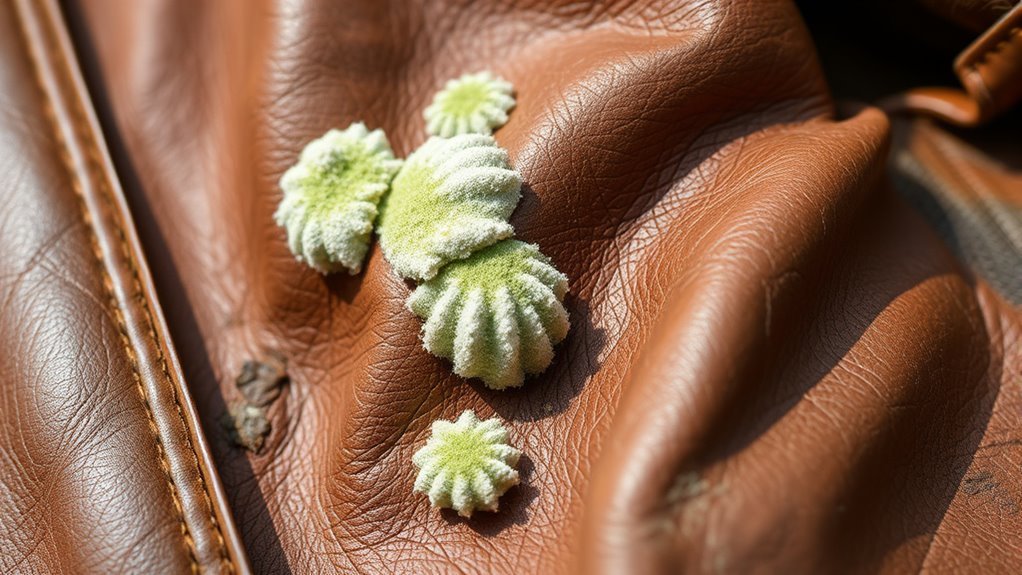
Leather’s conditioning needs shift depending on the environment it faces. If humidity exceeds 60%, mold can develop quickly, so you’ll want to condition leather more often to combat moisture damage.
Direct sunlight dries out leather, causing cracks, which means regular conditioning is vital in sunny weather. Cold, dry temperatures make leather brittle; conditioning every six months helps keep it flexible.
In hot, humid climates, leather absorbs excess moisture, increasing the risk of deterioration, so more frequent conditioning is necessary. Environmental pollutants like smog and airborne chemicals also wear down leather surfaces, making timely conditioning essential to protect against these harsh factors.
Signs to Condition
Although conditioning leather every 6 to 12 months is generally recommended, you’ll want to adjust this based on how often the item is used and the environment it’s exposed to. Regularly checking for signs to condition will help you maintain its quality and prevent damage like cracking.
Look out for these indicators:
- Rough texture that feels dry or stiff
- Loss of suppleness, making the leather less flexible
- Visible cracks starting to form on the surface
- Dull or faded color signaling dryness
If you notice any of these signs, it’s time to condition your leather. Items exposed to frequent use or harsh conditions may require more frequent treatments to keep them soft and durable. Don’t wait until cracking appears; condition proactively for the best results.
Common Mistakes to Avoid When Conditioning Leather
Because conditioning leather requires careful attention, you’ll want to avoid common mistakes that can harm its texture and appearance. One major error is over-conditioning, which weakens leather fibers and diminishes its natural look.
Don’t apply too much conditioner at once; excess moisture can trap inside, potentially causing mold or damage your leather. Always let your leather dry for at least a few hours before conditioning to prevent this.
Skipping a patch test is another pitfall. Testing a small hidden area first helps avoid discoloration or adverse reactions, especially with sensitive leather types. By steering clear of these mistakes, you’ll keep your leather supple and attractive without unintended harm.

Additional Tips for Leather Care and Maintenance
Taking care to avoid mistakes like over-conditioning is just one part of keeping your leather items in great shape. To enhance the care of your leather, follow these additional tips:
Always apply leather conditioning with a clean, soft cloth to prevent scratches and ensure even coverage. Let the leather absorb the conditioner naturally; avoid rushing the process to maximize effectiveness.
Regularly check your leather for signs of dryness or stiffness and condition promptly to prevent cracking. Test new conditioners on a hidden spot first to avoid discoloration or damage.
Proper Storage Practices for Leather Items
When you store your leather items properly, you protect them from damage caused by sunlight, moisture, and temperature changes. Keep your leather in a cool, dry place away from direct sunlight to avoid fading and drying out.
Use breathable dust bags or cloth covers instead of plastic to allow moisture exchange and prevent mold. Always guarantee your leather items are clean and conditioned before storage, and check them regularly for signs of damage.
| Storage Tip | Reason |
|---|---|
| Use padded hangers or flat surfaces | Maintains shape and prevents creases |
| Avoid high humidity areas | Prevents mold and cracking |
| Clean and condition first | Keeps leather in ideal condition during storage |
Frequently Asked Questions
What Is the Best Thing to Condition Leather With?
The best thing to condition leather is a high-quality conditioner made specifically for your leather type, like lanolin or mink oil-based products. They’ll deeply moisturize, restore suppleness, and protect your leather, keeping it soft and durable.
How to Moisturize Extremely Dry Leather?
You’ll want to apply a small amount of neatsfoot or mink oil, gently massage it in with a soft cloth, then let it sit for 12-24 hours. Repeat every 48-72 hours until your leather feels soft again.
What Are Signs of Leather Needing Conditioning?
When your leather feels as stiff as an old boot and shows cracks or faded spots, it’s crying out for conditioning.
If water beads up or leaves marks, or the color’s dull, it’s time to act.
Can I Use Vaseline to Condition Leather?
You shouldn’t use Vaseline to condition leather because it doesn’t penetrate properly and can make leather sticky or greasy. Instead, choose a specialized leather conditioner to keep your leather soft, nourished, and long-lasting.
Conclusion
Did you know properly conditioned leather can last up to 30 years or more? By understanding your leather type, prepping it correctly, and choosing the right conditioner, you’re protecting your investment for decades. Don’t forget to test first and avoid over-conditioning.
With regular care and proper storage, your leather items will stay supple and beautiful. Keep these tips in mind, and you’ll enjoy the rich, lasting quality leather is known for. Conditioning leather correctly is key to maintaining durability and appearance over time.