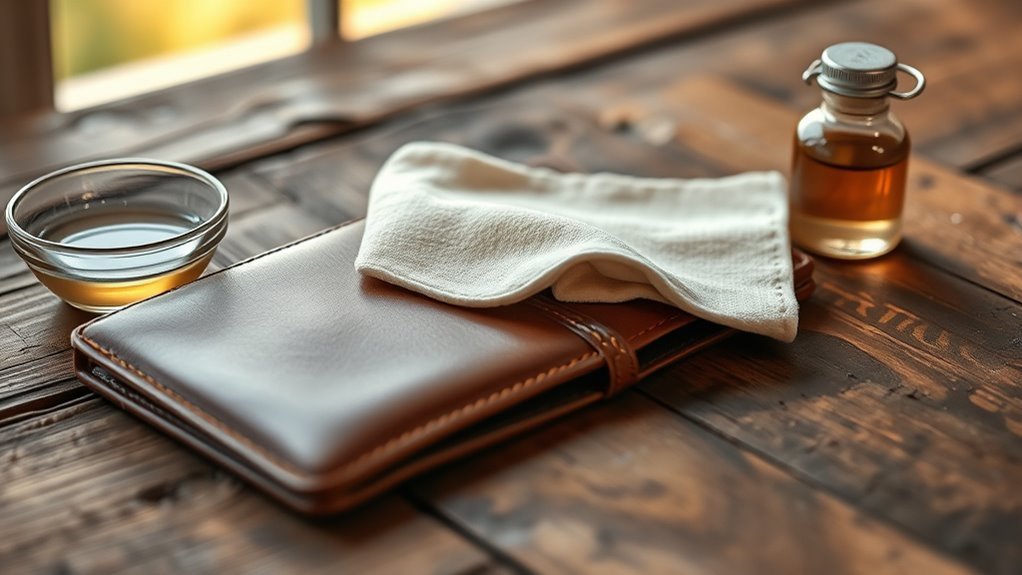
How to Clean a Leather Wallet: Step-by-Step Guide
To clean your leather wallet effectively, start by emptying its contents completely.
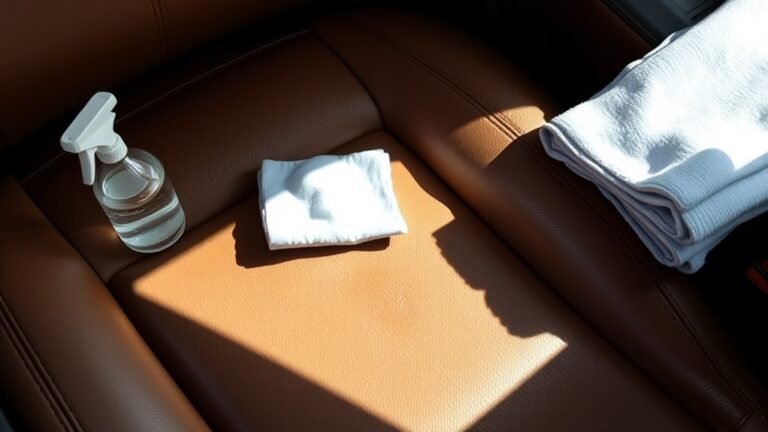
Use a soft, slightly damp microfiber cloth with mild soap or a specialized leather cleaner to gently wipe the surface. This method helps maintain the leather’s integrity while removing dirt and grime.
Avoid soaking the wallet or using harsh chemicals, as these can damage the leather’s texture and finish.
After cleaning, allow the wallet to air dry naturally, keeping it away from direct heat sources like radiators or sunlight.
Once dry, apply a small amount of leather conditioner to restore moisture and keep the leather flexible.
Proper cleaning and care are essential to keep your leather wallet looking great.
With regular maintenance, you can protect and maintain your leather’s quality over time, ensuring it remains durable and attractive.
Reasons Why Leather Wallets Get Dirty

Although leather wallets are durable, they easily attract dirt and stains from daily use. When you carry your wallet, skin oils and sweat seep into the leather, causing greasy stains over time.
Leather wallets, though durable, quickly absorb dirt and grease from everyday handling and skin contact.
Keeping loose change or small items in pockets causes rubbing marks and traps dirt, speeding up grime buildup. If you drop your wallet on the floor, dust and debris cling to the leather surface, adding to the mess.
Exposure to ink, makeup, or liquids transfers additional grime and stubborn stains onto the wallet. Constant contact with environmental elements and friction during daily wear causes dirt accumulation and gradually wears down the leather’s finish.
Understanding these reasons helps you appreciate why your leather wallet needs regular care.
Essential Tools and Materials for Cleaning

To clean your leather wallet effectively, you’ll need a few key tools like a soft microfiber cloth, gentle leather cleaner, and a soft-bristled brush.
It’s important to choose recommended leather products, such as conditioners or oils, to keep the leather supple after cleaning. Avoid harsh chemicals or rough materials that could damage your wallet’s surface.
Cleaning Supplies Checklist
A well-prepared cleaning supplies checklist makes caring for your leather wallet easier and more effective. Start with a quality leather cleaner or mild soap that’s gentle and pH-balanced to protect the leather’s natural oils.
You’ll need a soft cloth, preferably microfiber, to apply the cleaner without scratching the surface. Keep a damp cloth handy for wiping away any residue during the cleaning process.
A soft-bristled brush helps reach creases and stitching where dirt tends to hide. After cleaning, the drying process is vital: use a clean, dry towel or cloth to thoroughly dry your wallet, preventing moisture damage.
Having these essentials ready ensures your leather wallet stays clean, supple, and looking great without risking harm from harsh materials or improper care.
Recommended Leather Products
Choosing the right leather products makes all the difference in keeping your wallet clean and well-maintained. Start with a pH-balanced leather cleaner or a mild soap designed for high-quality leather to remove dirt without causing damage. Use a soft, lint-free cloth or microfiber towel to apply the cleaner gently, and a soft-bristled brush to reach creases and stitching safely.
After cleaning, apply a leather conditioner or leather balm, preferably mink oil or a specialized dressing, to restore moisture and keep the leather supple. Avoid harsh chemicals, alcohol-based cleaners, or abrasive tools that can strip natural oils or discolor your wallet. Incorporating protective products guarantees your leather wallet stays durable and looks great for years to come.
Step-by-Step Guide to Cleaning a Leather Wallet

Before you start cleaning your leather wallet, make sure to empty all its contents to prevent dirt from getting trapped and to access every surface easily. Begin by gently wiping the leather wallet with a soft cloth, either dry or slightly dampened with mild soap. Avoid using too much moisture, as excessive wetness can damage the leather.
If you spot stains, carefully treat them using a cotton swab dipped in rubbing alcohol for ink or apply baking soda for oil stains. After cleaning, let your wallet air dry completely in a shaded area. Never use heat sources as they can cause the leather to crack.
Once dry, you can apply a leather conditioner to restore moisture and keep your wallet looking fresh and supple.
How to Deep Clean Without Leather Cleaner
You can deep clean your leather wallet without a commercial cleaner by wiping the exterior gently with a damp cloth and mild soap. For the interior, use a diluted white vinegar solution to remove buildup without soaking the leather.
Make sure to air dry your wallet completely in a shaded, ventilated spot before conditioning it.
Damp Cloth Wiping
Although leather cleaners are convenient, you can effectively deep clean your wallet using just a damp cloth. First, dampen a soft, clean cloth with plain water, making sure it’s not too wet to avoid soaking the leather. Gently wipe the wallet’s exterior in circular motions to lift surface dirt without damaging the finish.
For creases and tricky spots, use a soft brush or toothbrush to carefully dislodge grime. Lightly moisten another cloth with water and a bit of mild soap to clean the interior, but avoid excessive moisture.
After wiping, let your wallet air dry completely in a shaded area to prevent heat damage. This gentle method keeps your leather clean and fresh without harsh chemicals.
Vinegar Interior Cleaning
Cleaning the interior of your leather wallet requires a gentler approach than the exterior, and a diluted vinegar solution offers an effective alternative to commercial leather cleaners. Start by mixing equal parts white vinegar and water to create a gentle cleaning solution.
Dampen a soft cloth with this mixture, avoiding soaking it, and carefully wipe the interior surfaces of your leather wallet. This vinegar solution helps break down dirt and grime without damaging the material.
After wiping, use a clean, dry cloth to remove any remaining vinegar residue, ensuring the leather doesn’t stay overly moist. This method provides a deep clean for the interior without harsh chemicals, keeping your leather wallet fresh and well-maintained.
Air Dry Thoroughly
Once you’ve wiped down your leather wallet with a damp cloth or vinegar solution, let it air dry thoroughly in a well-ventilated spot away from direct sunlight. To guarantee the best results, follow these steps:
- Pat the wallet gently with a dry towel to remove excess water before air drying.
- Lay the wallet flat or hang it so air circulates around all surfaces, preventing moisture buildup in folds.
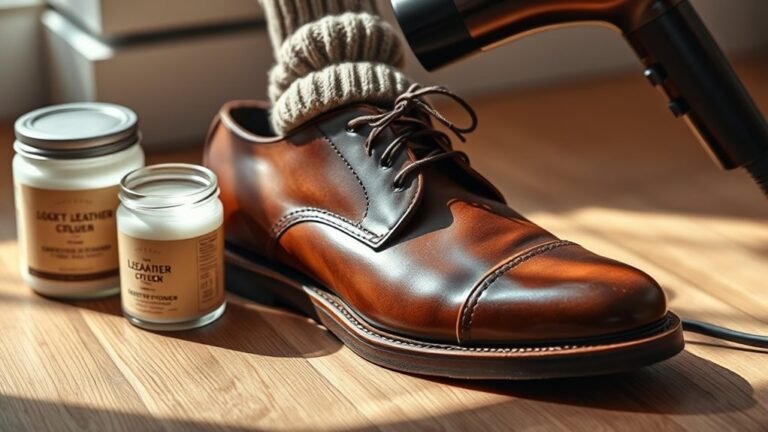
- Avoid heat sources like radiators or hairdryers, which can cause leather to crack or stiffen.
Make sure the wallet is dry completely before using or applying conditioner. This process may take several hours or overnight, but it prevents mold and keeps your leather soft and durable.
Choosing the Right Cleaning Method for Your Leather Type
Because each type of leather has unique characteristics, you’ll need to tailor your cleaning approach to preserve its quality and appearance. For your leather wallet, full-grain leather calls for a soft, dry cloth or a damp cloth with mild soap to avoid damaging its natural surface.
Top-grain leather benefits from a damp cloth and specialized cleaner, followed by conditioning to keep its smooth finish intact. Genuine leather needs light wiping and occasional conditioning, while bonded leather requires gentle cleaning with mild soap and minimal water exposure to prevent damaged leather. Synthetic leather is sensitive to harsh chemicals, so stick to a damp cloth and mild soap without conditioning. Choosing the right cleaning methods based on leather types ensures your wallet stays in great shape longer.
Common Mistakes to Avoid When Cleaning Leather Wallets
When cleaning your leather wallet, don’t reach for harsh chemicals like ammonia or bleach. They can seriously damage the leather. You also want to avoid soaking your wallet or using too much water, as this can cause warping and discoloration.
Keeping these mistakes in mind will help preserve your wallet’s look and feel.
Harsh Chemicals Damage
Although you might be tempted to use strong household cleaners on your leather wallet, harsh chemicals like ammonia, bleach, and petroleum-based products can strip away its natural oils. This causes the leather to dry out and crack over time. To protect your leather during cleaning, avoid these common pitfalls:
- Using abrasive cleaners or rough cloths that can scratch and damage the leather surface.
- Applying strong detergents not formulated for leather, which dissolve its protective coating and cause discoloration.
- Ignoring manufacturer instructions and experimenting with untested chemicals that risk irreversible damage.
Over-Wetting Risks
Strong chemicals aren’t the only threat to your leather wallet’s condition. Using too much water during cleaning can cause serious harm as well. Over-wetting your leather wallet lets excess moisture penetrate, causing it to warp, crack, or lose shape.
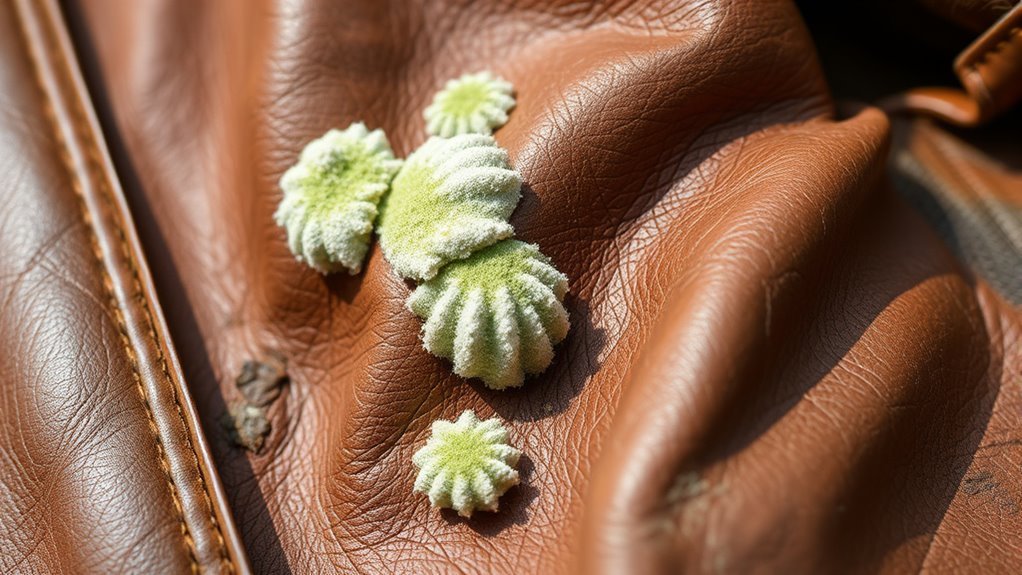
Water can seep into seams and the interior, weakening glue and stitching, which may lead to tears or separation. If the wallet isn’t properly dried, mold, mildew, and unpleasant odors can develop, further damaging the leather.
Overly wet leather also loses its natural oils, becoming dry, stiff, and prone to accelerated aging. To protect your wallet, avoid soaking it or applying water directly; instead, use a damp cloth sparingly and verify it dries thoroughly in a well-ventilated area to maintain its durability and appearance.
Conditioning and Protecting Your Leather Wallet
Because leather naturally loses moisture over time, you should regularly condition your wallet to keep it supple and prevent cracking. Using a specialized leather conditioner helps restore moisture, maintain flexibility, and protect your wallet from damage.
Follow these key steps for effective conditioning and protection:
- Apply a small amount of leather conditioner with a soft cloth, rubbing in circular motions for even absorption.
- Condition only when the leather looks dry or dull to prevent over-conditioning, which can cause stickiness or discoloration.
- After conditioning, protect your wallet from water and extreme temperatures to preserve the benefits and avoid damage.

Proper Drying and Shaping Techniques
When you finish cleaning your leather wallet, let it dry slowly at room temperature to prevent damage. Avoid direct heat like radiators or hair dryers, as they can cause cracking and stiffness.
During drying, gently reshape the wallet by flexing and pressing it to maintain its original form and avoid warping. To help maintain shape, store the wallet in a zipped pocket or a soft cloth bag while it dries.
Never tumble dry or expose it to direct sunlight, since rapid drying can harm the leather’s surface. Once the wallet is completely dry, you can apply a leather conditioner to keep it flexible and prevent brittleness.
Following these drying and reshaping steps ensures your wallet stays in great condition after cleaning.
Tips for Maintaining Leather Wallets Long-Term
After properly drying and reshaping your leather wallet, keeping it in good condition over time takes ongoing care. To maintain clean leather wallets and preserve their quality, follow these essential tips:
- Clean the surface of the wallet every 3 to 6 months with a soft cloth and leather-specific cleaner to remove dirt and oils.
- Apply leather conditioner annually to keep the leather supple and prevent cracking as it ages.
- Store wallet properly in a cool, dry place away from direct sunlight and extreme temperatures to avoid damage and deformation.
Alternative Cleaning Solutions Using Household Ingredients
If you don’t have specialized leather cleaners on hand, you can use common household ingredients to keep your leather wallet clean and fresh. Mix white vinegar with water in a 1:1 ratio and apply it sparingly with a damp cloth to remove grime and restore shine.
For surface dirt, use a few drops of mild dish soap diluted in water; gently wipe your wallet without soaking it. To tackle oil stains, sprinkle baking soda or cornstarch on the affected area, let it sit overnight, then brush off.
For lighter-colored leather, a paste made from lemon juice and cream of tartar can help with stain removal. These household ingredients offer an effective way to clean leather while preserving its natural texture and appearance.

Frequently Asked Questions
How Do You Clean a Dirty Leather Wallet?
You clean a dirty leather wallet by wiping it gently with a damp cloth and mild soap. For stubborn stains, use diluted white vinegar.
Let it air dry, then apply leather conditioner to keep it soft and shiny.
What Is the Best Cleaner for Leather Wallets?
Looking for the best cleaner for your leather wallet? You’ll want a pH-balanced leather cleaner made for delicate surfaces. It gently removes dirt without harming fibers, unlike harsh chemicals that can ruin your wallet’s finish.
How to Make a Leather Wallet Look New Again?
You can make your leather wallet look new again by gently cleaning it with mild soap and a damp cloth. Apply leather conditioner to restore shine, buff with a microfiber cloth, and store it properly to maintain freshness.
Is It Okay to Use Dawn Dish Soap on Leather?
Yes, you can use Dawn dish soap on leather if you dilute it properly with water. Don’t apply it undiluted, and always condition the leather afterward to prevent dryness and keep it soft and flexible.
Conclusion
Taking care of your leather wallet isn’t just about looks—did you know that properly maintained leather can last up to 10 years or more? By regularly cleaning, conditioning, and protecting your wallet, you’ll keep it durable and looking sharp.
Remember, using the right methods for your leather type and drying it properly makes all the difference. With a little effort, your wallet will stay stylish and functional for years to come.
In conclusion, mastering how to clean leather wallet effectively ensures longevity and preserves its natural beauty. Regular maintenance and proper care are key to keeping your leather wallet in top condition.