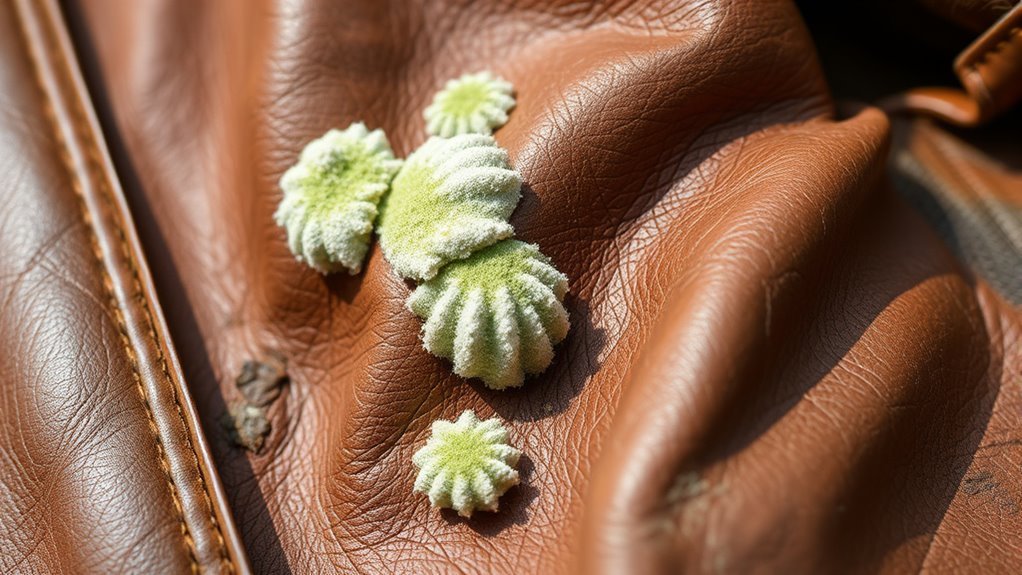
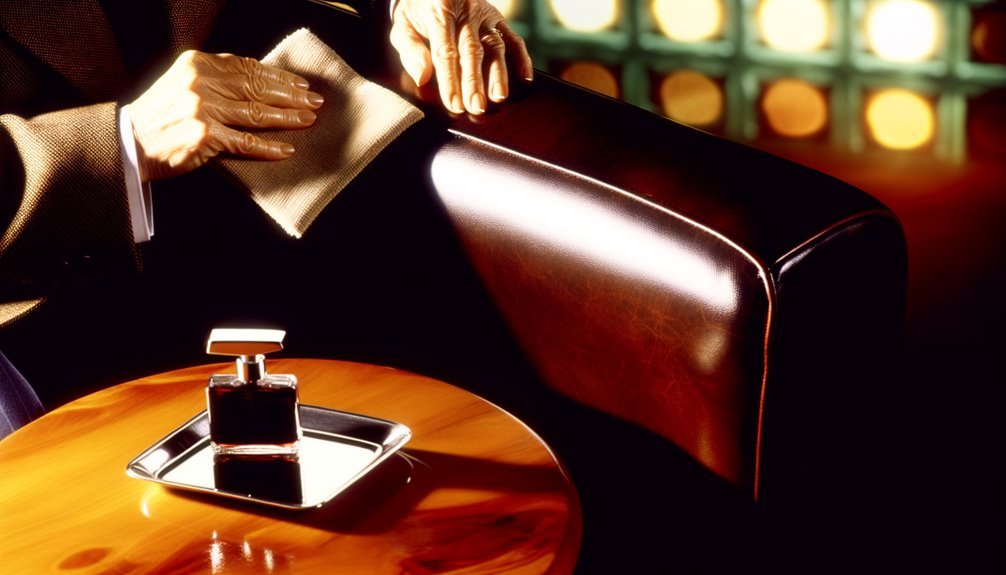
How to Clean a Leather Chair: Step-by-Step Guide
To clean your leather chair effectively, start by dusting it weekly with a microfiber cloth or using a vacuum to remove debris. Regular cleaning helps maintain the leather’s appearance and longevity.
For stains, use a damp cloth with a vinegar-water mix or mild soap, but always test first on a hidden spot to avoid damage. Avoid harsh chemicals as they can harm the leather’s surface.
After cleaning, dry the leather thoroughly to prevent moisture damage.
Condition your chair every 6-12 months to keep the leather soft and prevent cracking. Knowing the type of leather you have can help tailor the care process for the best results.
Keep going to discover expert tips and stain-fighting tricks that will help you maintain your leather chair’s beauty and durability.
How Often to Clean a Leather Chair

Although leather chairs are durable, you should clean them regularly to keep them looking their best. Weekly cleaning with a dry microfiber cloth or vacuum attachment removes dust and loose debris, preventing buildup that can dull the leather’s appearance.
When spills or stains happen, address them immediately to avoid long-term damage and keep the surface pristine. Besides regular cleaning, plan a deep clean and conditioning every 6 to 12 months. This helps preserve the leather’s suppleness and prevents cracking by restoring essential oils.
Always follow the manufacturer’s care instructions for your specific leather type to avoid damage. By balancing regular surface cleaning with periodic deep care, you’ll maintain your leather chair’s condition and extend its lifespan.
Essential Materials for Cleaning Leather
To clean your leather chair effectively, you’ll need a few key supplies like microfiber cloths and distilled water to prevent damage. Choosing safe ingredients such as diluted white vinegar or natural liquid soap guarantees gentle yet thorough cleaning.
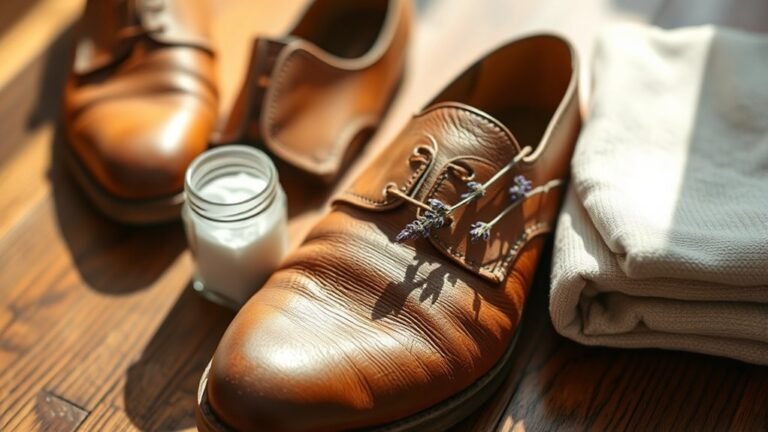
Don’t forget conditioning oils like olive or coconut oil to keep your leather soft and durable.
Cleaning Supplies Checklist
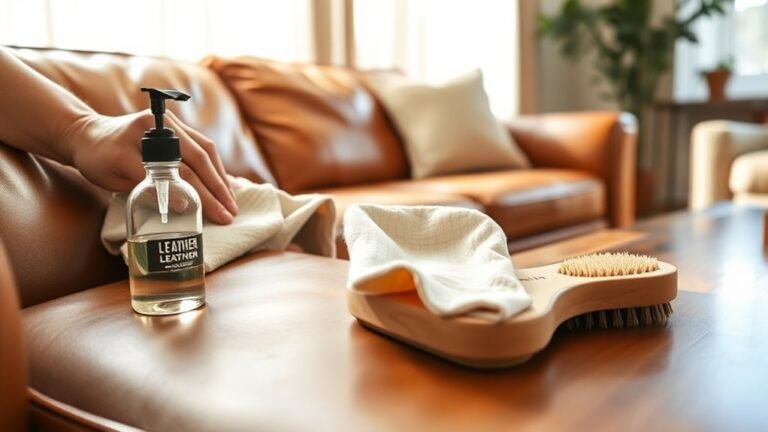
Several essential supplies make cleaning your leather chair effective and safe. To keep your leather looking its best, you’ll want to gather these key items:
- Microfiber cloth and distilled water: Use the cloth for gentle cleaning. It won’t scratch the leather. Distilled water helps avoid mineral deposits and water spots during wiping.
- Leather cleaner and white vinegar: Choose a dedicated leather cleaner for tough stains. For natural stain removal, mix white vinegar with water for a safe, mild solution.
- Conditioning oil: After cleaning, apply a natural oil like olive or coconut oil to restore moisture and maintain the leather’s softness.
With this cleaning supplies checklist, you’ll protect your chair’s finish and extend its life through careful, gentle cleaning and proper conditioning.
Safe Cleaning Ingredients
Gathering the right supplies sets a solid foundation, but knowing which ingredients are safe for your leather is just as important. Use distilled water to avoid mineral deposits and discoloration.
Choose a gentle cleaner like mild liquid soap or a natural vinegar-water mix for effective stain removal without damage. For conditioning, natural oils such as olive or coconut oil keep your leather soft and flexible.
Avoid harsh chemicals like bleach or ammonia. They strip essential oils and harm leather. Here’s a quick guide:
| Ingredient | Purpose | Benefit |
|---|---|---|
| Distilled Water | Cleaning base | Prevents discoloration |
| Mild Liquid Soap | Gentle cleaner | Safe stain removal |
| Natural Oils | Conditioning | Nourishes, softens |
Stick to these for a clean, lasting leather chair.
Cleaning Solutions Safe for Leather
How can you safely clean your leather chair without causing damage? Choosing the right cleaning solutions is key. Avoid harsh chemicals like bleach or ammonia, which can strip leather’s natural oils.
Instead, try these gentle approaches:
- Mix equal parts distilled water and white vinegar for a natural, gentle cleaner.
- Add a few drops of mild liquid soap to distilled water for effective stain removal.
- Always test your chosen solution on a hidden spot first to check for discoloration.
Use a soft microfiber cloth dampened with your cleaning solution to gently wipe the leather surface. Follow up by drying the chair with a clean cloth.
This method preserves your leather while ensuring safe, thorough cleaning.

Step-by-Step Cleaning Process
Before you start cleaning, make sure you’ve chosen a safe solution like diluted vinegar or mild soap. First, remove loose dust and debris from your leather chair using a microfiber cloth or vacuum with a soft brush attachment.
Start by selecting a gentle cleaner and removing dust with a soft cloth or vacuum attachment.
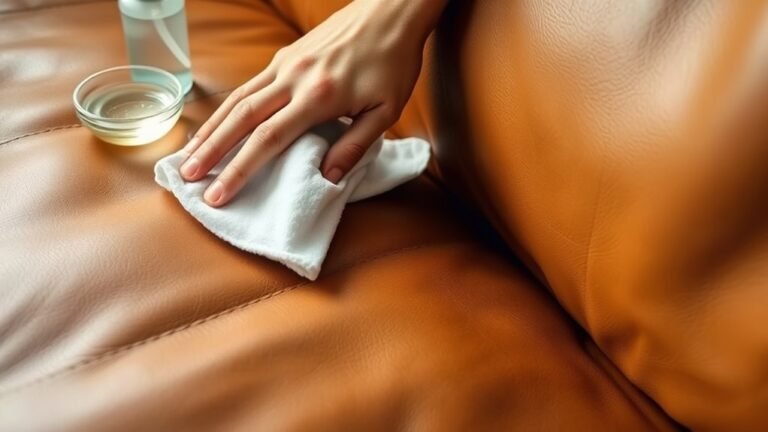
Next, mix equal parts distilled water and white vinegar, or a small amount of mild soap with distilled water. Dampen a clean microfiber cloth with the solution and gently wipe the leather in circular motions, taking care not to soak it.
Rinse the cloth frequently with clean water to remove any soap or vinegar residue. Finally, dry the chair thoroughly with a dry cloth, and let it air dry completely before considering any conditioner.
This process helps you clean your leather chair effectively while protecting it from damage.
Techniques for Removing Common Stains
When you spot a stain, act quickly to prevent it from setting in. Using natural solutions like vinegar, lemon juice, or baking soda can effectively lift common stains without harsh chemicals.
After cleaning, don’t forget to condition your leather to keep it soft and protected.
Immediate Stain Response
Since leather is sensitive to stains, you should blot spills immediately with a clean, dry cloth to stop them from setting in. Acting fast prevents the stain from penetrating the leather surface. Here’s how to handle common stains:
- For water-based stains, use a damp microfiber cloth dipped in equal parts distilled water and white vinegar. Blot gently without rubbing to clean the stain.
- Ink stains require a cotton swab dipped in rubbing alcohol. Blot carefully to lift the pigment without spreading it.
- Oil or grease stains need baking soda or cornstarch sprinkled on top to absorb the oil. Let it sit overnight before brushing off.
Always blot, never rub, to protect your leather surface and keep it looking clean.
Natural Cleaning Solutions
Although leather requires gentle care, you can effectively remove common stains using natural cleaning solutions that are safe and easy to make at home. For most leather stains, mix equal parts white vinegar and distilled water for a simple yet effective cleaning method.
For tougher spots like red wine or coffee, apply a paste of lemon juice and cream of tartar, letting it sit for 10 minutes before wiping. Oil or grease stains respond well to baking soda or cornstarch sprinkled on overnight to absorb the stain.
Ink stains can be gently dabbed with rubbing alcohol on a cotton swab. Always test these natural cleaning solutions on a hidden area first. This approach guarantees stain removal while maintaining protective care for your leather chair.

Conditioning After Cleaning
After cleaning your leather chair, you’ll want to apply a conditioner or natural oil mixture to restore moisture and prevent cracking. This step is essential in your cleaning and conditioning routine to maintain the leather’s suppleness and appearance. Here’s how to apply conditioner effectively:
- Use a soft microfiber cloth to evenly spread the leather conditioner in gentle circular motions.
- Let the conditioner penetrate for 15-20 minutes, allowing it to replenish natural oils that form a protective barrier.
- Buff off any excess with a clean, dry cloth to avoid residue buildup.
Regular conditioning every 6 to 12 months not only maintains moisture and prevents cracking but also helps remove and prevent common stains, extending your chair’s lifespan.
Conditioning Your Leather Chair
While cleaning removes surface dirt, conditioning your leather chair restores its natural oils and prevents cracking or drying over time. After thoroughly cleaning leather and letting it dry, apply a leather conditioner designed specifically for leather care, or use natural oils like coconut or mink oil.
Use circular motions to work the conditioner into the surface, ensuring even absorption. Conditioning leather every 6 to 12 months supports leather restoration and prolongs leather maintenance, especially if your chair faces regular sunlight or heavy use.
Always perform a patch test on a hidden spot to avoid discoloration or damage. By incorporating conditioning leather into your routine, you’ll maintain the chair’s softness and durability, giving it a refreshed look and extending its lifespan.
Avoiding Damage During Cleaning
To keep your leather chair looking great, always test any cleaner on a hidden spot first and avoid harsh chemicals like bleach or ammonia. Use only a damp microfiber cloth with minimal moisture to prevent stains or swelling. By taking these precautions, you’ll protect the leather from damage during cleaning.
Harsh Chemicals to Avoid
Because leather is sensitive to harsh chemicals, you should avoid cleaners containing bleach, ammonia, or alcohol-based ingredients, as they can strip natural oils and damage the surface. When cleaning your leather chair, steer clear of:
- Abrasive cleaners or scrubbers that scratch or discolor the finish.
- Solvents and degreasers not designed for leather, which can dry out and weaken the material.
- Products like saddle soap or varnishes that leave residue, making leather sticky or prone to cracking.
Always check the manufacturer’s recommendations before using any cleaner. Harsh chemicals can accelerate aging and cause irreversible damage, so it’s essential to choose gentle, leather-specific products. Avoiding these harmful substances will help preserve your chair’s look and durability for years to come.
Proper Moisture Levels
Avoiding harsh chemicals is just one part of caring for your leather chair; managing moisture during cleaning plays an equally important role. To keep your leather in top shape, use a damp microfiber cloth, well wrung out, to apply your cleaning solution. This ensures moisture regulation, preventing the leather from becoming soaked, which can lead to swelling or discoloration.
Always perform a spot test with your cleaning solution first to avoid unexpected damage. After cleaning, let your leather chair air dry completely; this preserves its natural oils and prevents stiffness or cracking. Avoid steam cleaners or excessive liquid, as too much moisture can strip the leather’s fats and accelerate aging.
With proper moisture control, you’ll maintain a clean leather chair that lasts longer and looks great.
Testing Before Cleaning
A crucial step before cleaning your leather chair is testing any solution on a hidden spot, like the underside or back. This helps you avoid damage during cleaning by checking for color change or other adverse effects.
Follow these steps to test cleaning solutions effectively:
- Apply a small amount of your chosen cleaner to an inconspicuous area.
- Wait at least 10 minutes to observe any discoloration or deterioration.
- Document the results and confirm no damage before proceeding.
Avoid harsh chemicals or abrasive tools during testing to ensure damage prevention. Different cleaning methods require different drying times, so always factor that in after a successful test.
Caring for Different Types of Leather
How do you care for different types of leather without damaging them? Start by identifying your leather type to tailor your leather cleaning and leather care approach.
Aniline leather, being soft and natural, needs regular conditioning leather to protect its delicate surface. Use a gentle microfiber cloth for dusting and avoid harsh chemicals.
Semi-aniline leather has a protective coating, making stain removal easier and less frequent conditioning necessary.
Pigmented leather, with its durable topcoat, resists scratches and stains well, so you can clean it using mild soap and water with a microfiber cloth.
Always avoid excess moisture and test products first. Understanding these leather types helps you maintain your chair’s look while preventing damage during cleaning and stain removal.

Managing Tough Stains and Spots
Since different leather types require specific care, managing tough stains and spots means choosing the right method to avoid damage. When you spot a stain, always blot it immediately with a clean, dry cloth to prevent it from setting.
For effective spot removal, try these steps:
- Use a wet microfiber cloth dipped in equal parts distilled water and white vinegar to gently blot and lift stains.
- For oil stains, sprinkle baking soda or cornstarch on the spot, let it sit overnight, then brush off the residue.
- Ink stains need careful attention: dab with a cotton swab dipped in rubbing alcohol, then wipe with a damp cloth to avoid spreading.
Always pick gentle cleaning products to protect your leather while tackling stubborn spots.
Routine Maintenance Tips for Longevity
To keep your leather chair looking its best for years, you should vacuum or dust it weekly using a soft brush attachment or microfiber cloth. Regular cleaning removes dirt and keeps your clean leather furniture soft and inviting.
When spills happen, gently wipe them with a damp microfiber cloth and mild soap, avoiding excess moisture.
Every 6 to 12 months, condition leather with approved products to maintain suppleness and prevent cracking.
Rotate cushions and keep your chair out of direct sunlight to prevent fading and uneven wear.
| Action | Frequency | Benefit |
|---|---|---|
| Vacuum/Dust | Weekly | Keeps leather soft |
| Wipe Spills | Immediately | Prevents stains |
| Condition Leather | Every 6-12 months | Preserves texture |
Frequently Asked Questions
What Is the Best Thing to Clean a Leather Chair With?
You should clean your leather chair with a mix of equal parts distilled water and white vinegar, using a soft microfiber cloth.
This gentle solution effectively cleans without damaging the leather’s natural oils or finish.
Can I Use Dawn and Water to Clean My Leather Seats?
Yes, you can use Dawn and water, but don’t plunge in full strength. You’ll want to dilute it and test a hidden spot first; otherwise, you risk drying out your leather and causing cracks over time.
What Should You Not Use on Leather?
You shouldn’t use bleach, ammonia, all-purpose cleaners, or glass cleaners on leather. Avoid excessive water, abrasive tools, saddle soap, and petroleum-based products unless the manufacturer says it’s safe. They’ll damage or discolor your leather.
Can I Use Murphy’s Oil Soap on Leather?
You absolutely can’t use Murphy’s Oil Soap on leather; it’s like throwing a grenade at a delicate flower! It’ll dry out and damage your chair. Stick to leather-specific cleaners to keep it soft and healthy.
Conclusion
You might think leather is delicate, but with the right care, it’s surprisingly durable. By cleaning your leather chair regularly with safe materials and gentle techniques, you’ll keep it looking great for years. Don’t wait for stains to set—tackle them quickly and avoid harsh chemicals that can damage the leather.
With routine maintenance and proper care, your leather chair can stay as inviting and stylish as the day you got it. Remember, consistent cleaning and conditioning are key steps in the process. Following these guidelines will help maintain the chair’s texture and color.
In conclusion, regular cleaning, prompt stain removal, and using appropriate leather care products will extend the life of your leather chair. Keep your leather chair looking its best by incorporating these simple cleaning and maintenance tips into your routine.