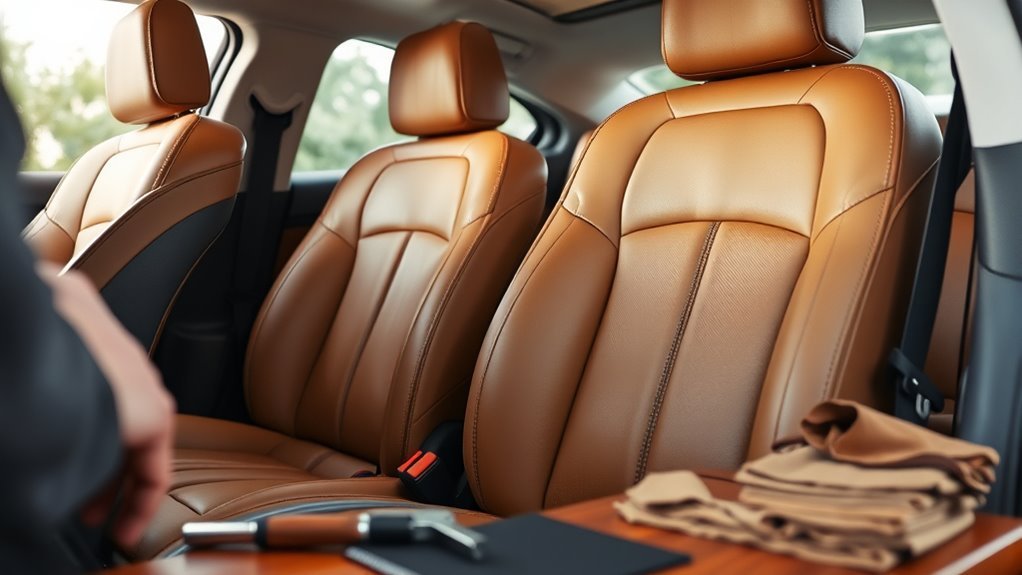
How Much Does It Cost to Replace Leather Car Seats?
Replacing leather car seats typically costs between $500 and $2,500 per seat. The price depends on factors such as the leather quality—standard, top-grain, or full-grain—and any built-in features like heating.
Labor charges usually range from $100 to $300. Additional expenses like seat removal or repairs can also add to the overall cost.
Choosing professional installation guarantees a proper fit but raises costs. On the other hand, a DIY approach can save money if you have the necessary skills.
Explore these details carefully to make the best choice for your budget and ride.
Factors Affecting the Cost of Leather Car Seat Replacement

When you’re considering replacing leather car seats, several factors will influence the overall cost.
The size and number of seats matter. You’ll pay more if you need to replace both front and rear seats rather than just one.
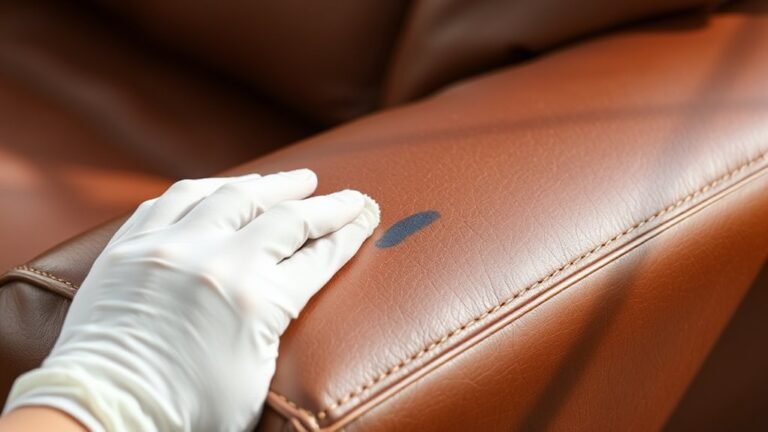
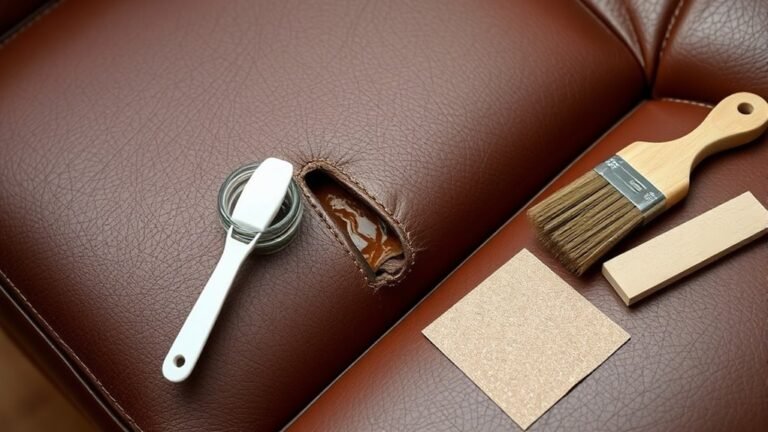
The extent of damage also plays a role. Minor tears or wear might cost less compared to full replacements.
Labor charges vary depending on your location and the shop’s expertise.
Additionally, customizing the leather color or stitching can increase prices.
If your car has built-in features like heating or ventilation in the seats, that could add complexity and cost.
Finally, the choice between OEM (original equipment manufacturer) and aftermarket parts impacts the price.
Understanding these factors helps you budget realistically for your leather car seat replacement.
Types of Leather Used in Car Seats

Although leather seats add a touch of luxury to your car, not all leather is created equal. When replacing your seats, you’ll encounter several types: full-grain, top-grain, corrected-grain, and bonded leather.
Full-grain leather is the most durable and premium, retaining its natural texture and aging beautifully.
Full-grain leather offers unmatched durability and elegance, preserving its natural character as it ages gracefully.
Top-grain leather is slightly sanded to remove imperfections, offering a smooth, consistent finish.
Corrected-grain leather is heavily treated and embossed to hide flaws, making it less expensive but less breathable.
Bonded leather, made from leather scraps mixed with polyurethane, is the most affordable but wears out quickly.
Knowing these types helps you choose the right balance between quality and cost for your replacement, ensuring your seats match your comfort and style preferences.
Average Price Range for Leather Seat Replacement

Choosing the type of leather impacts not only the look and feel of your car seats but also the overall cost of replacement. Generally, you can expect to spend anywhere from $500 to $2,500 per seat, depending on the leather quality and seat complexity.
Here’s a quick breakdown of average price ranges:
| Leather Type | Average Cost per Seat |
|---|---|
| Standard Leather | $500 – $900 |
| Top-Grain Leather | $900 – $1,500 |
| Full-Grain Leather | $1,200 – $2,000 |
| Exotic Leather | $1,800 – $2,500+ |
Keep in mind, these prices cover the material itself. Choosing higher-end leather means paying more upfront but can boost your car’s interior appeal and resale value.
Labor Costs for Installing New Leather Seats
Factoring in labor costs is essential when replacing leather car seats, as the installation process requires skill and time. Expect to pay between $100 and $300 for professional installation, depending on your vehicle’s make and model.
Labor involves removing old seats, fitting the new leather covers, and ensuring everything is secure and aligned properly.
If your car has heated or ventilated seats, technicians may charge more due to the extra wiring and care needed.
While you might consider a DIY approach to save money, improper installation can lead to discomfort or damage.
Hiring an experienced upholsterer or auto technician guarantees the new leather seats fit perfectly and function as intended, making the labor cost a worthy investment in your vehicle’s comfort and value.
Comparing OEM vs. Aftermarket Leather Seats
Labor costs can vary depending on the type of leather seats you select, which makes understanding the differences between OEM and aftermarket options important.
OEM seats come directly from your vehicle’s manufacturer, ensuring a perfect fit and original quality, but they often cost more.
Aftermarket seats, on the other hand, are produced by third-party companies and usually offer more affordable prices. However, they may sometimes sacrifice exact fit or match in color and texture.
When choosing, consider your budget and how important authenticity and fit are to you.
While OEM guarantees factory standards, aftermarket seats can provide good value if you’re okay with minor differences.
Either way, your choice will impact installation time and, ultimately, the labor costs you’ll face.
Additional Expenses to Consider
What else should you budget for beyond the seats themselves? Replacing leather car seats involves more than just the upholstery cost. You’ll want to factor in additional expenses to avoid surprises.
For instance, installation fees can add up, especially if your seats have complex features like heating or power adjustments. Also, consider the cost of removing old seats safely without damaging your car’s interior.
Here are some key additional expenses to keep in mind:
- Labor charges for professional installation
- Shipping fees if ordering custom or OEM seats
- Costs for replacing or repairing seat frames and mechanisms
- Fees for cleaning or conditioning the new leather
Budgeting for these extras will help you get an accurate estimate for your leather seat replacement project.
DIY vs. Professional Leather Seat Replacement
Beyond the extra costs involved, you’ll need to decide whether to tackle the leather seat replacement yourself or hire a professional. If you have experience with upholstery and the right tools, DIY can save you money and give you control over materials.
However, it demands patience, precision, and time; mistakes can be costly and affect your car’s comfort and appearance.
On the other hand, professionals bring expertise and efficiency, ensuring a clean, durable finish. They also handle complex repairs and offer warranties.
Keep in mind, professional services generally cost more upfront but reduce the risk of errors and frustration.
Ultimately, weigh your skills, budget, and time before deciding. A careful choice here affects both your wallet and your car’s interior quality.
Tips for Saving Money on Leather Seat Replacement
Although leather seat replacement can be expensive, you can take several steps to lower the overall cost without sacrificing quality. Start by comparing quotes from multiple shops to find the best price.
Consider using high-quality synthetic leather, which looks great but costs less than genuine leather.
Opt for high-quality synthetic leather for an affordable, stylish alternative to genuine leather seats.
If your seats only need minor repairs, opt for patching or re-dyeing instead of full replacement.
Finally, check for local promotions or discounts. Many shops offer seasonal deals.
- Get multiple estimates before deciding
- Choose synthetic leather alternatives
- Repair small damages instead of replacing
- Look for discounts and seasonal offers
Frequently Asked Questions
How Long Does It Take to Replace Leather Car Seats?
It usually takes you about 4 to 8 hours to replace leather car seats, depending on your car’s make and model.
If you’re doing it yourself, expect more time, but professionals can finish quicker.
Can Leather Seat Replacement Improve My Car’s Resale Value?
Yes, replacing your leather seats can boost your car’s resale value by making it look well-maintained and luxurious. Buyers often prefer fresh, clean interiors, so investing in new leather seats usually pays off when selling your car.
A new leather interior gives the impression that the vehicle has been cared for, which can attract more potential buyers. Additionally, leather seats are often seen as a premium feature, adding to the overall appeal of your car.
Therefore, if your current seats are worn or damaged, upgrading them can be a smart move to increase your car’s market value.
Are Leather Car Seats More Comfortable Than Fabric Seats?
Leather seats often feel like a warm hug compared to fabric, offering a smoother, more luxurious touch. However, your comfort depends on personal preference—some find fabric cooler and cozier, especially in hot or cold weather conditions.
What Maintenance Is Required for New Leather Car Seats?
You’ll need to clean your leather seats regularly with a gentle leather cleaner, condition them every 3-6 months to keep the leather soft, and avoid prolonged sun exposure to prevent cracking and fading.
Regular cleaning helps remove dirt and oils that can damage the leather over time. Conditioning replenishes natural oils, maintaining suppleness and preventing dryness.
Additionally, using sunshades or parking in shaded areas can significantly extend the life of your leather seats by minimizing UV damage.
Is Leather Seat Replacement Covered by Car Insurance?
Leather seat replacement usually isn’t covered by car insurance unless damage results from an accident or vandalism.
You’ll want to check your policy details or talk to your insurer to see what’s included.
Conclusion
Replacing your leather car seats doesn’t have to drain your wallet like a leaky faucet. By understanding the types of leather, labor costs, and whether to choose OEM or aftermarket, you can navigate this upgrade like steering through familiar roads.
Whether you DIY or hire a pro, keep an eye out for hidden expenses. With smart choices, you’ll glide into a refreshed, stylish ride without the financial bumps on the highway.
When considering how much does it cost to replace leather car seats, factoring in these elements ensures you get the best value. This approach helps you enjoy quality leather car seats replacement without overspending.