Can I Put Leather in the Dryer?
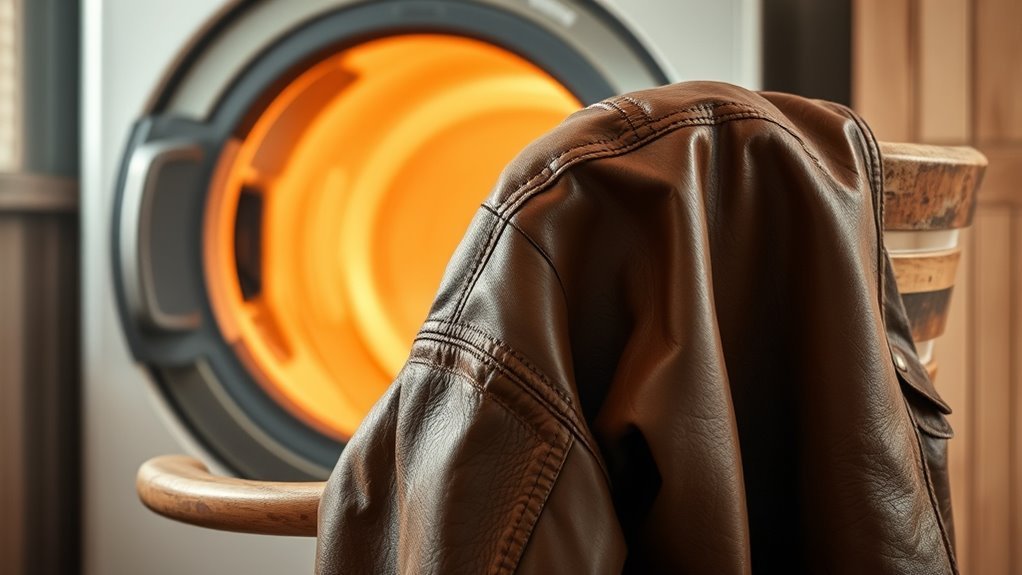
You shouldn’t put leather in the dryer because the heat and tumbling can cause it to shrink, crack, or lose shape. Dryers strip away the natural oils that keep leather soft and durable, leading to brittleness and possible damage to seams or color. Instead, you should gently blot excess water and air dry your leather in a shaded, ventilated spot.
If you want to protect your leather item further and avoid common drying mistakes, keep exploring these tips. Proper drying methods help maintain the leather’s texture and longevity. Avoid direct sunlight and high heat sources to preserve its quality.
Understanding Leather Material and Its Properties

How does leather react to heat and moisture? When you expose leather to moisture, it absorbs water because it’s a natural material made from animal hides. This can cause the leather to swell and lose its shape temporarily.
As it dries, if you don’t handle it properly, the leather might stiffen or crack. Leather’s structure consists of collagen fibers, which give it durability but also make it sensitive to environmental changes.
Improper drying can cause leather to stiffen or crack due to its delicate collagen fiber structure.
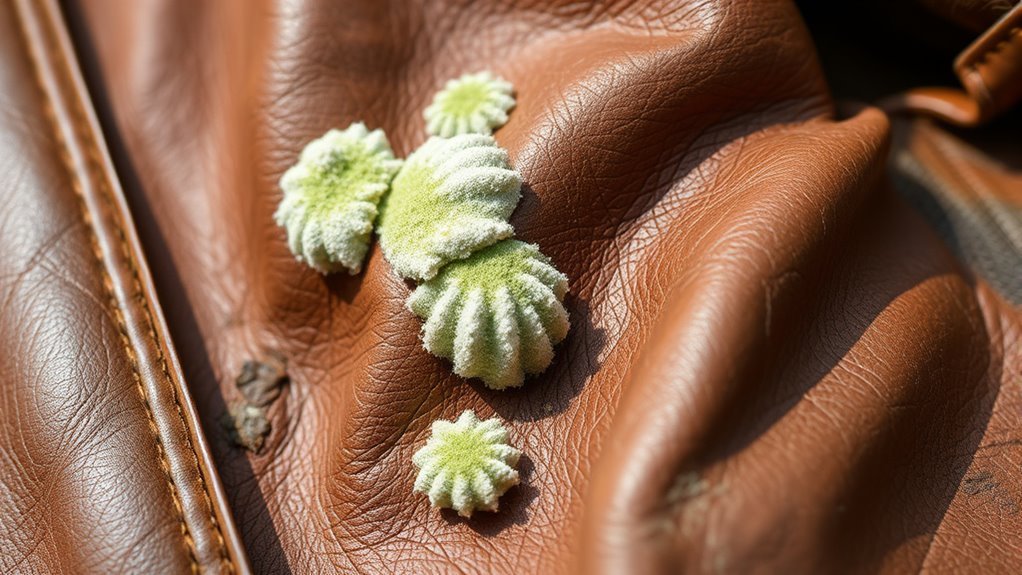
You’ll notice leather is breathable, allowing some moisture to escape, but excessive dampness can lead to mold or mildew. Understanding these properties helps you realize why leather needs gentle care, especially avoiding harsh drying methods that strip away its natural oils and flexibility.
Treat leather with caution to maintain its longevity and appearance.
Effects of Heat on Leather

Although heat can help dry damp leather, it often damages the material by drying out its natural oils. This causes it to become brittle and prone to cracking. When leather loses moisture too quickly, its texture stiffens, and the surface may develop unsightly wrinkles or fade in color.
You want to avoid exposing leather to high temperatures to maintain its suppleness and longevity.
| Heat Effect | Result on Leather |
|---|---|
| Oil evaporation | Loss of flexibility |
| Rapid drying | Surface cracks |
| Color fading | Dull, uneven appearance |
Risks of Using a Dryer for Leather Items

When you put leather items in a dryer, you risk accelerating damage that heat alone can cause. The intense heat can dry out the natural oils in the leather, making it brittle and prone to cracking.
You might notice the leather shrinking or warping, which ruins its shape and fit. The tumbling action can also cause surface abrasions or scuffs, especially on softer leather types.
Additionally, the dryer’s heat can weaken the adhesive bonds in stitched or glued areas, leading to seams coming apart.
Over time, repeated exposure to dryer heat can severely shorten the lifespan of your leather items.
To keep your leather looking and feeling its best, it’s essential to avoid using a dryer and recognize these risks before you toss your leather in.
Alternative Drying Methods for Leather
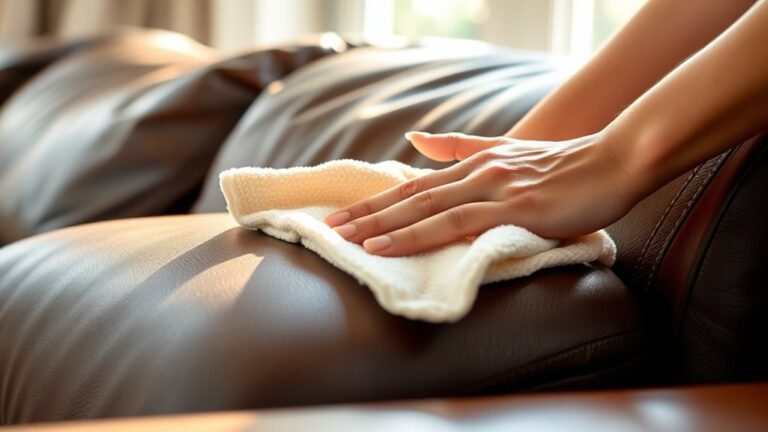
Since dryers can harm leather, you’ll want to choose gentler methods to dry your items. One effective way is to gently blot the leather with a clean, dry towel to remove excess moisture. Avoid rubbing, as it can damage the surface.
You can then place the item in a well-ventilated room at room temperature, away from direct sunlight or heat sources.
Another option is to use a fan to increase air circulation, which helps speed up drying without risking heat damage.
If you’re dealing with small leather accessories, stuffing them with absorbent paper can help maintain their shape while drawing out moisture.
These methods protect your leather’s texture and longevity much better than a dryer’s harsh environment.
How to Properly Air Dry Leather
To keep your leather items in great shape, air drying is the safest option after removing excess moisture. First, gently blot the leather with a clean, dry towel to absorb as much water as possible without rubbing.
Then, lay the item flat on a clean surface or hang it in a well-ventilated room away from direct sunlight and heat sources. Avoid using heaters or hair dryers, as they can cause the leather to crack or warp.
Make sure the room has good airflow to speed up drying naturally. Depending on thickness and moisture level, drying can take several hours to a day. Patience is key.
Once dry, your leather will maintain its texture and durability much better than if subjected to harsh drying methods.
Tips for Maintaining Leather After Cleaning
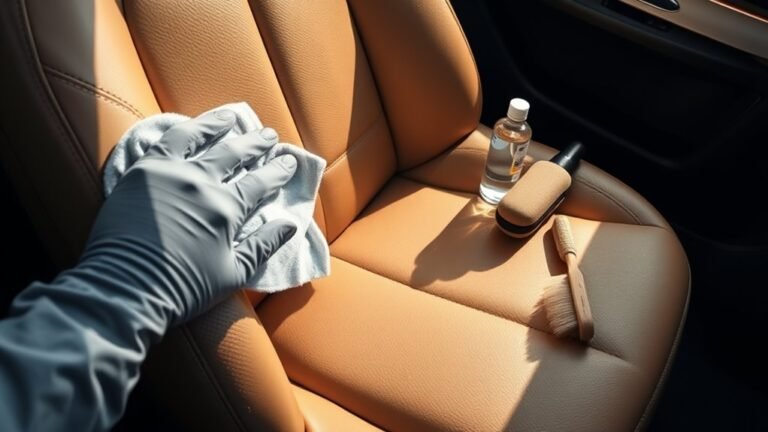
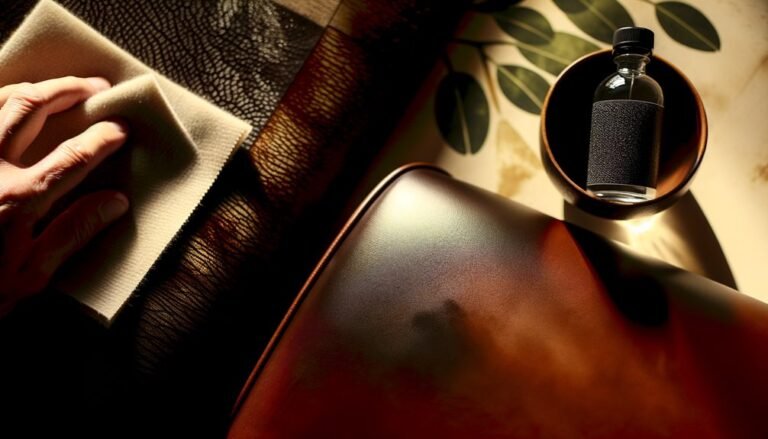
Although cleaning removes dirt and oils, you’ll need to care for leather properly afterward to keep it supple and prevent damage. Start by applying a high-quality leather conditioner to restore moisture and flexibility.
Use a soft cloth to rub the conditioner evenly, allowing it to absorb fully. Avoid over-conditioning, which can clog pores and cause discoloration.
Store your leather items away from direct sunlight and heat sources to prevent drying and cracking. Regularly dust your leather with a dry cloth to maintain its appearance.
If your leather gets wet, blot it gently with a towel and let it air dry naturally. Following these steps will help your leather stay soft, durable, and looking its best for years to come.
When Professional Leather Care Is Necessary
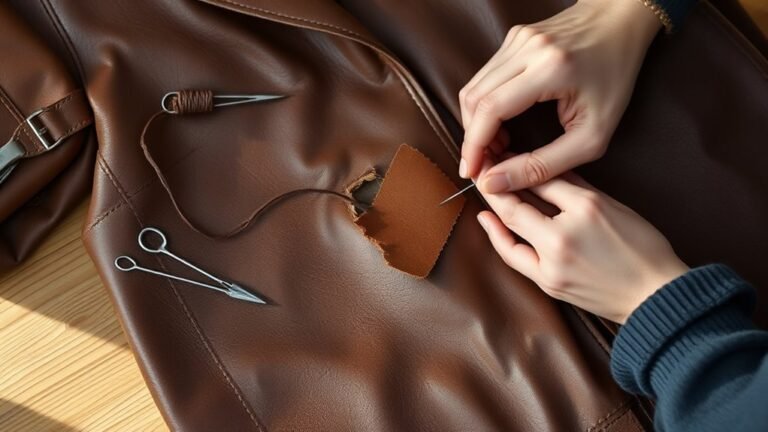
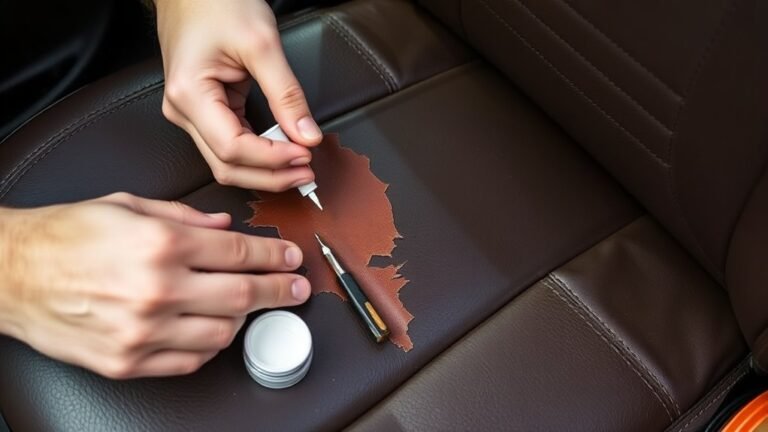
Proper at-home care can keep your leather looking great, but some situations call for expert help. If your leather item suffers deep stains, severe water damage, or significant cracking, it’s time to consult a professional. Trying to fix these issues yourself might worsen the damage.
Deep stains, severe water damage, or cracking require professional care to avoid worsening your leather’s condition.
Professionals have specialized tools and products that safely clean, condition, and restore leather without compromising its integrity.
Also, if your leather has lost its shape or shows signs of mold, experts can provide treatments that are hard to replicate at home.
When in doubt, seeking professional care guarantees your leather lasts longer and maintains its appearance. Don’t hesitate to reach out to a trusted leather specialist when you face problems beyond routine cleaning and drying.
Common Mistakes to Avoid When Drying Leather
When drying leather, you might unknowingly cause damage by making common mistakes that are easy to avoid. First, never put leather directly in the dryer; the heat can cause it to shrink, crack, or become stiff.
Avoid using high heat or prolonged exposure to sunlight, as both can dry out the leather and fade its color. Don’t wring or twist wet leather items, since this can distort their shape. Instead, gently blot excess water with a soft cloth.
Also, skipping the step of letting leather air dry naturally at room temperature can lead to irreversible damage.
Finally, avoid storing damp leather in plastic bags or airtight containers, which trap moisture and encourage mold growth.
Following these precautions preserves your leather’s appearance and longevity.
Best Products to Protect and Condition Leather
Since leather requires regular care to stay supple and durable, choosing the right products to protect and condition it’s essential. You’ll want a good leather conditioner that replenishes natural oils without clogging pores. Look for ones with natural ingredients like beeswax or lanolin.
For added protection, a waterproofing spray designed specifically for leather helps shield against moisture and stains. Avoid products with harsh chemicals or silicone, as they can dry out or damage the leather over time.
When applying, always test on a small, hidden area first to check for color changes.
Using these products regularly will keep your leather soft, flexible, and looking great, extending its lifespan considerably. Remember, consistent care beats quick fixes every time.
How to Handle Wet Leather Items Safely
If your leather item gets wet, act quickly to prevent damage. Avoid using a dryer or direct heat, as this can cause the leather to crack or shrink. Instead, gently blot the excess moisture with a soft cloth without rubbing.
Then, let the item air dry naturally in a well-ventilated area away from sunlight or heat sources.
To guarantee the best care, follow these steps:
- Use a towel to absorb as much water as possible.
- Stuff the item with paper to maintain its shape.
- Allow it to dry slowly at room temperature.
- Once dry, apply a leather conditioner to restore moisture.
Handling wet leather carefully helps maintain its appearance and prolongs its lifespan.
Frequently Asked Questions
Can All Types of Leather Be Cleaned at Home?
Not all leather types can be cleaned at home. You should avoid water on delicate or suede leather.
Instead, use specialized cleaners and conditioners, and always test a small area before cleaning the entire piece yourself.
How Often Should Leather Items Be Conditioned?
Think of leather as a thirsty plant—condition it every 3 to 6 months to keep it supple and vibrant.
If you use your leather often, you might need to condition it more frequently to prevent drying and cracking.
Is It Safe to Use Leather-Specific Cleaning Products on All Leather?
You shouldn’t use leather-specific cleaning products on all leather types. Different leathers need different care, so always check the product label and test on a small, hidden area first to avoid damage or discoloration.
Can Leather Items Be Stored in Humid Environments?
You shouldn’t store leather items in humid environments because moisture can cause mold, mildew, and damage.
Instead, keep them in a cool, dry place with good air circulation to maintain their quality and longevity.
What Are Signs That Leather Needs Professional Repair?
You’ll know leather needs professional repair if you see deep cracks, severe discoloration, large tears, or persistent stiffness.
If cleaning and conditioning don’t help, it’s time to get expert restoration to prevent further damage.
Conclusion
You shouldn’t put leather in the dryer—it’s like sending a delicate flower through a storm. Heat can dry out and damage your leather, causing it to crack or shrink.
Instead, air dry your items gently and use proper care products to keep them supple and strong. When in doubt, trust a professional to restore your leather’s beauty.
Treat your leather with patience, and it’ll stay as timeless as you want it to be. Remember, proper leather care and avoiding the dryer are key to maintaining its durability and appearance.