What Is PU Leather? Definition, Uses & How It Differs from Real Leather
PU leather, or polyurethane leather, is a popular synthetic leather alternative made by coating fabric with a plastic polymer. This material is designed to closely resemble real leather, offering a smooth, uniform surface that is often embossed to mimic the natural grain of genuine leather.
PU leather is an affordable and vegan-friendly option for those seeking leather-like products without using animal hides. It is easy to clean, making it a practical choice for everyday items.
However, PU leather tends to be less durable than real leather and is prone to cracking after a few years of use.
Additionally, while convenient, it is less eco-friendly due to the plastic components involved.
There are more pros and cons to consider as you explore PU leather further.
Definition and Composition of PU Leather

PU leather is a fully synthetic material created by coating a fabric base, like polyester or cotton, with a layer of polyurethane polymer. This artificial, vegan alternative to genuine leather combines a durable fabric core with a polyurethane coating that provides flexibility and strength.
During the manufacturing process, the polyurethane layer is applied and often embossed to mimic the texture and appearance of real leather. You’ll notice that PU leather’s surface can be textured or smooth, depending on the embossing technique used.
Because it contains no animal products, PU leather offers a cruelty-free option for those who want the look and feel of leather without compromising on ethics. Its durable finish makes it suitable for various uses, from fashion to upholstery.
How PU Leather Is Made
Ever wondered how a simple fabric transforms into a material that looks and feels like leather? The manufacturing process starts by applying a liquid polyurethane coating onto a fabric base, often polyester or cotton. This layer of polyurethane is spread, rolled, or sprayed to guarantee even coverage.
Next, embossing and texturing techniques create patterns that mimic natural leather grain. The production steps continue with finishing treatments, where gloss or matte topcoats are applied to enhance appearance and durability.
Throughout this process, chemical use plays a key role in bonding and flexibility, giving PU leather its distinctive feel. By combining these steps—polyurethane coating, embossing, texturing, and finishing—the fabric base becomes a versatile, leather-like material ready for various applications.
Benefits of Using PU Leather
When you choose PU leather, you get a cost-effective material that doesn’t compromise on style or quality. It’s easy to clean and maintain, so you won’t spend extra time or effort keeping it looking great.
Plus, being vegan and available in many colors means you can enjoy ethical fashion without sacrificing variety.

Cost-Effective Material Choice
Although genuine leather has its appeal, you’ll find that PU leather offers a much more budget-friendly alternative without sacrificing style. As a synthetic material, PU leather benefits from a streamlined manufacturing process that uses less water and energy, leading to low production costs.
This allows for mass production, which drives down the lower retail price. Its versatile design options give you many stylish choices while keeping things affordable. Plus, PU leather is easy to clean, saving you money on long-term maintenance compared to genuine leather.
| Feature | PU Leather | Genuine Leather |
|---|---|---|
| Production Cost | Low | High |
| Design Options | Versatile & colorful | Limited |
| Retail Price | Lower | Higher |
| Maintenance Effort | Easy to clean | Requires special care |
Easy Maintenance Advantage
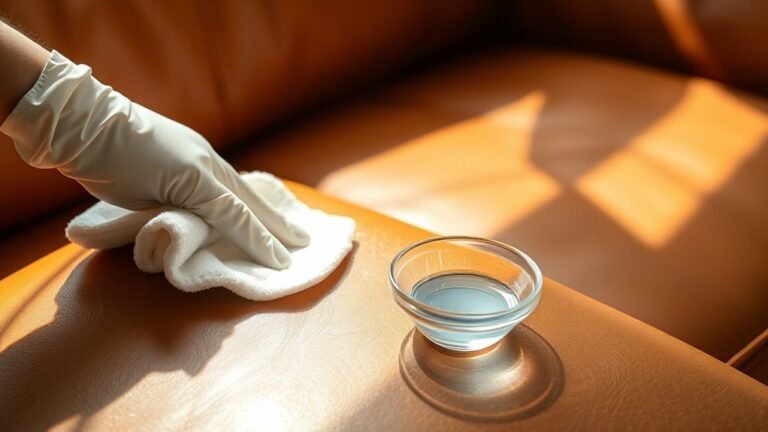
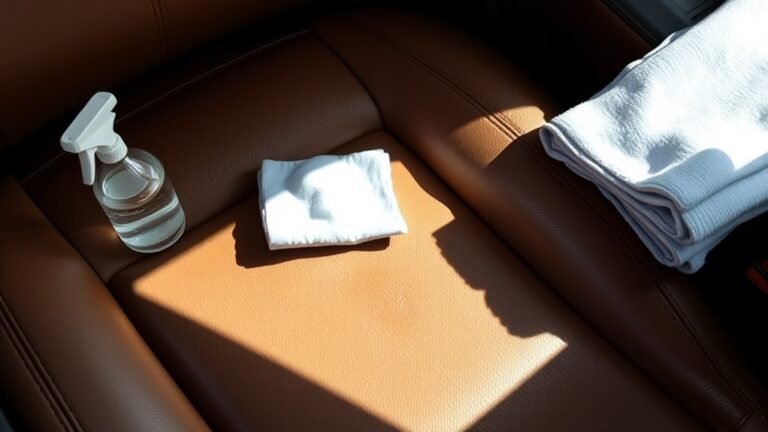
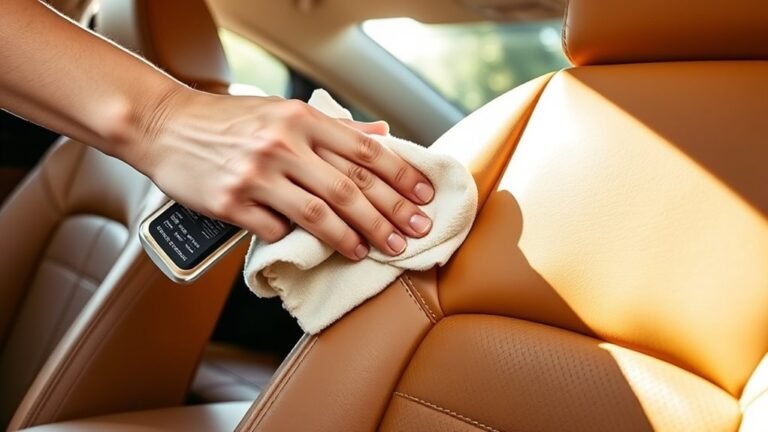
Since PU leather has a non-porous surface, you can clean it easily with just a damp cloth, making maintenance quick and hassle-free. Its easy-to-clean nature means you won’t spend hours on upkeep. Here’s why PU leather offers an easy maintenance advantage:
- Stain resistance and water-resistant properties allow for quick cleanup of spills without leaving marks.
- Minimal maintenance is needed since PU leather doesn’t crack or dry out like genuine leather.
- Regular wiping with a damp cloth keeps it looking durable and new over time.
- No expensive conditioners or treatments are required, saving you time and money.
With PU leather, you get a practical, long-lasting material that’s perfect if you want durable style with simple upkeep.
Vegan and Variety
Because PU leather is made from a synthetic polyurethane coating on fabric, it offers a vegan-friendly alternative to traditional leather that avoids animal hides. When you choose vegan leather, you support cruelty-free and ethical fashion by opting for animal-free materials.
PU leather stands out with its variety of colors and stylish finishes, letting you find customizable products that suit your style perfectly. Unlike genuine leather, PU leather is an affordable fashion option without compromising on design or quality.
Its lightweight and flexible nature makes it ideal for everything from clothing to accessories. By selecting PU leather, you embrace a sustainable, versatile, and fashionable material that aligns with your values while offering a broad range of choices to express your unique taste.
Drawbacks and Durability Issues
You’ll notice PU leather has a limited lifespan, often cracking and peeling after just a couple of years. It’s also prone to retaining chemical odors from manufacturing, which can linger and affect your experience.
Understanding these drawbacks helps set realistic expectations before you choose PU leather.
Limited Lifespan
Although PU leather offers an affordable alternative to genuine leather, you should expect it to show signs of wear within 1 to 3 years of regular use. Its lifespan is limited due to factors like wear and tear, cracking, and peeling.
The durability depends heavily on the quality of PU leather and how well you care for it. Here’s what affects its short-lived nature:
- Exposure to sunlight and heat speeds up chemical deterioration.
- Frequent use and moisture accelerate breakdown.
- Lower-quality PU leather often fails within two years.
- Proper care can extend its life but won’t prevent eventual brittleness.
Understanding these factors helps set realistic expectations about PU leather’s durability and lifespan.

Susceptible to Cracking
PU leather’s limited lifespan often leads to one common and frustrating issue: cracking. The synthetic coating on PU leather becomes brittle over time, especially with exposure to heat, sunlight, or frequent bending.
Without natural oils and fibers, PU lacks the flexibility genuine leather has, making surface cracks almost inevitable. Low-grade materials and poor manufacturing quality accelerate surface deterioration, reducing durability and the product’s aesthetic appeal.
Once cracking starts, repairing it is tough, leaving your item looking worn and damaged. If you want PU leather to last, you’ll need to handle it carefully and avoid harsh conditions. Otherwise, expect the synthetic coating to fail sooner than you’d like, compromising both its look and function.
Chemical Odor Problems
When you first get a product made from PU leather, you might notice a strong chemical or plastic smell caused by the polyurethane coating and manufacturing chemicals. This chemical smell results from VOC emissions and off-gassing of chemical residues. Here’s what to expect:
- The persistent odor can last weeks or months, especially without proper ventilation.
- Sensitive individuals might experience respiratory irritation or allergic reactions.
- Some PU leather items retain a noticeable plastic odor even after airing out.
- Chemical residues can reduce durability, causing cracking and peeling over time.
To minimize issues, air out your PU leather product in a well-ventilated space. Remember, while the smell fades, chemical residues may still impact the material’s lifespan and overall quality.
Identifying Genuine PU Leather
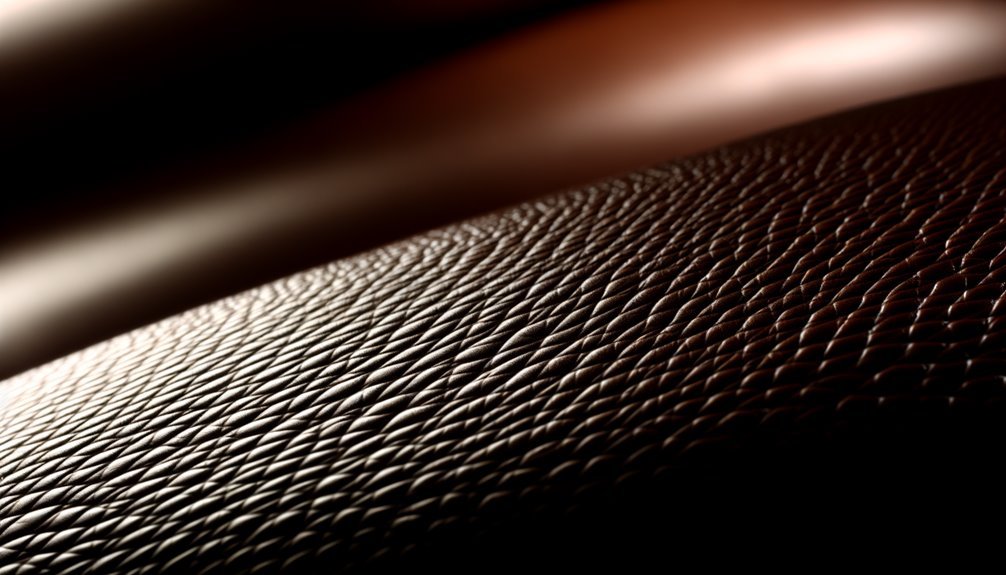
If you want to tell genuine PU leather apart from real leather, start by examining its surface and smell. PU leather, a type of synthetic leather or artificial leather, shows a uniform surface pattern without the natural grain variations and imperfections typical of genuine leather.
A visual inspection often reveals this consistent texture. You can also perform a water test: genuine PU leather won’t absorb water; it beads up instead. Additionally, new PU leather often emits a distinct chemical smell, unlike the earthy scent of real leather.
Checking product labels helps too. If it says “PU leather” or “polyurethane” and avoids genuine leather terms, you’re likely dealing with synthetic leather. These simple steps help you confidently identify genuine PU leather.

Environmental and Ethical Considerations
Although synthetic leather is often promoted as a vegan and cruelty-free alternative, you should consider its environmental and ethical impacts before choosing it. PU leather is made from petrochemical-based polymers that are non-biodegradable, causing persistent plastic waste and resource depletion. Here’s what you need to know:
- Its chemical composition makes recycling difficult, so most PU leather ends up in landfills or incinerators.
- The manufacturing process releases toxic chemicals, contributing to chemical pollution and harming workers’ health.
- Some products labeled cruelty-free may still contain animal-derived residues, complicating ethical claims.
- Overall, PU leather’s production and disposal have a significant environmental impact, from chemical pollution to long-term plastic waste.
Before buying, weigh these factors to make an informed, responsible choice.
Frequently Asked Questions
Is PU Leather Good Quality?
Yes, PU leather can be good quality if it has a thick coating, realistic texture, and protective treatments. You’ll find it durable and attractive, though it won’t age or last quite like genuine leather does.
What Is the Disadvantage of PU Leather?
Ever wondered why your PU leather jacket cracks so soon? You’ll find it’s less durable, prone to peeling, and emits persistent odors.
Plus, it harms the environment since it’s non-biodegradable and tears easily.
Does PU Coating Crack or Peel?
Yes, PU coating can crack or peel, especially if you expose it to heat, UV light, or flex it often. Poor care or harsh cleaners speed this up, so you’ll want to handle it gently to keep it intact.
What Happens if PU Leather Gets Wet?
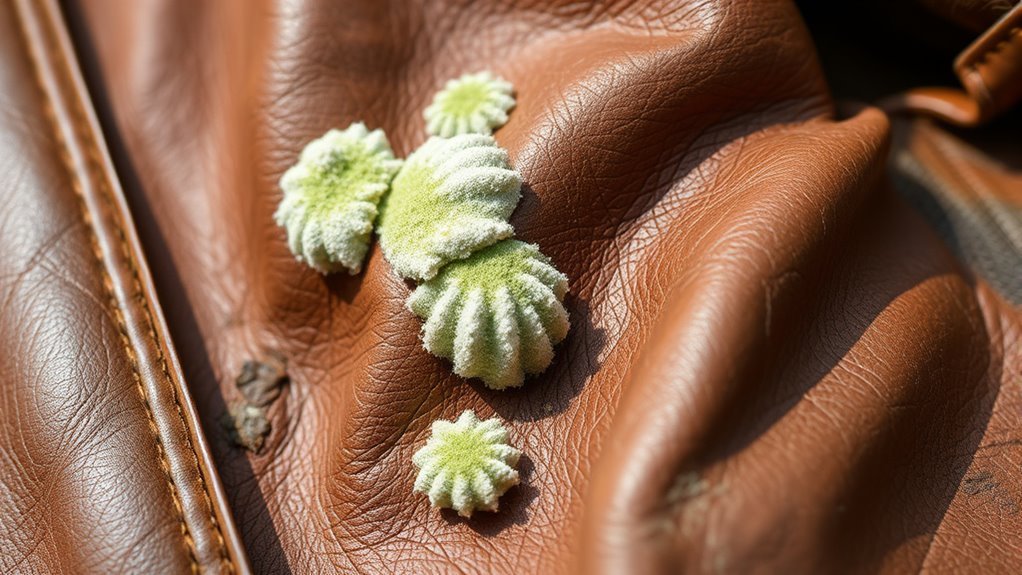
If your PU leather gets wet, it can swell or warp from moisture. You’ll want to dry it quickly because prolonged exposure may cause cracking, peeling, or mold.
Proper care keeps it looking good longer.
Conclusion
Now that you know PU leather is a synthetic material made by coating fabric with polyurethane, you can appreciate its affordability and versatility. Remarkably, PU leather accounts for nearly 60% of the global synthetic leather market, showing just how popular it is.
While it offers a cruelty-free alternative to real leather, keep in mind its durability is often less than genuine leather. Understanding these facts helps you make smarter, more ethical choices when picking materials.
In conclusion, PU leather provides a budget-friendly, versatile, and animal-friendly option, but considering its durability compared to real leather is important when making your decision.