What Is Synthetic Leather? Definition, Types & Uses Explained
Synthetic leather is a man-made material crafted by coating fabric—usually polyester or cotton—with plastic polymers like polyurethane (PU) or PVC to mimic real leather’s look and feel. This versatile material offers an affordable and durable alternative to genuine leather.
It is often more water-resistant and easier to maintain, though it may feel less warm or supple compared to natural leather. Synthetic leather is commonly used in bags, furniture, and car interiors.
If you’re curious about how synthetic leather is made, the different types available, or its environmental impact, there’s plenty more to explore.
Definition and Composition of Synthetic Leather

Although synthetic leather isn’t made from animal hides, you’ll find it closely mimics genuine leather by using plastic-based polymers like polyurethane (PU) or polyvinyl chloride (PVC). This man-made material starts with a fabric base, often polyester or cotton, which is coated with these polymers.
The coating creates a durable surface that resembles real leather’s texture and appearance. By applying layers such as color coats and textured embossing, synthetic leather achieves its realistic look.
You’ll notice that synthetic leather offers versatility since it’s entirely crafted through industrial processes without any animal products. Whether it’s PU or PVC-based, this material provides an alternative to genuine leather while maintaining similar aesthetics and functionality, making it popular in fashion, upholstery, and accessories.
Manufacturing Processes and Techniques
When you look at synthetic leather, you’ll see it starts with choosing the right base fabric like polyester or cotton. Then, you coat it with materials such as polyurethane or PVC to give it strength and flexibility.
Finally, texture embossing techniques add patterns that mimic real leather’s feel and appearance.
Base Fabric Selection
Since the base fabric forms the foundation of synthetic leather, choosing the right material is essential for achieving the desired breathability, flexibility, and durability. You’ll typically find base fabrics made from polyester or cotton, each offering unique traits.
The fabric’s weave and density influence how well it supports coating layers and the final texture. You can select woven, non-woven, or knitted textiles depending on your needs. Sometimes, microfibers or recycled fabrics improve sustainability without sacrificing performance.
| Base Fabric Type | Key Feature | Impact on Synthetic Leather |
|---|---|---|
| Polyester | Durable, porous | Enhances coating adhesion |
| Cotton | Breathable | Improves flexibility |
| Non-woven | Lightweight | Affects texture and appearance |
Choosing wisely guarantees your synthetic leather delivers lasting durability and comfort.
Coating Materials Used
To create synthetic leather, manufacturers apply a thin coating of materials like polyurethane (PU), polyvinyl chloride (PVC), microfiber, or silicone onto a fabric base. In synthetic leather production, these coating materials form the surface that mimics real leather’s look and durability.
PVC coatings undergo a calendering process that includes foaming and compression, resulting in a flexible, sturdy finish. On the other hand, PU coatings are typically cast or laminated and cured with heat, skipping the foaming step.
Advances in coating technology now focus on eco-friendly options, using bio-based materials and recycled components to reduce environmental impact. By choosing the right coating material and process, you get synthetic leather that balances performance, aesthetics, and sustainability.
Texture Embossing Methods
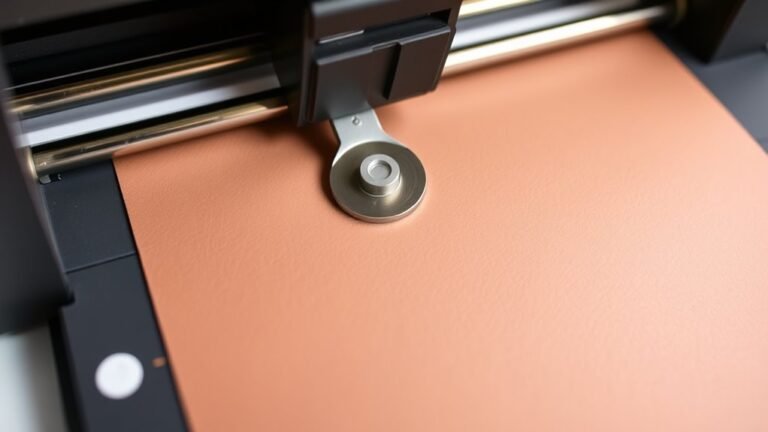
How do manufacturers give synthetic leather its realistic texture? They use embossing, a process where a patterned roller presses onto the polyurethane or PVC surface, transferring textures like grain or crocodile skin.
By applying heat and pressure, the pattern transfer guarantees the textured surface is deeply imprinted, enhancing the material’s authenticity. Advanced embossing techniques involve engraved cylinders or plates heated to embed detailed patterns precisely.
Often, manufacturers add multiple layers of coating or printing before embossing, introducing color and depth to the texture. The chosen embossing method directly impacts the look, feel, and porosity of synthetic leather, making it suitable for different uses, from upholstery to fashion accessories.

Types of Synthetic Leather Materials
You’ll find that synthetic leather comes in several common types, like PU, PVC, microfiber, and silicone, each made with unique techniques. Understanding these materials helps you choose the right one for your needs, whether it’s flexibility, durability, or breathability.
Let’s explore what sets these options apart and how they’re manufactured.
Common Material Types
What makes synthetic leather so versatile? It’s the variety of synthetic materials available. The most common are PU (polyurethane) and PVC (polyvinyl chloride). PU offers a softer, more flexible feel, while PVC is durable and water-resistant.
You’ll also find microfiber leather, which combines a microfiber backing with a PU coating, giving you a breathable, softer alternative. For durability and flexibility, silicone leather is popular, especially in automotive and marine uses.
If you’re environmentally conscious, eco-friendly synthetic leathers made from recycled plastics or plant-based materials are emerging options. Choosing the right material depends on your durability needs, application, and sustainability goals, making synthetic leather a practical choice across industries.
Manufacturing Techniques
Although synthetic leather materials vary widely, their manufacturing techniques share common principles that shape their texture, durability, and feel. In polyurethane (PU) leather manufacturing, you’ll see a base fabric coated with a polyurethane layer, which is then embossed or printed to replicate natural leather’s texture.
Polyvinyl chloride (PVC) leather uses a different approach, applying a plasticized vinyl coating onto fabric, often through calendering and foaming, enhancing durability and texture. Some synthetic leathers, like microfiber, combine a microfibre base with a polyurethane coating, offering breathability and environmental benefits.
Silicone leather takes it further by applying a silicone coating, giving you flexibility, water resistance, and a soft feel. These coating and layering methods define each type’s look and performance in synthetic leather.
Visual and Tactile Differences From Genuine Leather
When you examine leather closely, genuine leather stands out with its natural, irregular grain patterns and unique textures, while synthetic leather often reveals a uniform, printed surface designed to imitate the real thing. You’ll notice genuine leather’s cut edges show a fibrous, textured layer, contrasting with synthetic leather’s smooth, sometimes layered or printed edges.
The texture of real leather feels warm, soft, and supple, whereas synthetic leather tends to be colder, stiffer, and rubbery. Smell also helps you tell them apart: genuine leather has a distinctive earthy aroma, while synthetic leather often carries a chemical or plastic odor. These visual and tactile cues help you distinguish genuine leather from its synthetic counterpart with confidence.

Common Applications and Uses
You’ll find synthetic leather in countless everyday items, from fashion accessories like handbags and wallets to durable footwear and stylish furniture upholstery. Its applications extend to leather goods such as belts and cases, offering an affordable, colorful alternative to genuine leather.
In footwear, synthetic leather provides water resistance and durability, making it popular for shoes and boots. Furniture upholstery benefits from synthetic leather’s easy maintenance and luxurious look, commonly seen in home and automotive interiors.
Beyond this, synthetic leather protects electronic devices with stylish cases and serves outdoor uses like boat seats and patio furniture due to its moisture resistance. These versatile applications make synthetic leather a practical choice across many industries.
Environmental and Sustainability Considerations
Synthetic leather offers versatility and style across many products, but it also raises important questions about its environmental impact. Since it’s made from petroleum-based plastics derived from fossil fuels, you’re dealing with a material that’s energy-intensive to produce and contributes to pollution.
Plus, synthetic leather is non-biodegradable, lingering in landfills for centuries and slowly releasing harmful chemicals. While some eco-friendly alternatives like bio-based or recycled options exist, they’re not widely available yet.
Keep in mind, burning synthetic leather emits toxic fumes, which can harm both health and the environment.
- Made from non-renewable fossil fuels
- Energy and chemical-intensive production
- Non-biodegradable, lasting hundreds of years
- Emerging eco-friendly alternatives are limited
- Burning releases toxic pollution and fumes
Ethical and Health Implications
Although synthetic leather provides a popular alternative to animal hides, it often contains harmful chemicals like phthalates and formaldehyde that pose health risks to both workers and consumers. You should be aware that these toxic chemicals can cause allergic reactions and skin irritation.
When synthetic leather is burned or improperly disposed of, it releases dioxins and volatile organic compounds, contributing to environmental pollution and chemical leaching. This raises serious ethical concerns about its impact on ecosystems and human health.
Additionally, many synthetic leathers rely on petrochemicals, which ties their production to fossil fuel dependence, further complicating ethical debates. Understanding these health risks and environmental effects helps you make informed choices about synthetic leather products and their broader implications.
Identification and Labeling Standards
How can you tell if a product is made from genuine leather or synthetic materials? Labeling standards play a pivotal role in helping you identify the material used. In the EU and USA, product labels must clearly state whether an item contains genuine leather or synthetic materials like PU or PVC.
Authentic leather often carries certification marks, such as those from the Leather Working Group, ensuring responsible sourcing. Here’s what to look for on product labels:
Look for certification marks like those from the Leather Working Group to confirm authentic leather and responsible sourcing.
- Clear mention of genuine leather or synthetic materials
- Certification marks verifying authenticity
- Labels stating “Vegan Leather” or “Plant-based” with material percentages
- Absence or vagueness in labeling often indicates synthetic leather
- Compliance with regional labeling standards for transparency
These guidelines empower you to make informed choices when selecting leather products.

Care and Maintenance Tips
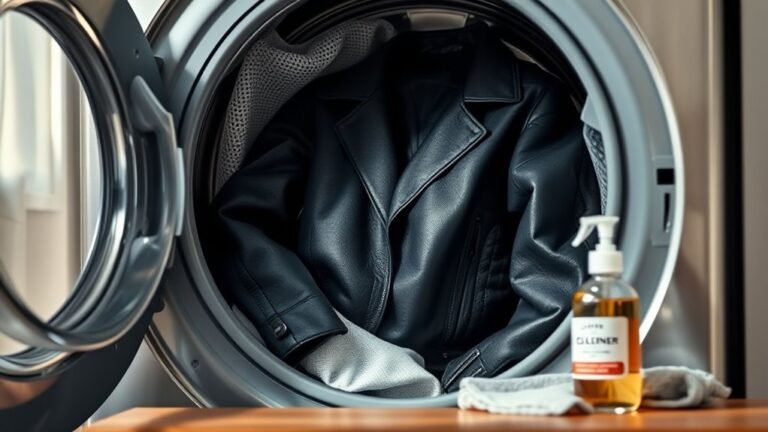
When you want to keep faux leather looking its best, regular cleaning is key. Use a damp cloth to wipe away dust and dirt gently, avoiding abrasive tools that can scratch the surface.
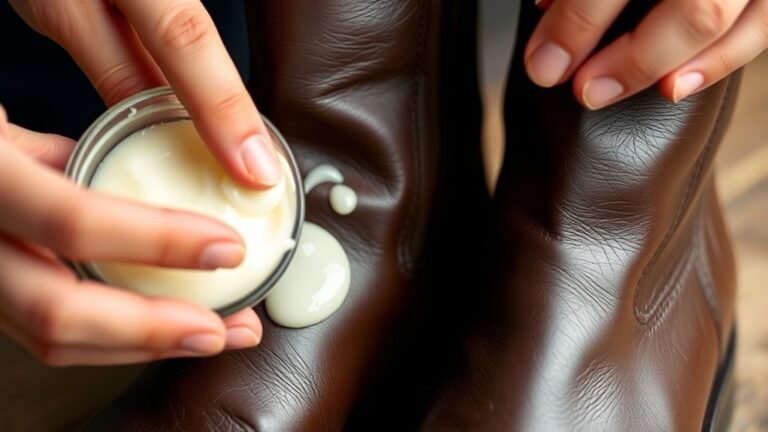
For deeper cleaning, apply a mild soap solution or a cleaner made for synthetic leather. Don’t forget conditioning periodically to maintain softness and prevent cracking.
Also, keep your synthetic leather out of direct sunlight to avoid fading and deterioration.
| Care Step | How to Do It | Why It Matters |
|---|---|---|
| Cleaning | Wipe with damp cloth, mild soap | Removes dirt, preserves look |
| Conditioning | Use suitable conditioner | Keeps material flexible |
| Avoid Abrasives | No sharp or rough tools | Prevents scratches and damage |
Frequently Asked Questions
Is Synthetic Leather Good Quality?
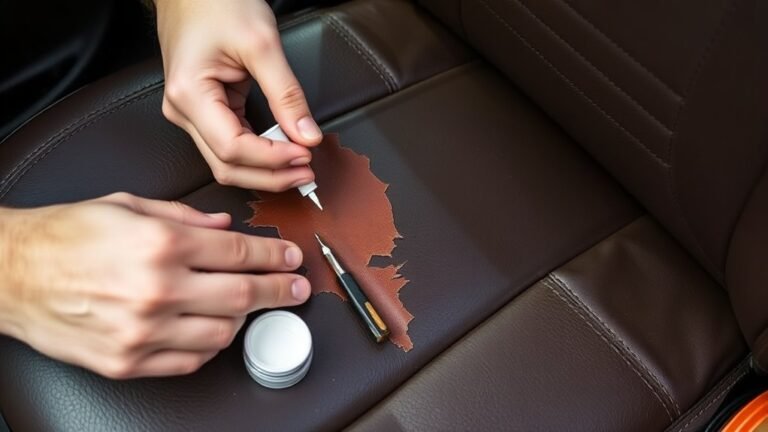
Yes, synthetic leather can be good quality if you choose PU or advanced microfiber types. You’ll enjoy durability, flexibility, and comfort, but watch out for cheaper options that may crack, peel, or fade quickly over time.
What Is Synthetic Leather Made Of?
Think of synthetic leather as a carefully crafted recipe. It’s made from plastics like polyurethane or PVC, mixed with fabrics, plus additives to boost flexibility and look. Sometimes it even includes recycled or bio-based materials for eco-friendliness.
What Are the Disadvantages of Synthetic Leather?
You’ll find synthetic leather wears out faster, cracks, and peels. It’s less breathable, causing discomfort.
Plus, its production harms the environment, releases toxic chemicals, and it doesn’t biodegrade, creating long-lasting waste.
What’s the Difference Between Real Leather and Synthetic Leather?
You’ll notice real leather has natural grain, ages with a unique patina, and smells earthy, while synthetic leather feels uniform, smells chemical, and doesn’t age naturally.
Real leather edges show fibers; synthetic edges are sealed.
Conclusion
Now that you know synthetic leather is like a clever imitation of genuine leather—crafted to look and feel similar—you can appreciate its versatility and ethical benefits. Whether you’re choosing it for fashion, furniture, or accessories, remember that caring for it properly will keep it lasting longer.
By understanding its environmental impact and how to identify synthetic leather, you can make smarter, more sustainable choices that align with your values and lifestyle. Embracing synthetic leather allows you to enjoy stylish, cruelty-free alternatives without compromising on quality or appearance.