How to Remove Salt Lines from Leather Shoes: Easy Cleaning Tips
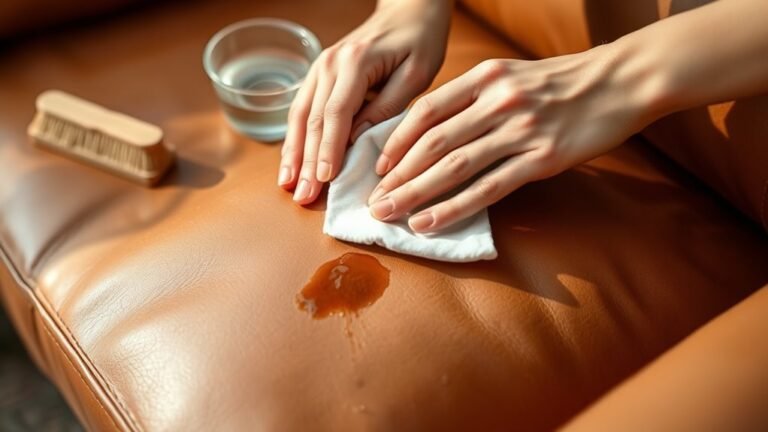
To remove salt lines from your leather shoes, start by wiping them gently with a damp cloth to lift away salt residue. Salt stains on leather can be stubborn, but using the right method helps restore your shoes’ appearance.
If stains persist, use a mild vinegar-water solution to treat the affected areas. After cleaning, dry your shoes slowly away from heat sources, stuffing them with paper to maintain their shape.
Once dry, apply a leather conditioner to restore moisture and prevent cracking. To protect your shoes from future salt damage, use a waterproof spray regularly.
Keep reading for tips on caring for different leather types and preventing salt stains before they start.
Why Road Salt Damages Leather Shoes

Although road salt helps keep sidewalks safe in winter, it can seriously damage your leather shoes if you don’t clean it off quickly. Salt stains aren’t just unsightly; they cause real leather damage.
Road salt keeps sidewalks safe but can seriously damage leather shoes if not cleaned promptly.
When salt settles on your shoes, it dries out the leather, stripping away natural oils that keep it flexible and strong. If salt penetrates deep, it leads to cracks and long-term deterioration.
Plus, salt residue can harm metal parts and ruin waterproofing treatments, reducing your shoes’ lifespan. That’s why prompt salt removal is essential.
If you leave salt stains on your leather shoes, you risk permanent damage that no simple cleaning can fix. So, tackling salt stains early protects your investment and keeps your shoes looking great.
Common Signs of Salt Stains on Leather

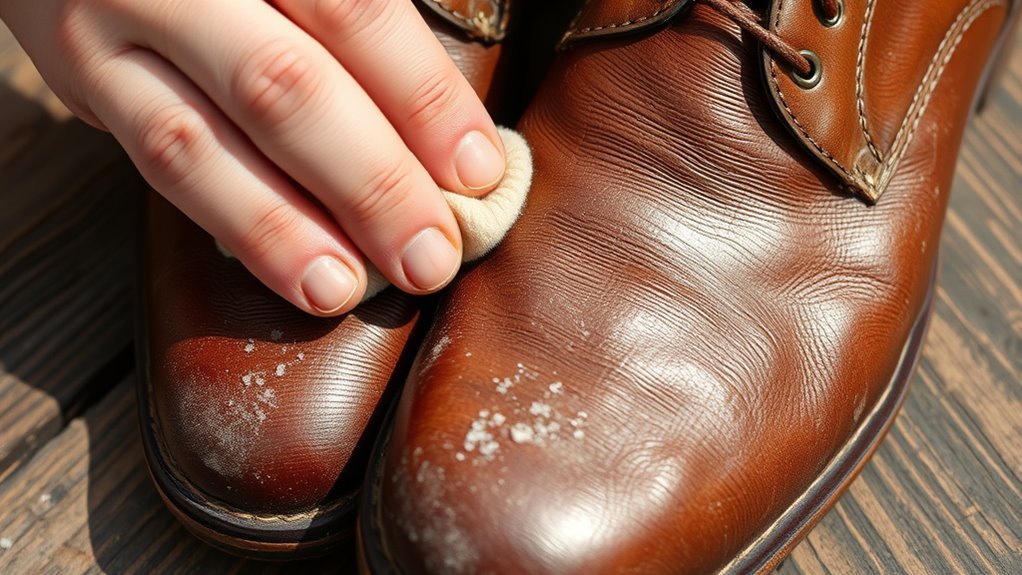
You’ll often spot salt stains as white, powdery residue on your leather shoes, especially near the soles and seams. Over time, these stains can dry out the leather, causing cracks and rough patches.
Pay close attention to areas where salt tends to concentrate, as those spots are most vulnerable to damage.
Visible White Residue
When salt from road treatments or melting snow settles on your leather shoes, it leaves behind a visible white residue that signals salt stains. This white residue forms as salt crystals penetrate and dry on the leather surface. You’ll often notice these salt deposits as powdery or chalky white marks.
They stand out more on lighter-colored or smooth leather shoes and can ruin their appearance if left untreated. Here’s what to look for:
- Chalky or powdery white patches on leather shoes
- White lines along seams or creases
- Residue more obvious on smooth or light leather
- Areas where salt has dried and crystallized visibly
Recognizing this white residue early helps you protect your leather shoes from lasting damage.
Leather Dryness and Cracking
Since salt strips moisture from leather, your shoes can quickly become dry and brittle if you don’t treat them properly. Leather drying caused by salt exposure leads to visible signs like fine cracks and a rough texture, especially in high-stress areas such as the toe box and seams.
These cracks occur because salt evaporates the leather’s natural oils, accelerating deterioration. If you ignore these signs, the damage worsens, reducing your shoes’ lifespan. To prevent cracking, remove salt promptly and apply regular conditioning to restore moisture and flexibility.
Conditioning replenishes lost oils and protects the leather from further drying. By addressing leather dryness early and maintaining a conditioning routine, you’ll keep your leather shoes supple and extend their durability despite exposure to salt.
Salt Concentration Areas
Where does salt usually leave its mark on your leather shoes? Salt stains often appear as white, chalky lines or spots, especially where your shoes meet moisture or salted surfaces. You’ll notice these marks more on light-colored or smooth leather shoes due to their contrast.
Common signs include white streaks or patches, particularly after walking on snow or salted pavement.
Look out for salt concentration in these key areas:
- Toe and heel edges
- Sole edges where salt accumulates
- Around the laces
- Seam edges with frequent contact
Knowing where salt builds up helps you target salt removal effectively, keeping your leather shoes looking clean and well-maintained.
Immediate Steps to Take After Exposure to Salt

Although salt can quickly damage leather, you can minimize harm by rinsing your shoes promptly with clean water to remove surface salt before it soaks in. Gently wipe the affected areas with a damp cloth or sponge to remove salt stains without scrubbing harshly, which could harm the leather.
Avoid letting salt sit on your shoes for long, as this increases staining and damage risks. If you spot superficial salt stains, applying a mild vinegar solution can help neutralize the salt’s effects.
After cleaning, dry your shoes slowly in a well-ventilated area, stuffing them with newspaper to absorb moisture and keep their shape. Taking these immediate steps guarantees you remove salt effectively and protect your leather shoes from lasting damage.
Tools and Materials Needed for Cleaning Salt Stains
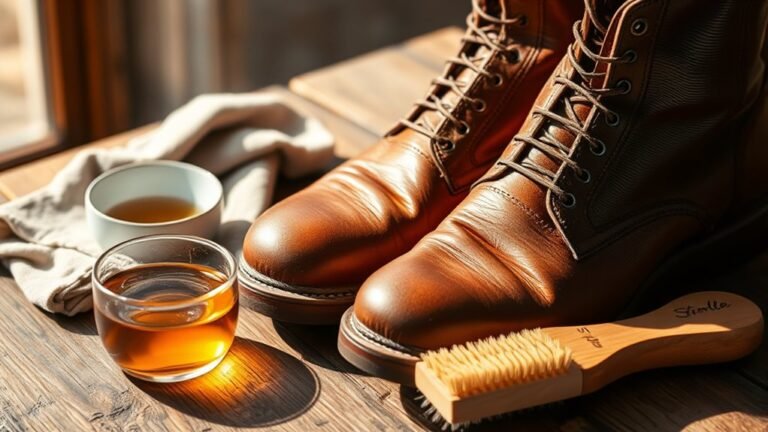
To tackle salt stains on your leather shoes, you’ll need a few key tools like a soft-bristled brush and gentle cloths to avoid damaging the material. Using mild cleaning solutions such as a water-vinegar mix or specialized removers will help break down the salt deposits effectively.
After cleaning, apply leather conditioners and waterproofing sprays to restore moisture and protect your shoes from future salt damage.
Essential Cleaning Supplies
Before tackling salt stains on your leather shoes, you’ll need the right cleaning supplies to guarantee effective and safe removal. Having the proper tools ensures you won’t damage your leather while removing stubborn salt lines.
Here are the essential cleaning supplies to gather:
- Soft, clean cloths or microfiber towels for gentle wiping
- Mild stain remover or specialized salt stain cleaner for effective treatment
- Small, soft-bristled brush (like a toothbrush) to loosen salt deposits
- Leather conditioner to restore moisture and protect after cleaning
These cleaning supplies work together to dissolve salt residues, clean the surface delicately, and maintain your leather’s natural texture and shine. Make sure to have warm water and gentle detergents handy as well for prepping the stains before applying these products.
Recommended Cleaning Solutions
When you tackle salt stains on leather shoes, choosing the right cleaning solutions makes all the difference. Start with a gentle mix of equal parts water and white vinegar combined with lemon juice to neutralize salt and lift stains effectively.
For tougher marks, a specialized salt and snow stain remover, like Saphir Winter Hiver, works wonders. Just follow the product instructions carefully. Use a soft brush, such as a suede brush or toothbrush, to loosen salt deposits without damaging the leather’s texture.
Keep a damp cloth handy to wipe away surface residue. Remember to rinse your tools frequently and keep them separate to avoid spreading salt and dirt back onto your shoes. These cleaning solutions will help restore your leather’s appearance safely and efficiently.
Protective Care Products
Although tackling salt stains can seem formidable, having the right protective care products makes the process much easier and more effective. To clean and protect your leather shoes, you’ll want to gather these essential tools:
- A high-quality leather cleaner or salt and snow stain remover to neutralize salt deposits without damaging the leather.
- A soft, damp cloth or microfiber towel for gently wiping away salt residue.
- A nourishing leather conditioner to restore moisture and flexibility after cleaning.
- A waterproofing spray designed specifically for leather to shield your shoes from future salt and moisture damage.
Using these products carefully will ensure your leather shoes stay clean, supple, and protected against harsh winter elements.
Effective Methods to Remove Salt Stains From Leather
Since salt stains can quickly damage leather shoes, you should act promptly using effective methods to remove them. Start by mixing equal parts water, vinegar, and lemon juice to gently wipe away salt stains.
Use a soft cloth moistened with this solution or warm water to clean the affected areas, wiping in one direction from top to sole. For tougher stains, apply a specialized salt and snow stain remover like Saphir Salt and Snow Stain Remover, following the product instructions. After cleaning, make sure your leather shoes dry thoroughly before rehydrating and conditioning the leather to restore flexibility. These cleaning techniques effectively remove salt stains without harming your shoes, helping maintain their appearance and durability.
Special Care Tips for Suede and Nubuck Leather
If you want to protect suede and nubuck leather from salt damage, you need to handle stains with extra care. Salt stains on suede and nubuck require gentle, dry cleaning methods to avoid ruining the delicate texture.
- Use a soft, dry brush or nubuck eraser to lift salt stains without harming the nap.
- Avoid water or liquid cleaners that can discolor suede and nubuck; stick to dry techniques.
- For stubborn salt marks, lightly dab with a cloth moistened in equal parts water and white vinegar.
- Let your shoes air dry naturally, away from heat, then apply a suede or nubuck protector spray to repel future salt stains and moisture.
Following these steps keeps your suede and nubuck shoes looking fresh and salt-free.
How to Dry Leather Shoes Properly After Cleaning
After cleaning your leather shoes, make sure to dry them slowly in a warm, dry spot away from direct heat like radiators or sunlight.
Stuff the shoes with crumpled paper to absorb moisture and keep their shape, changing it regularly to prevent mold. Avoid quick drying methods like hairdryers, since they can damage the leather.
Slow and Even Drying
When you clean your leather shoes, drying them slowly and evenly is essential to prevent damage like cracking or stiffness. To dry your shoes properly, follow these steps:
- Place shoes in a warm, well-ventilated area away from direct heat to allow moisture to evaporate naturally.
- Stuff the shoes with crumpled newspaper or paper towels to absorb excess moisture and help maintain their shape.
- Change the stuffing regularly to ensure even drying and prevent mold or odors from trapped dampness.
- Let the shoes dry completely. This can take 12 to 24 hours depending on moisture levels before applying any conditioning products.
This slow drying process preserves the leather’s flexibility and prepares it for proper conditioning, keeping your shoes in great shape.
Avoid Direct Heat
Although it might be tempting to speed up drying with a heater or hairdryer, you should avoid direct heat to protect your leather shoes. Direct heat sources like radiators or hairdryers can cause the leather to dry out unevenly, warp, or crack, damaging your shoes.
Instead, focus on drying shoes slowly at room temperature, away from any heat. To support leather care, stuff your shoes with newspaper or absorbent material to maintain shape and soak up moisture.
Patience is key. Let your shoes dry completely over several hours or overnight. By taking these steps and avoiding heat, you’ll preserve the leather’s integrity and keep your shoes looking great while effectively removing salt lines.
Conditioning Leather After Salt Removal
Once you’ve completely removed the salt, you’ll want to apply a high-quality leather conditioner to restore moisture and prevent cracking. Proper conditioning is essential after salt removal to keep your shoes supple and extend their lifespan.
Here’s how to condition your leather shoes effectively:
- Ensure the leather is completely dry before applying the leather conditioner.
- Use a soft cloth to spread the conditioner evenly over the entire shoe surface.
- Let the conditioner penetrate the leather for several minutes.
- Buff off any excess with a clean, dry cloth to finish.
Regular shoe maintenance with a good conditioner not only revives your leather but also protects it from drying out after exposure to salt.

Preventative Measures to Avoid Salt Damage
To protect your leather shoes from salt damage, you should take proactive steps after every wear. Wipe down your leather shoes with a damp cloth to remove salt stains before they soak in. Use a soft-bristled brush to clean salt deposits from seams and crevices promptly.
Applying a waterproofing spray designed for leather creates a barrier that helps prevent damage caused by salt and moisture. Always let your shoes dry completely before conditioning or polishing to avoid salt-induced cracking.
Additionally, store your leather shoes in a dry, well-ventilated area, and avoid wearing them on heavily salted roads whenever possible. These simple preventative measures keep your shoes looking great and extend their lifespan by minimizing salt stain buildup and damage.
Recommended Products for Salt Stain Removal and Leather Care
When you notice salt stains on your leather shoes, choosing the right products can make all the difference in restoring their appearance and health. Using effective leather care products not only removes salt stains but also protects and nourishes your shoes.
Here are four recommended products for salt stain removal and leather care:
- Saphir Salt and Snow Stain Remover specifically designed to neutralize salt deposits on leather shoes.
- Natural Solution a mix of water, vinegar, and lemon juice gently dissolves salt stains.
- Saphir Médaille d’Or Renovateur Leather Conditioner rehydrates leather after cleaning to prevent cracking.
- Leather Waterproofing Spray provides ongoing protection against salt and moisture damage.
Always ensure products are compatible with your shoe material to maintain effective leather care.
Frequently Asked Questions
How to Get Rid of Salt Marks on Leather Shoes?
You can get rid of salt marks by wiping them with a cloth dampened in equal parts water and white vinegar, then gently cleaning with saddle soap if needed.
Let your shoes dry naturally and condition the leather afterward.
How to Get Rid of Lines in Leather Shoes?
You’d think those lines in your leather shoes are permanent scars, but you can wipe them gently with a damp cloth. Use leather cleaner, then condition to smooth and restore your shoes’ flawless look effortlessly.
Does Salt Water Damage Leather?
Yes, salt water damages leather by drying it out and causing cracks. You’ll notice discoloration and weakened fibers.
To protect your shoes, clean and condition them promptly after exposure to salt water to preserve their quality.
Do Salt Stains Come Out of Shoes?
Salt stains can come out of shoes if you act fast, like catching lightning in a bottle. You’ll need to clean them gently and regularly, but stubborn stains might leave a faint ghost behind.
Conclusion
So, next time your leather shoes meet Mr. Salt on a winter stroll, don’t just stand there looking salty yourself. Grab your cleaning arsenal, banish those pesky white lines, and show your shoes some TLC—they’ve earned it.
Remember, neglecting salt stains is like inviting a cringe-worthy fashion faux pas to crash your party. Stay sharp, stay clean, and keep strutting without those awkward salty souvenirs ruining your style! Removing salt lines from leather shoes not only preserves their look but also extends their life, keeping your footwear fresh and stylish all season long.